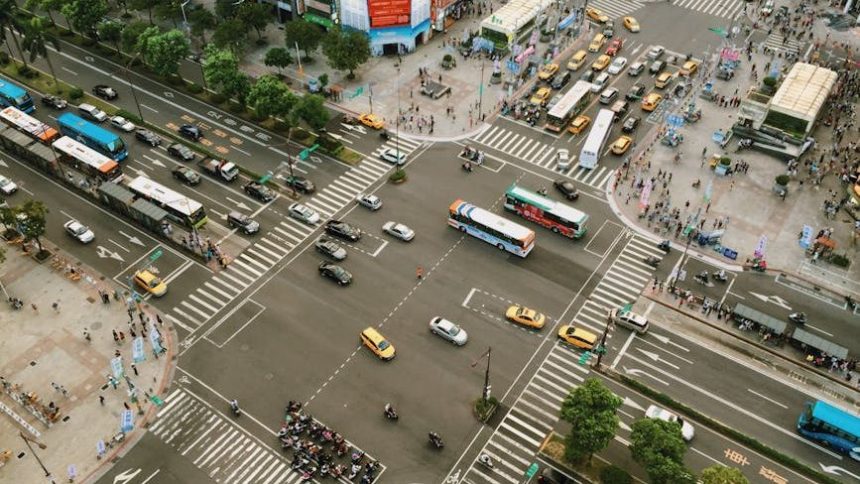
Las Vegas is one of those cities where the roads never truly sleep. But Fridays? Fridays are a beast all their own. The weekend tourism wave collides head-on with the local commuter rush, and the result is something between a slow-motion disaster and a real-life driving test nobody asked to take.
Friday afternoons and evenings are particularly hectic, as visitors flock to the city and locals head home from their Las Vegas jobs for the weekend. When you layer tens of millions of annual tourists on top of a sprawling metro of over two million residents, the math gets ugly fast. These four intersections are where that math hits you hardest. Let’s dive in.
1. Tropicana Avenue and Las Vegas Boulevard – The World’s Busiest Crossroads

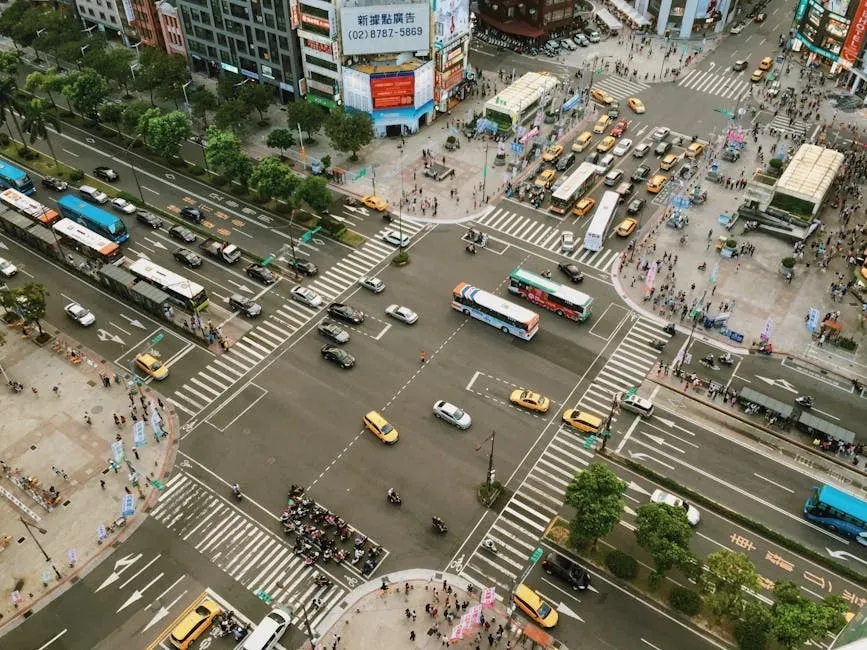
Let’s be real – this one isn’t just a bad intersection on a Friday. It’s a bad intersection every single hour of every single day. The intersection of Las Vegas Boulevard and Tropicana Avenue has been cited as the busiest street intersection in the world, with wide lanes, heavy traffic, and activity running 24/7. That’s not a boast. That’s a warning label.
Tropicana Avenue is also the main local street into Harry Reid International Airport and the first major exit from I-15 to the Strip for traffic heading north from the Los Angeles and San Diego areas. So on a Friday, you get weekend fliers, California road-trippers, and Strip-bound tourists all funneling through the same overloaded junction.
The Tropicana and Las Vegas Boulevard intersection is noteworthy for several reasons – it was the first intersection in Las Vegas completely closed to street-level pedestrian traffic, with its four corners home to three major resorts: Excalibur, New York-New York, and MGM Grand. Thousands of pedestrians crossing overhead via walkways still slow driver visibility and signal timing. Honestly, if you can reroute on a Friday afternoon, do it without a second thought.
The intersection of Tropicana Avenue and Rainbow Boulevard alone saw 72 accidents in 2019, resulting in 22 injuries, and has seen a nearly doubled accident rate from 2013 to 2019. The broader Tropicana corridor keeps earning its dangerous reputation year after year.
2. I-15 and Tropicana Avenue Interchange – Where Event Days Turn Into Gridlock

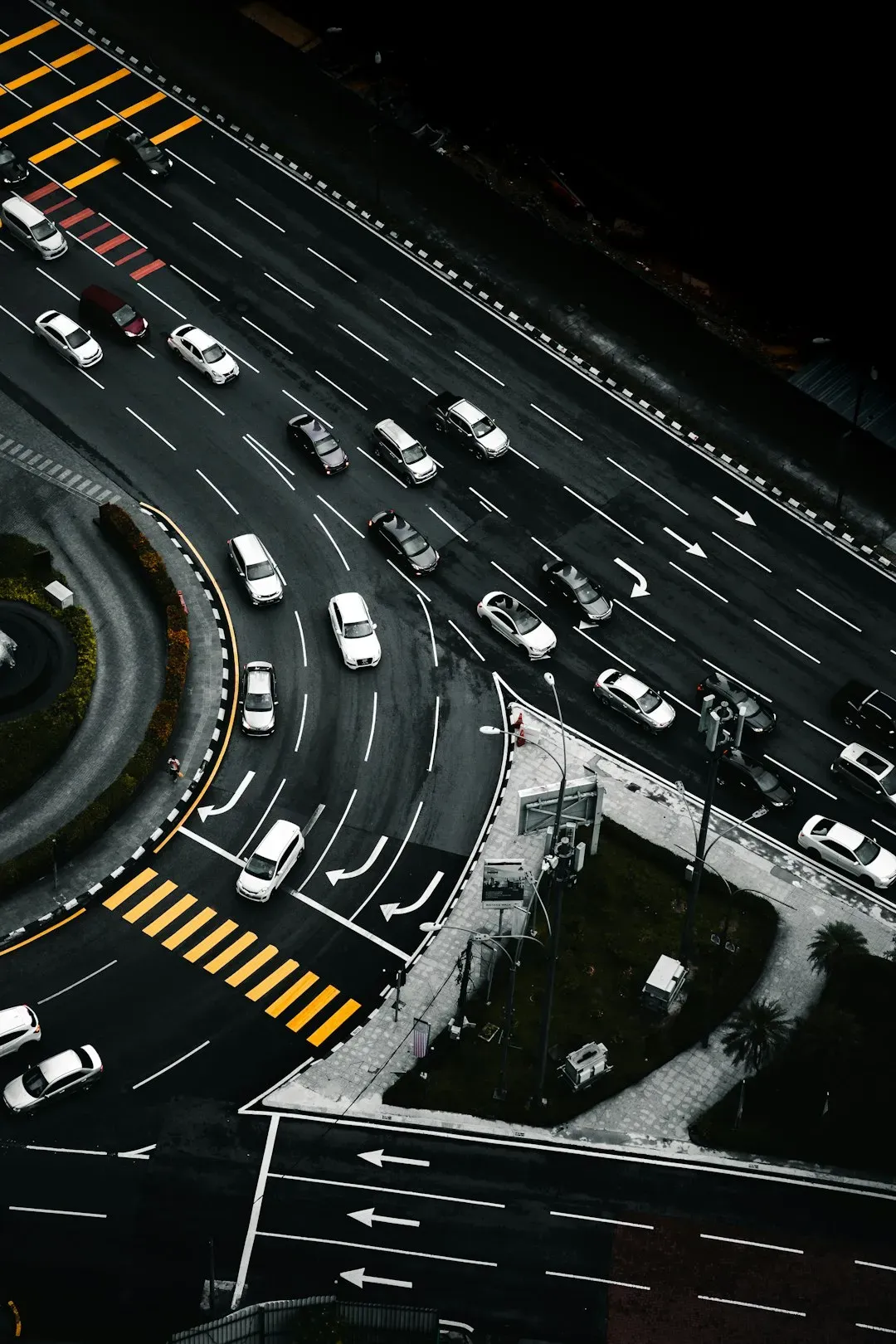
Here is the thing about this interchange: even on a quiet Tuesday it gets heavy. On a Friday when the Las Vegas Raiders or a major concert is packing Allegiant Stadium nearby? It becomes practically impassable. State transportation officials confirmed that the I-15 and Tropicana Avenue interchange handles more than 87,000 vehicles per day. That figure alone should make any driver nervous.
The Tropicana interchange is one of the busiest gateways in the state, according to NDOT, with roughly 30,000 to 60,000 drivers traveling through the area daily. On event days, those numbers spike sharply. Game days and major events at the 65,000-person capacity stadium are projected to bring an additional 15,000 to 18,000 vehicles to the roadway system in the vicinity, according to the Nevada Department of Transportation.
The Strip and I-15 tend to be even more heavily congested during big events at Allegiant Stadium, and drivers are best served not using the Russell Road or Tropicana Avenue exits closest to the stadium, instead leaving the freeway farther away and using surface streets. Even official transportation guides tell you to avoid this corridor on event days. That is not a suggestion worth ignoring.
The three-year, more than $350 million project reconfigured the I-15 and Tropicana Avenue interchange, handling upwards of 60,000 commuters a day, and added new on and off ramps, wider sidewalks, better signage, and a redesigned intersection at Tropicana and Dean Martin Drive. The upgrades help. Still, Friday rush hour near a stadium event is a different animal entirely.
3. Flamingo Road and Las Vegas Boulevard – The Casino Corridor Bottleneck

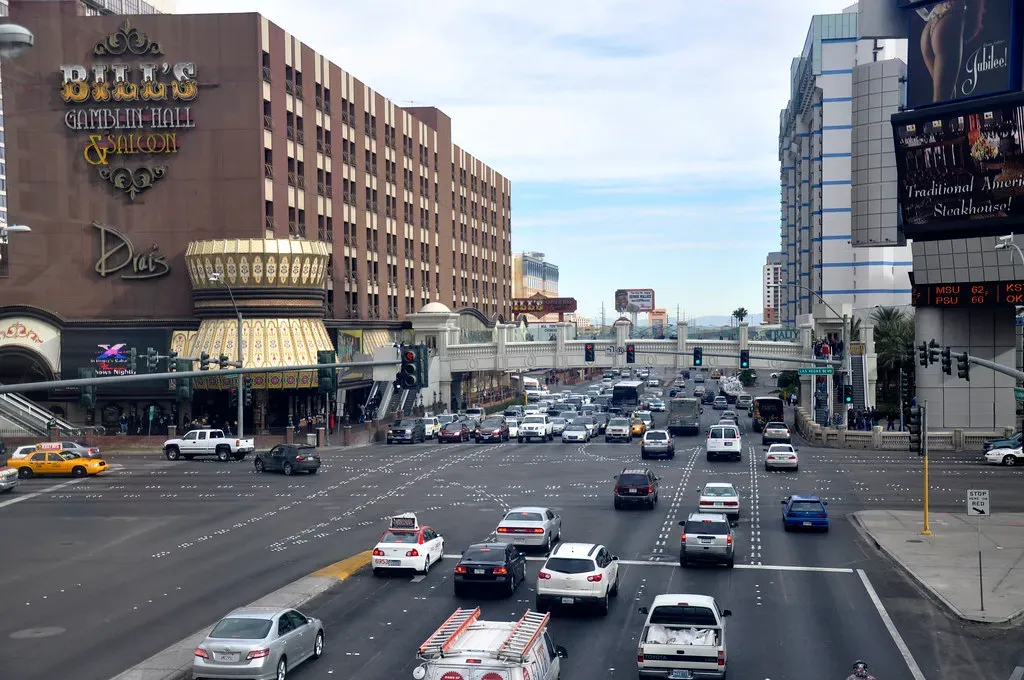
If Tropicana is the world’s busiest intersection, Flamingo Road and Las Vegas Boulevard is its slightly quieter but equally unpredictable neighbor. Flamingo Road is a major east-west corridor crucial for accessing hotels, casinos, and medical centers, and is well-traveled during both morning and evening peak hours. Think Caesars Palace, Bellagio, Bally’s – all clustered right along this stretch, pulling in foot traffic and vehicle traffic simultaneously.
During the busiest times of day, if you are traveling east to west or west to east, you are well advised to avoid crossing the Strip at major intersections like Flamingo Avenue. That advice comes from people who drive these roads regularly, and it holds especially true on Fridays when the evening entertainment crowd begins arriving in waves from 4 PM onward.
The intersection of Flamingo Road and Rainbow Boulevard is the second most dangerous intersection in Las Vegas, with 85 accidents reported in 2019, resulting in 21 injuries and one death, and seeing a nearly 50% increase in accidents from 2013 to 2019. The broader Flamingo corridor carries this risk profile along its entire run.
Speeding caused 20 traffic fatalities across the city in 2024, marking a 10% increase from 2023. On a road where resort driveways, tourist pedestrians, and rushing locals all compete for the same lanes, speed-related danger compounds fast. Fridays after 4 PM here can feel like navigating a theme park parking lot at full highway speed.
4. Sahara Avenue and Decatur Boulevard – The Valley’s Most Dangerous Crossroads

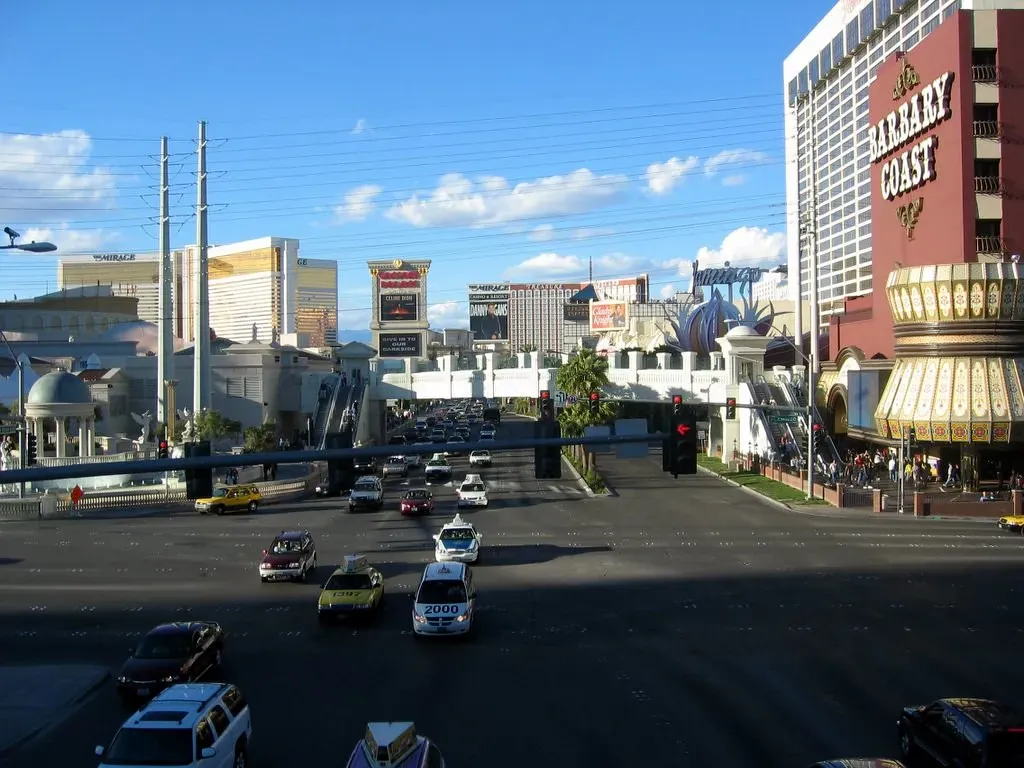
I know it sounds crazy, but of all four intersections on this list, this one might be the most overlooked by visitors and the most feared by locals. According to data from the Nevada Department of Transportation, the intersection of Sahara Avenue and Decatur Boulevard is the most dangerous in Las Vegas, with 91 accidents recorded in 2019 alone, resulting in 30 injuries and one death, representing a 120% increase in accidents from 2013 to 2019 – and it remained the number one most dangerous location as of 2024.
The mix of storefronts, residential neighborhoods, and heavy pedestrian foot traffic often creates slow-moving traffic conditions, which tests the patience of even the most seasoned driver. On Fridays, that patience gets tested to its absolute limit. Locals cutting through to avoid the Strip, delivery traffic, and shoppers heading home all converge here at exactly the wrong time.
NHTSA data shows 36% of U.S. crashes occur at intersections, and Las Vegas follows the same pattern, with several intersections repeatedly ranking as the city’s most hazardous between 2024 and mid-2025. Sahara and Decatur is consistently near the top of that list, driven by a combination of poor lane discipline and sheer volume.
Las Vegas records more than 20,000 annual crashes, averaging 56 incidents per day across the city, with failure-to-yield collisions surging to become the top fatal crash cause. It’s a statistic that gives real weight to avoiding intersections like this one on a high-traffic Friday when everyone is impatient and in a hurry.
The Bigger Picture: Friday Is a Different Kind of Rush Hour

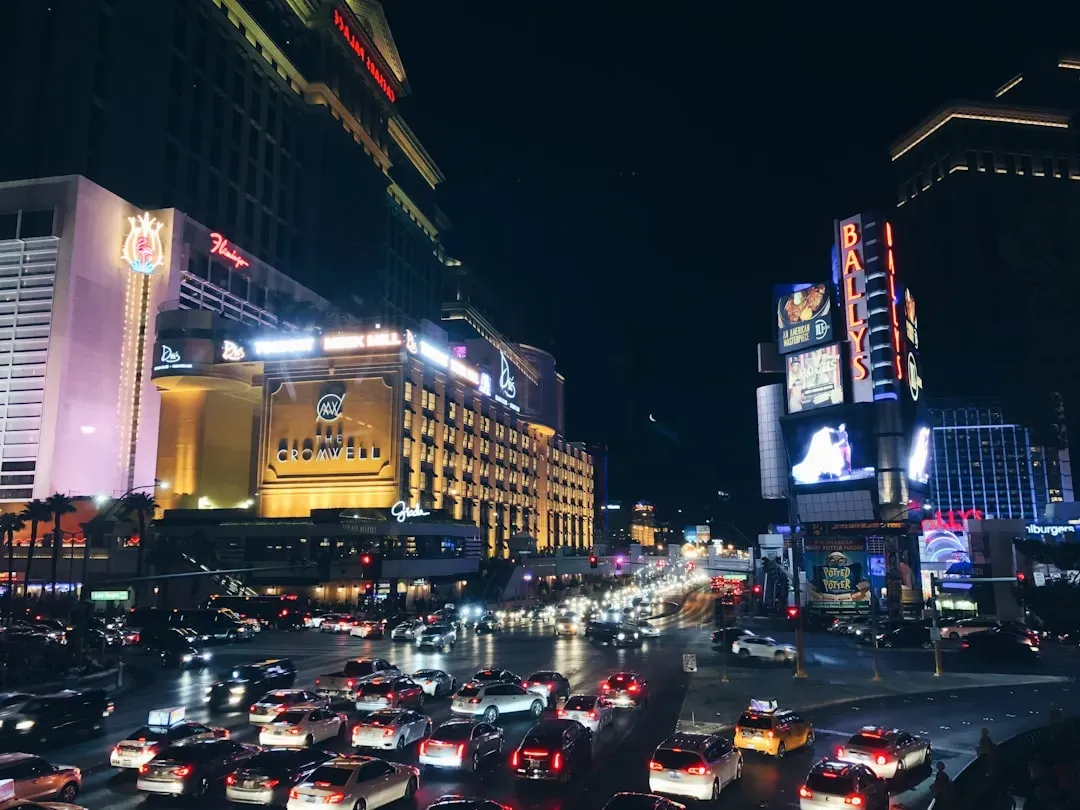
It’s worth stepping back and understanding why Fridays hit Las Vegas so much harder than any other day of the week. According to INRIX’s 2024 Global Traffic Scorecard, Friday saw the biggest day-of-week growth when considering all-day trips. Las Vegas, with its tourism engine running at full throttle every weekend, amplifies this pattern beyond what most cities experience.
Evening rush hour in Las Vegas sees a congestion level of nearly 65% on average, with travel times for a standard 10 km drive stretching to over 18 minutes, compared to far faster free-flow speeds. That is almost double what drivers experience during off-peak hours. Think about that: you could be sitting still for twice as long just by choosing the wrong time and the wrong intersection.
INRIX reported that American drivers lost an average of 43 hours to traffic jams in 2024, equal to about one work week, costing $771 in lost time and productivity. For Las Vegas drivers navigating congestion-prone corridors on the worst day of the week, that number almost certainly runs higher. Traffic congestion in Las Vegas can increase commute times by up to 30% during rush hour, making it essential to plan your travels accordingly.
Conclusion: Plan Around These Spots or Pay the Price

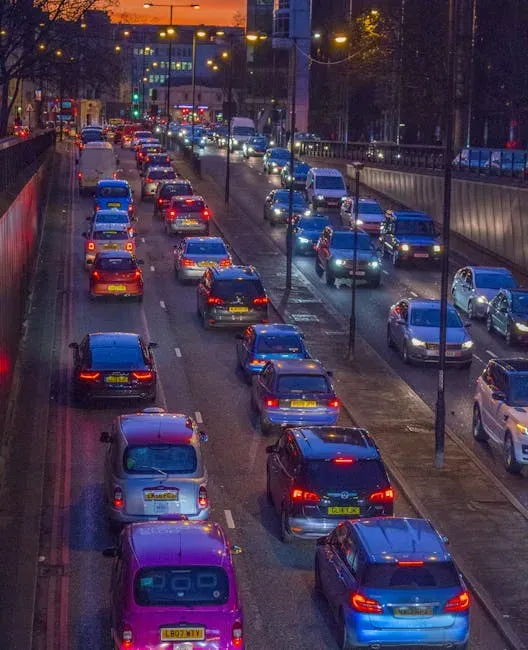
Las Vegas traffic isn’t going to get dramatically easier anytime soon. With more than 20,000 annual crashes, 2025 projections already suggest totals may exceed 22,000 accidents, driven by tourism surges, event traffic, and summer roadway conditions. The four intersections covered here represent a real, data-backed risk, not just local folklore.
The simplest survival strategy? Leave earlier, use parallel routes like Paradise Road or Frank Sinatra Drive, and lean on real-time navigation apps to detect congestion before you’re already trapped in it. The RTC Transit system adjusts bus schedules to align with traffic patterns in Las Vegas, providing a viable alternative for commuters looking to avoid gridlock.
Avoiding these four intersections on a Friday won’t just save you time. Given the crash data, it might genuinely save you from a collision. In a city that never sleeps, the roads definitely don’t either. What would you have guessed was the most dangerous intersection in Las Vegas? Tell us in the comments.