Some stories are so outrageous, so packed with impossible twists, that you’d throw the book across the room if you read them in a novel. You’d say the author was reaching. Too convenient. Too dramatic. Yet every single life on this list is completely, verifiably real. Real life is often stranger, more thrilling, and more emotionally intense than anything screenwriters invent. History, crime reports, and survival tales have produced stories so unbelievable that they feel scripted.
I’ve spent time digging into these cases, and honestly, the more you learn about each one, the more your jaw drops. These aren’t folk tales or urban legends. These are documented, sourced, and sometimes painfully true accounts of human beings living lives that defy every rational expectation. Let’s dive in.
1. Hiroo Onoda: The Soldier Who Fought a War That Had Been Over for 29 Years


Imagine reporting for duty in 1944 and not clocking out until 1974. That is not a metaphor. Hiroo Onoda was a Japanese soldier who served as a second lieutenant in the Imperial Japanese Army during World War II. He continued fighting for nearly 29 years after the war’s end in 1945, carrying out guerrilla warfare on Lubang Island in the Philippines until 1974. He was not confused in some vague, fuzzy way. He was totally, absolutely committed.
Allied aircraft dropped leaflets that announced Japan’s surrender, some signed by Japanese generals and carrying the imperial seal, yet Onoda believed that these documents were enemy propaganda. Over the following years, villagers and officials tried to contact him through loudspeakers and leaflets, but he distrusted every attempt. The man had an answer for everything. Every shred of evidence was a trick in his mind.
Onoda was contacted in the jungles of Lubang by Japanese adventurer Norio Suzuki in 1974 but still refused to surrender until he was formally relieved of duty by his former commanding officer. Onoda surrendered on 10 March 1974 and received a hero’s welcome when he returned to Japan. During his years in hiding, he engaged in more than a dozen armed clashes with local police and farmers, which caused around thirty deaths and about a hundred wounded. A story that is equal parts tragic and extraordinary.
2. Vesna Vulović: Fell 33,000 Feet and Lived to Tell the Tale

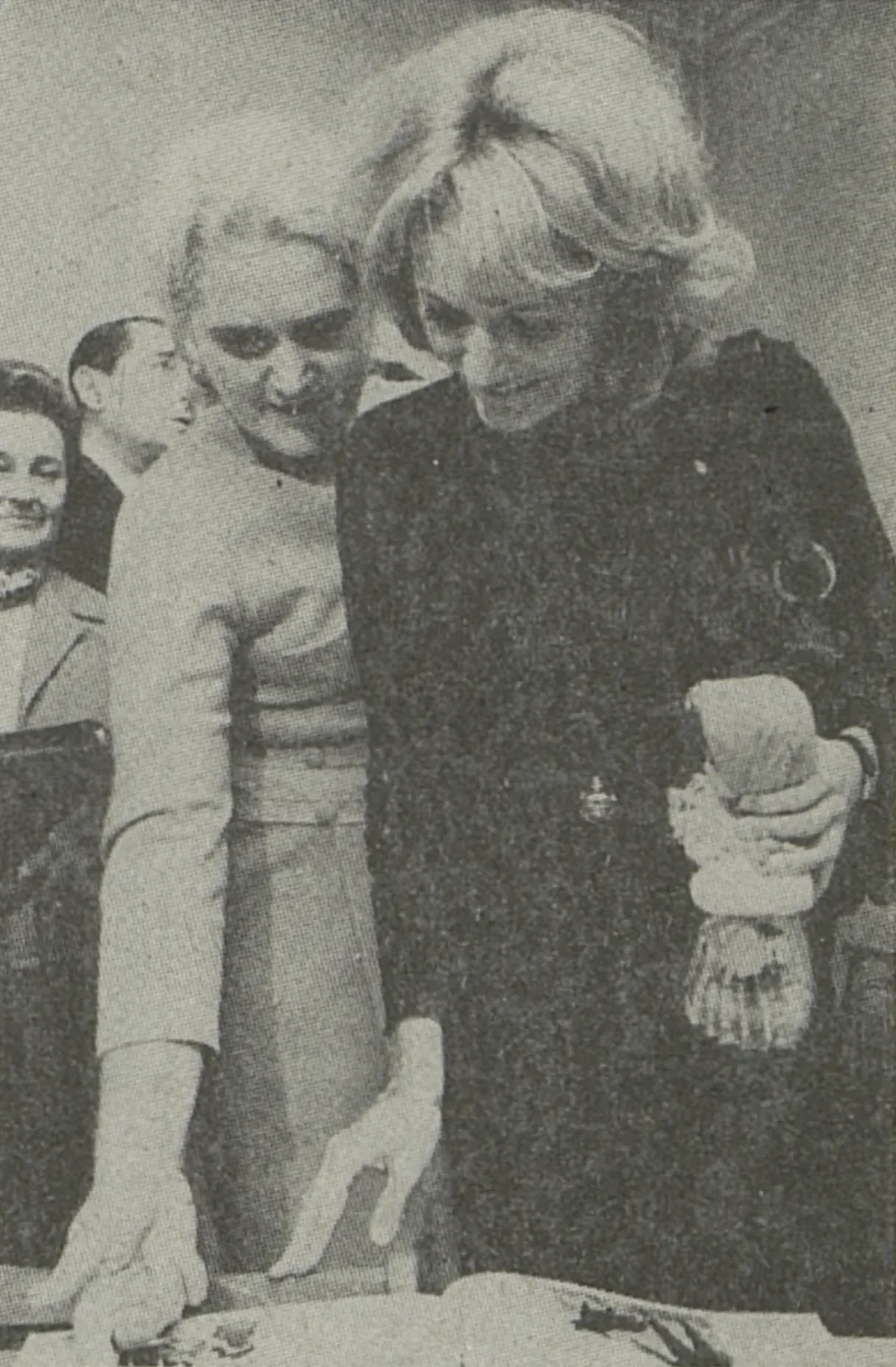
Here’s the thing about falling from a plane: it’s not supposed to be survivable. At all. Under any circumstances. In 1972, a Serbian flight attendant named Vesna Vulović survived falling 33,000 feet when a bomb exploded on her plane. She holds the world record for the highest fall without a parachute. That number is so large it barely registers as real.
Vesna Vulović, a flight attendant, survived after her plane dropped 33,330 feet from the sky. Doctors feared that Vulović would be paralyzed for life, but she was back on her feet in just 10 months. Think about that recovery timeline. Ten months. From falling over six miles to walking again. That is a story that makes you question everything you thought you knew about human endurance.
3. Ernest Shackleton: He Lost His Ship and Still Saved Every Single Man


As such, use of this image in the jurisdiction of the claimant or other countries may be regarded as copyright infringement. Please see Commons:When to use the PD-Art tag for more information., Public domain)
This one genuinely gives me goosebumps every time. The 1914 Imperial Trans-Antarctic Expedition, led by Sir Ernest Shackleton, aimed to cross the Antarctic continent via the South Pole. Disaster struck when their ship, the Endurance, became trapped in pack ice, eventually crushed and sunk. A catastrophic failure before the mission even properly began.
With five crew members, Shackleton made a dangerous attempt to get help: they sailed 800 miles over 16 days across freezing, stormy seas to South Georgia Island. This was done in a tiny open lifeboat. No GPS. No modern navigation. Just raw determination and a brilliant navigator. Once they arrived, the six men hiked for 36 hours across the island to reach a whaling station. They were dirty, cold, and exhausted – but alive.
All 28 men of the Endurance survived the ordeal. Not a single loss. In one of the most brutal environments on Earth, stranded for nearly two years, with a sunken ship and no rescue plan, every last member of that crew made it home. Leadership at a level that most people will never witness.
4. Aron Ralston: He Cut Off His Own Arm to Survive


Most of us have seen the film. But even knowing the story going in, the reality of what Aron Ralston actually did is almost impossible to fully absorb. In 2003, Ralston was hiking alone in Bluejohn Canyon in Canyonlands National Park in southeast Utah. While he was descending into one of the remote and exceedingly narrow canyons, a boulder fell and trapped his right arm. For five days he survived off of packed water and snacks, hoping someone would find him.
Not only was the spot remote, but he also hadn’t told anyone where he was going. Realizing he may never be found and running out of supplies, he was forced to amputate his arm by cutting through the bone using his multi-tool that included a knife. He then rappelled down a cliff face and hiked out of the canyon. The fact that this man is alive today is, honestly, a medical miracle wrapped in a story of almost unthinkable willpower.
5. Juliane Koepcke: The Teenager Who Fell from a Plane into the Amazon and Walked Out


A seventeen-year-old girl. A lightning strike. A jungle. Juliane Koepcke’s survival story stretches across 11 days, but the real miracle is that she survived its first 40 seconds. The daughter of German zoologists who ran a research station deep in the Amazon rainforest, Koepcke was just 17 when she boarded LANSA Flight 508 with her mother on Christmas Eve. The plane was destroyed in a storm. She fell, still strapped to her seat, into the rainforest canopy below.
After nine days of searching for help, she finally came upon a logging camp, where workers gave her first aid. They transported her to a village and airlifted her to a hospital. Once healed, Koepcke helped search parties locate the crash site and recover victims’ bodies, including her mother’s remains. She was the only survivor of the crash. Juliane’s passion and interest in nature weren’t quelled by her time in the rainforest. In fact, she would go on to become the director of Panguana, the research station that her parents had founded. Remarkable does not begin to cover it.
6. Mauro Prosperi: Lost in the Sahara, He Drank Blood to Stay Alive


I know it sounds crazy, but this story gets darker the deeper you go. Olympic pentathlete Mauro Prosperi spent 10 days lost in the Sahara Desert during the Marathon des Sables in 1994. He survived by drinking his own urine, eating raw lizards, and drinking the blood of bats until he was finally rescued. This was a professional athlete. Someone in extraordinary physical condition. The desert still nearly killed him.
Assuming he would never be found, he slit his wrists with a penknife from his supplies. However, it was such a dry heat that the wounds clotted and he was forced to go back into the desert and attempt to find help. The desert itself refused to let him die. From the hospital, doctors said his liver had almost completely failed. Having traveled 180 miles in all, Prosperi lost 35 pounds in body weight during his ordeal in the desert; it took several months before he could eat solid food again. He later went back and completed the same race. You cannot make this up.
7. Hugh Glass: Mauled by a Grizzly, Left for Dead, Crawled 200 Miles


Before Leonardo DiCaprio ever touched a camera, the real Hugh Glass lived a story that makes The Revenant look like a gentle afternoon walk. Each of the twists and turns in Hugh Glass’s survival story could have proven fatal. On a fur-trading expedition in South Dakota in 1823, he was mauled by a grizzly bear to within an inch of his life. After finally regaining consciousness, a horribly injured Glass found himself abandoned by his comrades with no rifle or equipment.
He set his own broken leg, clothed himself in a bear hide, and began crawling to Fort Kiowa on the Missouri River, about 260 miles away. Glass let maggots eat the dead flesh in his wounds to stave off gangrene. Using a promontory called Thunder Butte as a navigational marker, Glass made his way south toward the Cheyenne River, where he constructed a crude raft and drifted downstream to Fort Kiowa. The journey took six weeks, during which he subsisted on wild cherries and edible plants. Six weeks. Alone. Half-dead. In 1823. Honestly, it sounds more absurd than fiction.
8. Violet Jessop: Survived the Olympic Collision, the Titanic, and the Britannic
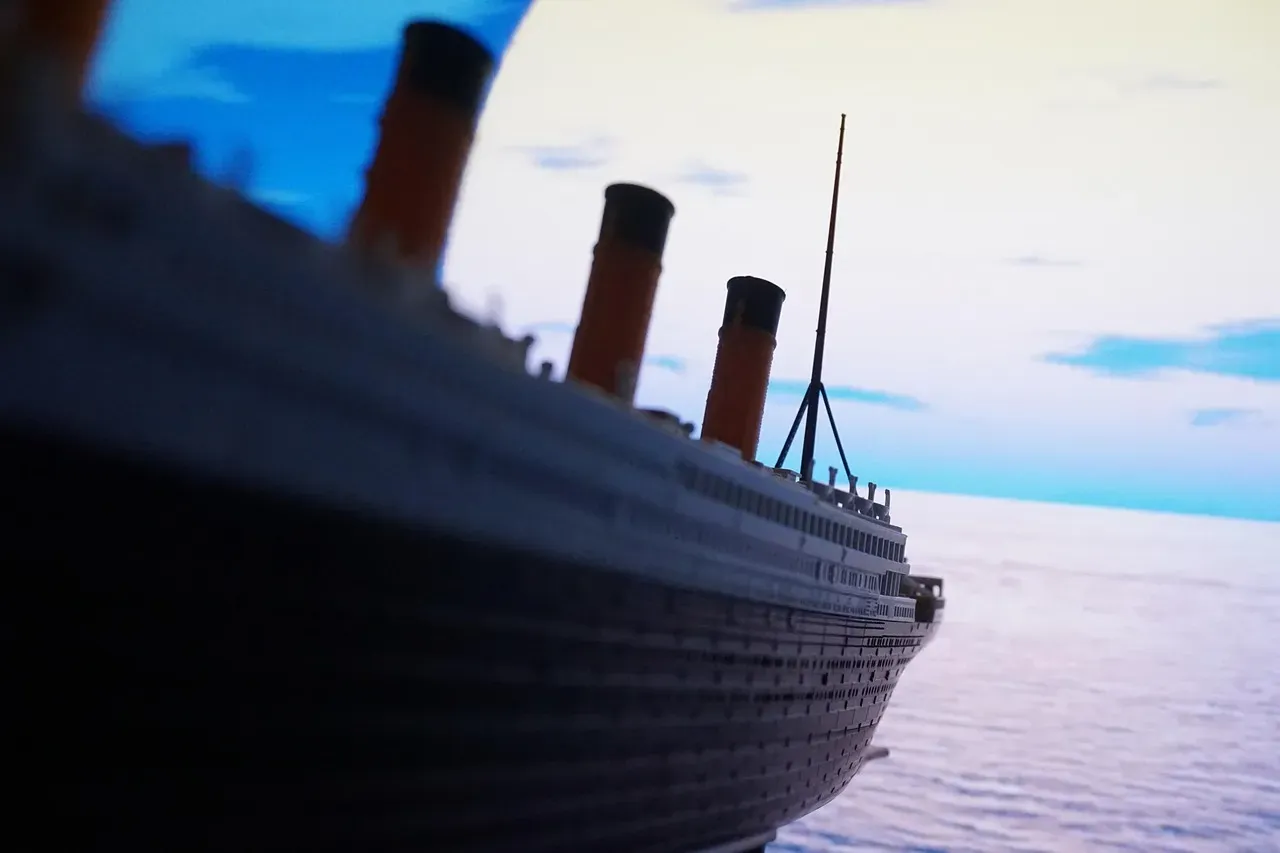
Some people seem to attract disaster. Violet Jessop was one of them, except she always walked away. In 1911, while Jessop was working aboard the White Star liner RMS Olympic, the huge passenger ship collided with the HMS Hawke near the Isle of Wight. Although both ships sustained considerable damage, the Olympic made it back to port, and Jessop disembarked without injury. Two years later, she accepted a job on board White Star’s theoretically unsinkable RMS Titanic. She escaped the ship’s sinking on April 15, 1912, in Lifeboat 16.
One shipwreck would be enough for most people to retire. Not Jessop. Having survived that disaster, she served as a nurse on board the HMHS Britannic, operating in the Aegean Sea during World War I. In 1916, the ship ran into a mine planted by a German U-boat and began sinking; Jessop jumped overboard but was sucked under the ship’s keel as it went down. She sustained a skull fracture, but lived to tell about her multiple brushes with death at sea. Three of the most famous maritime disasters in history, and she walked away from all three. Let that sink in.
9. Poon Lim: Alone on a Life Raft in the Atlantic for 133 Days

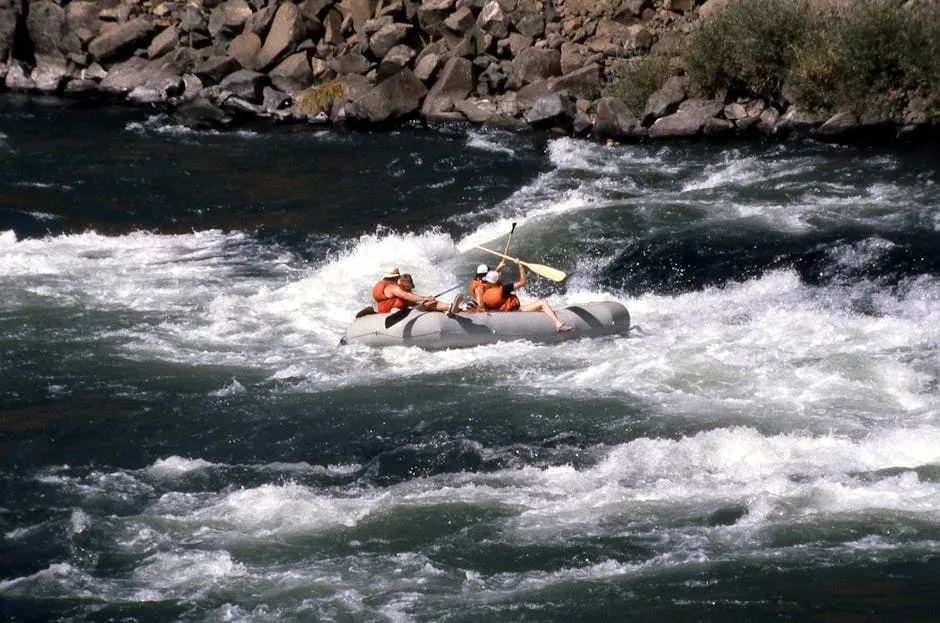
The number alone is staggering. Nearly four and a half months. Alone. On a raft. In the open ocean. Poon Lim, a Chinese sailor, holds the world record for the longest time spent adrift at sea, having survived 133 days alone in the Atlantic Ocean during World War II. After his ship was torpedoed by a German U-boat, Poon managed to escape onto a life raft equipped with limited supplies. With incredible ingenuity, he crafted a makeshift fishing line, a knife from a biscuit tin, and a water still to distill saltwater.
Poon subsisted on fish, birds, and even sharks while enduring extreme weather conditions and near-encounters with enemy submarines. He was eventually rescued by Brazilian fishermen, his remarkable tale serving as an inspiration to all who face seemingly insurmountable odds. Think about what 133 days alone at sea does to a person physically and mentally. It is almost beyond comprehension. Yet Poon Lim not only survived but reportedly told rescuers he was confident he could have lasted even longer. Whether that was bravado or genuine conviction, the record speaks for itself.
The Takeaway: Truth Really Is Stranger Than Fiction
What unites every person on this list is something that no novelist could reliably manufacture: the absolute refusal to accept that the story is over. Onoda refused to believe a war had ended. Shackleton refused to leave a single man behind. Glass refused to die in the wilderness. Poon Lim refused to stop improvising. There is a thread of almost unreasonable stubbornness running through every single one of these lives.
It’s hard to say for sure what separates those who survive the unsurvivable from those who don’t. Maybe it’s training, maybe it’s luck, maybe it’s something wired deep in the brain. Survival stories are both thrilling and terrifying. Many people don’t understand the full extent of their abilities until they find themselves in life-or-death situations and are forced to think on their feet. What these nine lives remind us is that reality, at its most extreme, operates on a scale that fiction has never quite managed to match.
Which of these stories shocked you most? Drop your thoughts in the comments below.