Most people picture beach towns as places of escape. Sunscreen, flip-flops, maybe an overpriced ice cream cone. What they rarely picture is a recording studio that changed the sound of American soul, or a small seafront bar that launched one of the greatest rock careers in history.
The truth is, some of the most powerful music ever made didn’t come out of Los Angeles or New York. It came from places where the waves hit the shore and the humidity soaked into everything, including the music. These are the towns that shaped genres, launched legends, and kept right on playing long after the world moved on. Let’s dive in.
Asbury Park, New Jersey: The Jersey Shore Sound That Shook the World
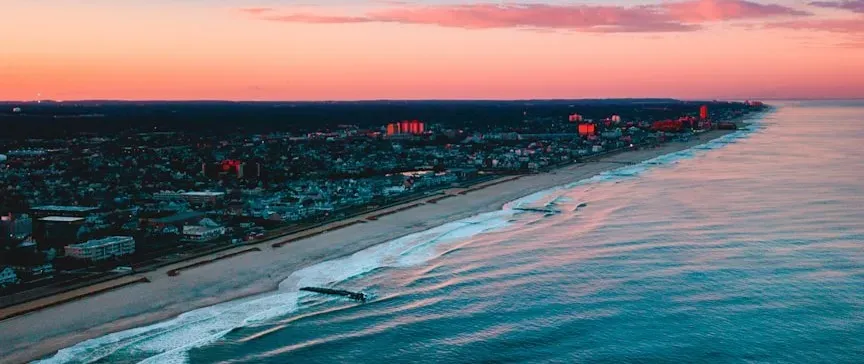
If you’ve never stood on the boardwalk at Asbury Park, it’s hard to explain the feeling. There’s something electric in the air, something that makes you want to believe that talent is enough to change your life. That feeling has roots. Asbury Park may seem like just another charming seaside town, but it’s actually the birthplace of a sound that shook rock history, and the legendary Stone Pony club became a launchpad for Bruce Springsteen and countless other artists, turning local bars into hallowed ground for music lovers.
The Stone Pony is a music venue in Asbury Park, New Jersey, known for launching the careers of several New Jersey music legends, including Bruce Springsteen, Jon Bon Jovi, and Southside Johnny and the Asbury Jukes. Springsteen, of course, didn’t just come from here. He named his debut album after this town. That debut studio album, “Greetings from Asbury Park, N.J.,” was released on January 5, 1973, through Columbia Records, to average sales but a positive critical reception.
In February 1974, the Stone Pony, a music venue and bar, opened on Ocean Avenue in Asbury Park, and Springsteen played there regularly. Several years later, in the early 1980s, Springsteen also met his second and current wife Patti Scialfa at the Stone Pony during her performance there. The town’s story is inseparable from the music. In the 1970s, the Jersey Shore sound, an energetic blend of rock, pop, and R&B, echoed along the boardwalk, drawing crowds from far and wide, and the Asbury Park Music and Film Festival now draws fans from across the country, celebrating this deep-rooted musical legacy.
In September 2024, Bruce Springsteen and the E Street Band delivered an already legendary live set beside the Atlantic Ocean in Asbury Park at the Sea.Hear.Now Festival, playing a special 30-song set featuring hits like “Born to Run” and “Dancing in the Dark” but also such rarely played early songs as “Blinded by the Light” and “4th of July, Asbury Park (Sandy).” It proved this town still has the same magic it always did.
Muscle Shoals, Alabama: The Unlikely Soul Capital of America
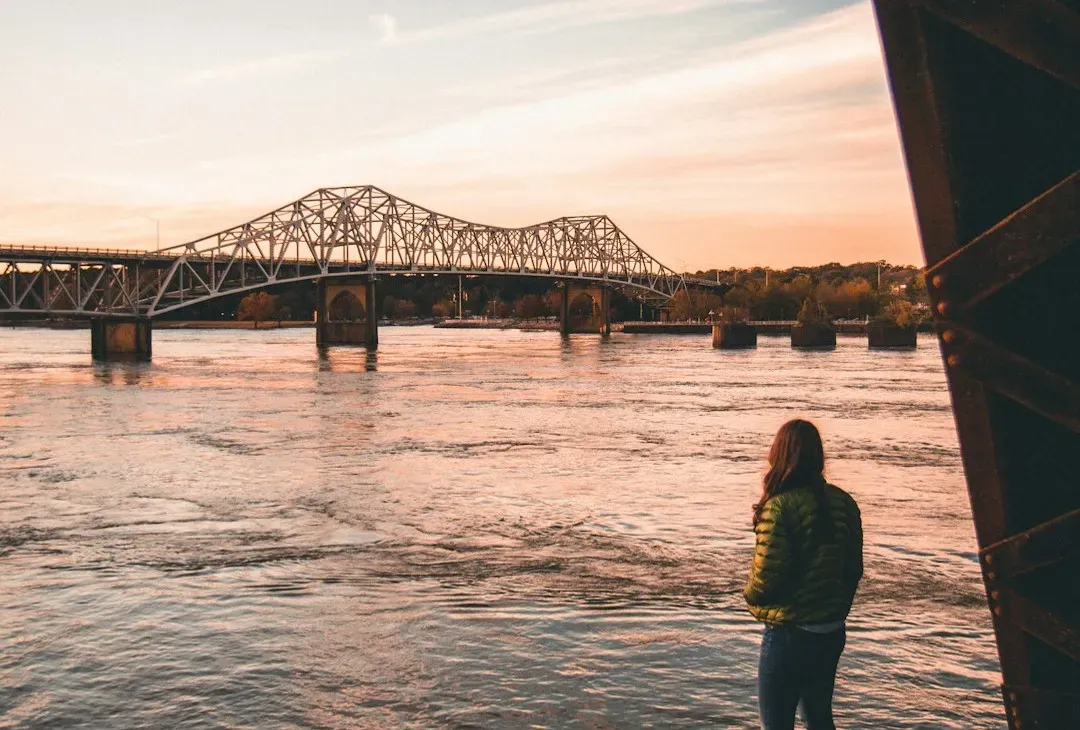
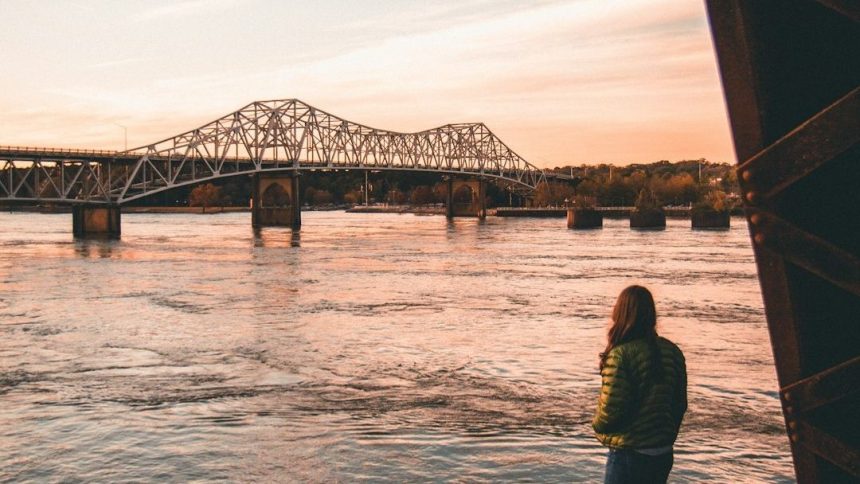
Here’s the thing. If you look at a map and try to find Muscle Shoals, you’d never guess in a million years that this small Alabama town along the Tennessee River became the recording center that changed American music forever. Honestly, it sounds crazy. But it happened.
It was Rick Hall, a music industry legend, that put Muscle Shoals on the map by opening FAME Studios in the 1960s, and some of the country’s biggest artists eventually recorded there, including Aretha Franklin, Otis Redding, Cher, and the Rolling Stones. The studio had a remarkable secret weapon. The Muscle Shoals Rhythm Section was one of the most prominent American studio house bands from the 1960s to the 1980s, associated with more than 500 recordings, including 75 gold and platinum hits. They were masters at creating a southern combination of R&B, soul, and country music known as the “Muscle Shoals sound.”
FAME Music, established in 1959, was the first successful professional recording studio in Alabama and is the birthplace of the Muscle Shoals Sound. During the studio’s half-century history, rhythm and blues, pop, and country releases from FAME have sold more than 300 million copies worldwide. That is a staggering number for a town that most Americans couldn’t find on a map.
In 1969, The Swampers left FAME to set up their own studio just a few miles down the road, the Muscle Shoals Sound Studio, bringing a second musical hotspot to the small town. The Black Keys even recorded their Grammy-winning album “Brothers” at the MSS Studio in 2009. The legacy goes on and on, generation after generation.
Myrtle Beach, South Carolina: The Birthplace of Beach Music and the Shag
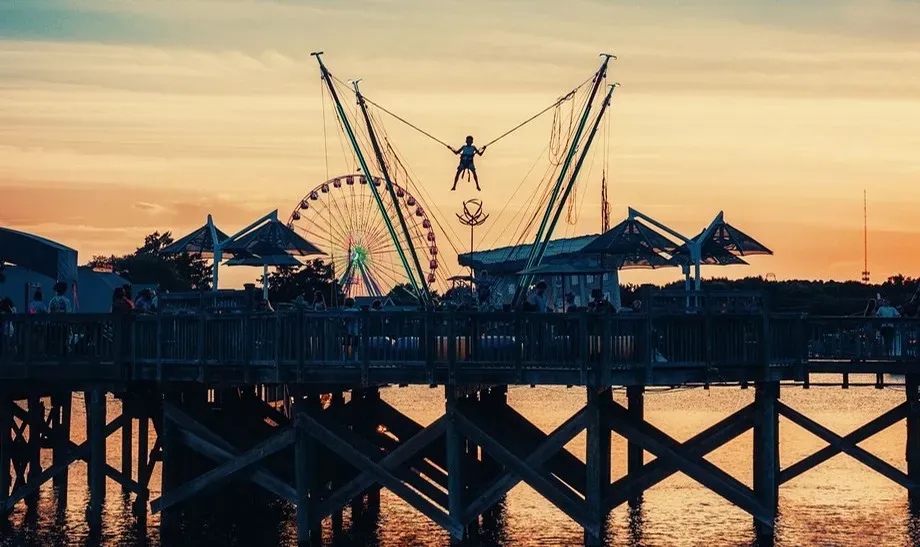
When most people hear “Myrtle Beach,” they think golf courses and souvenir shops. Fair enough. But Myrtle Beach has a musical identity so specific and so beloved that it practically has its own subculture, built around a genre called “beach music” and a dance that’s been passed from grandparents to grandchildren for decades.
Myrtle Beach might conjure images of sun and surf, but it’s also the cradle of “beach music,” a genre rooted in R&B and beloved for its feel-good vibes, and the “shag” dance, which originated here, remains a staple at local clubs and festivals, connecting generations through movement and song. Think of it like a living tradition, like bluegrass in the mountains, except here the mountains are sand dunes.
The Carolina Beach Music Awards celebrate this unique sound, recognizing artists who keep the tradition alive, and with over 14 million visitors each year, Myrtle Beach’s rich musical culture plays a major role in its popularity. That’s not a small number. That’s a musical identity sustaining an entire tourism economy.
Live music venues dot the coastline, offering everything from classic tunes to contemporary hits, and the town’s dedication to preserving its musical roots ensures that beach music continues to thrive. Very few beach towns can claim a genre that is entirely, unarguably their own. Myrtle Beach can.
Brighton, England: Punk, Big Beat, and a Coastline That Breeds Rebels
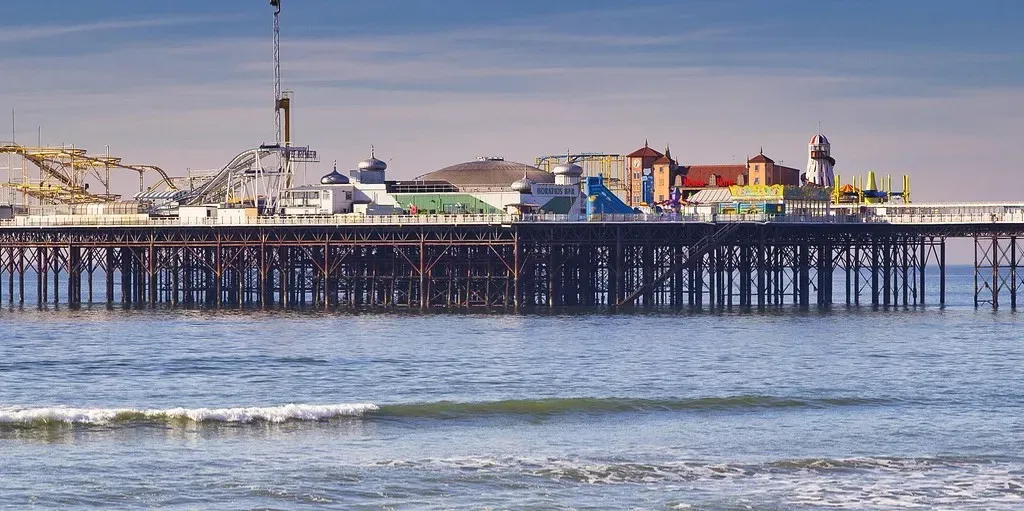
Brighton sits on England’s southern coast, a couple of hours from London by train, and it has always attracted the kinds of people who want to be somewhere slightly outside the mainstream. That restless energy has been producing music for well over a century. And not just any music.
From the Hippodrome to the Pavilion to the Corn Exchange, Brighton’s love for music is deep-rooted in the city’s history, and Brighton was a byword for hedonism long before big beat became the city’s biggest export. It was the sea that made it so, sea bathing being all the rage among the 18th century elite. Eventually, that hedonistic culture gave birth to something far more interesting than beach parties.
Brighton became synonymous with the mods, an association that vivid images of fighting on the beaches in May 1964 and the Who’s Brighton-set “Quadrophenia” (1973) have set in stone, though Brighton’s punk and post-punk scene is a lesser-known story. Formed in 2004, The Kooks quickly established themselves as one of Brighton’s most influential bands, blending catchy indie rock with the vibrant energy synonymous with the city’s bustling music scene.
The acclaimed On The Beach Festival returns to Brighton seafront for two big weekends with a mix of electronic, indie, rock, and alternative acts, having drawn more than 10,000 fans in 2024. Brighton keeps reinventing itself musically. It never sits still, which is exactly why it keeps producing legendary artists.
Montego Bay, Jamaica: Where Reggae Meets the Sea
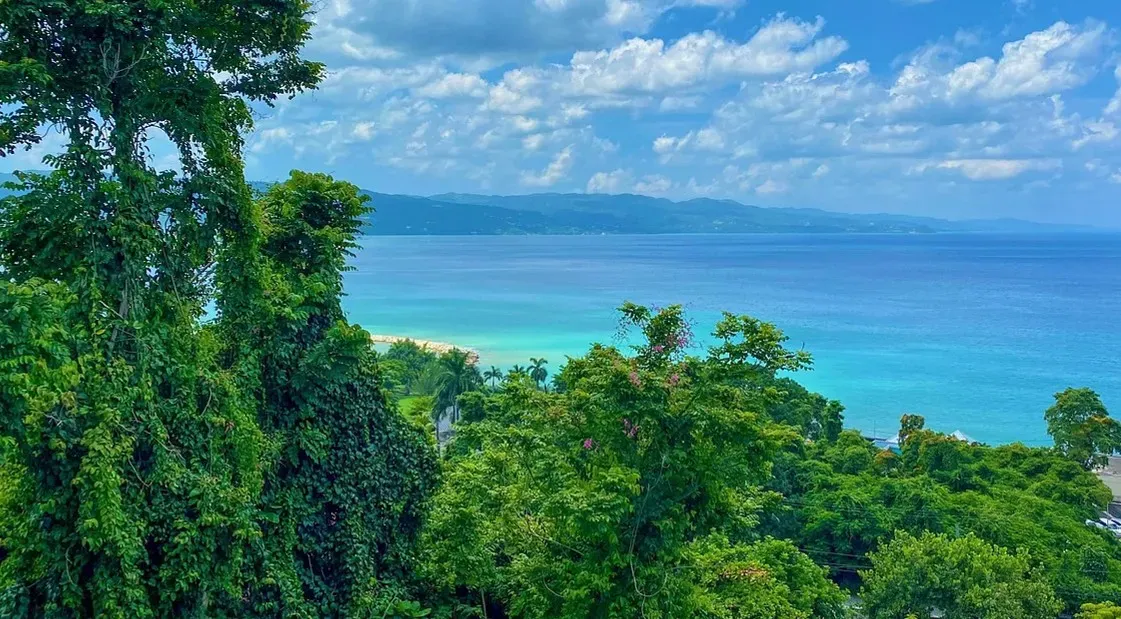
You can’t write an article about beach towns and music without including Montego Bay. It would be like writing about jazz without mentioning New Orleans. Reggae music didn’t just come from Jamaica in a vague, general sense. Much of it was built on its coastlines, in its beach communities, and it spread from there to influence nearly every genre that followed.
Reggae originated on the island of Jamaica in the late 1960s, adapted from earlier types of Jamaican music like ska and rocksteady, and influenced by other styles like American jazz, rhythm and blues, and calypso music. That blending process is something worth pausing on. It wasn’t one culture, it was dozens of cultures filtering through a Caribbean island and coming out as something entirely new.
Reggae music originated in Jamaica and has grown into a worldwide sensation, reflecting a fusion of different musical periods and types such as ska, rocksteady, mento, and jazz. Reggae can be spiritual, political, militant, hopeful and even romantic, and its presence can still be felt today, influencing genres such as punk, hip hop and rock through artists such as Eric Clapton, Sean Paul, Rihanna, Protoje, and Chronixx.
Reggae Sumfest is the largest music festival in Jamaica and the Caribbean, taking place each year in mid-July in Montego Bay, with Sumfest having started in 1993. Every July, Reggae Sumfest is held in Montego Bay, Jamaica, and it is the biggest gathering of reggae acts and fans in the world, with an estimated 30,000 people coming to share the vibes.
Newport, Rhode Island: The Town That Invented the Music Festival
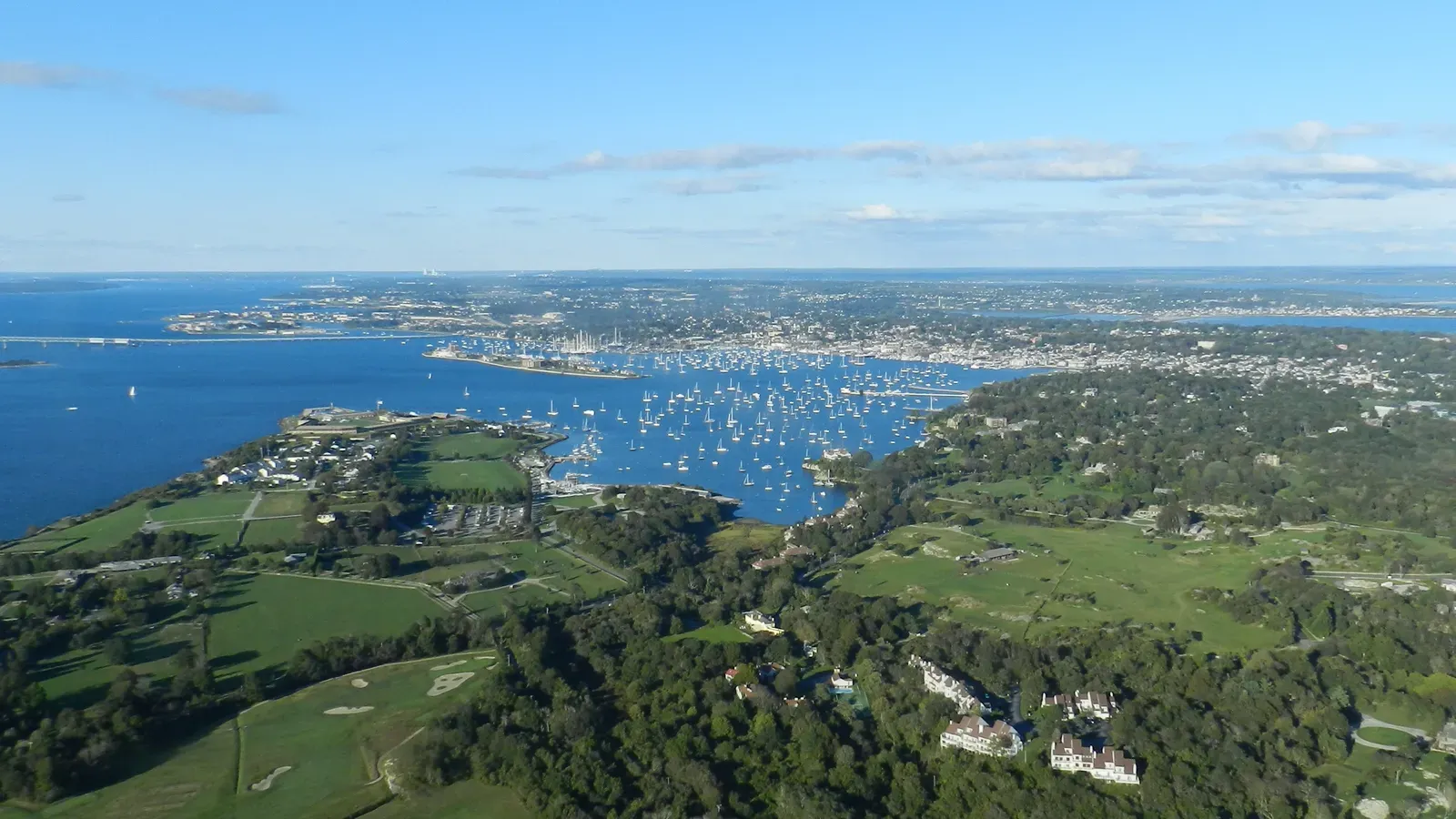
Newport is the kind of place that looks like a postcard. Sailboats in the harbor, sprawling mansions from the Gilded Age, cobblestone streets. It’s beautiful in a way that almost feels too polished. Which makes it all the more surprising that this town is where the modern outdoor music festival was essentially born.
For a city probably known best for its mansions, cliff walks, boating, and breathtaking coastal scenery, Newport, Rhode Island, isn’t typically considered a music destination, but live music has been a part of Newport since the 1800s and continues to thrive today. The 1800s. That’s not a typo.
It’s been documented that famed opera singers made Newport a part of their travels as far back as the early 1800s, and the Boston Symphony Orchestra played here in 1882, at a time when it was uncommon for them to play out of state. The Newport Jazz Festival was the first of its kind in America and featured legendary performers including Louis Armstrong, Ella Fitzgerald, Duke Ellington, and Miles Davis. The list of names who played Newport in its early years reads like a who’s who of music history.
I think Newport is one of those places that gets underestimated precisely because it looks so elegant. People assume elegance means formality. In Newport, it meant ambition. The ambition to create something the world had never seen before: a festival where the music and the ocean coexisted as one experience.
Laguna Beach, California: Folk-Rock, Surf, and the Spirit of the 1960s
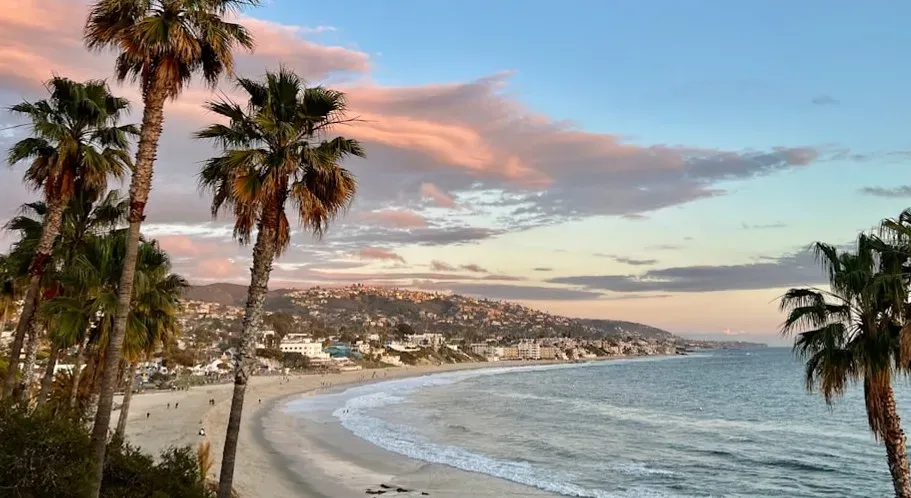
Laguna Beach has long attracted artists. Painters, sculptors, writers, all drawn to the cliffs and the light and the specific quality of a California afternoon. Musicians came too, and in the 1960s, the town became a quiet but significant player in the folk-rock movement that was reshaping American music.
Laguna Beach is more than just an artist’s retreat. It played a pivotal role in the folk-rock movements of the 1960s, and the area’s natural beauty and laid-back atmosphere drew artists like Joan Baez and The Beach Boys, who found inspiration in the rolling surf and sun-kissed cliffs. Something about the scenery there opens people up creatively. It’s not just a cliché. It’s documented.
The annual Laguna Beach Music Festival celebrates this creative legacy, offering performances that span genres and generations, and over the last five years, music tourism here has risen by roughly ten percent as fans seek to connect with the town’s storied past. That increase in music tourism says something real about how people value musical heritage when they travel.
Laguna Beach remains an incubator for local talent, with supportive venues and a tight-knit community driving innovation, and the town’s unique blend of art, music, and breathtaking scenery continues to inspire visitors and residents alike. There’s a reason the creative class keeps returning. It’s harder to explain than it is to feel.
Menton, France: The Riviera Town That Inspired Musical Giants
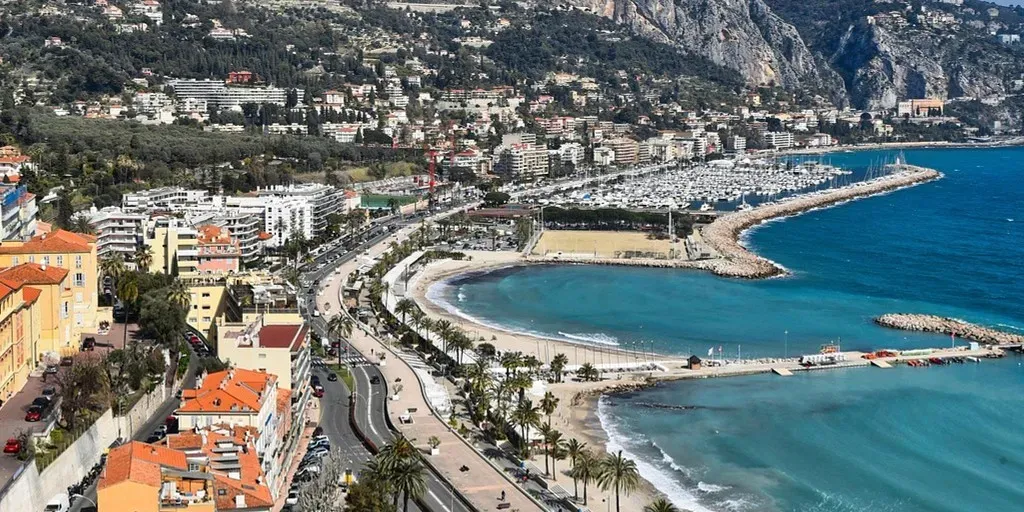
Most travelers who visit Menton are there for the lemons. Seriously. The town is famous for its lemon festival. But Menton has a far richer cultural identity than citrus might suggest, and its musical past is both surprising and genuinely moving when you look at who it has drawn over the centuries.
Nestled on the French Riviera, Menton is a serene town with a musical history that surprises many. Its idyllic climate and picturesque scenery have inspired classical composers like Gabriel Fauré, while its refined atmosphere attracted jazz legends such as Django Reinhardt. Django Reinhardt. In a beach town. That alone should give anyone pause.
The annual Menton Music Festival fills the town with performances ranging from classical to contemporary jazz, drawing artists from across the globe, and music tourism here has grown by roughly fifteen percent in just the last three years as more visitors discover its hidden treasures. That kind of growth doesn’t happen without real substance behind it.
Menton’s quiet charm provides a sanctuary for creativity, making it an unexpected yet essential stop for music lovers, and the town’s commitment to the arts ensures that both tradition and innovation are celebrated on its sunlit shores. It’s one of those rare places where the atmosphere itself seems to do half the creative work.
Montego Bay vs. Kingston: The Beach as a Stage
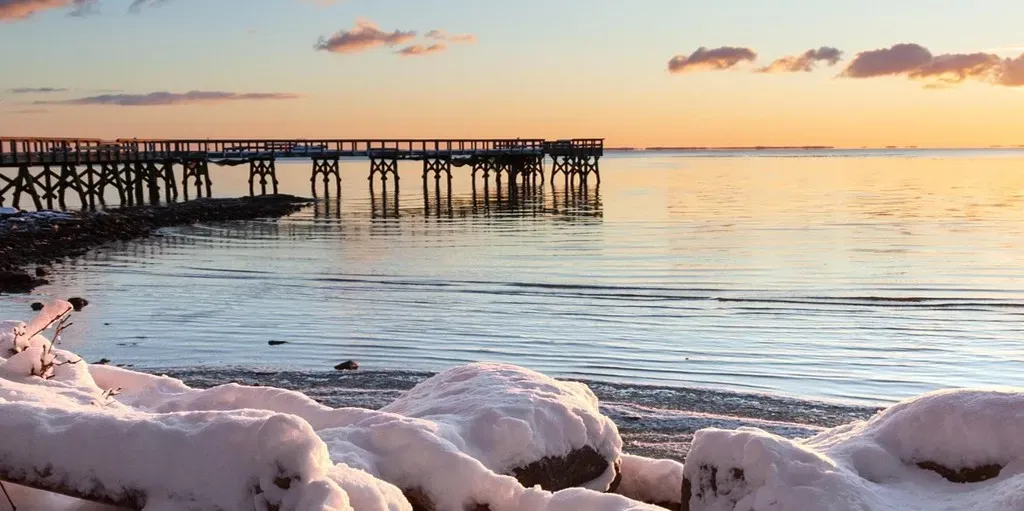
It’s worth zooming out for a moment and noting something fascinating about how beach geography shaped Jamaican music itself. The beach wasn’t just a backdrop. It was a stage. The open-air sound systems that birthed ska, reggae, and eventually dancehall were almost always near the water, using the natural acoustics of outdoor spaces before amplification became reliable.
The birth of ska was inextricably linked to Jamaica’s sound system culture. In the 1950s, mobile discos run by iconic figures like Duke Reid and Clement “Coxsone” Dodd would set up huge speakers in Kingston’s neighborhoods, blasting the latest records for massive outdoor street parties. Those street parties were essentially the first outdoor music festivals, long before Newport or Woodstock.
As a British colony and important trading post in the Caribbean, Jamaica is something of a cultural crossroads. Besides their own folk styles, the locals would have heard English gospel music, sea shanties, calypso, and meringue from other Caribbean islands, even jazz and R&B from the United States. All would go on to influence reggae music.
It’s hard to say for sure whether the ocean itself played a role in the openness of Jamaican music to outside influences. But geographically, an island absorbs the world differently than a landlocked town does. Every visiting sailor and trader brought music with them. The beach was the entry point.
Brighton’s Great Escape and the Future of Beach Town Music Culture
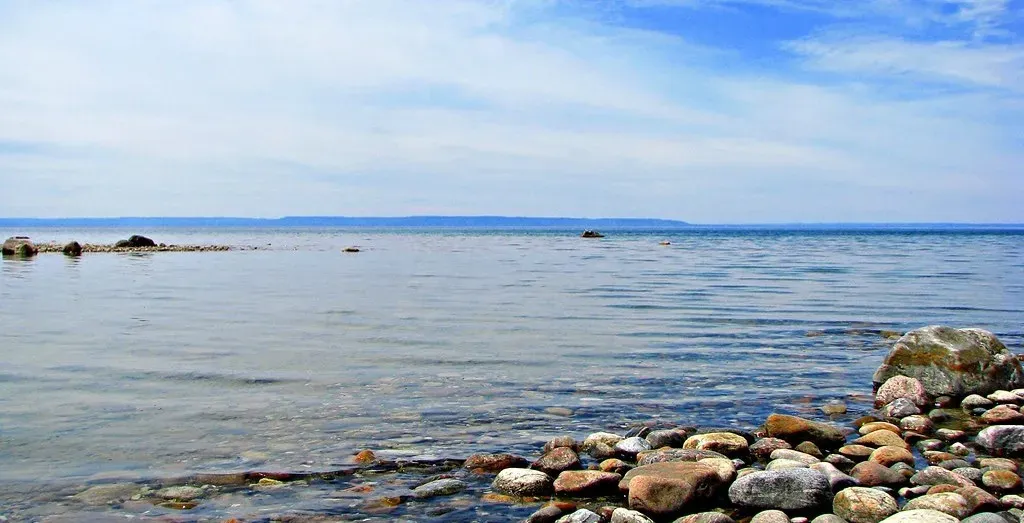
Let’s bring it back to something happening right now, in 2026. The Great Escape Festival in Brighton is one of the best examples of how a beach town can continue to be a launching pad for new music rather than just a museum to its past. This Brighton showcase extravaganza brings in more than 400 artists to more than 30 venues for a weekend of musical discovery, with spotlight shows, secret gigs, club nights, and spontaneous collaborations all part of the packed weekend.
That’s remarkable for a seaside town. Imagine 400 acts spread across 30 venues all within walking distance of the English Channel. It’s the musical equivalent of a small city suddenly turning up the volume on everything all at once. Brighton was also where the Bella Union label was founded in 1997 by the Cocteau Twins’ Simon Raymonde and Robin Guthrie, and the town provided inspiration for the dreamy trip hop of Morcheeba.
What all these towns share is something that goes beyond geography. They all cultivated a specific local identity, a sense that the music made there could only have been made there. In an era of streaming platforms and global homogenization, that sense of musical place feels more valuable than ever. Whether it’s the Jersey Shore sound, the Muscle Shoals groove, or the Brighton indie energy, these beach towns have proven that proximity to the water doesn’t wash anything away. Sometimes, it makes the music stick harder.
What’s the most surprising musical history you’ve discovered in a place you least expected? Tell us in the comments.