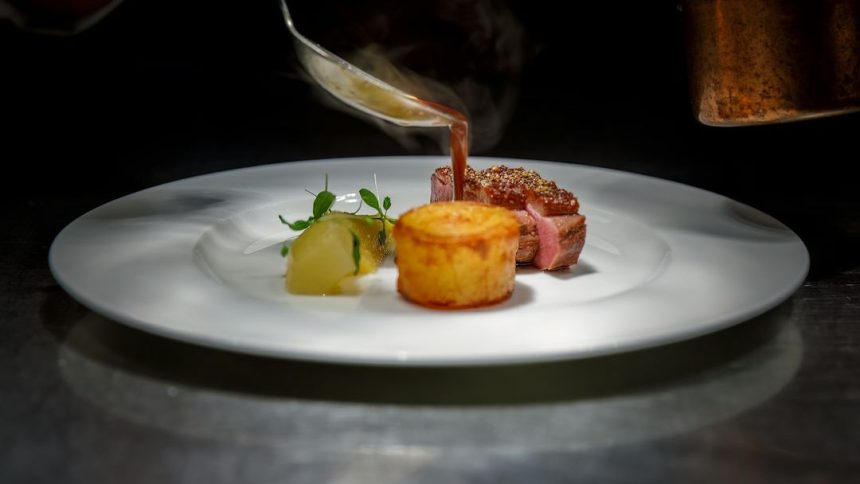
There was a time when the phrase “local’s special” conjured images of a handwritten chalkboard, a 12-dollar plate of something comforting, and a waiter who knew your name. Nothing fancy. Nothing particularly Instagrammable. Just food that felt like it belonged somewhere specific, to someone specific. Somewhere along the way, that whole idea got lost inside the gleaming machinery of chain restaurants, predictable buffet lines, and global menus engineered to offend nobody.
Now, in 2026, something fascinating is happening. The “local’s special” is roaring back, and this time it’s showing up in places no one quite expected – draped in white tablecloths, paired with natural wine, and served in restaurants that charge what a mid-range flight used to cost. Let’s dive in.
The Fine Dining Market Is Bigger Than You Think
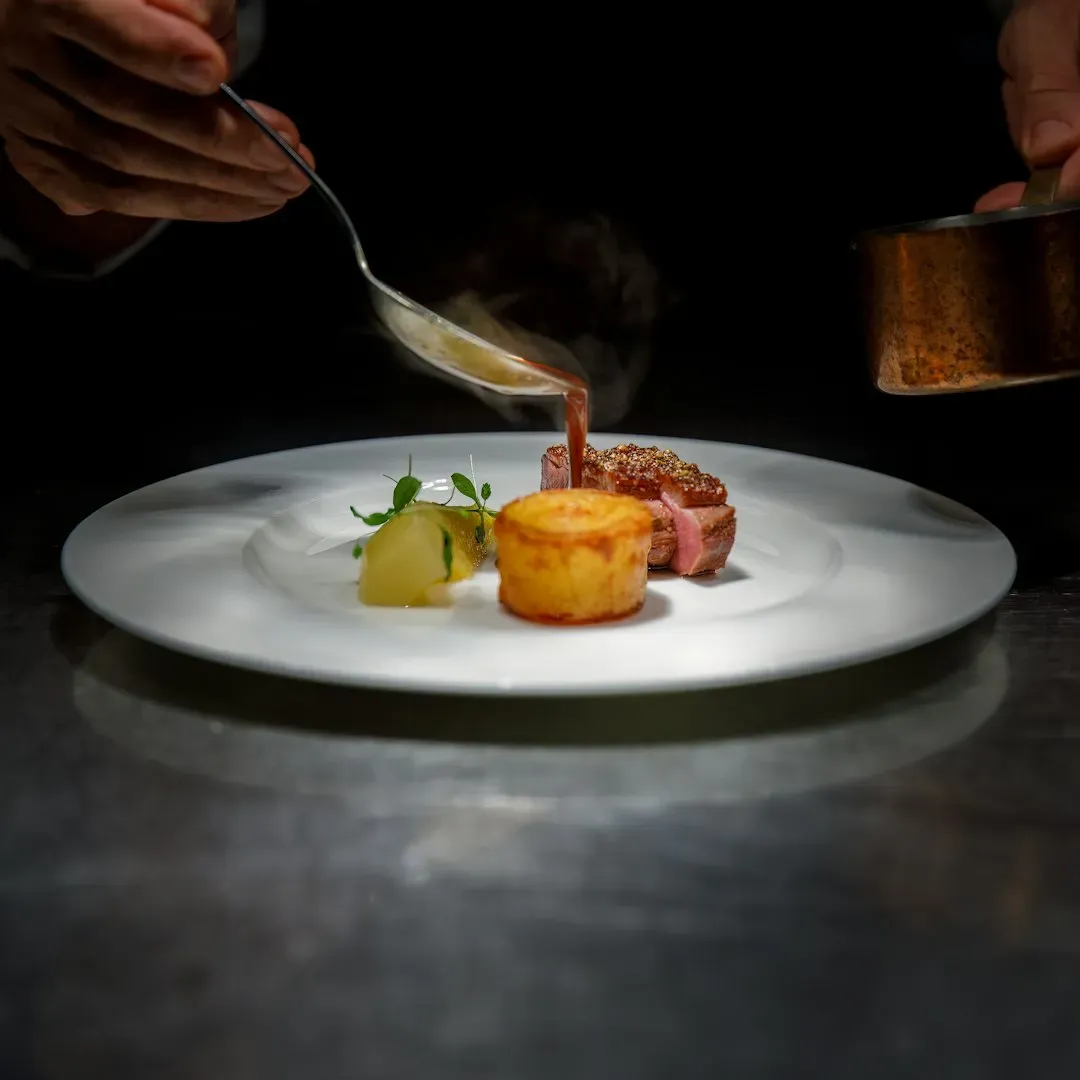
Before we get into the “local” part of all this, let’s understand the arena we’re talking about. The fine dining restaurants market reached an estimated $166.9 billion globally in 2024 and is projected to grow to $243.2 billion by 2030, representing a robust 6.5% compound annual growth rate during that period. That’s not niche. That’s not a side note. That is a full-on industry renaissance playing out in real time.
According to IBIS World, the U.S. fine dining segment alone generated $16.7 billion in total revenue across 4,688 locations in 2024, putting the average annual revenue per restaurant at approximately $3.56 million. Think about that for a second. Fewer than 5,000 locations, yet billions in revenue. These are not mass-market operations chasing volume – they are precision instruments of hospitality, chasing meaning.
This growth is driven by rising disposable incomes in urban areas and a stronger appetite for luxury dining experiences, especially among high-net-worth individuals – with roughly seven in ten in the Asia-Pacific region and more than half in Europe indicating an increase in fine dining spending. The people with money to spend are choosing to spend it at the table. And increasingly, they want that table to feel like it belongs to somewhere specific.
Why Diners Are Tired of Eating Everywhere and Nowhere
Here’s the thing about globalized menus: they’re impressive until they aren’t. When you can find the same truffle pasta, the same edamame starter, and the same deconstructed cheesecake in London, Dubai, and Dallas, the novelty collapses. According to Menu Matters’ survey of consumers, the one overriding need state heading into 2025 was “just give me something new,” with 39% of consumers reporting they are more hopeful and optimistic and actively looking for more newness on menus.
About eight in ten diners eat out specifically to try dishes they can’t easily replicate at home, making innovation and menu differentiation critical for fine dining success. This craving isn’t about gimmicks. It’s about genuine difference – food that carries a story, a postcode, a reason for existing in this particular kitchen and not another one three cities away.
According to the National Restaurant Association, nearly two-thirds of full-service diners value the overall dining experience more than price. People aren’t looking to get away from paying well. They simply want to feel like what they’re paying for is irreplaceable. That is exactly what a well-executed local’s special delivers.
Hyper-Local Sourcing Is Now a Prestige Signal
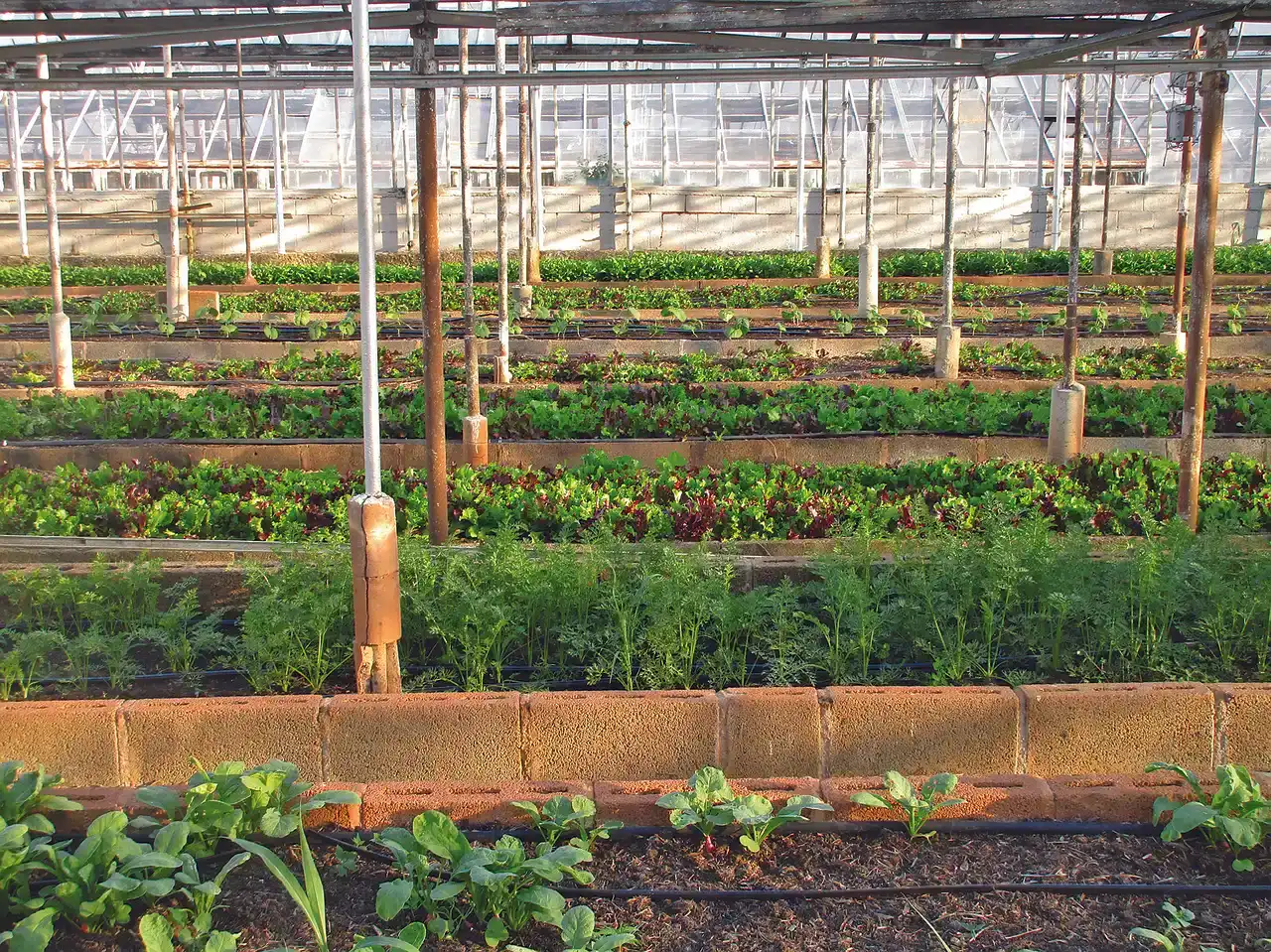
For a while, “farm-to-table” felt like marketing language that had been stretched so thin it meant almost nothing. Honest chefs would privately roll their eyes. Now though, something more serious has replaced it. The adoption of hyper-local and regenerative sourcing practices is becoming a decisive factor for establishment prestige and patron loyalty, with fine dining operators going beyond standard farm-to-table claims by partnering with producers who utilize regenerative agriculture to restore soil health, thereby securing ingredients with superior flavor profiles and unique environmental stories.
Restaurants embraced hyper-local sourcing more than ever in 2024, strengthening relationships with nearby farmers and producers – this not only boosted local economies but also ensured fresher, more sustainable ingredients, and diners appreciated knowing exactly where their food came from. That emotional connection between diner and ingredient source is not a soft, feel-good bonus anymore. It is a hard competitive advantage.
The National Restaurant Association named “Sustainability and Local Sourcing” as the number one trend in its “What’s Hot 2025 Culinary Trend Forecast,” with the chefs and industry professionals surveyed identifying restaurants’ commitment to sustainability as the leading trend impacting where consumers choose to eat out. When the industry’s biggest professional body puts locality at the very top of the list, you know the shift is real.
The Numbers on Experience Are Hard to Ignore
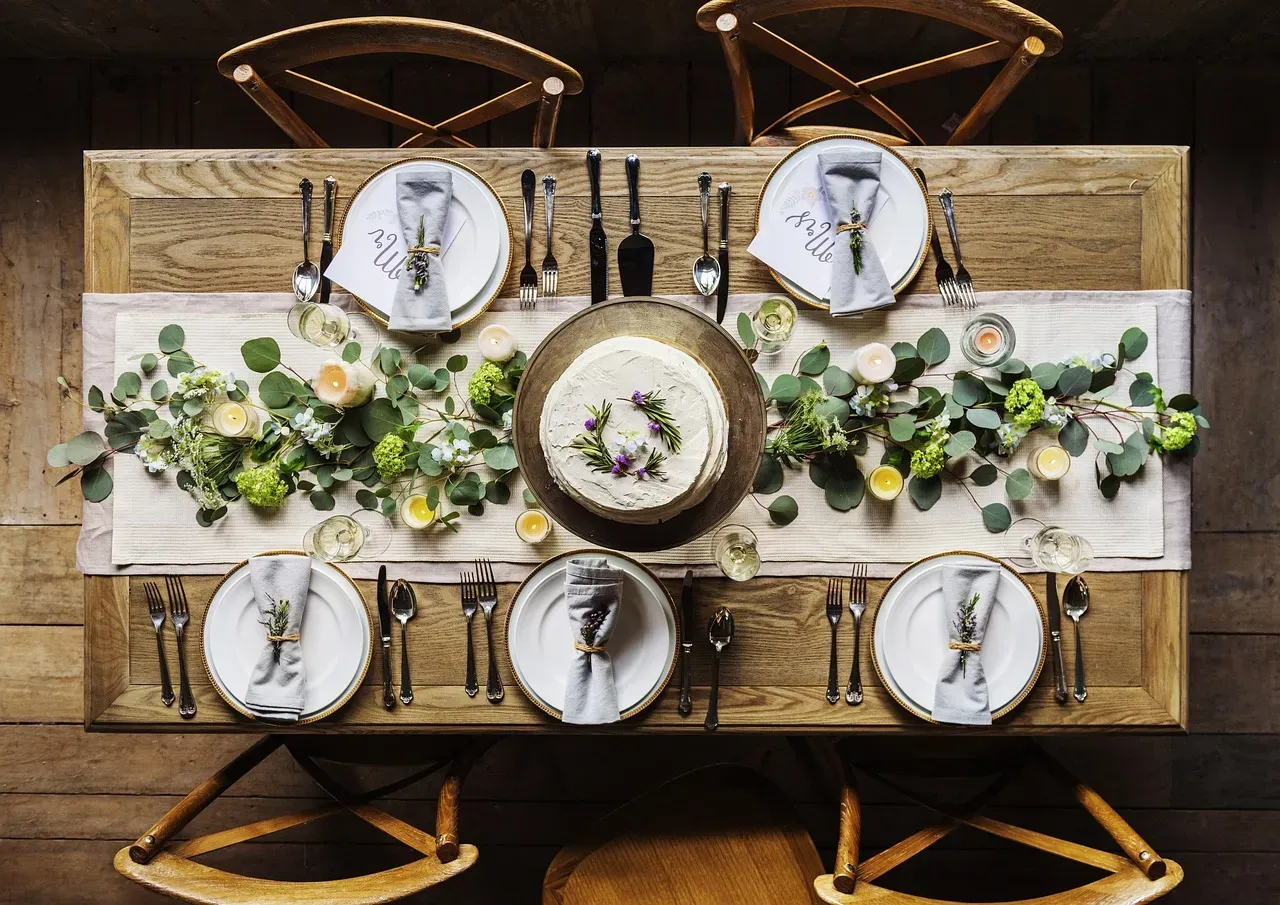
What transforms a locally sourced dish from a menu item into a “local’s special” is the experience built around it. OpenTable data shows a 27% increase in Experience dining year-over-year, with 42% of people saying they’ll seek out experiential dining more frequently in 2025, and tasting menus remain the most sought-after dining experience, followed closely by dinner-and-show combinations. These are enormous numbers for a trend that some industry watchers only a few years ago were calling a passing phase.
Key statistics from Datassential’s trend reports show that 55% of consumers admit that when choosing where to dine out, they’re more concerned with the overall experience than the food itself, and consumers are most likely to gravitate toward experiential dining when celebrating a special occasion, with 66% listing that as their top reason for seeking it out. So the “local’s special,” when staged with intentionality, hits right in the center of why people are actually walking through the door in the first place.
A report by SevenRooms found that 74% of diners are more likely to return after a unique or memorable dining experience – which could mean a themed tasting menu, standout service touches, or simply being greeted by name. Returning customers, built not on loyalty points or apps, but on genuine memory. That’s the quiet power of getting the local experience right.
Independent Restaurants Are Leading the Charge
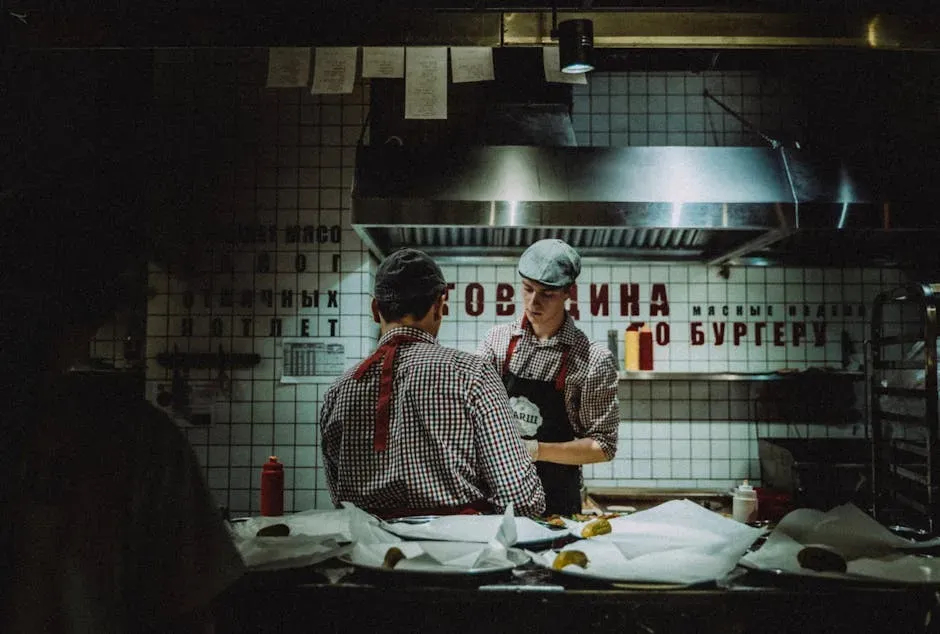
Honestly, you wouldn’t expect multinational chains to pioneer the comeback of the local’s special. The math doesn’t work for them. You can’t franchise authenticity. An important data point here: 81% of fine dining guests prefer independent establishments over upscale national chains. That’s a near-consensus preference, and it tells you something profound about what people are hungry for beyond the plate itself.
Independent restaurants are adapting to rising costs, staffing challenges, and shifting diner behaviors, and the James Beard Foundation’s 2025 report – drawing on a national survey of more than 350 industry professionals and interviews with over 50 chefs and operators – outlines four major trends shaping the year: guest spending, guest connection, staffing, and business model experimentation. The most agile and most beloved places right now are the ones reinventing what they can offer, not just what they can serve.
More than 85% of restaurants surveyed tested at least one non-traditional business model in 2024, from pop-ups and prepaid dining to event spaces and revenue-based leases, with operators rethinking what a restaurant can be. A local’s special fits neatly into this reinvention mindset. It’s a format that rewards creativity, rewards the specific, and makes the most of a chef’s deepest knowledge: what grows nearby right now.
Scarcity and Storytelling Are the New Menu Design
There’s something almost counterintuitive happening at the high end of dining right now. Instead of offering more, the most coveted restaurants are offering less – but making that less feel utterly irreplaceable. Limited-time-only menus generate urgency, prompting customers to visit immediately rather than postponing. In a world where everything feels available on-demand, scarcity is a genuinely powerful emotional trigger.
Some restaurants have introduced “know your fisherman” programs that follow the same logic as “know your farmer” initiatives, displaying photos of fishing boats, the captains’ names, and the dates of catches, so customers connect emotionally with their food sources. This is storytelling as culinary strategy, and it works. Think of it like the difference between buying a mass-printed poster and buying a painting from someone who explained to you, face-to-face, why they painted it.
The growth of global culinary tourism is providing a critical revenue stream, as travelers increasingly design their itineraries around securing reservations at prestigious restaurants, elevating fine dining to a central element of the destination experience and prompting operators to develop culturally immersive and authentic offerings for international visitors. A truly compelling local’s special is essentially a destination in itself. People will travel for it.
What “Cheap Fancy” Tells Us About Where This Is All Going
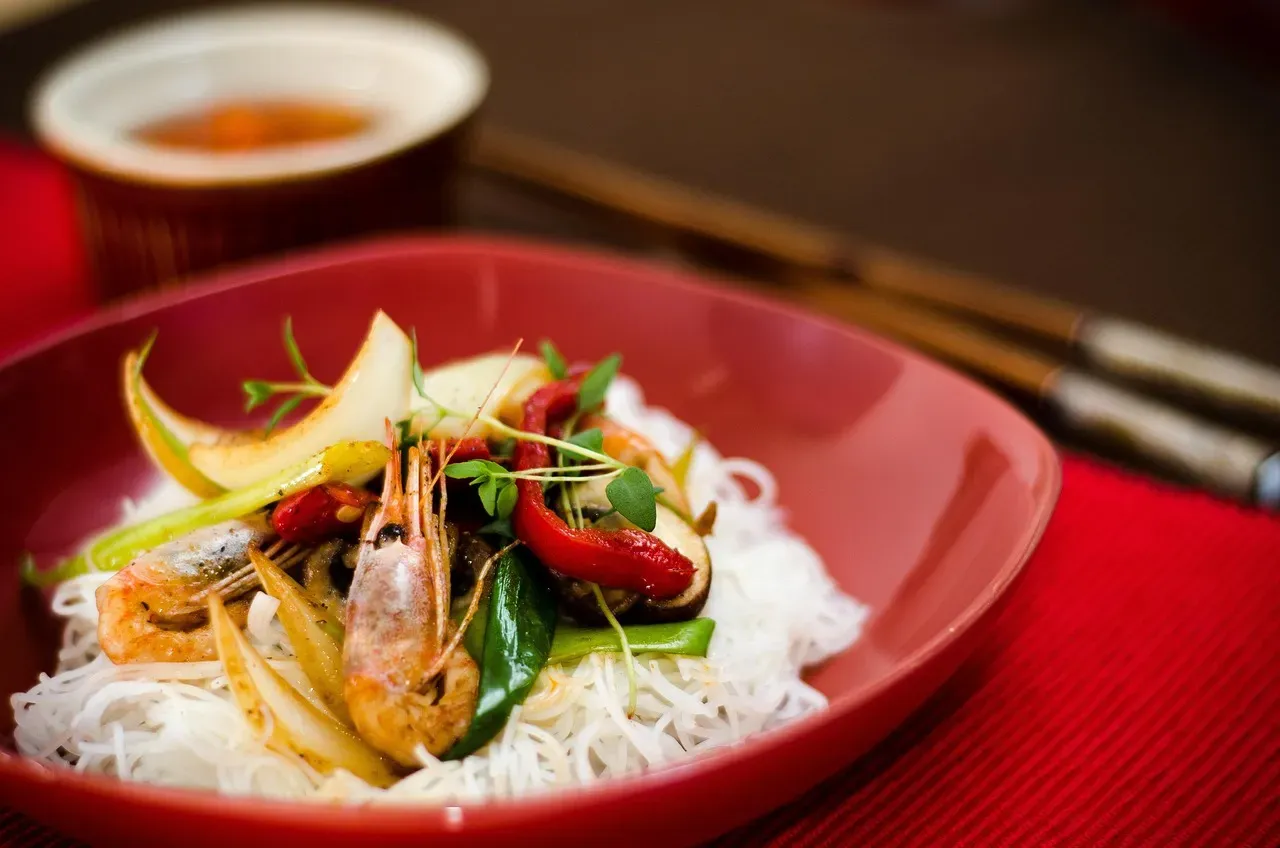
The comeback of the local’s special isn’t happening in a vacuum. It’s happening inside a larger economic reality that has squeezed both operators and diners. Chefs report that guests want “cheap fancy” – high-quality experiences at justifiable prices – and are increasingly skipping high-margin extras like alcohol, appetizers, and desserts. This is not a contradiction. It’s a recalibration. People are willing to spend thoughtfully, but they want to feel that every dollar is justified.
Inflation has reshaped consumers’ dining habits, with guests still wanting to eat out but in more rational, budget-conscious ways. After sharp price hikes in 2025, the trend is reversing in 2026, with more affordable concepts and menus attracting wider audiences, and even fine dining chefs exploring more accessible offers. The “local’s special” is, in many ways, the perfect answer to this tension – it is premium, but it is justified. The story behind it earns the price tag.
Americans are more selective about where they spend, but they’re willing to splurge – if the experience is worth it. That conditional “if” is doing a lot of work in modern dining. The local’s special, done right, answers that if every single time. It is by definition unrepeatable, unreplicable, and rooted in something real.
Social Media Is Fueling the Revival Whether Chefs Like It or Not
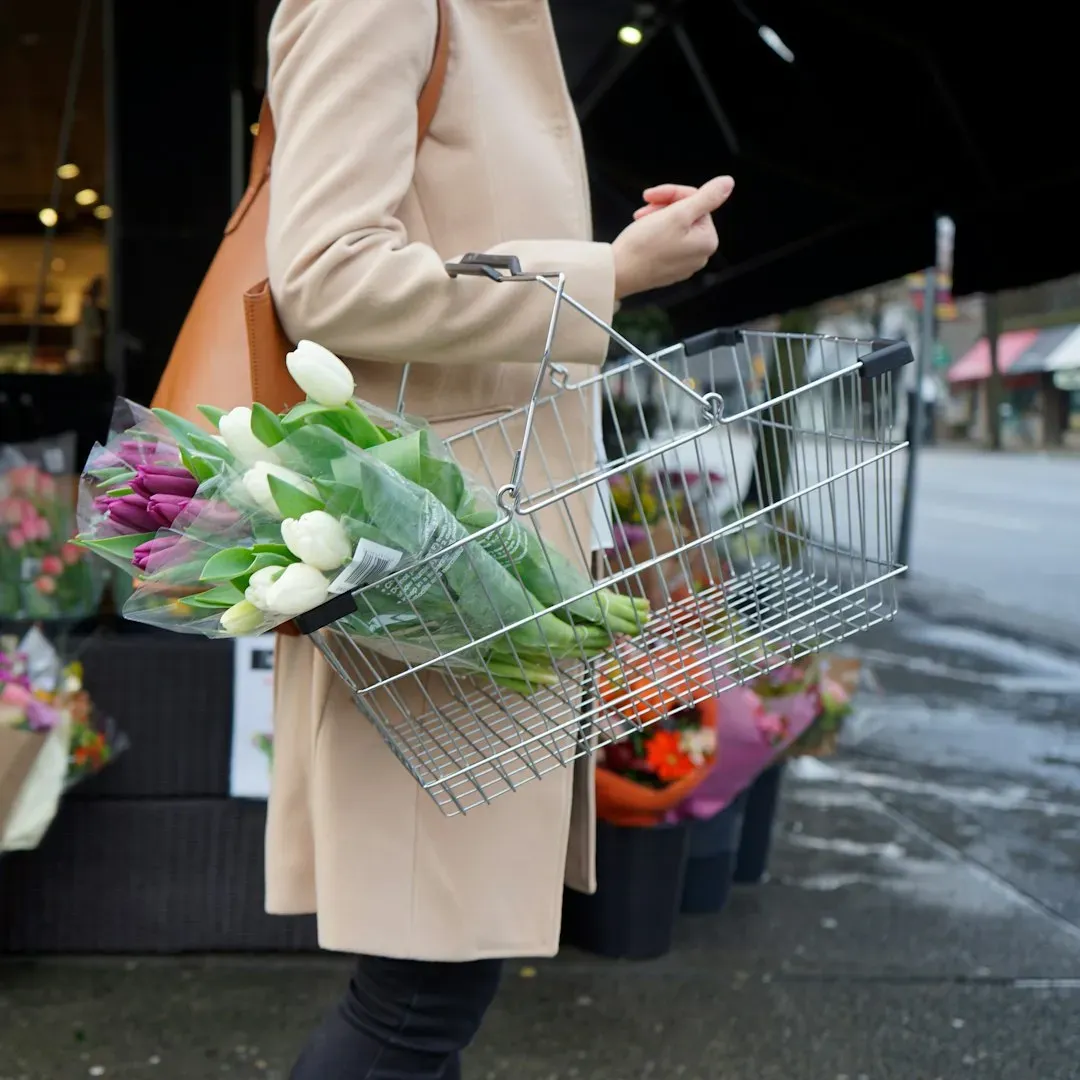
It would be naive to discuss any dining trend in 2026 without acknowledging the enormous role that visual platforms play in shaping what gets ordered and what gets celebrated. According to recent consumer data, 88% of diners trust online reviews as much as personal recommendations, and 74% choose where to eat based on social media. A local’s special that is beautifully plated, carries a compelling origin story, and lands in someone’s feed is a marketing event – not just a dish.
Instagram drives menu development now, with visual appeal mattering as much as flavor for social media success. There is a valid argument that this has pushed some chefs toward theatrics over substance – and that critique is worth taking seriously. A local’s special propped up entirely on aesthetics and no real terroir behind it is just cosplay. The real ones can withstand the scrutiny of someone who asks where the mushrooms came from.
An OpenTable survey found that 87% of diners want to share special moments from unique dining experiences with friends and family – which tells us something important: people aren’t just buying food, they’re buying moments worth talking about. The local’s special, when it is genuine, becomes something people talk about long after the meal ends. That word-of-mouth, amplified across every platform imaginable, is arguably the most powerful engine of the trend’s revival.
The Fine Dining Guest Has Changed Profoundly
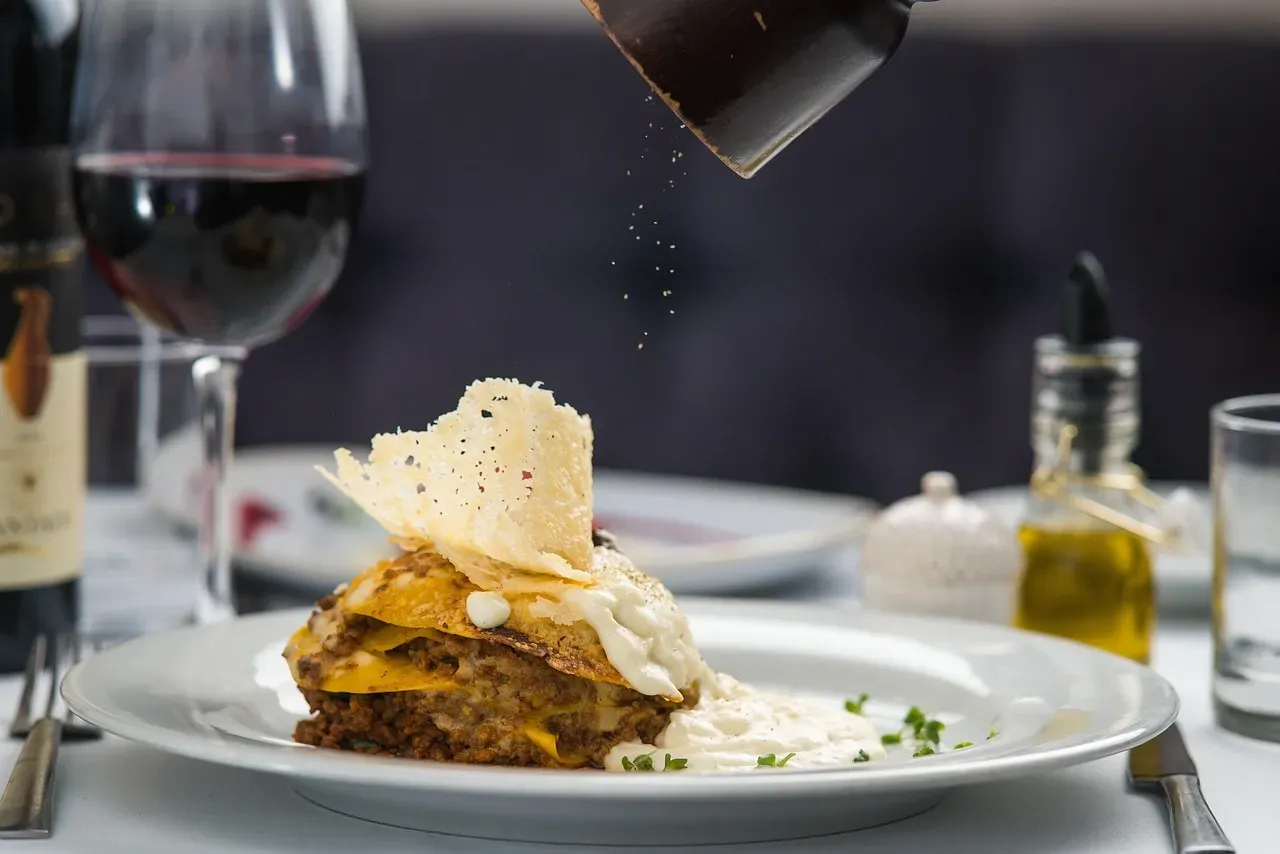
Who is actually sitting at these tables? The answer might surprise you if you haven’t been paying attention. A survey shows that roughly seven in ten frequent fine dining guests are aged 35 to 54, even though this age group represents only about a quarter of the overall population. This is a demographic that came of age during a period of intense food culture, from the celebrity chef explosion of the early 2000s to the locavorism movement that followed. They were trained to care about provenance. Now they’re in their spending prime.
Increasing disposable incomes and the continuous expansion of high-net-worth populations act as the primary engine for the fine dining sector, with affluent consumers increasingly regarding gastronomy as a fundamental lifestyle pursuit rather than an optional luxury. This is a philosophical shift. Food is no longer just sustenance or even status – it is identity. Choosing a restaurant that serves a true local’s special is a statement about who you are and what you believe food should be.
According to reports, 66% of fine dining consumers are willing to pay more for ethically sourced food ingredients. That willingness to pay more, when attached to a genuine local story, is exactly the economic foundation that makes the high-end local’s special not just culturally interesting but financially viable for the chefs and operators who build it honestly.
What the Future of the Local’s Special Actually Looks Like
So where does this trend land in practical terms, looking toward the rest of 2026 and beyond? In 2025, fine dining is shifting from meals to full sensory experiences, engaging sight, sound, scent, and interaction, with emerging trends redefining luxury through experiential dining, tableside service, hyper-personalization, ethical sourcing, and health-conscious menus shaping the future. The local’s special sits right at the intersection of all these forces. It is, by nature, experiential. It is, by definition, sourced with intention.
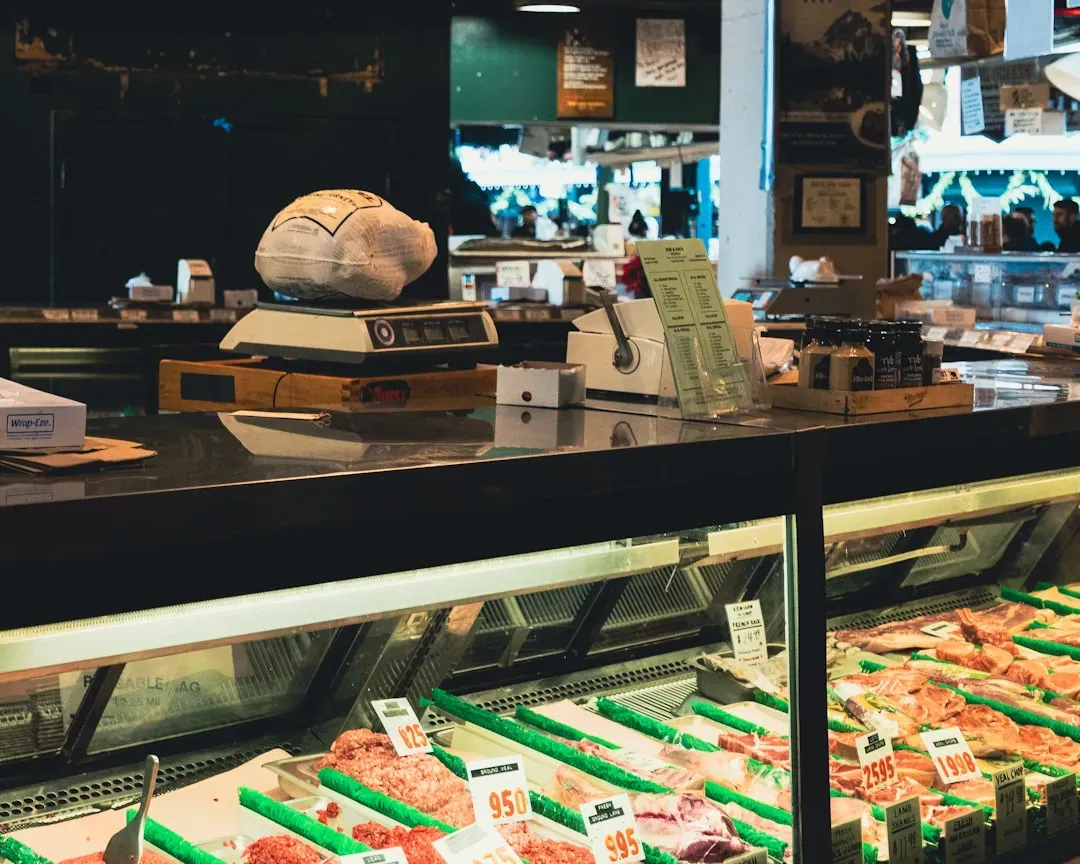
For restaurants, sourcing from local markets offers a way to support regional producers while differentiating their menus with unique, high-quality ingredients, and 2025 has seen a renewed fight for the survival and growth of local markets, driven by both consumers and restaurateurs who value authenticity, sustainability, and the vital social role these markets play. This is bigger than a menu trend. It’s a values ecosystem – and the local’s special is one of the most visible expressions of it on any given plate.
As guest priorities shift toward personalization, sustainability, and wellness, fine dining is evolving beyond luxury into a more multidimensional experience, and operators who can balance high-touch experiences with leaner operations, creativity with consistency, and exclusivity with relevance will shape the next era of the restaurant industry. The buffet – with its abundance, its sameness, its easy access to everything – represented one version of dining’s ambitions. The local’s special represents something almost opposite: the idea that the best meal is always the one that could only happen here, only tonight, made from what was growing just down the road this morning.
That shift feels less like a trend and more like a correction. And I think it’s long overdue. What do you think – would you pay a premium for a dish that tells the story of exactly where you are? Tell us in the comments.