From Newspaper Shock to Songwriting Fire (Image Credits: Unsplash)
In the dim glow of a New York apartment during the late 1970s, Pat Benatar encountered stories that shattered her worldview. A series of investigative articles in The New York Times laid bare the hidden epidemic of child abuse across America. What emerged from that moment of shock was a hard-rock track that captured raw anguish and demanded attention, especially resonant during National Child Abuse Prevention Month.[1][2]
From Newspaper Shock to Songwriting Fire
Benatar, then a rising star from a sheltered upbringing on Long Island, found herself gripped by the reports. She had no prior exposure to such brutality in her “Happy Days”-like family life. The revelations moved her to pen initial lyrics, which she shared with collaborators Neil Giraldo, her guitarist and future husband, and bassist Roger Capps.[1]
The trio shaped the song for Benatar’s sophomore album, Crimes of Passion, released in 1980. That record soared to four-times platinum status in the United States, marking a commercial breakthrough. Track six on the album, “Hell Is for Children” stood apart with its unflinching subject matter, diverging from the era’s typical rock fare of romance and rebellion.[3]
Capturing Pain in Every Note and Lyric
The lyrics paint a vivid portrait of young victims trapped in silence and deception. Children “cry in the dark so you can’t see their tears” and endure cycles of violence masked by apologies and bribes. Love twists into torment, with abusers demanding secrecy under threats of withheld affection or gifts.[2]
Giraldo crafted the music to mirror that torment. He built the arrangement from somber verses to an explosive chorus and outro, aiming for emotional exhaustion. “I wanted to make it intense so you could really feel the pain,” he later explained. Benatar urged him to infuse the notes with the “intense pain” inflicted on the innocent, resulting in a sound that pulses with urgency and sorrow.[1][3]
Though never issued as an A-side single, the track gained traction on album-rock radio, peaking at number seven on the Tunecaster Rock Tracks Chart. A live rendition from 1983’s Live from Earth later served as the B-side to her hit “Love Is a Battlefield.”[2]
Partner offer
Misconceptions That Amplified Its Reach
Listeners often assumed the song stemmed from Benatar’s personal trauma. Letters poured in from adults praising rock’s first bold confrontation with the issue, while some recoiled, misinterpreting the title as condemning children to damnation. In reality, Benatar enjoyed an idyllic childhood, far removed from the horrors she described.[1]
“Everybody thought that it was real,” Giraldo clarified. “She had the perfect Happy Days life.” The confusion only heightened the song’s profile, turning it into an anthem that pierced the silence around abuse.[1]
Benatar debuted the track live on July 25, 1980, at a free concert in New York City’s Central Park. It has anchored her setlists ever since, performed at every show as “a gesture of faith and solidarity.”[3]
A Legacy of Action and Awareness
Beyond concerts, the song spurred tangible change. Royalties supported the Child Abuse Prevention Foundation of San Diego County, now known as Promises2Kids. Benatar and Giraldo hosted benefit performances and founded initiatives for abused children, transforming artistic outrage into real-world aid.[3][1]
Over decades, covers by acts like Children of Bodom, Halestorm, and Unto Others have kept its message alive. Benatar reflects on it as her “proudest achievement,” born from compassion. “It was created with a pure heart out of love… for life’s dearest beings, children,” she said.[3]
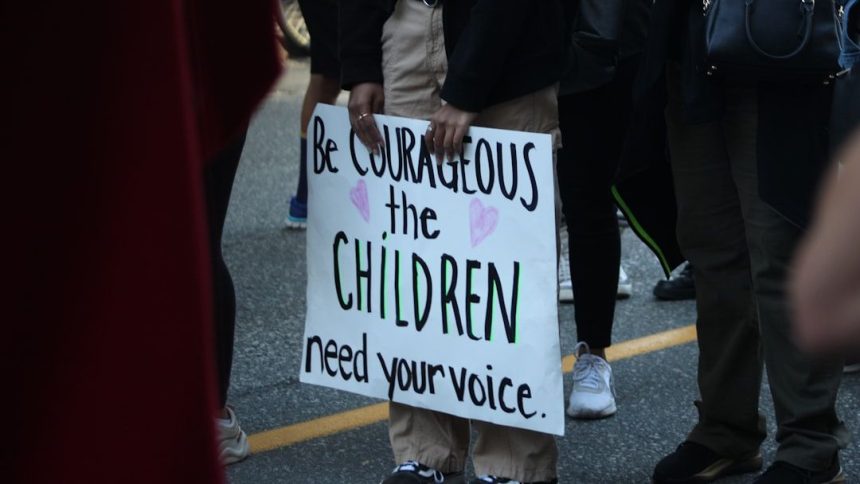
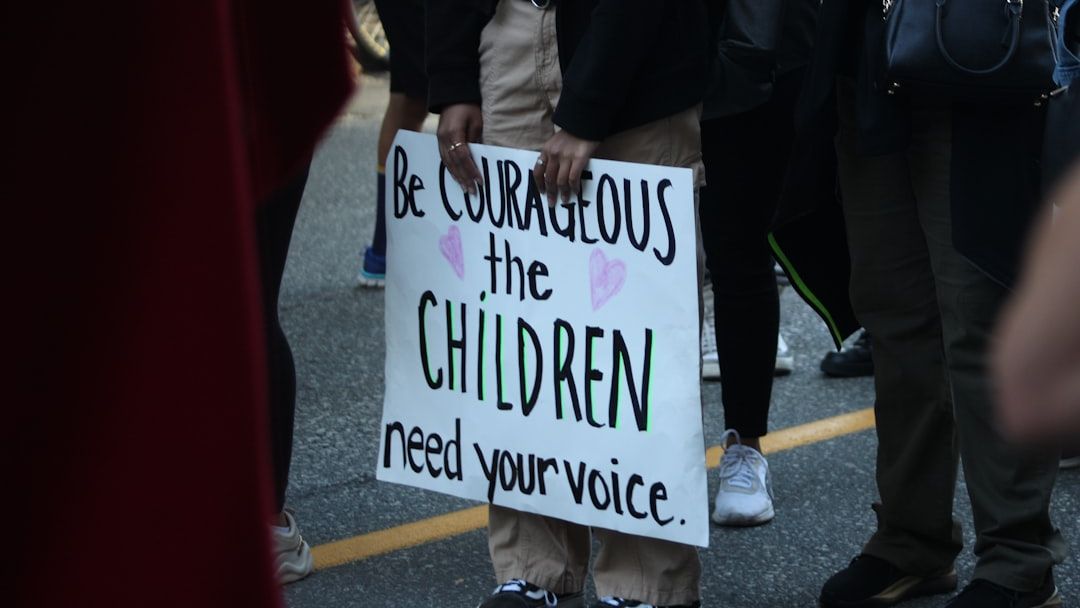
Today, as campaigns renew focus during April’s National Child Abuse Prevention Month, the track’s plea endures. It reminds that some battles demand voices unafraid of the darkness, ensuring the vulnerable are seen and heard.
Partner offer
Planning a trip to Vegas?
Compare hotel rates and show tickets on VEGAS.com.