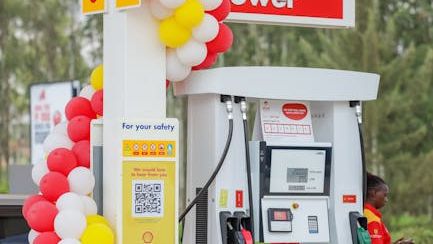
Most of us pull up to a gas pump, tap in our card, and think nothing of it. It’s routine. Automatic. Almost unconscious. Yet that ordinary moment – the three or four seconds your card disappears into that slot – has become a prime hunting ground for a new generation of financially motivated criminals who are getting frighteningly good at what they do.
Gas pump fraud has evolved well past the clunky plastic overlays of a decade ago. Today’s tactics are nearly invisible, wirelessly enabled, and designed to fool not just everyday drivers but even trained investigators. The numbers back this up in a sobering way. So before you swipe at the pump again, read on – because what you’re about to discover might genuinely change your habits. Let’s dive in.
The Scale of the Problem: Billions Lost and Climbing
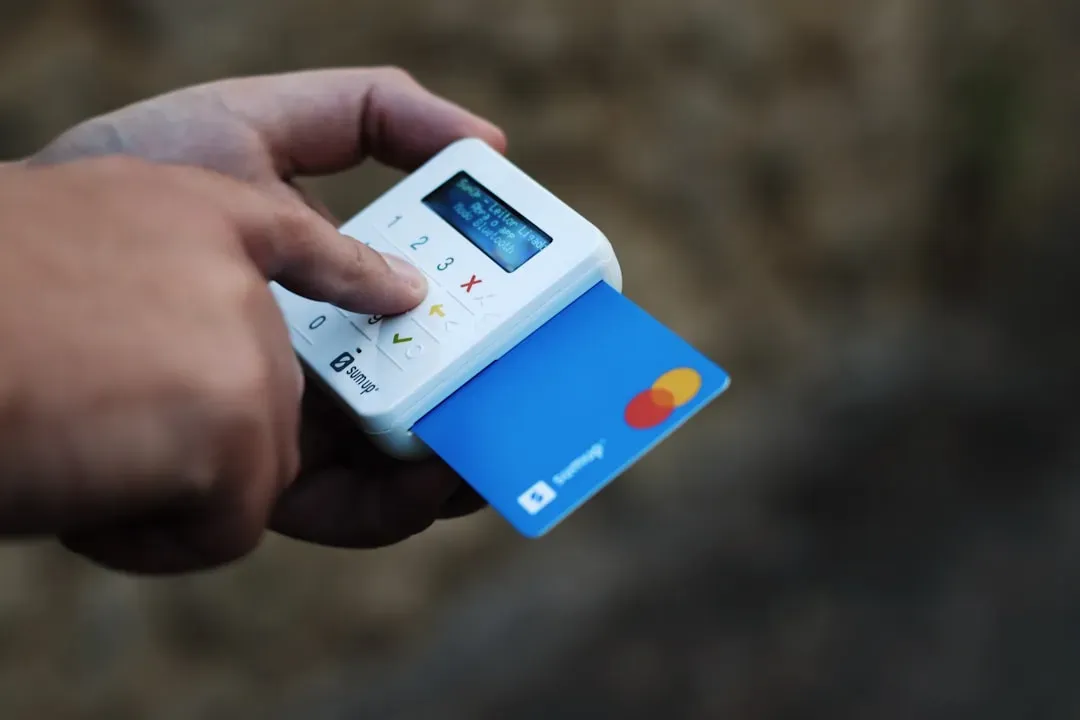
Let’s start with the uncomfortable reality check that sets the stage for everything else. It is estimated that skimming costs financial institutions and consumers more than $1 billion each year. That’s not a rounding error – that’s an industry-scale theft happening quietly at the places where we fill up our cars every week.
The broader fraud picture is even grimmer. According to the Federal Trade Commission, U.S. consumers reported losing more than $10 billion to fraud in 2023 – the highest amount ever recorded in a single year. Skimming, including gas pump attacks, remains a significant driver of those losses.
According to FICO, the number of cards affected by card skimming year on year was up by 77% at the end of 2023. That kind of surge doesn’t happen by accident. Criminals are getting smarter, bolder, and more technically capable. The gas pump, open 24 hours and often poorly monitored, remains one of their favorite targets.
Tactic 1: The QR Code Swap (Quishing at the Pump)
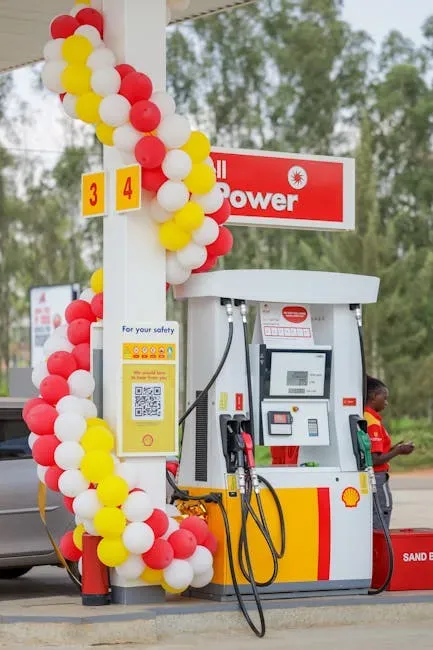
You’ve probably heard warnings about sketchy QR codes in emails or random flyers. Here’s the thing – that same scam has migrated to physical payment terminals. The FBI has warned that criminals place malicious QR code stickers, known as “quishing,” on gas pumps and parking meters to redirect victims to phishing websites that harvest financial data. It sounds almost too simple, but it works.
Cybercriminals are tampering with legitimate QR codes or creating fraudulent ones to redirect users to malicious sites, steal credentials, or install malware. At a gas pump, a fake QR code sticker placed over the real payment prompt sends you to a convincing lookalike site where you unknowingly hand over your card number. Mobile devices, which are typically used for QR scanning, often lack the robust protection installed on desktops or laptops. Even worse, many mobile users don’t use URL preview apps when scanning QR codes, making it easy for harmful sites to load without warning.
Data from one cybersecurity company determined that quishing rose from 0.8% of phishing attacks in 2021 to 12.4% in 2023. That trajectory is steep and shows no sign of flattening. The FBI urges people to be cautious and to verify QR code sources, especially before entering any login or payment credentials.
Tactic 2: Bluetooth-Enabled Internal Skimmers
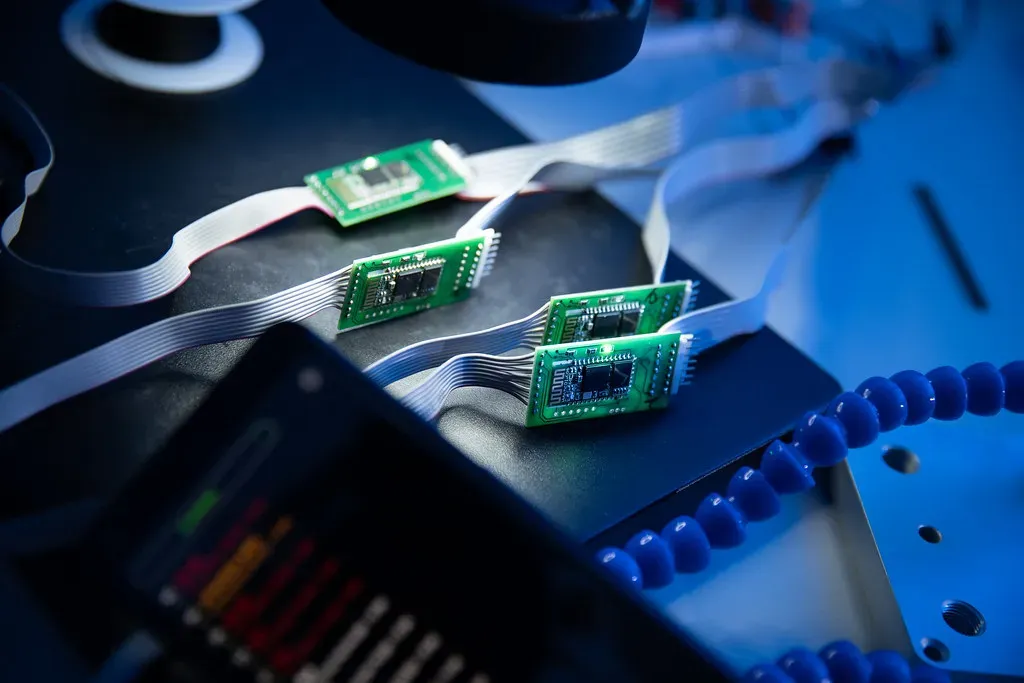
This one is, honestly, one of the most unsettling developments in pump fraud. Criminals no longer need to physically return to a pump to collect stolen card data. Security researchers at Kaspersky and other cybersecurity firms have documented the rise of Bluetooth-enabled skimmers, which allow criminals to collect card data wirelessly without reopening the pump at all.
Some devices use Bluetooth technology to transmit stolen data wirelessly – scammers can retrieve your info from up to 100 yards away. Think about that. A thief can sit in a parked car across the street, sipping coffee, and collect hundreds of card numbers without ever touching the pump again. They attach a device that reads the electronic data from your credit or debit card as you put it into the machine. It gets transmitted usually by Bluetooth now to a third party who can then use all that information to clone credit cards and make online purchases.
The skimmer broadcasts over Bluetooth as HC-05 with a default password. If you happen to scan for Bluetooth devices at a gas pump and see an HC-05 listed as an available connection, you probably don’t want to use that pump. There are even free smartphone apps designed specifically to detect this signal pattern near fuel dispensers.
Tactic 3: Deep Insert Skimmers – The Nearly Undetectable Threat
If Bluetooth skimmers are frightening, deep insert skimmers are in a whole different league of scary. These are tiny devices placed so far inside the card slot that they are completely invisible to the naked eye. You can’t feel them. You can’t see them. Even physically tugging on the card reader reveals nothing. Law enforcement agencies have confirmed that these devices are placed inside the card slot and cannot be detected without opening the machine itself.
Deep insert skimmers are ones so deep that you cannot see nor even pull off a bezel to reveal them. Law enforcement has had to invest in specialized scanning tools just to find them. “There’s no other way to detect deep-insert skimmers,” said Captain Jeff Roberts with the Texas Financial Crimes Intelligence Center. That’s a direct quote from a law enforcement professional who hunts these devices for a living – and even he admits the situation is grim.
The perpetrator opens a pump using one of a few master keys, unplugs the credit card reader from the main pump controller, plugs the card reader into the skimmer, and plugs the skimmer back into the pump controller. This reportedly takes less than 30 seconds. Thirty seconds. That’s all it takes to compromise a pump that may then go undetected for days or even weeks.
Tactic 4: Contactless Payment Sabotage
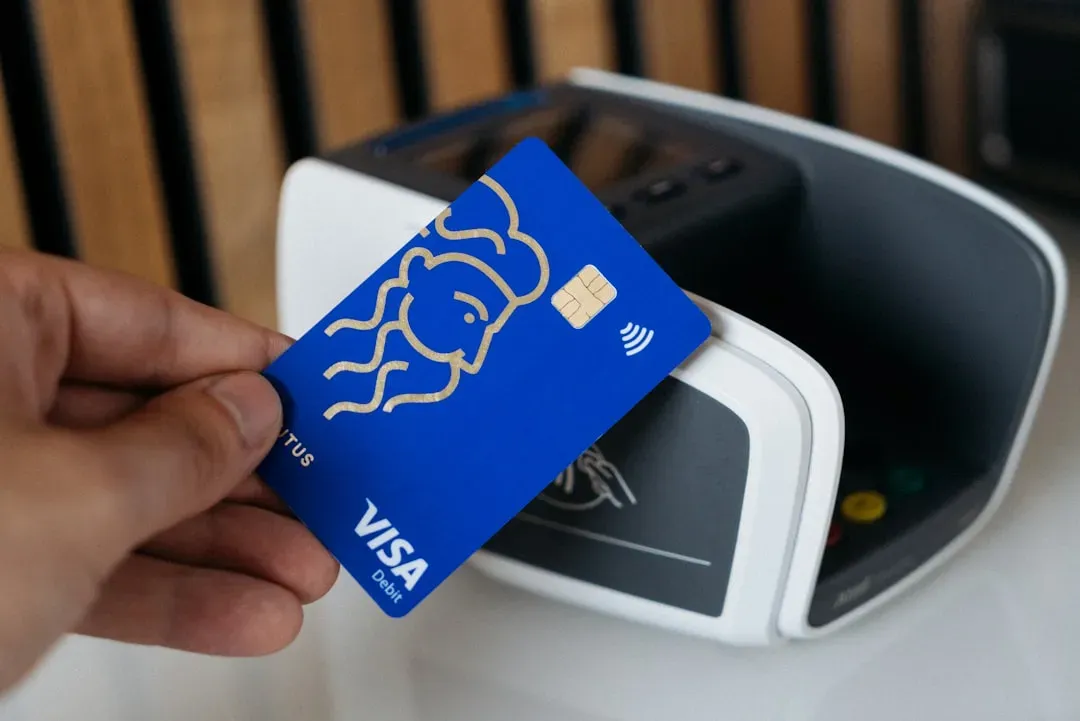
Here’s a tactic that is equal parts ingenious and infuriating. Many gas stations upgraded to contactless payment screens precisely to give customers a safer, swipe-free option. Criminals responded by deliberately destroying those screens to force you back onto the compromised swipe reader. It’s a threat working against your own safety instincts.
The Aurora, Colorado police department issued a warning that scammers were drilling holes in the contactless payment screens on gas pumps where customers can scan their credit card with its RFID chip. By damaging the contactless payment screen, it becomes inoperable, thereby requiring the customer to use the credit card reader on the gas pump where the identity thief had already installed a skimmer.
Once the contactless payment screen is damaged, it will default to swipe payments, forcing customers to swipe their payment card and expose their financial information to the skimming device. So if you ever walk up to a pump and find the tap-to-pay function broken or visibly damaged, treat that as a serious red flag. Walk inside and pay the attendant directly.
Tactic 5: NFC and RFID Interception Devices
Just when you thought contactless was the safe option, criminals went after that too. The U.S. Secret Service has warned about a tactic that specifically targets NFC and RFID-based payment methods – the very technologies designed to protect you. It’s a sobering reminder that no single payment method is completely fraud-proof when criminals are this determined.
Partner offer
What thieves are doing now is breaking into the gas pump and hiding their own NFC device inside. While your information is being wirelessly transferred to the pump’s terminal, the thief’s NFC device also picks up the transmission and collects your credit card information. Unfortunately, this type of skimming device is inherently easier for the thief to install and harder for a gas station customer or employee to detect.
This makes it a particularly nasty evolution. You think you’re being safe by tapping instead of swiping, but the hidden NFC interceptor captures your transmission anyway. Reports like this show the increasing volume and complexity of fraud surrounding RFID-chipped cards and other contactless payment methods. The best defense in this scenario is using a mobile payment app like Apple Pay or Google Pay, which adds an additional layer of tokenization that NFC interceptors cannot easily crack.
Why Gas Pumps Stay So Vulnerable
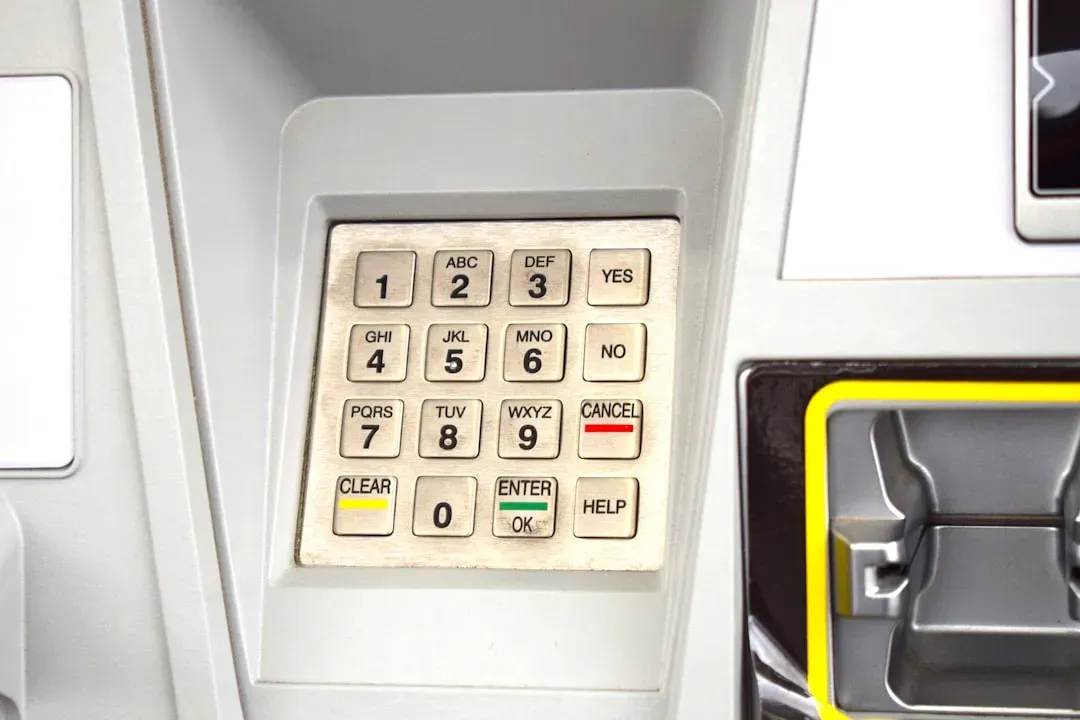
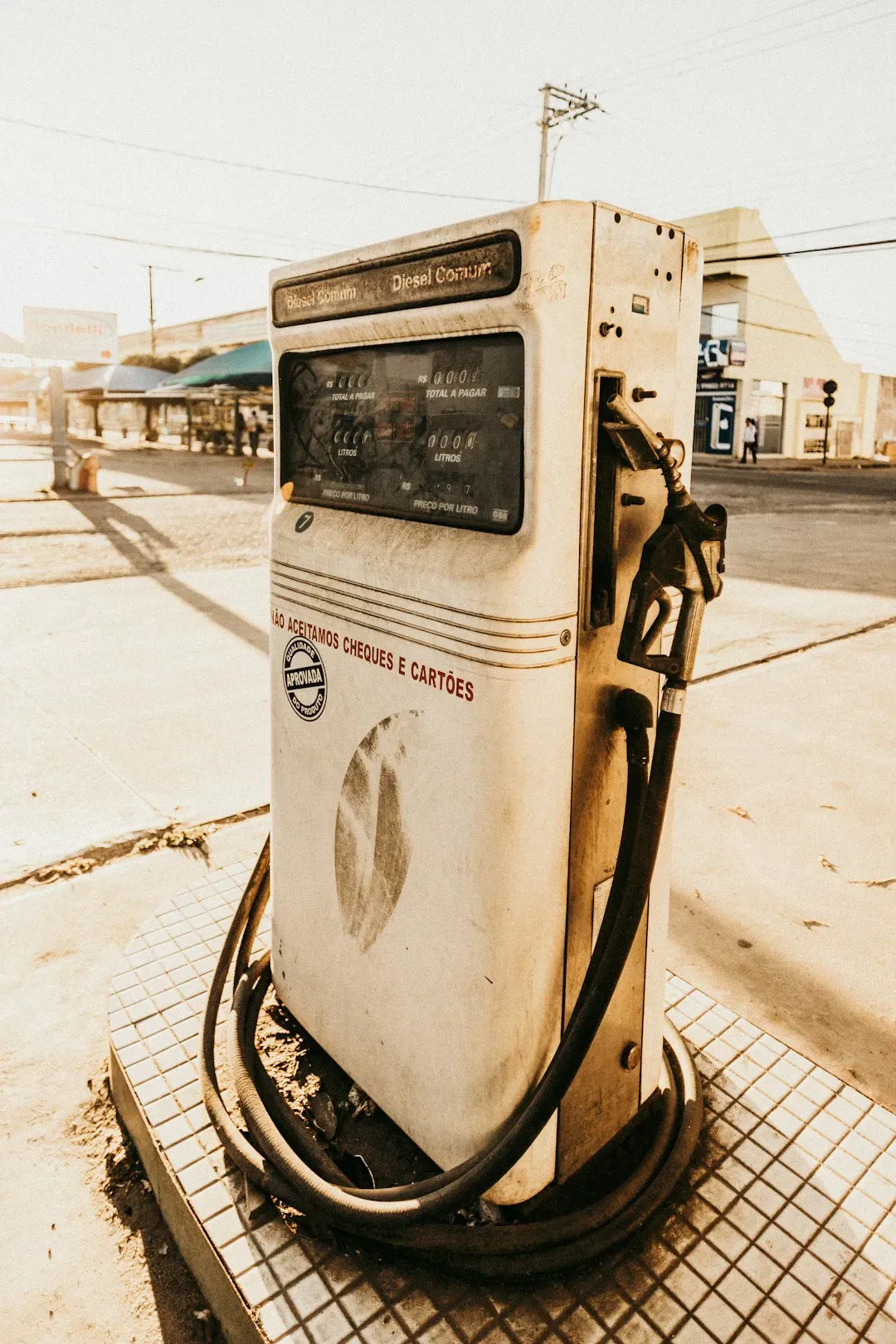
It’s fair to ask: why hasn’t this been fixed? The answer is complicated and, I’d argue, a little maddening. The U.S. payment industry’s transition to EMV chip technology reduced fraud in most retail settings, but fuel pumps were among the last payment terminals required to upgrade, leaving many locations deeply vulnerable during a prolonged transition period.
It has been estimated that about 40% of gas pumps still have not been updated with EMV chip card readers, leaving them susceptible to skimmers. Nearly half the pumps in America are still operating on older technology. While most retailers had to comply by 2015, gas stations were given extended deadlines due to the technical challenges of upgrading fuel dispensers. That grace period ended in April 2021. Since then, if a fraud occurs at a non-EMV-compliant pump, the gas station, not the card issuer, is held financially responsible.
As a result, gas stations are widely known as the last wide-open industry for card vulnerability exploitation. The financial liability shift was meant to motivate upgrades, but cost and complexity have slowed adoption at thousands of independent stations across the country. Criminals know this. They absolutely target the slowest adopters.
Organized Crime Rings Are Running This Operation
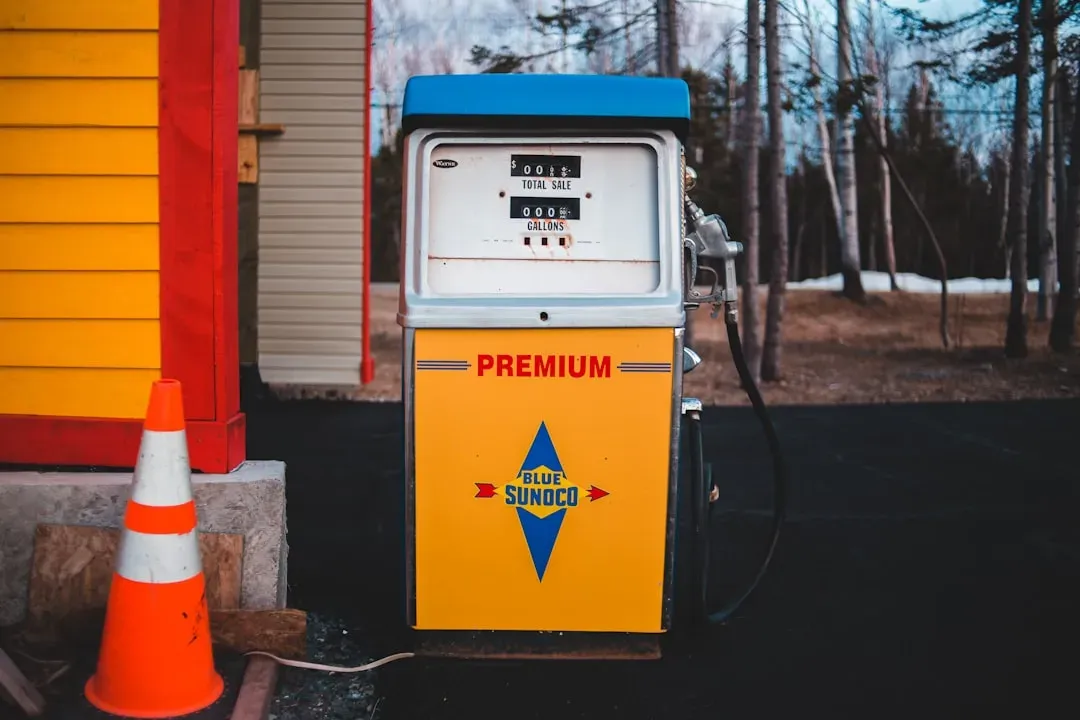
Let’s be real: this isn’t a lone hacker in a basement. Gas pump skimming has become organized, multi-state, and highly coordinated. Federal prosecutions in recent years have exposed the full scope of how these rings operate – and it’s sophisticated enough to make your jaw drop.
Court documents reveal that conspirators worked together to install skimmers on gas pumps across Alabama, Louisiana, and Northern Florida. The conspirators used the skimmers to illegally obtain credit and debit card account numbers, subsequently made counterfeit credit and debit cards, and then used them to purchase large amounts of diesel fuel. In that particular case, stolen card data was literally converted into stolen fuel, which was then resold through tanker trucks. That’s a full criminal supply chain.
Organized skimmer gangs have recently upped their game and gotten the attention of local and federal authorities. In response, the U.S. Secret Service and multiple local law enforcement officers participated in major skimmer detection operations, inspecting more than 1,400 point-of-sale terminals, gas pumps, and ATMs. The scale of the response tells you everything about the scale of the threat.
Who Gets Targeted – and Where
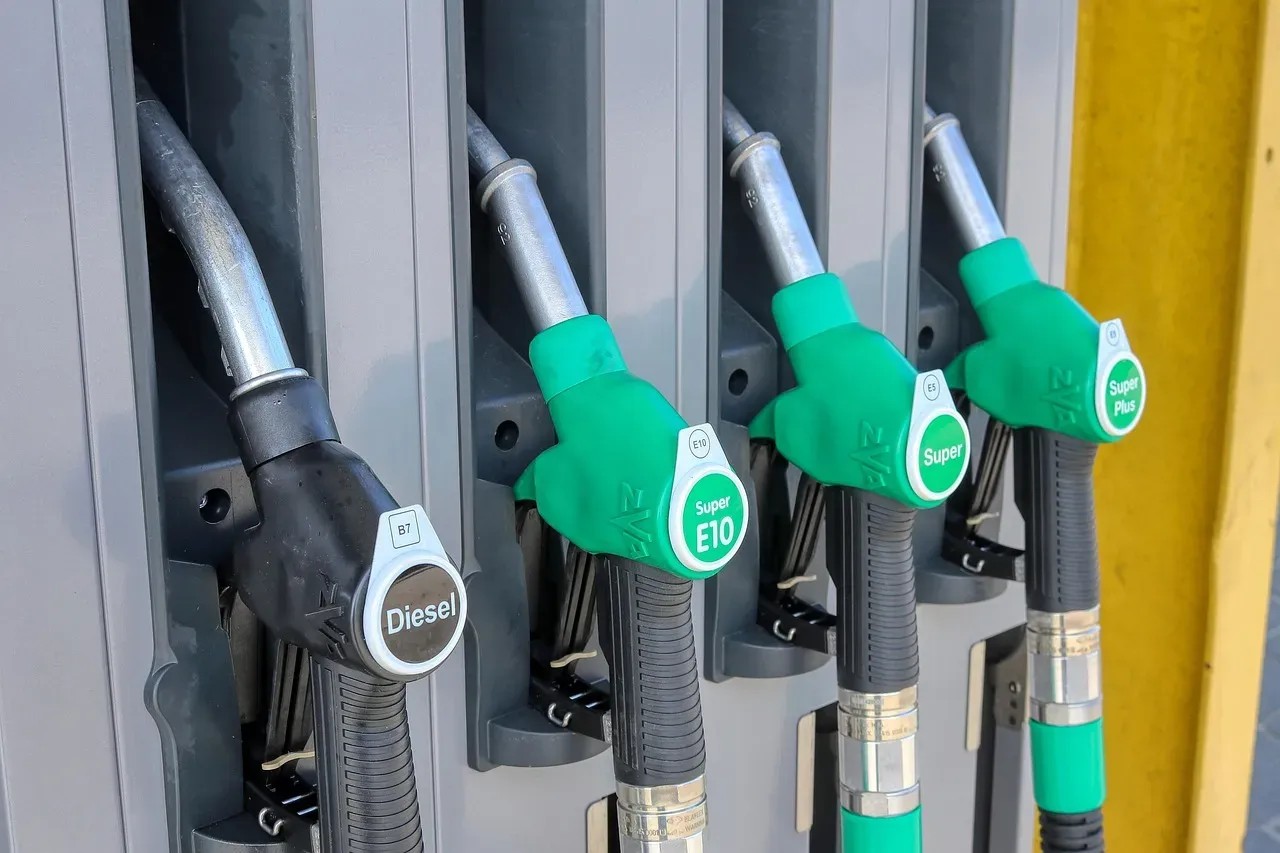
You might assume this is a big-city problem. It’s not. Card skimmers used to be found primarily in cities, but the scam has spread into rural areas, so everyone should be on alert for these devices. Suburban and rural gas stations often have fewer cameras, less foot traffic around the pumps, and fewer staff checking for tampered equipment – which makes them attractive targets.
Trends show that skimmers are typically installed at gas pumps furthest from the staff kiosk and where cameras are unlikely to be installed. The National Association of Convenience Stores has noted that tens of thousands of gas stations across the United States operate outdoor payment terminals, making them frequent targets. Gas pumps continue to be a compelling target as they provide an opportunity to remain at the terminal for a few minutes and are typically monitored less often than other self-serve checkout locations.
Even vulnerable populations are being targeted. EBT card data has become a key target for many skimming groups and criminals since at least 2021. EBT and some other types of public-benefits cards are an appealing target for bad actors because they largely aren’t chip-enabled. There is no full tally on all losses from EBT skimmer theft, but a provision for stolen benefits has led to the replacement of over $60 million nationwide.
How to Actually Protect Yourself
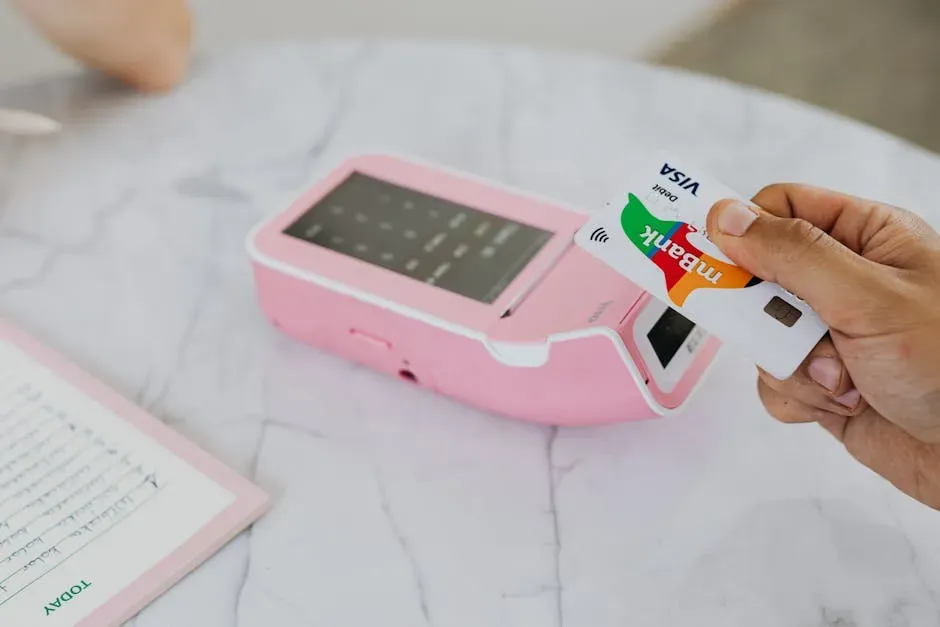
Knowledge is only useful if it changes behavior. The good news is that a few straightforward habits dramatically reduce your risk at the pump. The Federal Trade Commission advises consumers to use pumps closest to the store, choose contactless payments when possible, and report suspicious devices – because these steps genuinely reduce the risk of payment-card theft.
Tap the card instead of swiping or inserting it when paying at the pump, if the card and terminal allow for it. Tap-to-pay transactions are more secure and less likely to be compromised. If the tap option is broken or unavailable, that’s a warning sign in itself – walk inside and pay at the counter. Apple Pay, Google Pay, Samsung Pay, and cash are alternative payment methods that are not vulnerable to skimmers.
Check for unknown Bluetooth signals – you can sometimes identify them with your smartphone. Try paying inside. It’s much harder for criminals to place a skimmer there with a clerk working. Also, monitor your bank statements frequently. The faster you catch an unauthorized charge, the faster you can limit the damage and get a new card issued. Early detection, as law enforcement consistently emphasizes, remains one of the most powerful tools any consumer has.
Conclusion: The Pump Isn’t as Safe as It Looks
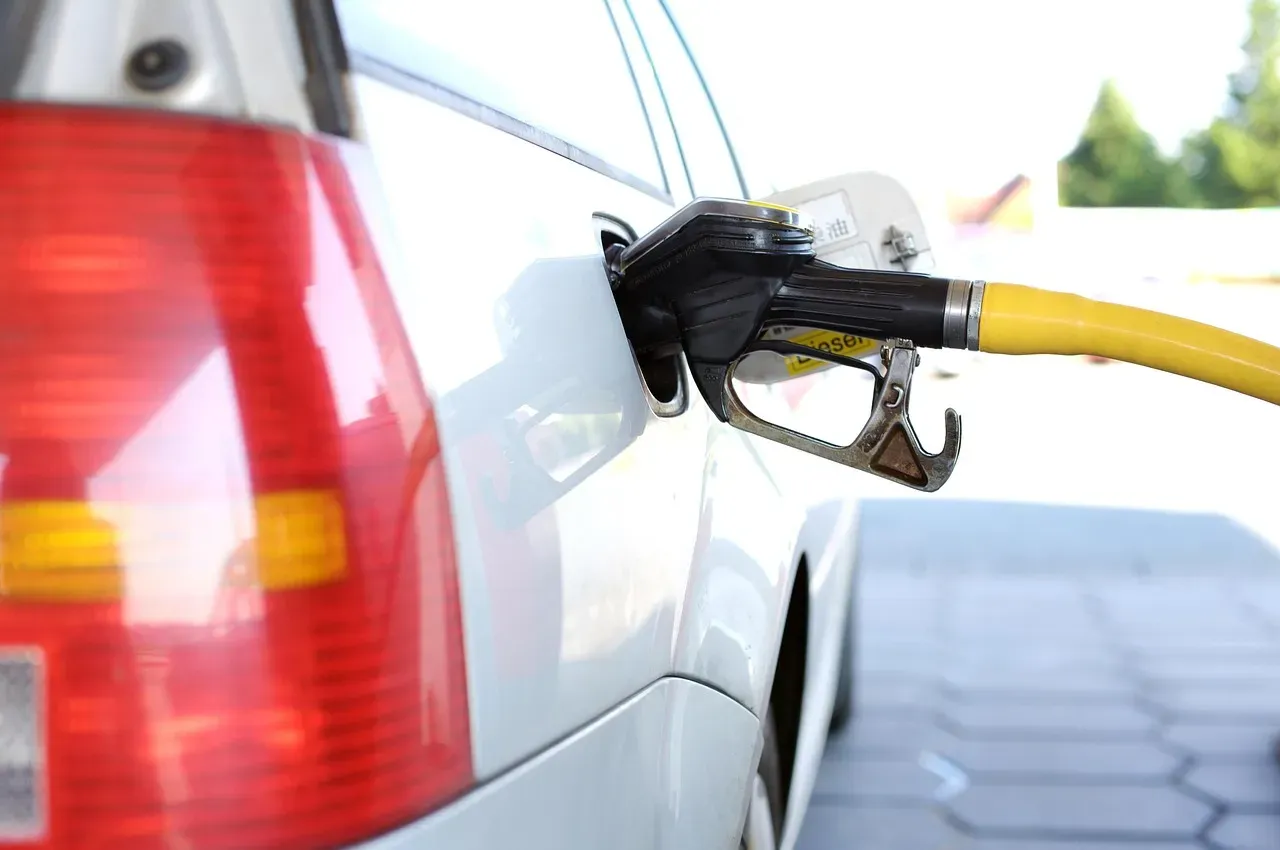
There’s something quietly unsettling about realizing that one of the most mundane acts in daily life – filling up your gas tank – has become a battleground between consumers and increasingly sophisticated criminal operations. The tactics described here are not theoretical. They are actively being used, right now, at gas stations in every corner of the country.
The shift from crude overlay skimmers to Bluetooth-enabled internal devices, NFC interceptors, and QR code phishing represents a genuine technological arms race. Criminals have adapted quickly. Consumers and even gas station operators have been slower to catch up. That gap is exactly where the fraud lives.
The simplest takeaway: tap when you can, pay inside when you can’t, and never assume the pump in front of you is clean just because it looks fine. As one law enforcement officer put it, the crimes that affect everybody are the ones that feel too ordinary to worry about – until the day they happen to you. What would you do if you checked your bank account tomorrow and found it drained? Tell us your thoughts in the comments.
Partner offer
Planning a trip to Vegas?
Compare hotel rates and show tickets on VEGAS.com.