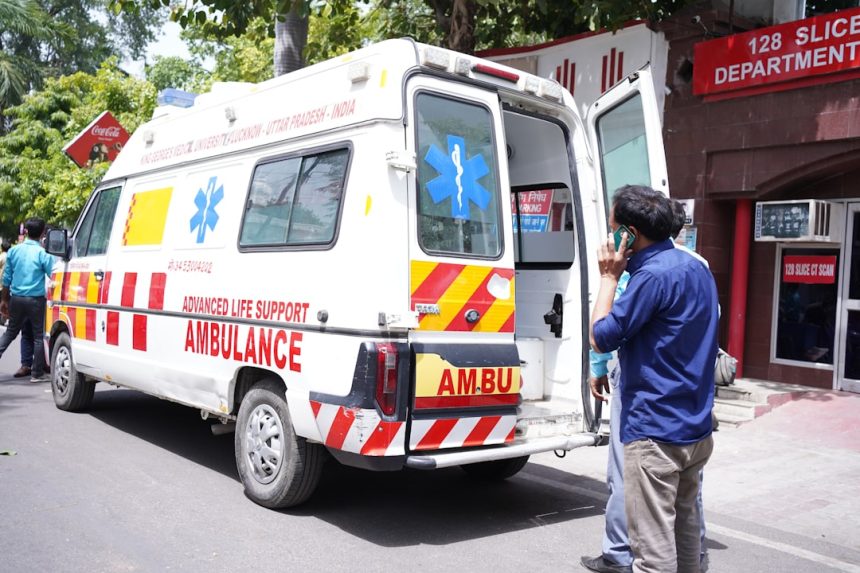

Assumed Intoxication Proves Costly (Image Credits: Unsplash)
Las Vegas Strip – A Rhode Island man’s estate launched a wrongful death suit against Caesars Palace after hotel staff opted for a rideshare service rather than emergency medical help when he fell suddenly ill.[1][2]
Assumed Intoxication Proves Costly
Employees at the iconic Caesars Palace hotel-casino mistook serious medical distress for drunkenness on November 28, 2024. Gary Perrin, a 64-year-old guest from Rhode Island, suddenly began sweating profusely, suffered double vision, grew dizzy, and vomited.[1] Instead of summoning onsite paramedics or emergency medical response teams, staff arranged an Uber ride for him.
This choice triggered what the lawsuit describes as a critical delay in proper care. Perrin deteriorated over the following weeks and died on December 15, 2024. The property’s rapid assumption about his condition highlighted potential gaps in staff training for distinguishing illness from impairment in a nightlife-heavy environment.[2]
Lawsuit Targets Negligence and Training Failures
Perrin’s estate filed the complaint on February 18, 2026, in Clark County District Court, seeking a jury trial. The document accuses Caesars Entertainment, the hotel’s parent company, of negligence and failures in hiring, training, retaining, and supervising employees.[1]
Central to the claims stands the decision to call a rideshare, which allegedly caused or substantially contributed to Perrin’s death through postponed treatment. The suit demands damages exceeding $15,000 across multiple categories.
- General, special, and punitive damages
- Pre-death medical and funeral expenses
- Pecuniary losses for support, companionship, and comfort
- Compensation for grief, sorrow, pain, and suffering
- Double actual damages
- Attorney fees, costs, interest, and further relief
Caesars Entertainment offered no comment when reached by reporters.[2]
Partner offer
Broader Questions for Strip Hospitality
Incidents like this raise scrutiny over protocols at Las Vegas resorts, where guests often consume alcohol amid high-energy settings. Caesars Palace maintains emergency medical resources onsite, yet staff bypassed them in Perrin’s case.
The lawsuit does not disclose Perrin’s precise cause of death, focusing instead on the response timeline. Such cases prompt reviews of employee guidelines, especially for symptoms mimicking intoxication but signaling urgent health issues like strokes or cardiac events.
Legal experts note that Nevada courts hold businesses to a duty of reasonable care for invitees, potentially strengthening claims when properties possess medical capabilities but fail to deploy them.
Victim’s Life Cut Short
Gary Perrin traveled from Rhode Island to enjoy the Strip’s attractions as a Caesars Palace guest. His sudden illness interrupted what should have been a routine visit, escalating into tragedy due to the delayed intervention.
Family members now pursue accountability through the courts, emphasizing the human cost of procedural missteps. The case remains in early stages, with no trial date set.
Key Takeaways
- Staff called Uber assuming intoxication despite severe symptoms like vomiting and dizziness.
- Lawsuit filed February 18, 2026, seeks over $15,000 in various damages.
- Highlights need for better training on medical emergencies in casinos.
This lawsuit underscores the fine line between hospitality and life-saving responsibility on the Las Vegas Strip. As proceedings unfold, resorts may reassess emergency responses to prevent future losses. What protocols should hotels prioritize in ambiguous situations? Share your thoughts in the comments.
Partner offer
Planning a trip to Vegas?
Compare hotel rates and show tickets on VEGAS.com.