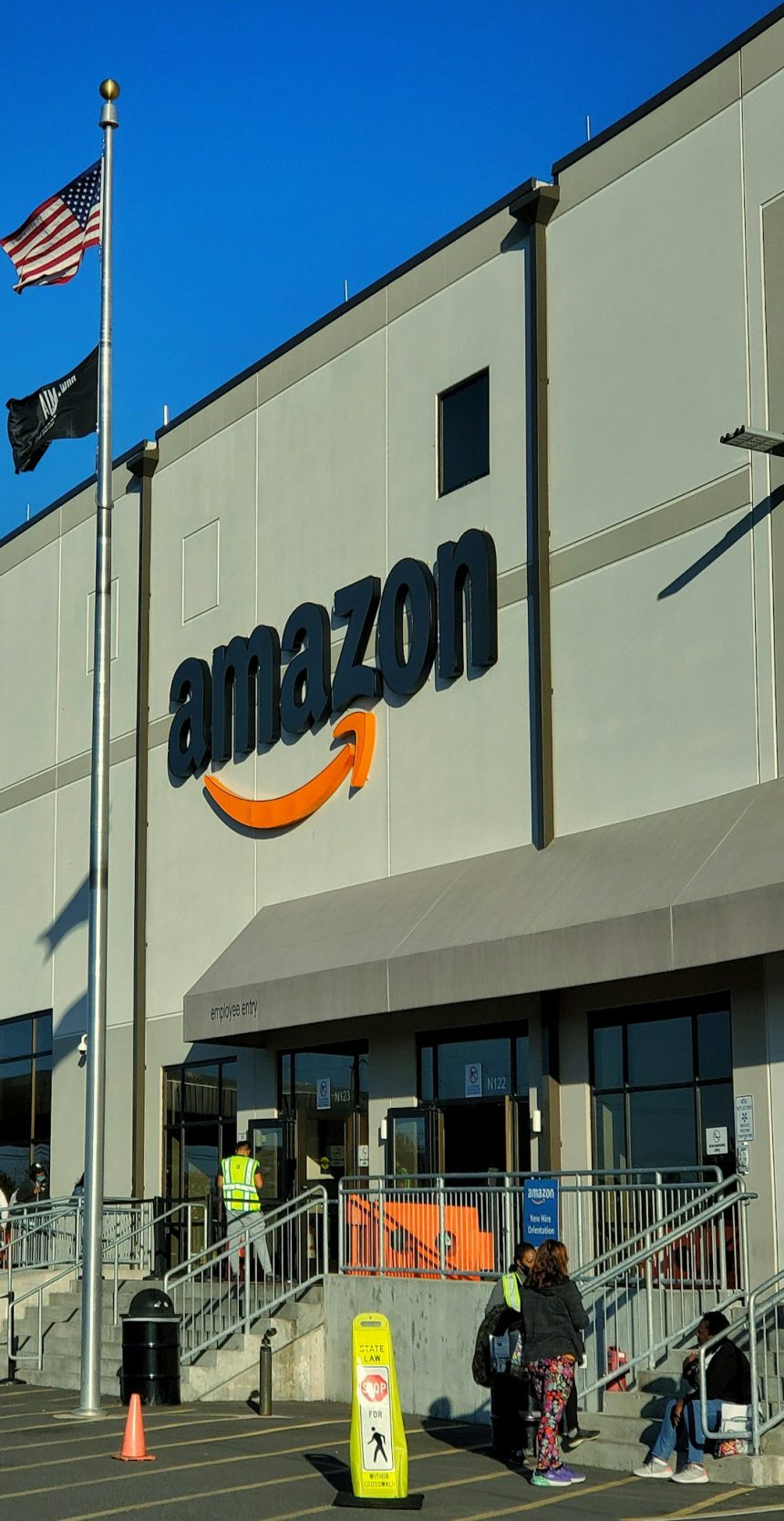
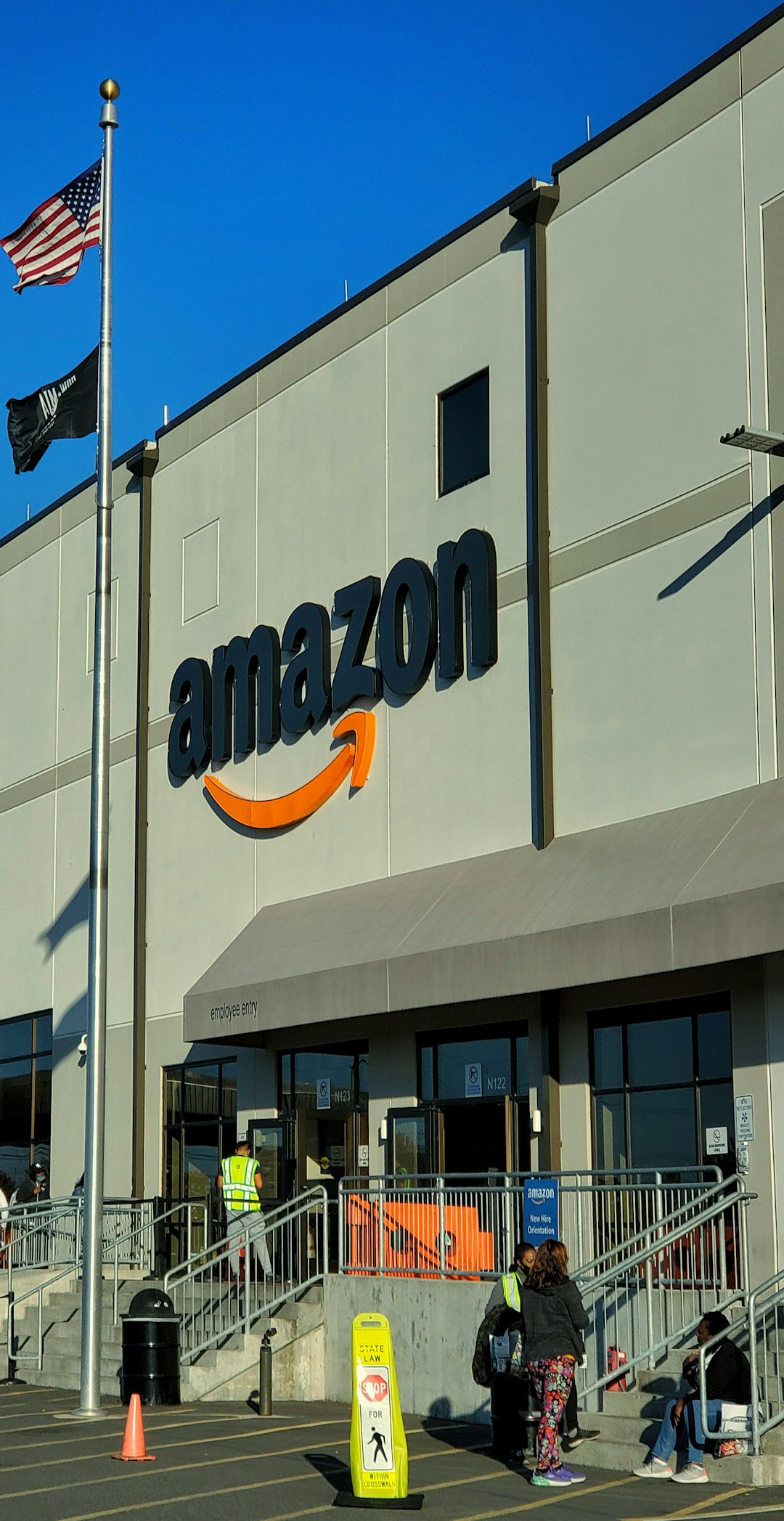
A Chilling Example Sets the Tone (Image Credits: Unsplash)
California — Newly unsealed court documents detail how Amazon allegedly wielded its market dominance to orchestrate higher prices across competing retail websites. Attorney General Rob Bonta’s office revealed evidence from an ongoing antitrust lawsuit, showing the e-commerce leader pressuring vendors to intervene with rivals like Walmart and Home Depot. The filings claim this scheme inflated costs for everyday goods, from clothing to pet supplies, at a time when shoppers seek relief from rising expenses.[1][2]
A Chilling Example Sets the Tone
One internal communication laid bare Amazon’s approach with striking clarity. The company flagged Levi Strauss & Co.’s Easy Khaki Classic pants, priced at $25.47 on Walmart.com — well below Amazon’s $29.99 listing. Amazon urged Levi’s to address the discrepancy, and soon after, Walmart raised its price to match.[2]
This incident formed part of dozens documented in the April 20 filing. Prosecutors described Amazon spotting lower rival prices or unprofitable sales, then directing vendors to demand adjustments from retailers. Failure to comply risked demotions in Amazon search results or outright product removal, according to the evidence.[3]
How the Alleged Coordination Unfolded
Amazon monitored competitor sites using automated tools, the state contends. When discrepancies arose, employees contacted vendors with links to lower listings and requests to “resolve” them. Vendors, fearing reprisals, then negotiated with retailers or pulled items entirely.[1]
The pattern spanned categories like home goods, gardening, and pet care. In another case, Amazon complained about fertilizer pricing at Home Depot, prompting the retailer to agree to hikes. Prosecutors highlighted this as explicit collusion, with vendors acting as intermediaries to shield Amazon from direct involvement.[2]
Spotlight on Vendors and Retail Rivals
The filings named several players in these interactions. Vendors faced the brunt of Amazon’s leverage, while retailers adjusted to maintain listings.
Partner offer
- Levi Strauss & Co.: Pressured over khaki pants at Walmart.[2]
- Hanes: Targeted to align prices on competing sites like Target.[3]
- Allergan (now AbbVie): Urged to push Walmart toward $16.99 eye drops, avoiding Amazon’s lower match.[2]
- Unnamed merchant for Canine Naturals dog treats: Noted prices on Chewy rose in sync with Amazon’s, calling it “working” with a smiley emoji.[2]
Retailers included Walmart, Home Depot, Chewy, and Target. None except Amazon are defendants, though Bonta reserved options to pursue others.[1]
The Road to Trial and Immediate Stakes
Bonta filed the lawsuit in San Francisco Superior Court in September 2022, accusing Amazon of antitrust and unfair competition violations. The case cleared hurdles, including a recent court denial of Amazon’s summary judgment bid, and heads to trial on January 19, 2027.
Now, Bonta seeks a preliminary injunction to halt the practices pending trial, with a hearing set for July. He aims to recover ill-gotten profits and damages for California consumers. “This is about protecting Californians from paying more than they should,” Bonta said.[1]
Pushback and Consumer Ramifications
Amazon rejected the claims, calling the filing a “transparent attempt to distract from the weakness of its case.” A spokesperson emphasized the company’s status as “America’s lowest-priced online retailer” and defended merchant agreements as legal consumer benefits.[2]
Walmart affirmed its focus on low prices but declined specifics. The allegations echo federal scrutiny, including a 2023 FTC suit. If proven, they could reshape e-commerce dynamics, forcing Amazon to compete more fiercely on price.[3]
Key Takeaways
- Amazon allegedly used threats to vendors, leading to price hikes on sites like Walmart and Chewy.
- Evidence includes emails on products from Levi’s pants to dog treats.
- Lawsuit seeks injunction and damages; trial slated for 2027.
This battle underscores tensions in online retail, where dominance meets regulation. As evidence mounts, shoppers watch for potential relief at checkout. What impact could a win for California have on your online shopping? Tell us in the comments.
Partner offer
Planning a trip to Vegas?
Compare hotel rates and show tickets on VEGAS.com.