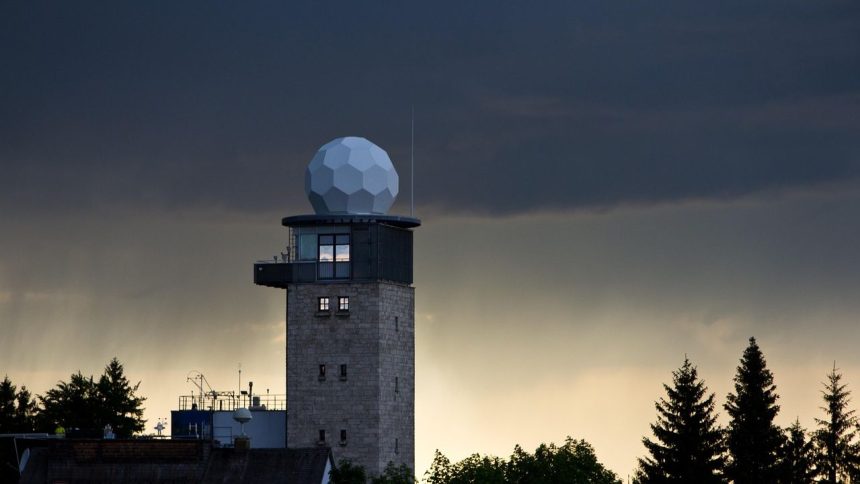
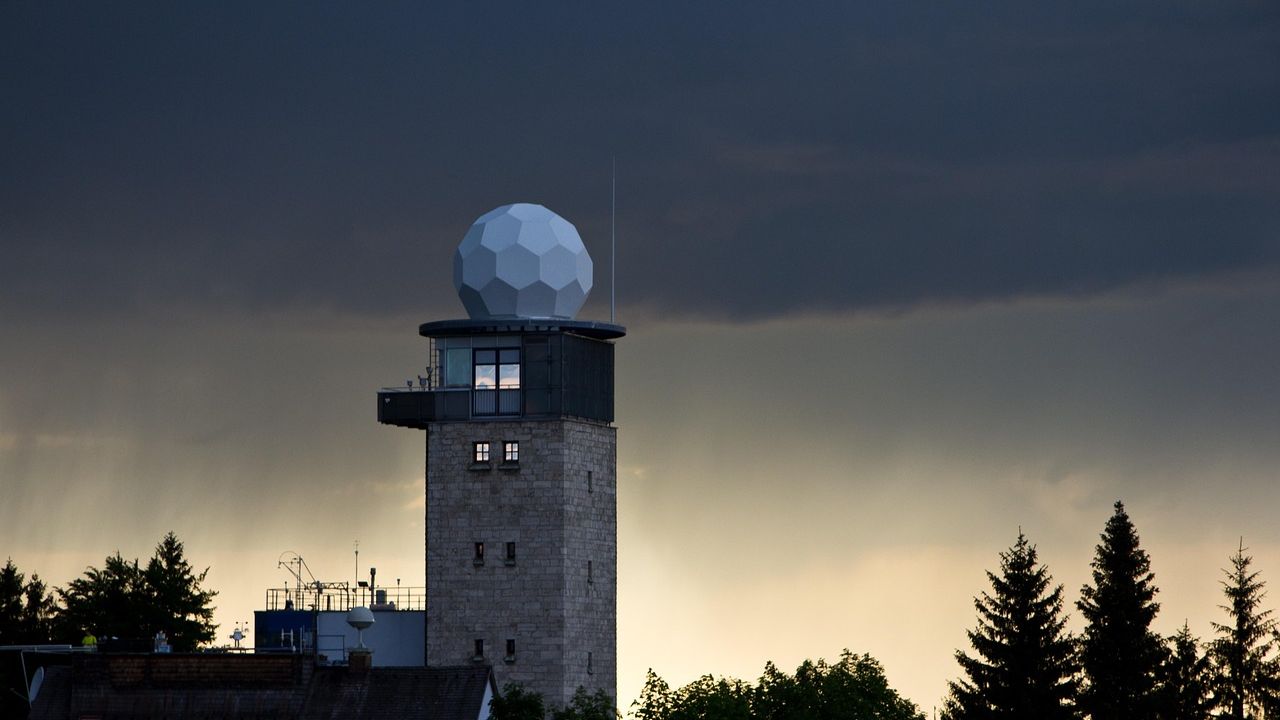
Reverse the Loss of Severe Weather Radar Science at ECCC – Image for illustrative purposes only (Image credits: Pixabay)
Environment and Climate Change Canada has disbanded its High Impact Weather Research section, a move that eliminates dedicated expertise in radar science. The decision comes shortly after the agency completed a major upgrade to its national weather radar network at a cost of $180 million. Without ongoing research support, experts warn that the full capabilities of the new system may go unrealized, particularly for detecting and forecasting intense storms.
What Happened to the Research Team
The High Impact Weather Research section previously handled critical work on radar applications for severe weather events. Its radar specialists focused on refining algorithms and ensuring the upgraded network delivered accurate, timely data to forecasters across the country. The disbanding removes that specialized capacity at a time when weather patterns continue to evolve.
Officials have clarified that the physical radar stations remain operational and will continue to provide basic imagery and alerts. The change affects only the research and development side, which had been responsible for pushing the technology forward and addressing emerging challenges in data interpretation.
Why Radar Expertise Matters for Public Safety
Canada maintains a long tradition of innovation in weather radar that dates back to the Second World War. That legacy helped build one of the most advanced public radar networks in the world. Losing the dedicated research group risks slowing progress on improvements that directly support warning systems for tornadoes, heavy precipitation, and other high-impact events.
Partner offer
Forecasters rely on advanced radar processing to issue more precise alerts. Without continued scientific work, opportunities to enhance detection of rapidly developing storms could be missed. The result would be reduced effectiveness of a system built specifically to protect communities during dangerous weather.
Public Response and Next Steps
Advocacy groups and weather enthusiasts have launched petitions urging the federal government to reverse the decision. The campaign targets Minister of Environment and Climate Change Julie Dabrusin and emphasizes the need to maintain research capacity alongside the new hardware.
Supporters argue that the investment in physical infrastructure loses value without parallel investment in the people who optimize its performance. They point to the radar network’s role in everyday safety and call for the restoration of the High Impact Weather Research section to protect that progress.
Key points at stake:
- Preservation of specialized radar research for severe weather
- Full utilization of the $180 million national radar upgrade
- Continued improvement of forecasting accuracy and public warnings
The situation highlights a broader tension between infrastructure spending and the scientific support required to make that infrastructure effective. Restoring the research capacity would align with Canada’s history of leadership in meteorological technology and help ensure the radar network performs at its intended level for years to come.
Partner offer
Planning a trip to Vegas?
Compare hotel rates and show tickets on VEGAS.com.