Plenty of famous books carry a name that never appeared on a birth certificate. Some writers wanted privacy, some wanted a fresh start, and a few simply thought a different name would sell better. Here are six well documented cases, with the real names tucked in where you can test yourself.
Read each heading, make a guess, then check the answer in the paragraph below it. None of these require deep literary knowledge, though a couple might surprise you.
George Orwell
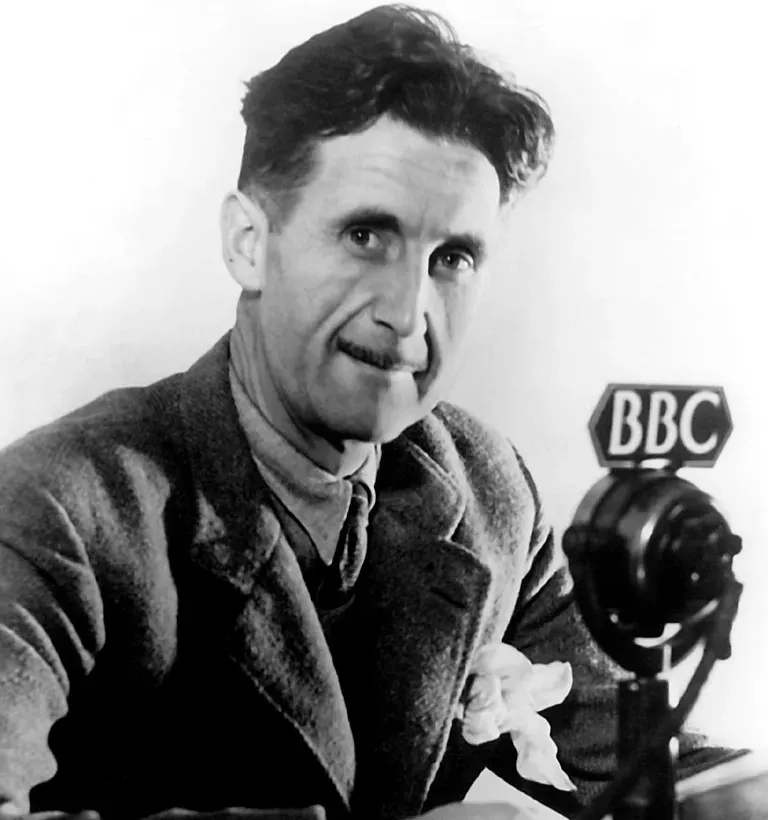
The author of Animal Farm and Nineteen Eighty-Four was born Eric Arthur Blair. He chose the pen name when his first book, Down and Out in Paris and London, came out in 1933. Reportedly he wanted to spare his family any embarrassment over his account of poverty.
The first name George is thought to reflect his love of English tradition. Orwell is a river in Suffolk, near where he lived at the time. Most readers today know only the pseudonym.
Mark Twain
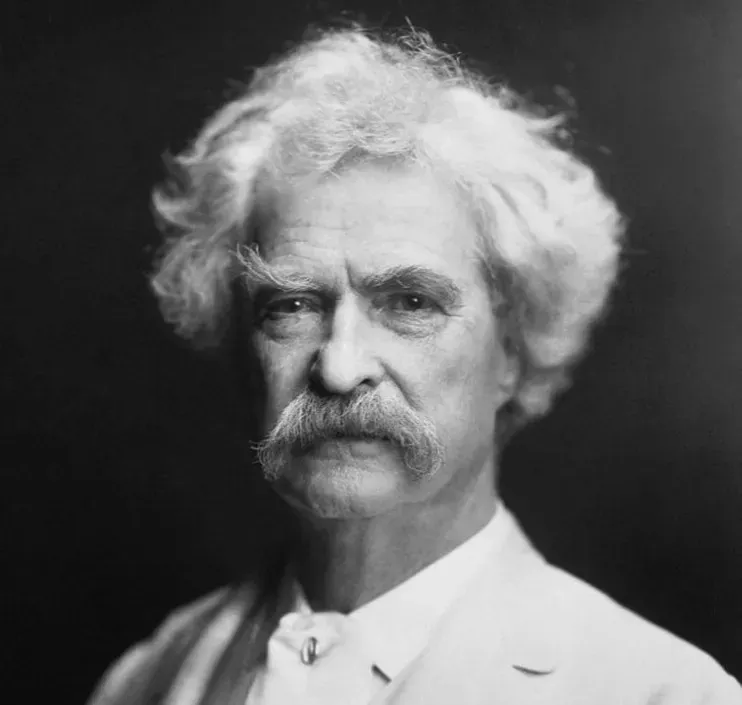
Samuel Langhorne Clemens wrote as Mark Twain, a name taken from river pilot language. Twain meant two, and the call marked water two fathoms deep, which was safe for steamboats. Clemens had worked on the Mississippi before turning to writing.
He first used the name in 1863 while working as a journalist in Nevada. It later appeared on The Adventures of Tom Sawyer and Adventures of Huckleberry Finn. Few writers have been so thoroughly absorbed by their own pseudonym.
Lewis Carroll

Charles Lutwidge Dodgson published Alice’s Adventures in Wonderland under the name Lewis Carroll in 1865. He was a mathematics lecturer at Christ Church, Oxford, and he kept his academic work separate from his children’s fiction. His mathematical texts went out under his real name.
The pseudonym was reportedly built by reworking his own names. Lutwidge became Ludovicus, then Lewis, while Charles became Carolus, then Carroll. It is a neat bit of wordplay from a man who loved puzzles.
Voltaire
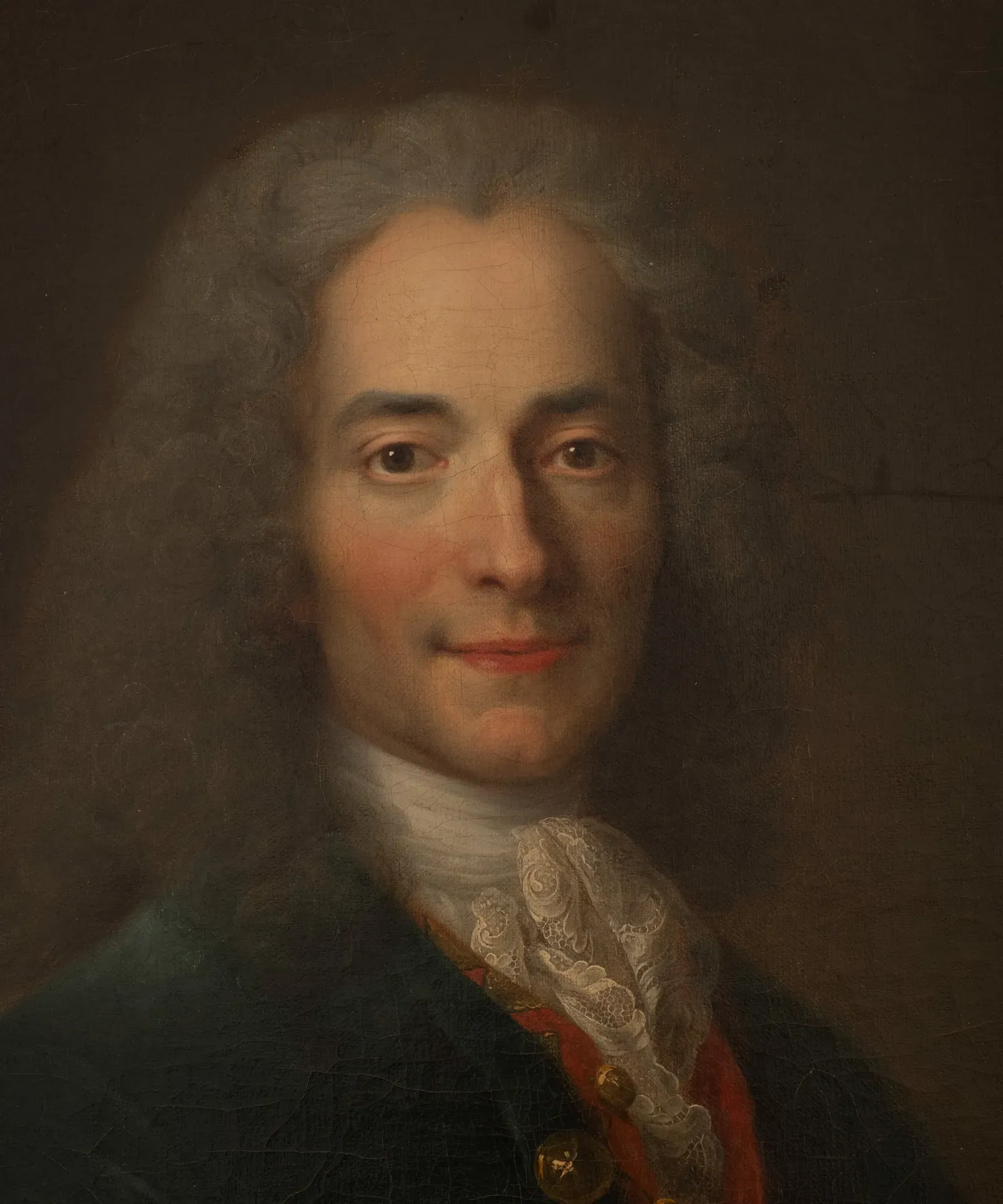
The French Enlightenment writer Voltaire was born François-Marie Arouet in Paris in 1694. He adopted the name around 1718, after the success of his tragedy Oedipe. Scholars have offered several theories about where it came from, including an anagram of a Latinized spelling of his family name.
Taking a new name also let him step away from his family background. He went on to write Candide and many essays and letters that challenged church and state. His chosen name is the one history kept.
Dr. Seuss
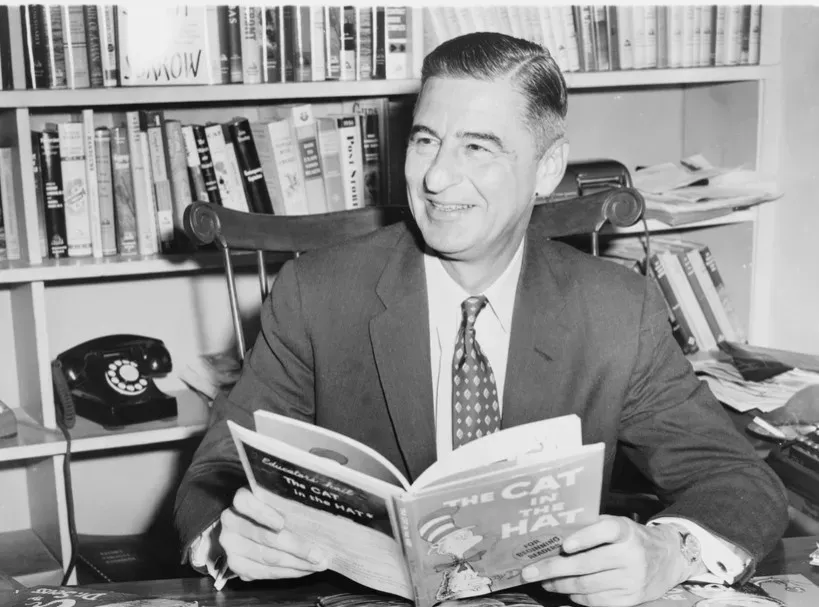
Theodor Seuss Geisel wrote and illustrated The Cat in the Hat and Green Eggs and Ham. Seuss was his middle name and also his mother’s maiden name. He began using it as a student at Dartmouth College, after a trouble with campus rules limited his role on the humor magazine.
He later added the Dr., a nod to his father’s hopes that he would earn a doctorate at Oxford. He never completed that degree. The title became part of the brand anyway.
J. K. Rowling

Joanne Rowling had no middle name when Harry Potter was first published in 1997. Her publisher suggested initials because they feared boys might shy away from a book written by a woman. She borrowed the K from her grandmother Kathleen.
She later used another pseudonym, Robert Galbraith, for crime novels beginning with The Cuckoo’s Calling in 2013. Her authorship was revealed publicly that same year. The Galbraith series, which she continues to write, has kept going in recent years.