


Music has always sparked opinions, but few debates run hotter or longer than the ones about how people actually sing. Not what they sing about, not how they dress, not their social media presence – just the raw mechanics of the voice itself. For decades, certain vocal techniques have accumulated enough complaints to fill a stadium, with listeners from all generations weighing in on what sounds beautiful, what sounds lazy, and what sounds like a stunt.
The criticism isn’t always fair, and it’s rarely simple. Some styles get attacked because they’re overused, others because they feel inauthentic, and others simply because tastes evolve. Still, patterns emerge. Certain vocal habits keep showing up at the top of “most annoying” lists year after year, and in 2026, many fans feel their frustration has only grown louder. Here are the eight that get the most grief.
Oversinging and Excessive Vocal Runs


Oversinging is a term, sometimes used derogatorily, aimed at vocal styles that dominate the music they are performed in, including melisma and belting, and overuse of embellishments on a single sound. This approach often prioritizes technical display over clarity and storytelling, particularly in genres like pop, R&B, and musical theater. Critics argue that oversinging undermines aesthetic value by obscuring lyrics and appearing insincere, as the performer’s virtuosity overshadows genuine expression.
Mariah Carey, Whitney Houston, Christina Aguilera, Kelly Clarkson, Ariana Grande, and Céline Dion are well known for their heavy use of melisma and belting, and the term “oversinging” is most often applied to beloved singers such as these by people who feel negatively toward the style. This criticism is mainly focused on too much “vocal gymnastics,” which some feel degrades the artistic merits of the song, rather than on any concern that a singer is straining their voice too much.
Melisma Overload

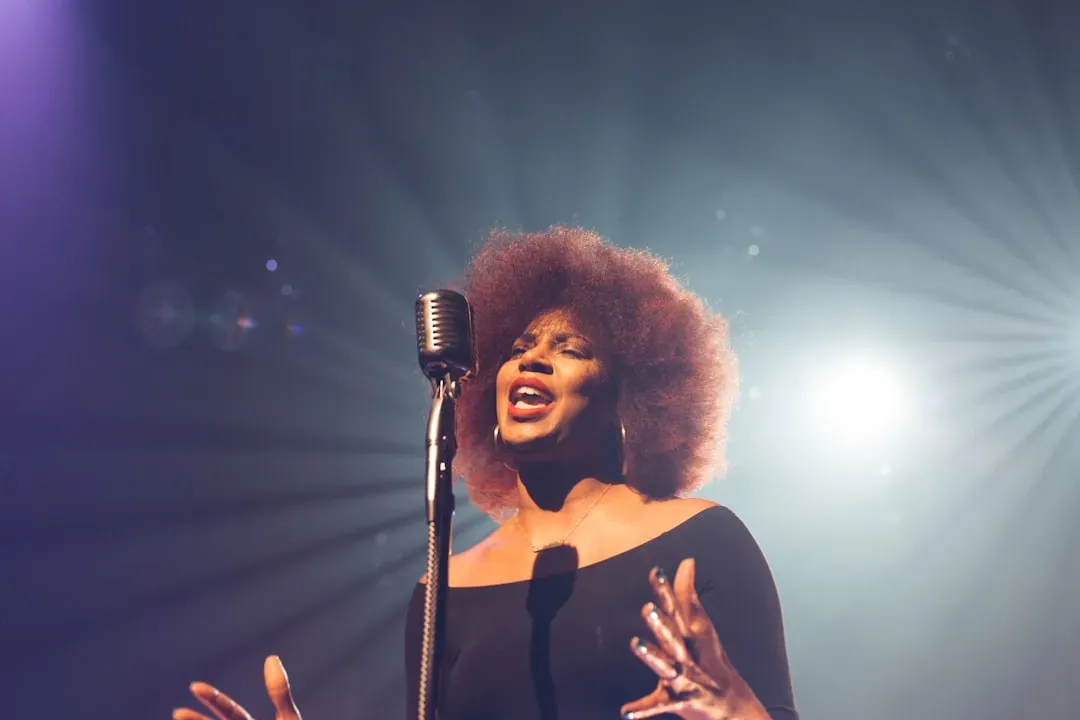
Melisma migrated into pop music at some indistinct point, and now it’s quite common in R&B or R&B-influenced pop music. Whitney Houston’s iconic cover of “I Will Always Love You” is widely seen as a tipping point for the overuse of melisma, and it seems like many singers since then have tried to outdo it. The problem is that many singers in recent years have simply blindly abused it to lend their songs some sort of vague “soulfulness,” and it just becomes annoying.
A good rendition of a song can turn to bad when trite, gratuitous, and unnecessary melismatic tricks are used. Many music fans argue that melisma should only be used very conservatively, like a garnish. There’s nothing wrong with a sprig of parsley on a plate, but nobody wants their steak buried under a mound of it. The technique genuinely requires skill, but that skill means nothing if it smothers the song’s original emotion rather than amplifying it.
Heavy Auto-Tune as a Crutch


Auto-tuning is done with software that enables the correction of an out-of-tune vocal performance, used by singers to compensate for a lacking voice, or by rappers to sound like robots. This has caused many controversies and career debates over the years, with some rappers starting to use auto-tune to degrees that listeners find simply unbearable. Some artists use auto-tune so heavily that it masks the person’s voice entirely, with figures like Kanye West and Travis Scott using it so much that when you hear them talk, it sounds like a completely different voice.
A recent example came from 2026, when many fans said a major release used too much auto-tune, making it difficult to distinguish between the members’ voices, with one listener noting: “The autotune was crazy, couldn’t even tell who is singing each song.” A significant negative of heavy auto-tune use is the backlash, as artists often lose respect from listeners who feel the voice has been entirely replaced by software. There is also the very real risk of using it incorrectly, making an entire song sound like an amateur attempting to sing like a robot.
Vocal Fry as a Stylistic Default


When a person speaks, their vocal cords naturally close to create vibrations as air passes between them to produce sound. In contrast, people relax their vocal cords and take in a low amount of air to produce slower vibrations and a low, creaky sound when using vocal fry. Vocal fry is often perceived by many listeners as a sign of boredom or low effort. In singing, when it becomes a consistent stylistic default rather than an intentional texture, audiences tend to notice quickly.
Listeners generally prefer a normal vocal register over vocal fry, associating the latter with lower trustworthiness and competence. This negative perception is more pronounced in female voices, where it can be linked to traits such as incompetence and lack of education. Younger listeners tend to perceive the trend less negatively compared to older listeners, though the overall sentiment remains largely unfavorable across age groups. In music specifically, artists who deploy heavy, unvaried vocal fry across an entire record often find fan communities pushing back hardest.
The Faux Country Accent

Few things irritate music fans more quickly than a singer who suddenly adopts a thick country twang the moment it becomes commercially convenient. In 2024 alone, a remarkable number of artists “went country” on albums or collaboration singles, including Beyoncé, Post Malone, Machine Gun Kelly, Dua Lipa, Lana Del Rey, Shawn Mendes, Kesha, and many others. The sheer volume of these pivots made the affected vocal style feel less like artistic exploration and more like market research made audible.
The criticism here is less about the genre itself and more about the affectation layered into the delivery. Listeners are quick to sense when a dropped vowel or a drawl sounds borrowed rather than lived-in. When an artist is everywhere and their sound is ubiquitous, people start to pick apart their production or style simply because they hear it too often – it is less about a lack of talent and more about the saturation of a sound in the industry. Pile a copied accent on top of that saturation, and the complaints multiply fast.
Theatrical Belting Without Emotional Purpose

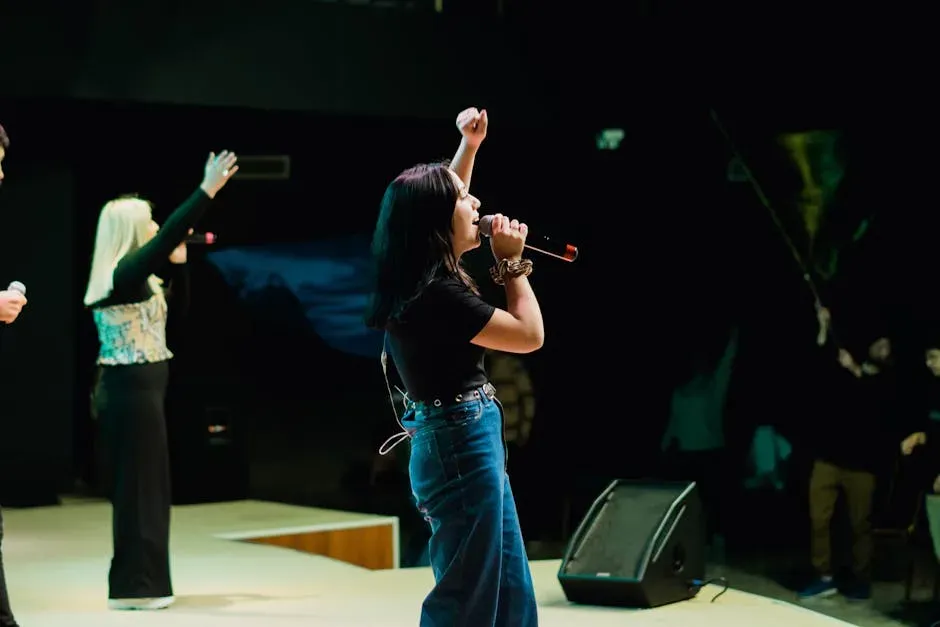
Oversinging is singing that is excessive in one or more dimensions: too loud, too ornamented, too melismatic, too expressive, or employing too much vibrato. Belting falls squarely into this territory when it becomes a reflex rather than a choice. Fans describe the experience as listening to someone scream a melody at them with great technical precision but zero intimacy. The power is there. The feeling, somehow, isn’t.
Critics argue that over-trained styles come across as inauthentic and forced, stressing that true vocal artistry emerges from balanced technique that serves the song, not from embellishments that mask a singer’s natural voice. Straining the singing voice by using belting without proper coordination can lead to vocal fatigue and, in extreme cases, the development of vocal nodules, a form of scarring on the vocal cords caused by abusive voice practices. Audiences may not know the technical term, but they can hear when a voice is working against a song rather than for it.
Reality TV Vocal Acrobatics

From the 2000s onward, reality TV competitions like American Idol amplified oversinging as a competitive staple, encouraging contestants to deploy vocal runs and belting in contests. These shows popularized the amateur overuse of melisma to impress judges and audiences, fostering a norm of emotional exaggeration that persisted well beyond the shows themselves. That norm never fully went away.
When amateurs on shows such as American Idol are criticized for oversinging, it can be both because they use far too much “vocal gymnastics” and strain their voice beyond their capability when trying to mimic famous singers with far greater vocal ranges and training. Many fans complain that contestants in such shows tend to oversing and blame prominent American female singers for inspiring that behavior. Some observers say it has been a rising trend following the many singing contests that started appearing in the early 2000s, especially in the United States. Twenty-plus years on, the style has become shorthand for a certain kind of calculated emotion that listeners find exhausting.
Monotone Breathy Pop Whispering

At the opposite end of the spectrum from oversinging sits a vocal style that barely registers above a murmur. Breathy, low-affect, almost spoken-word delivery became trendy in indie and alternative pop circles and has since spread far into the mainstream. Where vocal gymnastics overwhelm the song, this style underserves it, leaving listeners unsure whether an emotion was ever actually intended. It can feel less like vulnerability and more like a performance of detachment.
Consistent use of low-register, minimal vocal patterns can make singers sound weak, monotone, or unclear, particularly in environments where there is any competing sound. The style works brilliantly in small doses and in the right sonic context, but when it becomes a default mode across an entire album or career, fans start to feel they’re being kept at arm’s length. As one vocal theory framing puts it, ornamentation and expression should “emphasize emotion when words are insufficient,” not distance listeners who are seeking heartfelt performance. A whisper can move people deeply – but only if something is actually being said.
What unites nearly all of these criticized styles is a shared tension between technique and truth. Voices that feel most alive are the ones where the method disappears into the moment. When the style becomes the loudest thing in the room, it stops serving the song and starts competing with it – and that’s usually when fans pick up their phones and start typing complaints.


