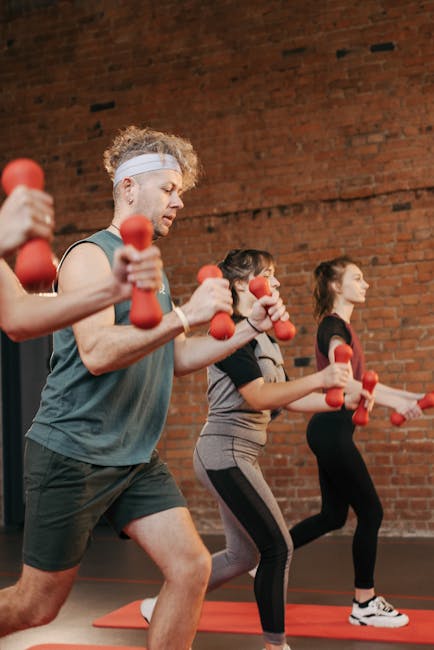
Men Outpace Women, Younger Adults Lead Across Ages (Image Credits: Pexels)
Less than half of American adults achieved the federal benchmarks for aerobic physical activity in 2024, according to a recent Centers for Disease Control and Prevention report.[1] This figure underscores a persistent challenge in public health, where over 52 percent of the population reported insufficient leisure-time exercise to meet the recommended 150 minutes of moderate-intensity activity or 75 minutes of vigorous activity weekly. Regular movement supports cardiovascular health, reduces chronic disease risks, and enhances overall well-being, yet barriers continue to limit widespread adoption.
Men Outpace Women, Younger Adults Lead Across Ages
A stark gender gap appeared in the data. Men reached the aerobic guidelines at a rate of 52.3 percent, compared to 42.4 percent for women.[1] Younger adults also showed higher compliance, with 54.0 percent of those aged 18 to 34 years meeting the standards. Compliance dropped steadily with age, reaching just 38.4 percent among adults 65 and older.
Racial and ethnic differences further highlighted inequities. White non-Hispanic adults met the guidelines at 49.2 percent, closely followed by Asian non-Hispanic adults at 47.9 percent. Hispanic adults achieved 43.8 percent, while Black non-Hispanic adults recorded the lowest rate at 41.4 percent.[1]
- Men: 52.3 percent
- Women: 42.4 percent
- Ages 18–34: 54.0 percent
- Ages 65+: 38.4 percent
- White non-Hispanic: 49.2 percent
- Black non-Hispanic: 41.4 percent
Education and Income Shape Activity Patterns
Higher levels of education correlated strongly with better adherence. Adults with a bachelor’s degree or higher met the guidelines at 58.5 percent, far exceeding the 32.3 percent among those without a high school diploma or GED.[1] Family income followed a similar trend, with lower rates among those below 200 percent of the federal poverty level, rising thereafter.
These patterns suggest that access to resources, time flexibility, and awareness play crucial roles. Communities with targeted programs could address these divides, potentially boosting national averages.
Western States and Urban Areas Show Higher Engagement
Geographic variations emerged clearly. Adults in the West led with 51.9 percent compliance, outpacing the Northeast at 48.4 percent, the Midwest at 46.4 percent, and the South at 44.1 percent.[1] Urbanization levels amplified this: large central metropolitan areas reported 51.5 percent, declining to 40.2 percent in nonmetropolitan regions.
| Region | Percentage Meeting Guidelines |
|---|---|
| West | 51.9% |
| Northeast | 48.4% |
| Midwest | 46.4% |
| South | 44.1% |
States like those in the West, including Nevada, benefit from climates and infrastructure that encourage outdoor pursuits. Policy efforts to expand trails and parks in lagging areas hold promise.
Health Conditions and Disabilities Compound Challenges
Physical activity levels tied closely to overall health metrics. Adults with excellent or very good health reported 57.8 percent compliance, while those in fair or poor health managed only 23.7 percent.[1] Disability status widened the divide: 49.8 percent without disabilities met guidelines, versus 22.4 percent with them.
Body mass index offered another lens. Healthy-weight individuals led at 54.8 percent, followed by overweight at 49.8 percent, underweight at 44.3 percent, and those with obesity at 38.0 percent. These links highlight how inactivity and health outcomes reinforce each other.
Key Takeaways
- Overall, 47.2 percent of U.S. adults met 2024 aerobic guidelines, leaving 52.8 percent short.[1]
- Disparities persist by gender, age, race, education, region, and health status.
- Aerobic activity reduces risks for heart disease, high blood pressure, and poor sleep.
The CDC report draws from the 2024 National Health Interview Survey, focusing on leisure-time aerobic efforts aligned with the 2018 Physical Activity Guidelines for Americans. While progress appears modest from prior years, sustained initiatives could narrow gaps. Communities and individuals stand to gain from simple steps like brisk walking or cycling. What are your go-to ways to stay active? Tell us in the comments.