
There’s something genuinely unsettling about a voice that fills every radio in the country one summer and then simply goes quiet. No farewell tour. No announcement. Just absence. For child singers in particular, the music industry has always been a strange and unforgiving place – one that can turn a twelve-year-old into a global commodity before they’ve even finished middle school.
Fame has a peculiar way of consuming children whole. One decade they are plastered across cereal boxes and movie posters, the next they have simply vanished – no farewell tour, no retirement speech, just silence. The reasons behind these disappearances are rarely simple. Some were locked out of their own careers by legal battles. Others walked away deliberately. A few were quietly destroyed by the very spotlight that made them famous. Here’s what actually happened to some of the most memorable child singers who seemed to vanish at their peak.
JoJo: Held Hostage by a Record Deal Signed at Twelve

In 2004, Joanna “JoJo” Levesque released her debut single “Leave (Get Out),” which established her as one of the most promising pop singers of the decade. At 13, she was the youngest solo artist in history to score a No. 1 song on the Billboard Top 40. After several more hits and roles in major studio films, it was undeniable that JoJo was on track for a massive career in entertainment – but then it all came to a halt and she seemingly disappeared overnight.
Repeated changes in ownership and distribution at her label effectively held JoJo’s career hostage. She submitted multiple albums’ worth of material and was met with silence. Despite losing their ability to distribute music, the label kept the singer frozen in her contract, forcing her to sue – not once, but twice. It wasn’t until 2014 that JoJo finally found lawyers who were able to find a loophole in her ironclad Blackground deal: a minor cannot be held in a contract for more than seven years. It had been ten years since a 12-year-old JoJo had been signed. In 2020, JoJo’s song with PJ Morton, “Say So,” won a Grammy Award for Best R&B Song. She also starred as Satine in Broadway’s Tony Award-winning Moulin Rouge! The Musical in 2023.
Debbie Gibson: Teen Idol Who Reinvented Herself on Broadway

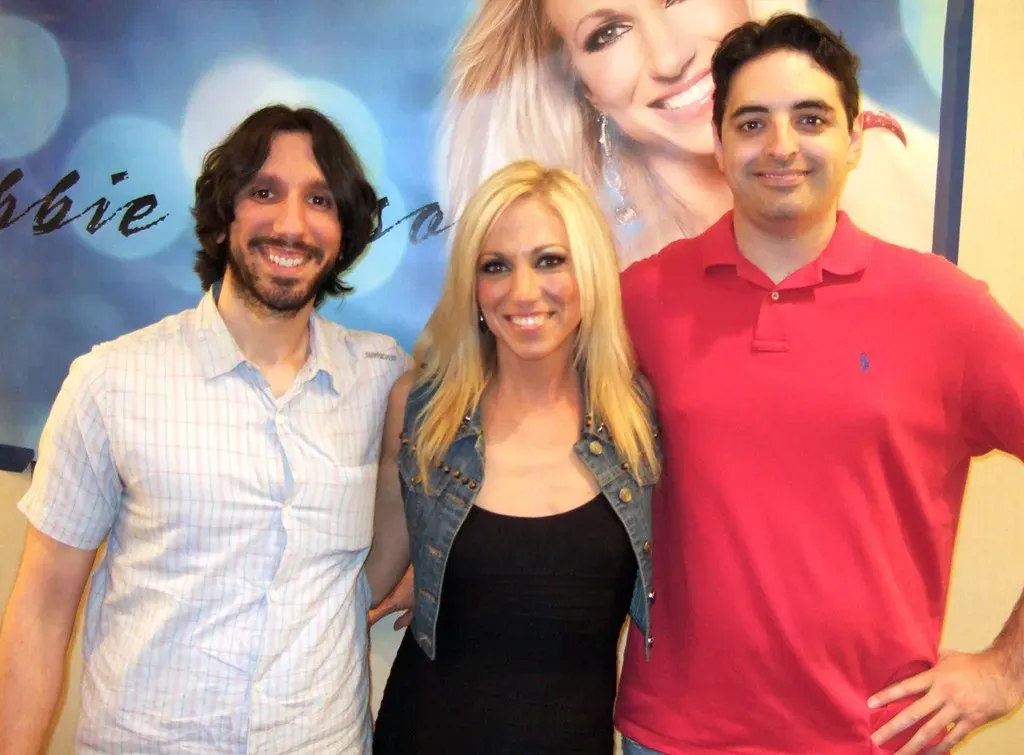
After writing her first song at age five, Debbie Gibson became a teen pop star in the late 1980s with hits like “Only in My Dreams,” “Shake Your Love,” and “Foolish Beat” before even graduating from high school. Her breakthrough came when she became the youngest female artist to write, produce, and perform a number-one single on the Billboard Hot 100 with “Foolish Beat.” The hits dried up quickly though, and by the early 1990s her pop presence had faded considerably.
Gibson took a hiatus from the pop music that defined her youth to remake herself – as Deborah rather than Debbie Gibson – as a stage actress. She made her Broadway debut as Éponine in the 1992 production of Les Misérables. Immediately after concluding her run in Les Mis, Gibson traveled to London to star as Sandy in a West End production of Grease. Gibson released her memoir, Eternally Electric: The Message in My Music, on September 9, 2025, which debuted at number 22 on the Publishers Weekly Bestseller List.
Macaulay Culkin: Two Decades of Deliberate Retreat

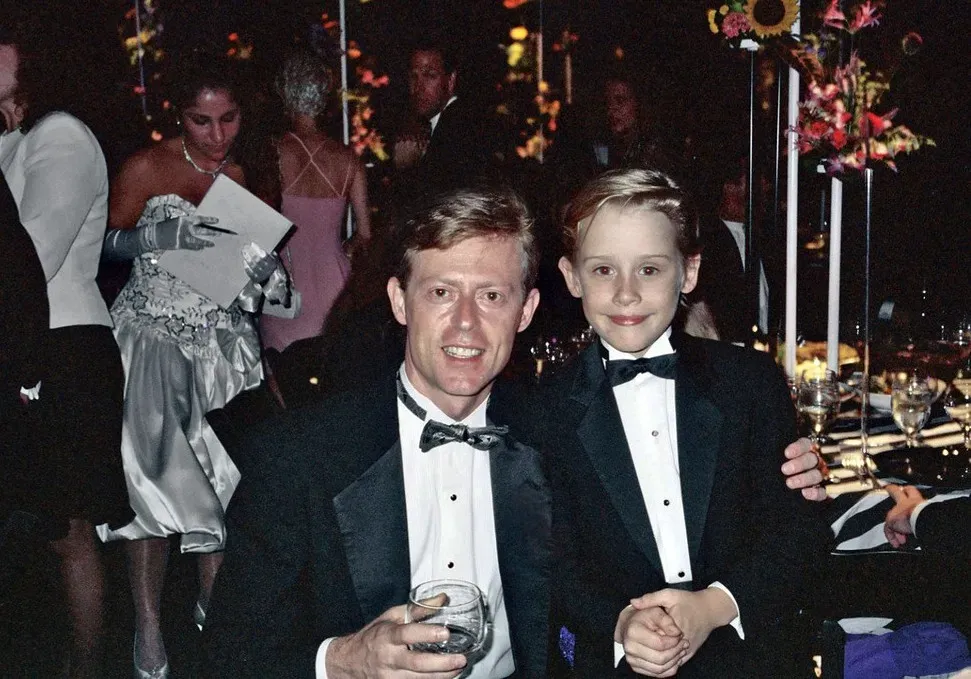
Perhaps the most famous child star of all time, Macaulay Culkin spent nearly two decades avoiding the traditional Hollywood machine and focusing on niche artistic projects. He went through a long period of reclusiveness where he was rarely seen in mainstream media, leading to endless tabloid speculation. Culkin’s story is less about music specifically, but his years as the most famous child performer in the world – and his subsequent vanishing act – defined a generation’s understanding of what early fame could cost.
His massive comeback in American Horror Story: Double Feature reminded everyone that his acting chops are sharper than ever. He has since reappeared on the Hollywood Walk of Fame to receive his star, marking a triumphant and healthy return to the industry he once dominated. His trajectory remains one of the clearest illustrations of what deliberate, self-protective retreat from the spotlight can look like – and sometimes, what it makes possible later on.
The Olsen Twins: From Child Entertainers to Fashion Moguls


Mary-Kate and Ashley Olsen were performing on camera almost from infancy, building a multimedia empire through the 1990s and into the early 2000s through film, television, and direct-to-video releases aimed squarely at young audiences. Their faces were inescapable for over a decade. Then, almost in unison, they stepped back entirely – and never looked back at entertainment. Ashley Olsen walked away from acting when she turned 18 and started a luxury fashion brand with her twin sister, Mary-Kate.
Their fashion house, The Row, has since become one of the most respected luxury labels in the industry, earning consistent critical praise from fashion critics who once covered them as child performers. The transition was so complete and so deliberately maintained that it stands as one of the more extraordinary career pivots in entertainment history. Neither twin has returned to the screen, and neither has shown any inclination to do so.
The Child Prodigy Trap: When Labels Sign Kids Too Young


The ups and downs of child stardom have been well documented over the decades, and far too frequently the journey of a child star is viewed as a cautionary tale, as the inevitable passage of time transforms famous kids into awkward adolescents who watch their fame evaporate. The music industry in particular has a long pattern of signing young performers to multi-album contracts before those performers – or their families – fully understand what they’re agreeing to. The consequences have played out similarly across different eras and genres.
JoJo signed a seven-album deal with Blackground Records at the age of 12. The contract she signed with Blackground Records would eventually lead her to losing ownership of her own voice. After the label lost distribution, she learned that she couldn’t release new music or take on new projects without their approval. This pattern – a child talent with extraordinary promise, a long-term contract signed without adequate legal protection, and years of creative paralysis – has repeated itself often enough to raise serious questions about how the industry treats its youngest artists.
Drew Barrymore: From a Troubled Adolescence to a Genuine Second Act


After becoming a global icon at age seven, Drew Barrymore faced a well-documented and incredibly difficult struggle with the pressures of early fame. She spent a significant portion of her teens and early twenties away from A-list roles, with many in Hollywood writing her off as another “lost” child star. Her story unfolded publicly and painfully through the late 1980s and early 1990s, when tabloid coverage of her personal struggles became a kind of spectator sport.
She staged one of the most successful comebacks in history, reinventing herself as a romantic comedy powerhouse and a prolific producer. Today, she has reappeared in a completely new light as a beloved daytime talk show host, proving that your darkest chapters don’t have to define your entire story. Drew Barrymore comes from a long line of actors and made her big-screen debut in 1982’s E.T. the Extra-Terrestrial. Since then, she’s starred in films like Santa Clarita Diet, Charlie’s Angels, and Blended, along with having her own talk show called The Drew Barrymore Show.
Tiffany: Mall Tours, Chart Peaks, and a Quieter Life


Tiffany exploded onto the American pop scene in 1987, famously launching her career with a series of performances in shopping malls before her debut album rocketed to the top of the charts. She was sixteen, self-confident, and seemingly unstoppable. Within a couple of years, however, the momentum shifted – her follow-up albums failed to replicate those initial heights, and she transitioned out of mainstream pop almost as quickly as she had entered it.
In the summer of 2011, Gibson toured with fellow 1980s pop princess Tiffany, which gave both artists a nostalgic moment in the spotlight that fans clearly appreciated. Tiffany has continued performing in smaller venues and on nostalgia tours over the years, and she remains active in the country and pop spaces. Her story is one of the more grounded outcomes in this category: a performer who accepted the shape her career took and kept making music on her own terms.
The Psychological Toll That Rarely Gets Discussed


The sad truth is that many child stars suffer from mental and psychological issues later in life. Unprepared for so-called “normal” life, these former child stars can find themselves lost and rudderless. For child singers specifically, the pressures are layered in unusual ways. A singer’s instrument is their voice, and a child’s voice changes. That physical reality – inescapable and timed precisely to adolescence – means that even a flawless career trajectory can be interrupted by biology alone.
Debbie Gibson has noted that in the late 1980s, “panic attack” wasn’t even on the tip of anyone’s tongue, and there was such a stigma around mental health struggles back then. The industry simply wasn’t equipped to support young performers through the psychological weight of sudden, massive fame. For many, the “disappearance” isn’t a failure, but a conscious choice to pursue education, start families, or explore careers in entirely different industries. That framing matters. Disappearing isn’t always collapse. Sometimes it’s survival.
When Silence Is Actually a Choice: The Stars Who Walked Away Cleanly

There are also those who walked away from Hollywood, only to return as adults to successfully restart their careers and achieve even greater fame than they’d experienced as kids. The fortunate ones just let their fame wash over them, leaving it behind and following their passions. This group tends to attract less attention precisely because their stories lack the drama the press prefers. A former child singer who quietly earns a degree, builds a family, and occasionally performs at local venues doesn’t generate clicks. But their outcomes are often the most human of all.
Sometimes celebrities step out of the spotlight by choice or disappear after a period of personal drama, while others just seem to lose the favor of audiences over time. The distinction matters enormously when we talk about these careers. Framing every quiet exit as a tragedy misses the point. Growing up in the public eye is a double-edged sword that often leads many young performers to seek a quieter life far away from the flashing cameras. We see these child stars dominate our favorite sitcoms and movies, only for them to seemingly vanish into thin air once they reach adulthood. For some, that vanishing was the wisest thing they ever did.
What Their Stories Actually Tell Us About the Music Industry


Sometimes, a talented artist will get a taste of fame and commercial success, only to virtually disappear from mainstream attention just as quickly. The child singers covered here span several decades, and yet the patterns that shaped their exits are strikingly consistent: exploitative contracts, inadequate mental health support, the physical reality of a changing voice, and an industry more interested in short-term profit than long-term welfare. Many child stars are tossed into this world of greed, competition, and overwhelming pressure without much say.
The most interesting thing about revisiting these stories in 2026 is how many of these former child singers have found real ways to reclaim their narratives. JoJo wrote a memoir. Debbie Gibson wrote a memoir. JoJo has released several critically acclaimed studio albums, EPs, and mixtapes, and started her own label, Clover Music. While Debbie Gibson has not returned to the heights of her 1980s fame, she continues to tour and recently celebrated the 35th anniversary of Electric Youth. Ownership – of music, of story, of career – turns out to be what most of them were chasing all along.