It starts with a few seconds of video. A smoky laptop. A kid laughing behind a screen. A “challenge” with a catchy name spreading from school to school like wildfire – because sometimes, it literally causes one. Social media dares have always been a part of teenage culture, but what’s happening right now in classrooms across America, including schools in North Las Vegas, is genuinely alarming. These aren’t harmless pranks. They’re putting kids in physical danger, legal jeopardy, and mental health spirals that parents often don’t see coming.
The problem is moving faster than most schools or families can react. By the time a warning goes out, thousands of students have already watched the videos. So before your child’s school sends home that letter, you need to know exactly what’s out there. Let’s get into it.
What the ‘Chromebook Challenge’ Actually Is

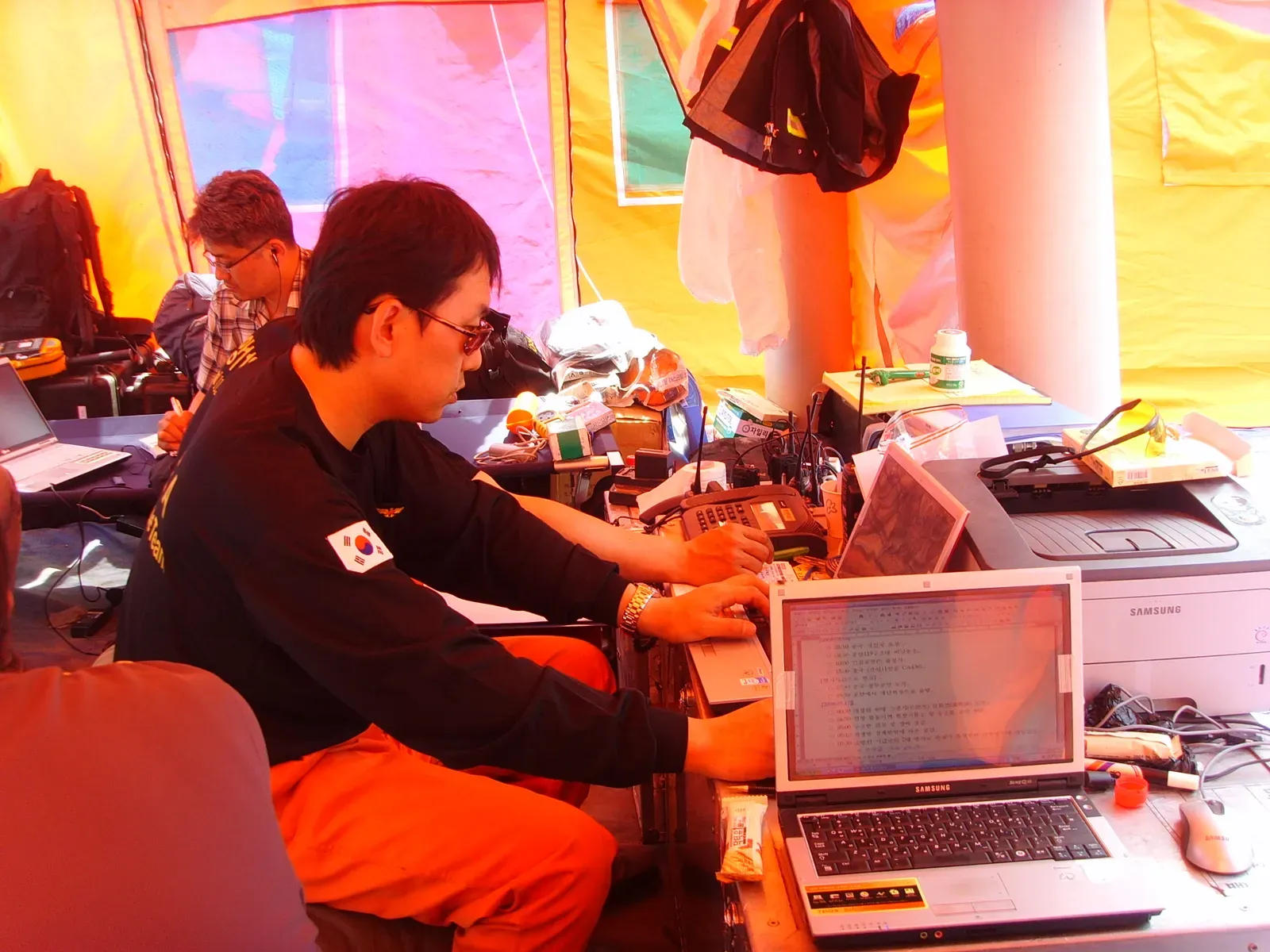
Here’s the thing – most parents picture social media dares as stunts involving food or silly dances. The Chromebook Challenge is something far more dangerous. The challenge involves teens jamming objects like paper clips and pencils into the USB port of a laptop, causing them to short-circuit and, in some cases, catch fire. It sounds almost unbelievable that a kid would do this. Until you see how many actually have.
A growing TikTok trend challenging users to insert objects into laptops, with some sparking fires or resulting in evacuations, has school districts and fire departments across multiple states sounding the alarm to parents, students, and the general public. This is not an isolated story from one quirky school. It has gone national, fast.
The trend has impacted school districts all over the country, with reports of incidents in Colorado, New York, Connecticut, California, Texas, West Virginia, Wisconsin, Kentucky, Maryland, Virginia, and Florida. North Las Vegas families should not assume their local schools are immune. Trends like this don’t respect state lines.
The Real Physical Danger Hidden Inside Your Kid’s Laptop


People hear “laptop fire” and picture a small flicker. The truth is much scarier. Chromebooks and similar devices contain lithium-ion batteries which, when compromised, can reach temperatures exceeding 900°F and produce toxic smoke – fires involving these batteries are difficult to extinguish and pose a serious safety hazard. That’s hotter than most household ovens.
Lithium-ion batteries that are tampered with can experience an issue called thermal runaway, where batteries go into failure, become damaged, explode, catch fire, or expel toxic fumes. Think about that word: thermal runaway. It doesn’t stop on its own. Once that battery goes, it goes.
At Belleville High School in New Jersey, a student tried the “Chromebook Challenge,” leading to a Chromebook lithium-ion battery to swell up and start smoking inside a classroom. That wasn’t a controlled experiment. That was a room full of students suddenly surrounded by toxic smoke. No injuries were reported in that particular incident, but fire officials said it easily could have gone differently.
It Has Already Reached Classrooms Near You

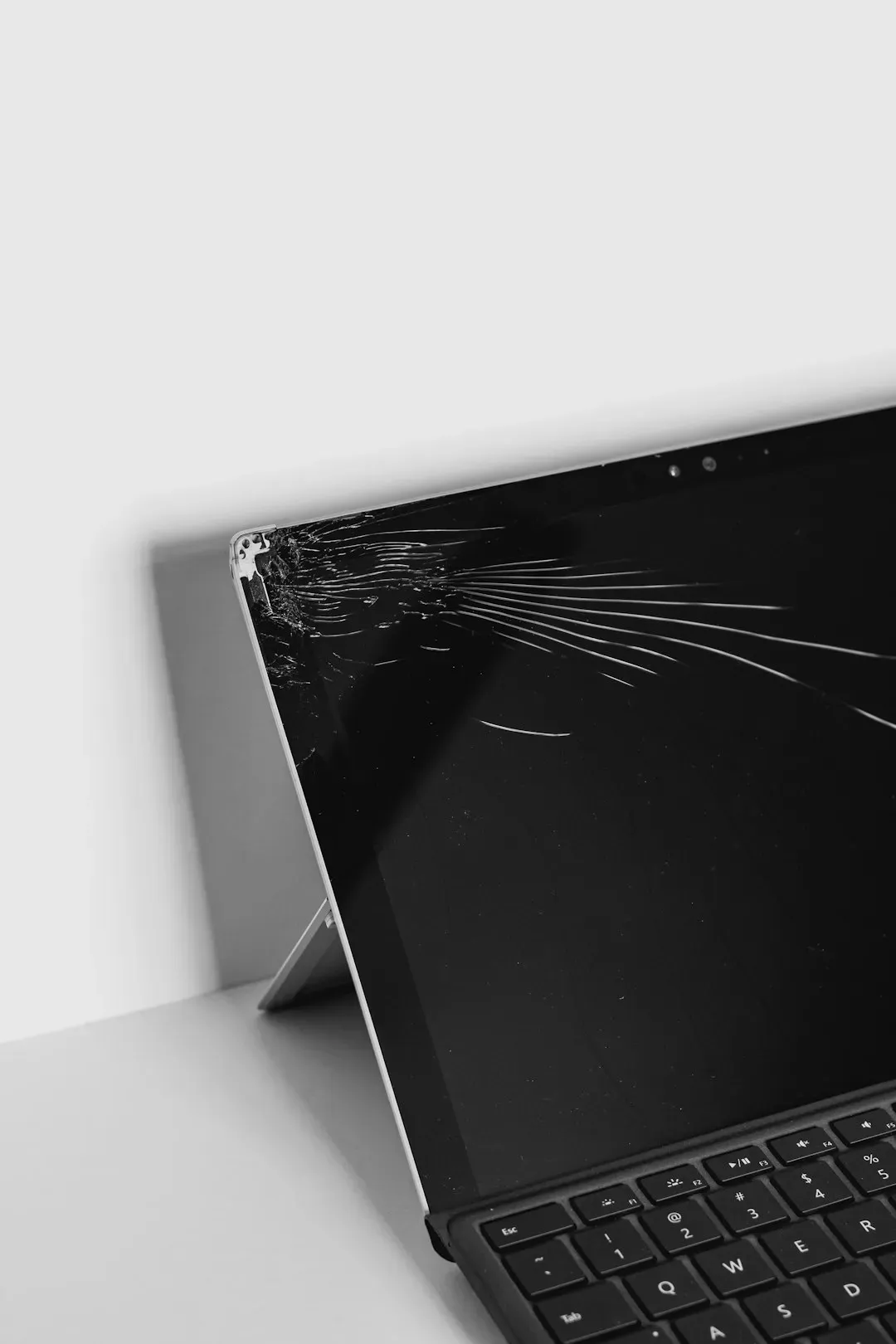
It would be comforting to think this is a coastal big-city problem. It isn’t. In Arizona, incidents at multiple Bullhead City schools led to laptop damage and an evacuation, with evidence pointing to the TikTok challenge. Beyond that, the San Diego Unified School District reported 16 damaged Chromebooks, incurring over $7,000 in replacement costs. The Colorado Springs Fire Department documented at least 16 local occurrences, with some students directed to a youth firesetter intervention program.
Western states are fully in the middle of this, and Nevada is geographically and demographically connected to all of them. Clark County School District officials acknowledged that school districts across the country are witnessing a rise in social media trends and rumors of threats to campuses, and that these are investigated by CCSD Police Officers. The infrastructure to respond is there, but prevention starts at home.
The Legal Consequences Kids Are Not Expecting

Most kids doing this dare genuinely think of it as a prank. They are not thinking about arson charges. Another dangerous TikTok challenge has prompted urgent warnings from school districts and law enforcement agencies in multiple states, and led to arson charges brought against a 15-year-old student in New Jersey. One prank. One criminal charge. One future upended.
In Ohio, a 15-year-old Eastern Heights Middle School student was charged with felony counts of arson and vandalism after police said he tampered with his Chromebook, filling a classroom with smoke. Felony counts. That isn’t a school detention. That follows a child into adulthood.
In Northern California, a student in Long Beach was arrested on suspicion of arson after allegedly inserting a foreign object into a battery charging port into their Chromebook, according to the Long Beach Police Department. Parents need to communicate this reality clearly: what TikTok frames as “content” can very quickly become a criminal record.
CCSD Has Been Here Before – And It’s Not Getting Easier

North Las Vegas sits within the Clark County School District, one of the largest in the United States. This district has been grappling with social media-driven disruptions for several years now. For the past few days, the Clark County School District Police Department has been diligently tracking dozens of reports of vague social media threats, and as educators are aware, these posts can create disruptions on campuses and the surrounding community.
In an email to parents, Clark County School District officials referenced “some social media trends and rumors” that led them to address “unsubstantiated threats” to local schools, indicating the threats are part of an apparent trend happening in other parts of the country too. That’s the pattern: something starts elsewhere, spreads online, and lands in a North Las Vegas classroom before the administration has time to formally respond.
The Mental Health Picture Behind Why Kids Participate

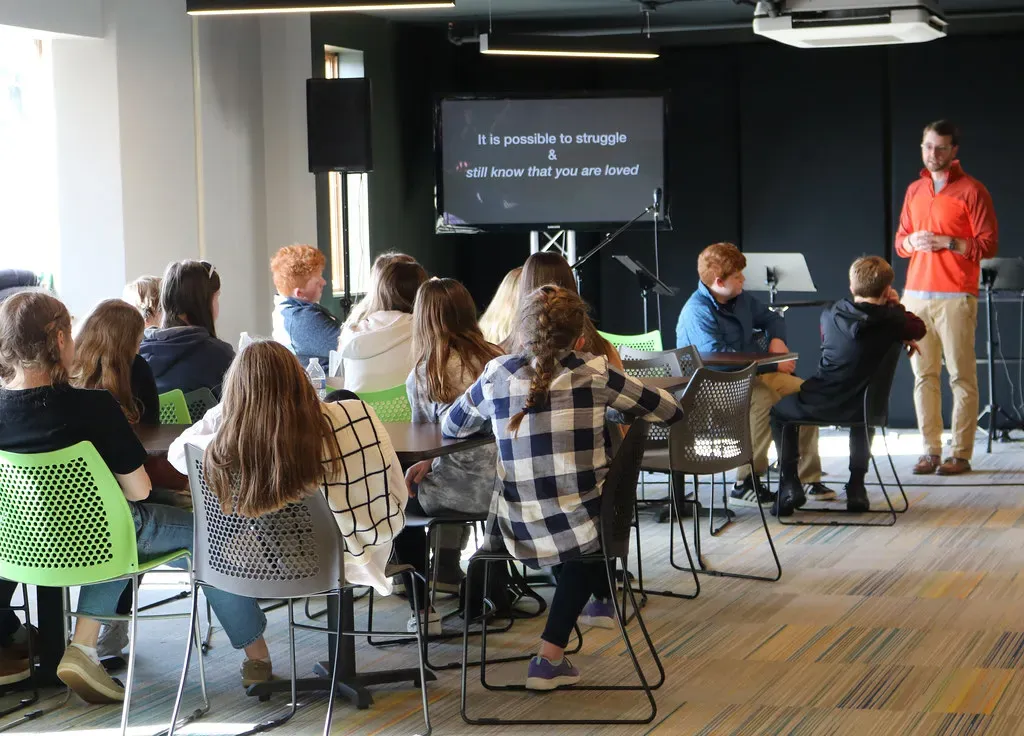
Let’s be real about something. Kids don’t do these things in a vacuum. There’s a broader emotional context driving participation in dangerous dares. More than a quarter of U.S. adolescents experienced poor mental health and about 40% felt persistent sadness and hopelessness, according to the 2023 Youth Risk Behavior Survey by the Centers for Disease Control and Prevention. That’s a staggering proportion of young people walking into school each day already struggling.
Factors like social media affect student mental health, particularly among specific groups like girls, LGBTQ+ students, and students from marginalized racial and ethnic groups. When kids feel invisible or disconnected, viral challenges offer something that feels powerful: attention, belonging, and a brief moment of being seen.
Frequent social media use was associated with a higher prevalence of bullying victimization at school and electronically, persistent feelings of sadness or hopelessness, and some suicide risk among students – including seriously considering attempting suicide and having made a suicide plan. The connection between heavy platform use and emotional instability is not just theoretical anymore. It’s documented at the national level.
The Algorithm Problem No One Is Talking About Enough

Here’s where it gets really uncomfortable. These challenges don’t just go viral by accident. The way recommendation algorithms work, once a teenager watches one challenge video, the platform feeds them more. Social media algorithms are built to promote whatever you seem interested in. If a teen searches for any kind of risky or extreme content, the platform will continue feeding them similar information, which is not necessarily good for mental health or behavior.
Research has found that monthly exposure to harmful social media challenges increased the likelihood of frequent depressive feelings by 59%, whereas daily exposure to such challenges increased the likelihood by 318% compared to those who were never exposed to harmful challenges. That’s an enormous multiplier effect. The more a kid sees these videos, the more likely they are to feel compelled to act, and the worse their mental state becomes.
Excessive use of social media, defined as more than three hours daily, is linked with increased risk to mental health. And here’s the sobering context: about 77% of teens say they use social media several times a day. That means the vast majority of North Las Vegas teenagers are regularly in the zone where algorithm-fed risky content can reach them.
Cyberbullying and the Dare Cycle

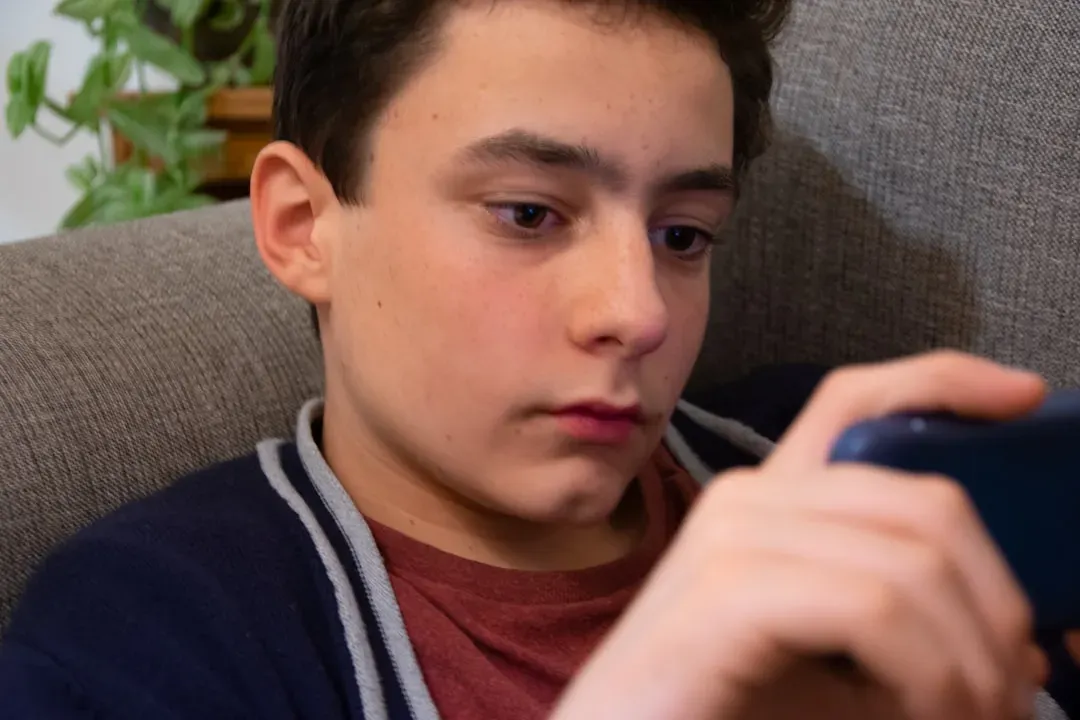
One thing that doesn’t get enough attention is how dares and bullying often operate together. A kid who refuses to participate can become a target. One who does can become internet-famous for a week, then regret it forever. The Pew Research Center found that 46% of U.S. teens have experienced at least one form of cyberbullying, with 32% subjected to offensive name-calling and 22% targeted by false rumors.
Adolescents who experience bullying online are more likely to engage in avoidance behaviors, skip school, withdraw from peers, and experience academic decline. The dare cycle feeds this. Participate and risk physical harm or criminal consequences. Refuse and risk social exclusion. It’s a genuinely difficult position for a 13-year-old to navigate alone.
What TikTok Says It’s Doing – And Why That’s Not Enough


To be fair, TikTok has taken some steps. TikTok said it has removed content that violates its “Dangerous Activities and Challenges policy,” and a search for “Chromebook Challenge” currently redirects users to a safety message. That sounds reassuring until you realize the challenge already had millions of views before any moderation caught up to it.
One TikTok video, viewed 2.6 million times as of reporting, shows a charred Chromebook with a hole in it. The damage was done long before the takedown. That’s always the problem with platform self-regulation. It’s reactive, not preventive. The video already lives in the minds of millions of kids by the time the warning message appears.
Honestly, it’s hard to say for sure whether platform-level changes will ever truly stop these cycles. What we do know is that the origin point for real protection is not a corporate safety team. It’s a parent having a direct, honest conversation with their child before the algorithm gets there first.
What North Las Vegas Parents Can Do Right Now


Awareness is the beginning, not the destination. Both school officials and district superintendents have urged parents to talk with their children about the importance of handling school-issued devices responsibly and to help prevent further incidents. That conversation needs to happen at home, not just in a school newsletter.
Officials are emphasizing the severe dangers of this trend, including fire, potential injuries, and the release of toxic fumes from damaged batteries – and they’re urging parents to discuss these risks with their children, highlighting that families might be liable for repair costs and students could face disciplinary action or legal repercussions. Yes, liability falls on families. That is not a small thing in a household budget.
A family social media plan can help establish rules and educate children and teens about being careful about privacy settings, avoiding strangers online, not giving out personal information, and knowing how to report dangerous content. Keep conversations open, not punitive. Kids who feel safe talking to parents are far less likely to act out for online validation. The goal isn’t surveillance. It’s connection.
The Bigger Picture: A Generation Being Tested Every Day


What’s happening with the Chromebook Challenge is not an isolated spike in bad behavior. It is a symptom of something larger. According to the CDC’s own analysis, we are in the midst of a youth mental health crisis. The online environment is making it worse, and viral dares are just one visible piece of that puzzle.
For the first time, nearly half of U.S. teenagers say social media has a mostly negative effect on people their age – yet only 14% believe it negatively affects them personally, revealing a striking disconnect that psychologists recognize as a “bias blind spot.” Your child might genuinely believe they are immune to these influences. The research says otherwise.
North Las Vegas is a community that has faced a lot of challenges, and its families are resilient. The parents and kids here are not different from anywhere else in America. They want the same things – safety, connection, and a future worth working toward. The least we can do is make sure a 30-second TikTok video doesn’t get in the way of that. Talk to your kids tonight, before the algorithm talks to them first.
What would you do if you found out your child had already watched one of these challenge videos? Tell us your thoughts in the comments below.