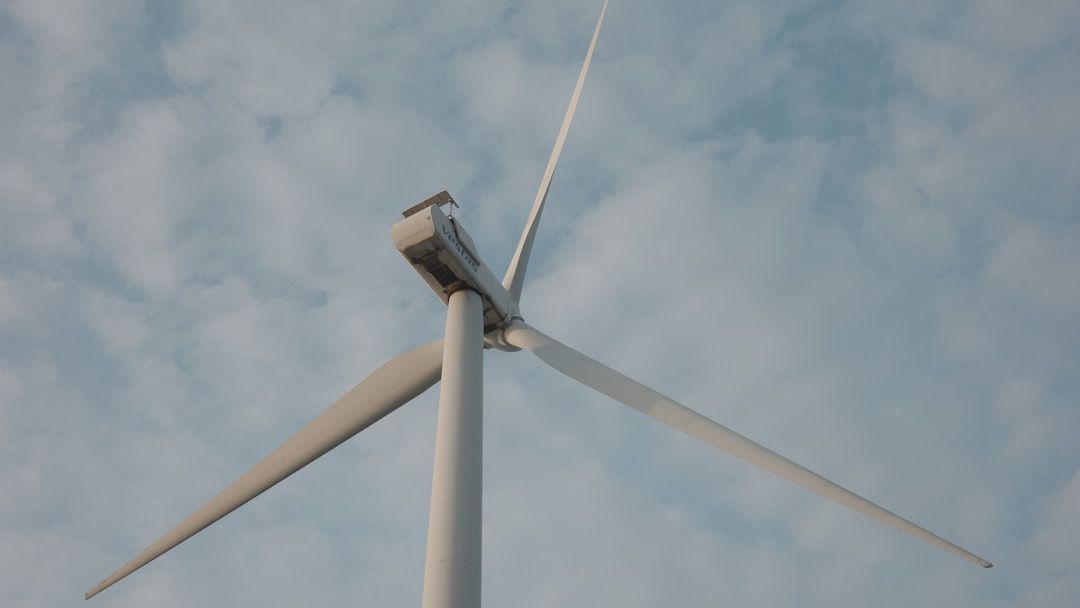
China Widens Its Clean Energy Lead – Image for illustrative purposes only (Image credits: Unsplash)
Leaders from the world’s two largest economies are meeting in Beijing this week, and fresh data highlights a widening split in how each nation is shaping the future of global energy. Chinese firms have directed more than half of all worldwide spending on clean energy manufacturing since 2019. At the same time, fresh U.S. commitments in the same sector fell last year. The contrast points to different priorities in scaling up technologies that will power homes, factories, and vehicles for decades to come.
Tracking the Investment Shift
Since 2019, capital flowing into factories that produce solar panels, wind turbines, batteries, and related equipment has grown rapidly around the world. Chinese companies supplied the largest share of that capital. Their portion exceeds 50 percent of the global total, according to the new analysis. This concentration has allowed China to expand production capacity faster than other nations and to lower costs for key components used in clean energy projects everywhere.
The pattern reflects deliberate policy choices made years earlier. Government support, supply-chain coordination, and long-term planning helped Chinese manufacturers move from smaller roles to dominant positions. Other countries have increased their own spending, yet none have matched the scale or consistency seen in China over the same period.
Partner offer
Where U.S. Spending Stands
American investments in clean energy manufacturing rose in earlier years but dropped in the most recent reporting period. The decline occurred even as federal incentives aimed at boosting domestic production remained in place. Observers note that project timelines, permitting delays, and shifting market signals can affect how quickly announced funds turn into actual factories and equipment.
Despite the recent dip, the United States continues to support research and early-stage development in several clean energy technologies. The overall picture shows two different approaches: one focused on rapid, large-scale manufacturing and the other balancing innovation with slower deployment of new facilities.
Broader Effects on the Energy Transition
The investment gap carries consequences for how quickly the world can cut emissions from power generation and transportation. Lower-cost equipment from Chinese factories has already helped many countries install more renewable capacity than they otherwise could have afforded. At the same time, reliance on a single dominant supplier raises questions about supply security and price stability if trade tensions increase.
Policy makers in both nations now face choices about how to respond. Continued Chinese leadership in manufacturing could accelerate global deployment of clean technologies. A stronger U.S. rebound in factory investment could diversify supply chains and create additional jobs at home. The coming months will show whether the current divergence narrows or widens further.
Partner offer
Planning a trip to Vegas?
Compare hotel rates and show tickets on VEGAS.com.