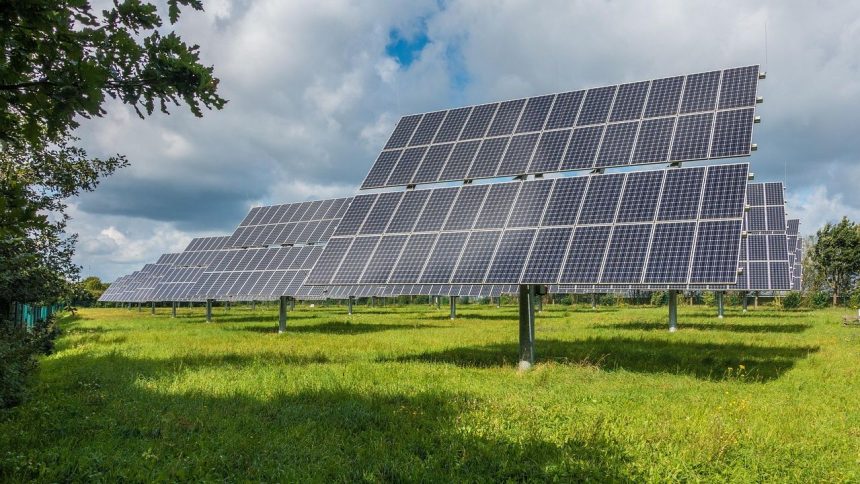
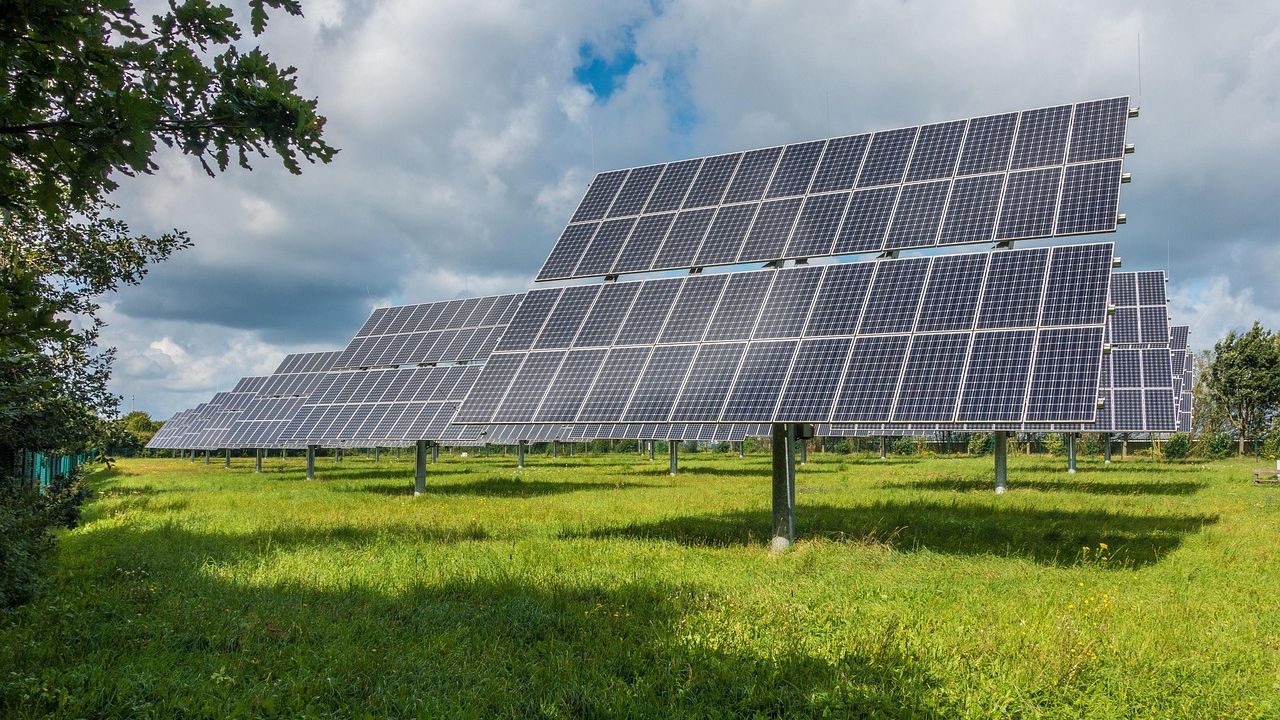

How big can solar go? These 3 projects show us the gigascale future – Image for illustrative purposes only (Image credits: Pixabay)
Power companies once measured ambitious solar developments in hundreds of megawatts. Today those limits have fallen away as panel prices continue to decline and installation methods grow more efficient. The result is a wave of projects that exceed anything imagined five years earlier, with China setting the pace for what comes next.
Why Scale Matters Now
Larger solar installations deliver more electricity from single sites, which reduces the land and infrastructure needed per unit of power. This efficiency matters as grids around the world seek reliable clean energy without endless new transmission lines. The shift also changes how utilities plan long-term capacity, moving from scattered smaller arrays to concentrated hubs that can anchor regional supply.
Developers report that the economics improve sharply once projects cross certain size thresholds. Fixed costs for permitting, grid connections, and maintenance spread across greater output, lowering the overall price of each kilowatt-hour produced. These advantages compound when panels themselves become less expensive to manufacture and ship.
Drivers Behind the Expansion
Panel costs have fallen steadily because of advances in manufacturing and supply chains. At the same time, engineering teams have refined techniques for rapid deployment across vast areas. Together these trends allow companies to commit capital to projects that would have looked unrealistic before.
Financing has adapted as well. Investors now view gigascale developments as lower-risk once construction timelines shorten and performance data from earlier large sites proves consistent. This confidence encourages further rounds of funding for even bigger installations.
China’s Role in Setting the Pace
Chinese developers have moved first and farthest on these oversized projects. Their experience with rapid infrastructure builds has translated directly to solar fields that stretch across hundreds of square kilometers. The country’s policy support and domestic manufacturing base have reinforced this advantage.
Other regions are watching closely. European and American utilities have begun similar but smaller efforts, often adapting lessons from the Chinese examples. The gap in project size remains noticeable, yet the direction of travel is clear across markets.
What Matters Now
Grid operators must prepare transmission and storage systems that can handle concentrated output from these massive sites. Policymakers need updated rules for land use and environmental reviews that reflect the new scale without slowing deployment. Continued cost reductions will determine how quickly the rest of the world follows China’s lead.
The pattern is straightforward: cheaper technology plus proven construction methods equals larger projects. This combination is already reshaping expectations for how much solar capacity can be added in a single development cycle. As more examples come online, the industry will gain clearer data on long-term performance and maintenance needs at this scale.
Ultimately the move toward gigascale solar reflects a broader maturation of the technology. What began as experimental arrays has become a practical tool for meeting rising electricity demand with lower emissions. The coming years will show how far this approach can extend and which regions adopt it most aggressively.