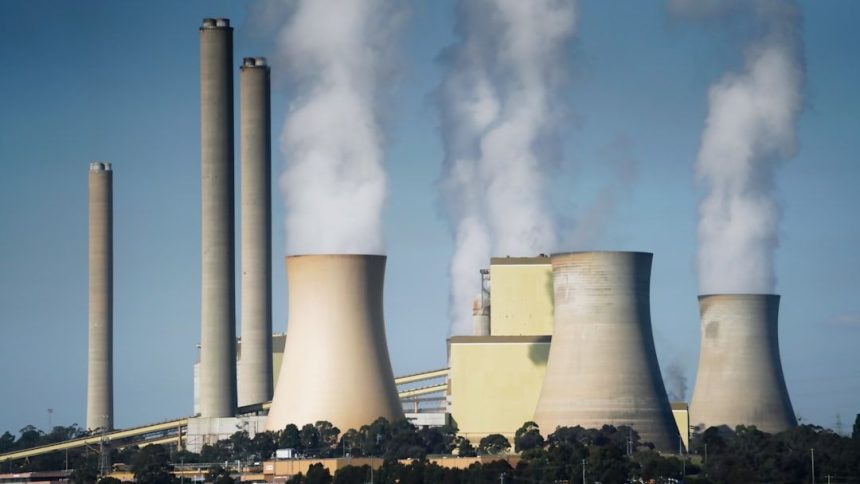


Trump admin defends its coal must-run orders in court – Image for illustrative purposes only (Image credits: Unsplash)
The Trump administration appeared before a federal appeals panel on Friday to defend its authority to direct coal-fired power plants to remain in operation. Lawyers for the government argued that such directives fall squarely within the executive branch’s legal powers. The hearing comes amid ongoing legal challenges from states and environmental organizations that question the scope of those orders.
Arguments Presented in Court
Administration representatives told the panel that the orders address critical needs for grid reliability and energy supply. They maintained that federal law grants the necessary flexibility to issue these directives when circumstances require it. Judges on the panel asked detailed questions about the limits of that authority and how the orders align with existing statutes.
The session focused on the procedural steps the administration followed before issuing the directives. Government counsel stressed that the actions were taken only after careful review of operational data and market conditions. Opposing parties countered that the moves exceed statutory bounds and interfere with state-level energy decisions.
Context for the Legal Challenge
The must-run orders have drawn scrutiny because they require certain coal plants to continue generating electricity even when market forces might otherwise lead to their retirement. Critics contend that the policy favors one fuel source over others and raises questions about long-term environmental impacts. Supporters view the orders as a necessary safeguard against potential shortages during periods of high demand.
Partner offer

Friday’s arguments marked the latest step in a case that has moved through lower courts and now sits before the appeals panel. Both sides presented written briefs in advance, outlining their positions on the balance between federal oversight and state regulatory authority. The panel is expected to issue a ruling in the coming months.
Broader Stakes for Energy Regulation
The outcome could influence how future administrations approach similar directives for power plants of any type. A decision upholding the orders would reinforce the executive branch’s role in maintaining grid stability. A narrower ruling might prompt Congress to consider clearer statutory language on the issue.
Industry observers note that the case reflects ongoing tensions between short-term reliability concerns and longer-term shifts in the nation’s energy mix. The administration has framed its position as a practical response to real-world operating conditions rather than a broad policy shift.
The hearing underscores the administration’s continued focus on supporting domestic coal production through regulatory tools. As the legal process continues, the panel’s eventual decision will help define the boundaries of federal authority in this area.
Partner offer
Planning a trip to Vegas?
Compare hotel rates and show tickets on VEGAS.com.