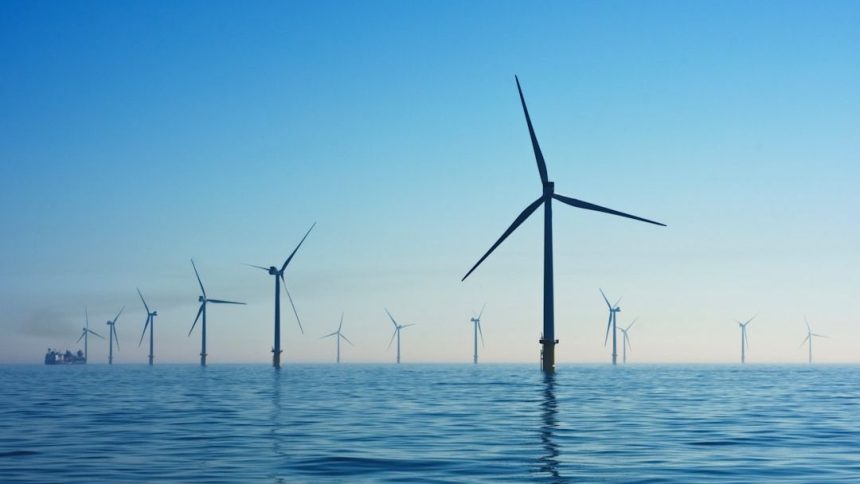
Two Bets On The Future Of Wind Energy: Who Is Right? – Image for illustrative purposes only (Image credits: Unsplash)
The future of wind power is drawing sharp divisions among energy observers, with one forecast standing out for its scale and directness. A recent prediction centers on China and warns that the country could soon confront enormous financial losses tied to its wind energy projects. The claim suggests these setbacks will unfold within roughly ten years and reach hundreds of billions of dollars, possibly climbing into the trillions.
The Prediction at the Center of the Debate
At the heart of the discussion lies a straightforward wager. The forecast states that China will need to record massive write-offs on its wind investments in the near term. This outlook comes amid continued global interest in expanding renewable capacity, yet it underscores questions about long-term returns.
Observers note that the scale of the projected losses would mark a significant shift in how such projects are valued. The timeline of about a decade provides a clear window for watching whether the anticipated adjustments materialize. Attention now turns to how policymakers and investors respond to these signals.
Partner offer
Broader Context for Wind Energy Growth
China has pursued wind power as part of its larger energy strategy for years. The country’s investments have contributed to rapid capacity additions across multiple regions. This expansion has positioned wind as a notable component of the national energy mix.
Yet the prediction highlights potential mismatches between initial expectations and actual performance. Financial write-offs of this magnitude would affect balance sheets and future planning decisions. The outcome could influence how other nations approach similar renewable commitments.
What Matters Now for Investors and Policymakers
Decision makers face a choice between accelerating wind deployment and reassessing project economics. The forecast serves as a reminder that large-scale infrastructure carries financial risks that may only become clear over time. Monitoring actual project performance will provide the clearest test of the prediction.
Global energy markets continue to weigh the role of wind alongside other sources. Any substantial write-offs in China would likely prompt reviews of financing models and technology choices elsewhere. The coming years will reveal whether the bet proves accurate or requires revision.
Partner offer
Planning a trip to Vegas?
Compare hotel rates and show tickets on VEGAS.com.