Hollywood has a long memory but a short attention span. A film succeeds, audiences fall in love with the world or the characters, and somewhere in a network boardroom someone decides the logical next step is a weekly series. The theory sounds reasonable enough. If people liked it for two hours, they’ll keep watching for seasons, right?
A movie can survive on one perfect performance, one clean premise, one big joke, or one very specific cultural moment. TV is less forgiving. TV asks the same question every week: “Okay, but what happens now?” That’s precisely where most of these adaptations stumbled. What follows are seven cases where the small screen didn’t just fail to replicate the original film’s magic. It actively made the original feel a little less special.
1. Ferris Bueller (NBC, 1990): The Fantasy That Couldn’t Survive Monday Nights
A Ferris Bueller TV show is a cursed idea on a molecular level. The movie works because Ferris is a fantasy figure. The 1986 John Hughes film is a carefully constructed daydream, a single perfect day that works precisely because it never has to repeat. Turning it into a weekly sitcom was always going to collapse that spell.
Ferris Bueller is an American sitcom television series based on the 1986 John Hughes film. The show stars Charlie Schlatter in the title role. The series debuted on August 23, 1990, on NBC and was canceled within its first season, a few months after its debut, with only 13 episodes aired. Hughes was not involved in the show’s production. That detail tells you almost everything. The show had the indignity of being canceled before its final episode aired. After a strong debut in August 1990, the ratings plummeted and the plug was pulled in December 1990.
2. My Big Fat Greek Life (CBS, 2003): When the Warmth Goes Weekly
My Big Fat Greek Wedding became a monster hit because it felt personal, warm, specific, and charmingly chaotic. It was a family comedy built around culture, marriage, identity, embarrassment, affection, and the terrifying power of relatives who treat boundaries as a rumor. The 2002 film grossed hundreds of millions on a minimal budget and became one of the most beloved romantic comedies of its generation. CBS saw the opportunity and moved quickly.
CBS saw an opportunity for rom-com gold when they adapted the surprise hit into the television series My Big Fat Greek Life. Nia Vardalos returned as her character in what was a sequel series to the original film. Steven Eckholdt replaced John Corbett as Ian Moller, Nia’s husband. My Big Fat Greek Life premiered to high ratings, but a steady decline in viewership week after week caused CBS to cancel the series after 7 episodes. Seven episodes. The warmth the film spent ninety minutes building simply couldn’t survive being divided into installments.
3. Minority Report (Fox, 2015): The Precog Show That Couldn’t See Its Own Doom Coming
Minority Report is an American science fiction crime drama that aired on Fox from September 21 to November 30, 2015. It was developed as a sequel adaptation of the 2002 film of the same name, based on Philip K. Dick’s short story. The original Spielberg film starring Tom Cruise remains one of the most intellectually ambitious mainstream sci-fi blockbusters of the early 2000s. Its central ethical question, whether society should punish crimes before they happen, gave it genuine weight.
The series did have to do something different as far as the concept, given the movie is a chase film and it’s a concept that doesn’t translate well to TV. But instead of different and original, Minority Report became a detective procedural like many we’ve seen before, a case-of-the-week with an overarching storyline. Despite its conceptual ties to the acclaimed film, Minority Report received mixed critical reception, with a 28% approval rating on Rotten Tomatoes, and suffered from low viewership, debuting to only 3.1 million viewers, leading Fox to reduce its episode order from 13 to 10 and ultimately cancel the series.
4. Dirty Dancing (CBS, 1988): Nobody Should Have Put This in a Corner
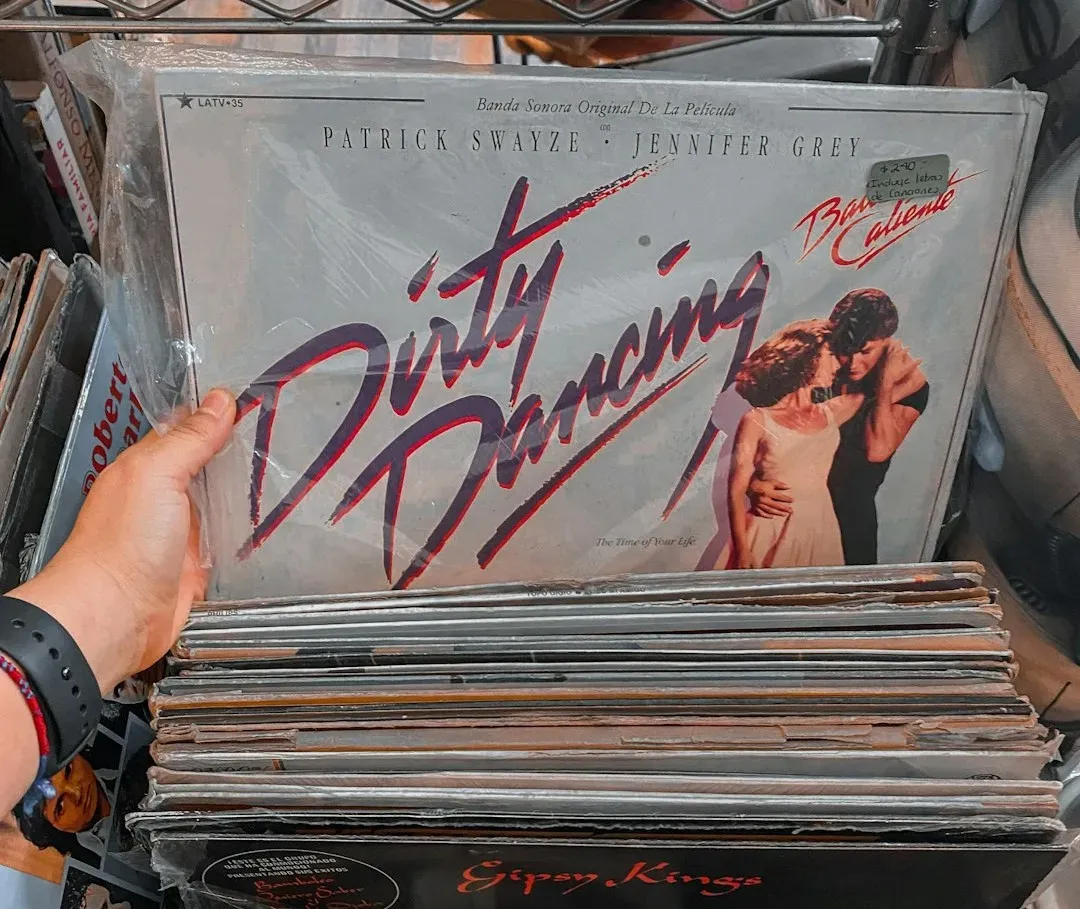
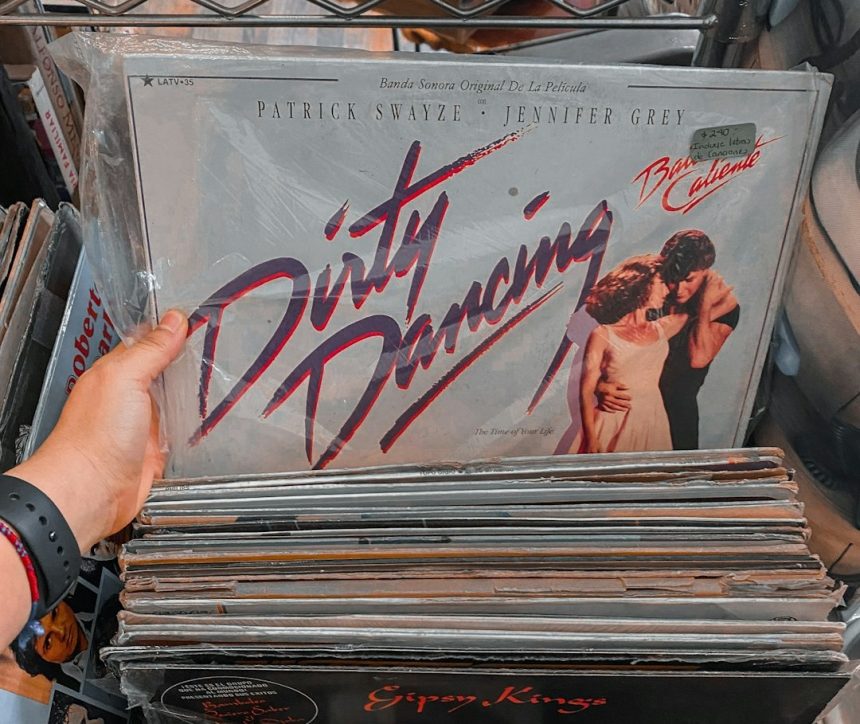
No one better put Baby in a corner, but they could put her on CBS in 1988. The Patrick Swayze and Jennifer Grey romantic classic Dirty Dancing was optioned into a series that hoped to recapture the magic of the film. A pre-The Office Melora Hardin would take over Grey’s role and Patrick Cassidy stepped into Swayze’s dancing shoes as Johnny Castle. The original 1987 film was a phenomenon, not just a romantic drama but a cultural touchstone tied to a specific era, a soundtrack, and two deeply charismatic performances.
Partner offer
The series would be a stretched-out retelling of the events from the film, requiring more padding in the plot to satisfy the episodic format. This is a structural problem that no amount of good intentions can fix. The film worked because it built toward a single, cathartic moment. Revisiting that arc week after week didn’t deepen it. It diluted it. Without Swayze and Grey, and without the compression of a feature film, the heart of the story simply wasn’t there.
5. Rush Hour (CBS, 2016): Chemistry on the Cheap

The entire reason Rush Hour worked was chemistry. Jackie Chan and Chris Tucker had the kind of mismatched energy that made a fairly standard buddy-cop plot feel alive. Chan had precision, physical comedy, and impossible stunt grace. Tucker had volume, speed, and the ability to turn every scene into a hostage situation for the other character’s patience. The 1998 film and its sequels were never really about the plot. They were about watching two very different people bounce off each other brilliantly.
Making a Rush Hour TV show without Jackie Chan and Chris Tucker is already a strange choice. That is not adapting the engine. The other big problem of adapting hit movies to the small screen is the cast. Very few TV adaptations can afford the stars that made the film a hit in the first place, so often we are left with cheaper equivalents. Uncle Buck joins other remakes Minority Report, The Muppets, Limitless, and Rush Hour in the one-and-done pile. Rush Hour was canceled after a single season on CBS in 2016, another reminder that brand recognition is no substitute for what actually made the original work.
6. Cruel Intentions (Amazon Prime, 2024): Scandal That Felt Stale
Amazon Prime’s Cruel Intentions series is an adaptation of the 1999 movie of the same name, and it’s not the first time Cruel Intentions tried to work on the small screen. Unfortunately, this version also failed to spark the same interest as the cult classic starring Sarah Michelle Gellar, Ryan Phillippe, and Reese Witherspoon. The original film had a specific, almost operatic cruelty to it, anchored by performances that were committed enough to make its extreme premise feel genuinely dangerous. It became a cult classic because it was sharply of its moment.
Such a bizarre and borderline premise might have worked in the late ’90s, but it feels stale in today’s age. By following basically the same story as the film, Prime’s Cruel Intentions fails to bring anything new to the table, and the characters don’t come close to living up to their original counterparts. Cruel Intentions fails to be anything more than another failed attempt at a reboot of an old story. Instead of pushing new, fresh stories, Hollywood keeps rehashing old ones in the hopes of a guaranteed profit. With its underwhelming performances and uninspired writing, Cruel Intentions desperately tried to capitalize on a scandalous storyline that just doesn’t resonate with contemporary audiences.
7. Clueless (ABC, 1996): When the Bottle Outlasts the Lightning
Clueless was not just a premise. It was a tone, a cast, a fashion moment, a language machine, and a weirdly perfect adaptation of Emma disguised as Beverly Hills mall culture. The 1995 Amy Heckerling film was one of those rare comedies where everything clicked. The writing, the casting, the specific mid-nineties cultural energy. You can’t bottle lightning. Yet ABC tried anyway, spinning the film into a TV series that ran from 1996 to 1999.
The show could keep the high-school setting and some of the characters, but the movie’s spark was incredibly specific. Alicia Silverstone’s Cher was not just “rich teen learns lessons.” She was a full social ecosystem in a plaid outfit. Stretching that into weekly sitcom form made the whole thing feel less like lightning in a bottle and more like someone kept the bottle and asked where the lightning went. The series ran for three seasons largely on nostalgia and the goodwill of fans who loved the movie, but it never found its own reason to exist. As a monument to everything the film got right, though, it’s accidentally quite instructive.
What All of These Get Wrong
These adaptations mistake recognition for an engine. They assume that because people liked the movie once, they will also want a smaller, cheaper, weekly version of it, usually without the actor, tone, budget, timing, or reason it worked in the first place. That’s the pattern that repeats across every entry on this list, regardless of decade or network. The title is treated as the asset, when the real asset was always the specific combination of elements that made the film land.
There have been several great TV series based on films, some of which are now better known in their small screen versions, such as M*A*S*H, Friday Night Lights, and Buffy the Vampire Slayer. More recently, Hannibal, Fargo, and The Exorcist proved that an interesting approach to an existing movie could result in good things. The difference, in every successful case, is that the show had a genuine reason to exist beyond the brand. It found the idea inside the film and ran with it somewhere new. The seven entries above never quite managed that. They kept the name. They lost the point.
Partner offer
Planning a trip to Vegas?
Compare hotel rates and show tickets on VEGAS.com.