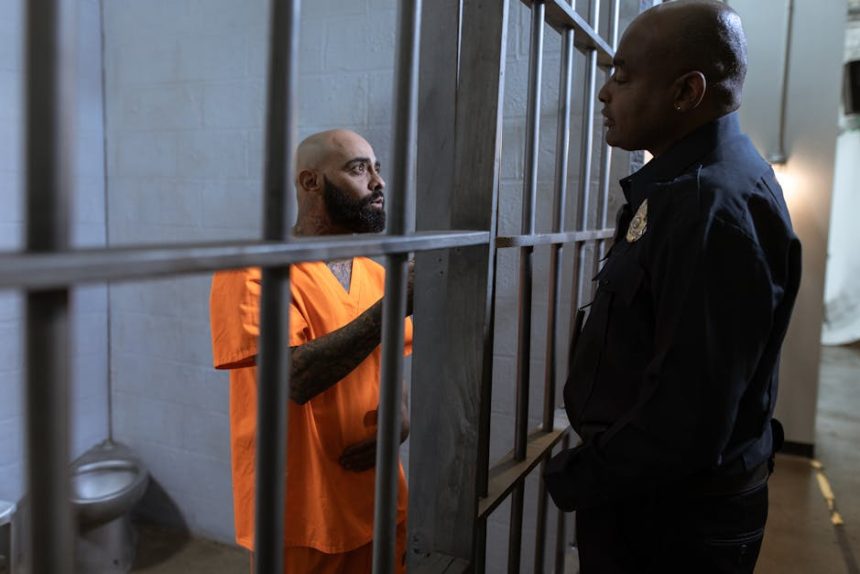
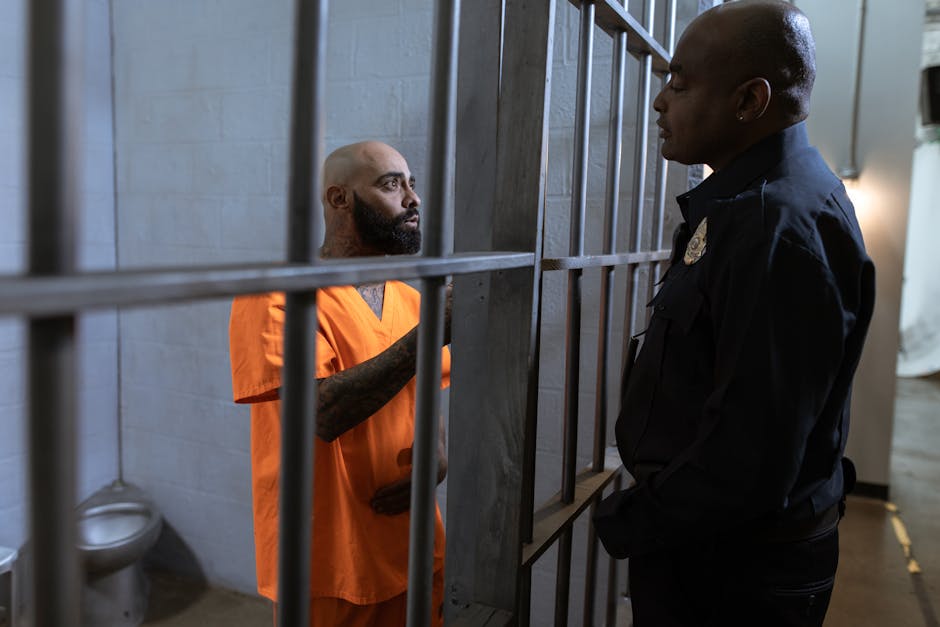

Agreement Activates Swift Transfers (Image Credits: Pexels)
U.S. Immigration and Customs Enforcement agents removed at least 240 individuals from the Clark County Detention Center following the implementation of a renewed local-federal collaboration in late 2025.[1]
Agreement Activates Swift Transfers
Authorities issued ICE warrants for 264 inmates between mid-December 2025 and early March 2026, leading to the handover of 240 detainees.[1] The 287(g) program, a jail-enforcement model, empowers federal officers with up to 48 hours to retrieve targeted individuals after their scheduled local release. Clark County sheriff’s staff completed required federal training before the pact fully launched in December, following its formal affirmation the prior June.
Trained personnel now identify all foreign-born detainees upon booking. ICE reviews their details to assess legal status and deportation priority. Notifications go out initially and again four hours before release, streamlining the process without local immigration judgments. This setup marked a return to a program the area had joined previously but exited in 2019 over constitutional questions.[1]
Sheriff Outlines Limited Local Role
Sheriff Kevin McMahill described the partnership as unchanged in practice from prior informal notifications, which targeted foreign-born suspects in violent crimes, DUIs, and domestic violence cases. The Laken Riley Act of early 2025 broadened criteria to encompass theft offenses, spiking referrals – one day in June saw 350 flags amid roughly 250 daily arrests. “ICE still doesn’t pick up everybody that is eligible,” McMahill noted, emphasizing Metro’s administrative notifications only.[1]
He signed the deal on May 30, 2025, shortly after federal designation of Las Vegas as a sanctuary city – a label Nevada shed later through gubernatorial cooperation pledges. McMahill rejected broader federal asks for street-level enforcement, confining efforts to the jail. This approach, he argued, aids public safety without overstepping local bounds.
ACLU Lawsuit Hits Roadblock, Vows Persistence
The ACLU of Nevada contested the arrangement in court, citing due process risks. A district judge dismissed the case Friday for lack of standing, though only one detainee – Sergio Morais-Hechavarria – exceeded the 48-hour window, held longer due to treatment bed shortages despite a court order. Attorneys alleged improper delays before ICE custody. “We will not stop filing challenges on this,” affirmed ACLU executive director Athar Haseebullah.[1]
Past participation ended amid similar legal scrutiny. Critics worry the pact chills community trust and violates state laws on federal housing costs. Metro maintained compliance throughout.
Public Safety Weighs Against Court Delays
McMahill voiced mixed concerns over pre-trial deportations. He disliked interruptions to local adjudication but prioritized keeping dangerous individuals off streets. Cases like Angel Antonio Franco Merida’s – accused in a fatal 2025 crash after posting $50,000 bail and self-deporting – highlighted tensions. District Attorney Steve Wolfson and victims’ families decried lost justice opportunities, echoing child assault suspects released on bail.[1]
- Foreign-born bookings trigger ICE flags under expanded offenses.
- 48-hour holds enable federal pickups post-local eligibility.
- 240 transfers reflect selective enforcement priorities.
- ACLU targets constitutionality and detention extensions.
- Sheriff focuses on administrative support, not judgments.
Key Takeaways
- 240 ICE handovers since December 2025 under 287(g).[1]
- Program limits local role to notifications and holds.
- ACLU setback fails to halt future suits.
The pact underscores ongoing debates between immigration enforcement and local justice as federal priorities intensify. Preparations include federal briefings and scenario drills to manage potential unrest, like Minneapolis incidents. McMahill stressed adaptability amid uncertainties. What do you think about this balance? Tell us in the comments.