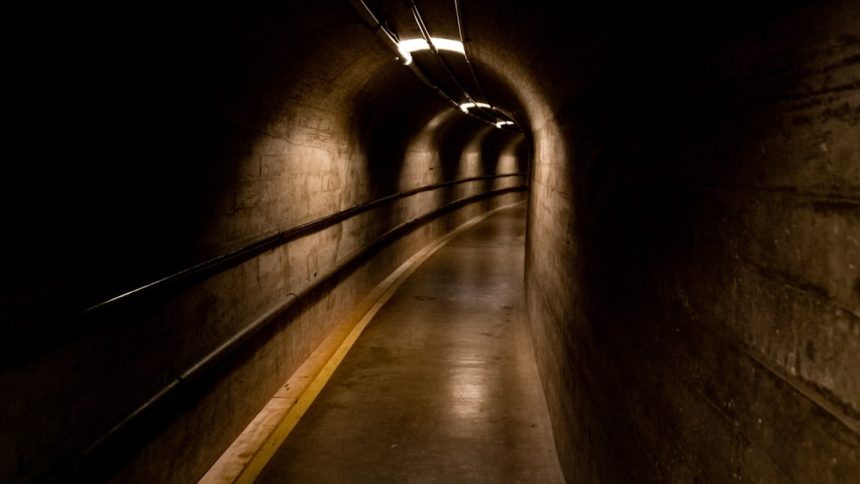
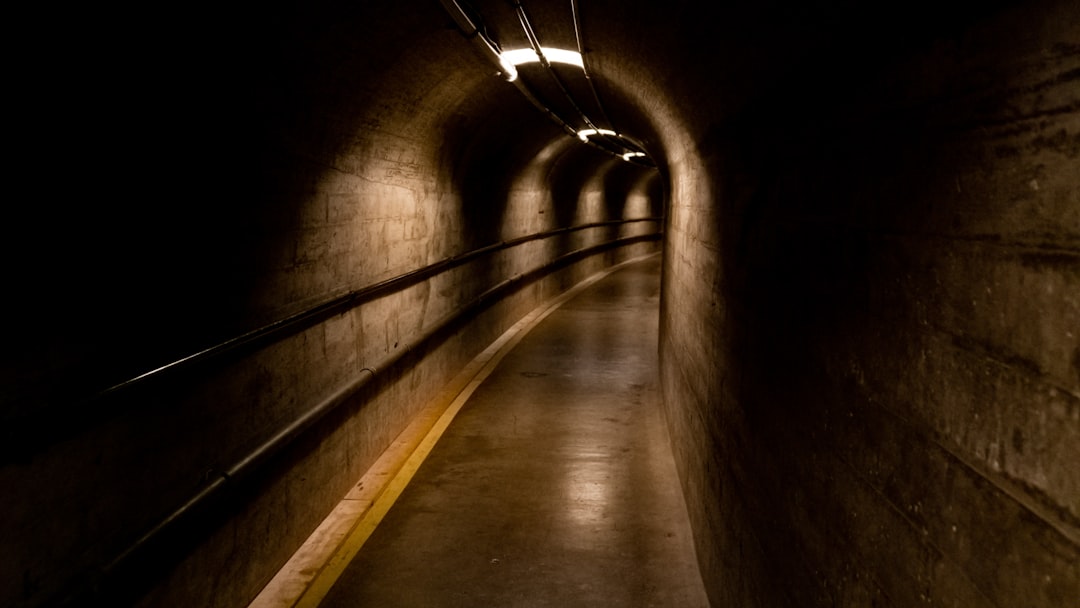
Tunneling Process Set for Overhaul (Image Credits: Unsplash)
Clark County officials collaborated with The Boring Company to develop revised regulations aimed at hastening the Vegas Loop’s expansion across Southern Nevada.
Tunneling Process Set for Overhaul
Clark County Commission Chairman Michael Naft announced that the county worked with The Boring Company on updated rules to expedite tunneling approvals. The shift toward a master plan approach promised to replace piecemeal reviews with a more efficient framework.[1]
Naft described the change as beneficial for county staff and project operators alike. “It’s just kind of good government to go through a master plan like we would with most other projects, rather than taking something in piecemeal,” he stated.[1]
The Boring Company President Steve Davis noted in January that the core tunneling method remained consistent across sites. Once utilities like NV Energy and Southwest Gas granted clearance, new rules would allow immediate boring with seven machines ready in the area.[1]
Operational Network Hits Milestones
The Vegas Loop currently operated nine stations, including five at the Las Vegas Convention Center complex, along with sites at Resorts World, Encore, Fontainebleau, and Westgate. This active segment spanned 3.5 miles of tunnels, while 11 miles stood complete but awaited station readiness and final approvals.[1]
Las Vegas Convention and Visitors Authority Chief Strategy Officer Ed Finger reported 15 stations under development in February, with several slated for imminent launch. A temporary airport station at 4744 Paradise Road near the Thomas & Mack Center served passengers until a site south of Tropicana Avenue opened later this year. Plans also advanced for a Virgin Hotels Las Vegas station.[1]
UNLV Station Clears Key Hurdle
The Nevada Board of Regents approved a land easement last week, permitting The Boring Company to tunnel beneath UNLV property for a station at the Thomas & Mack Center. The company agreed to pay $1,000 for the easement – valued at nearly $1.2 million – plus $25,000 in legal fees, while constructing the station at no cost to the university.[1]
Regents still needed to greenlight the station build in a 36,000-square-foot parking lot section near University Center Drive. Documents highlighted future links from UNLV to the Las Vegas Medical District and Allegiant Stadium, where Rebels football games occurred.[1]
Chinatown Prepares for Underground Access
The Boring Company already owned land in Chinatown for a future station and confirmed plans to tunnel along Spring Mountain Road at its own expense. Local business owner Joe Muscaglione proposed a one-mile spur to ease peak-hour congestion but missed selection in the company’s free-loop contest.[1][2]
The company responded on X: “As part of Vegas Loop, we already plan to tunnel to Chinatown down Spring Mountain (at our own cost). Once there, (we) will happily add additional useful spurs.”[1] Muscaglione called the potential network transformative for the district’s millions of tourists, despite its proximity to the Strip.
Vision for a Citywide Web
Full build-out envisioned 68 miles of tunnels connecting 104 stations across the Strip, downtown Las Vegas, Harry Reid International Airport, Allegiant Stadium, and Chinatown. Recent city permits enabled a tunnel from The Strat to the Convention Center, with the next segment linking to The Plaza and the Fremont Street Experience.[1][3]
- Westbound from Thomas & Mack to the Strip
- Northbound along the Strip to downtown
- Eastbound to the Convention Center on Paradise Road
- Offshoots to Park MGM and additional spurs
Finger outlined this route during a recent meeting, expressing optimism for regulatory approval to unleash rapid mileage gains.[1]
Key Takeaways
- Revised county rules promise a master-plan shift for faster tunneling.
- 15 stations advance amid 11 miles of ready tunnels.
- UNLV easement approved; Chinatown tunnels confirmed.
New regulations positioned the Vegas Loop to weave Las Vegas’s hotspots into a seamless underground grid sooner than expected. What impact will this have on daily commutes and tourism? Share your thoughts in the comments.