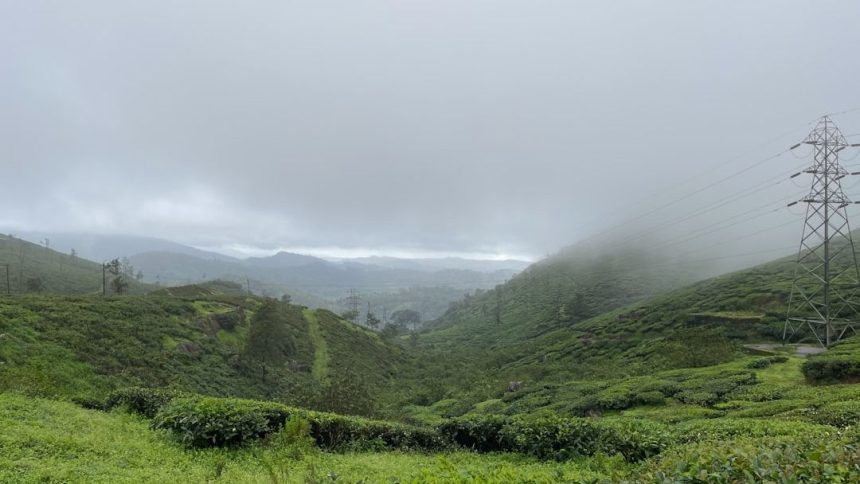
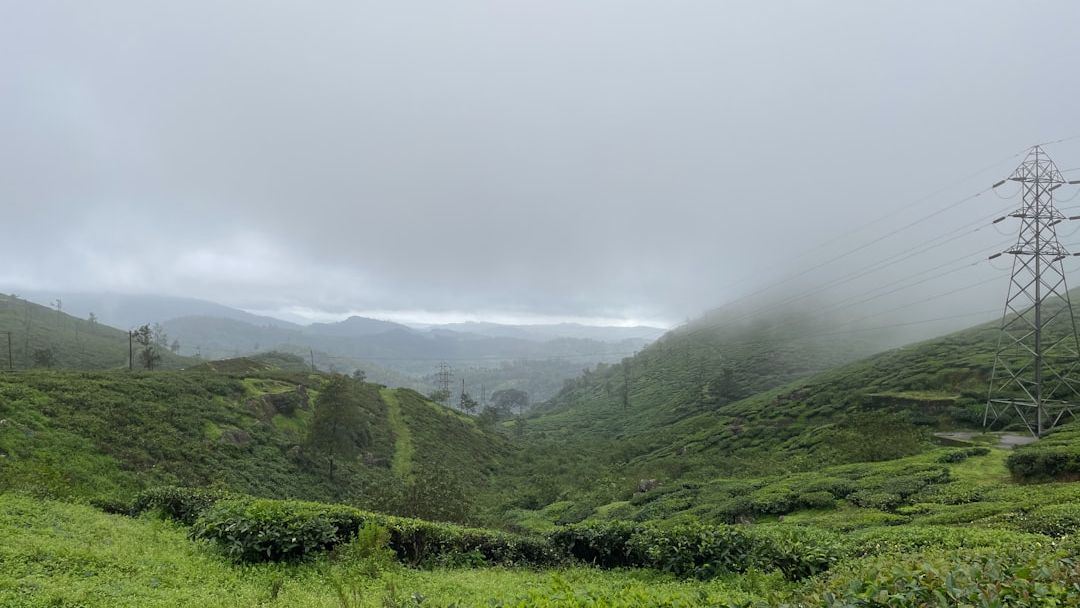
Classic Valley Fog on Vis – Image for illustrative purposes only (Image credits: Unsplash)
East Tennessee and Western North Carolina – Classic valley fog has settled over the region once again, turning mountain valleys into a sea of soft white mist that locals recognize as a familiar seasonal sight. The phenomenon creates a quiet, almost otherworldly atmosphere across the area, where ridges rise above the haze like islands. Residents and travelers alike have paused to take in the view, noting how the fog alters the usual rhythm of daily movement through the hills.
What Creates This Familiar Scene
Valley fog forms when cool, moist air becomes trapped in lower elevations overnight, especially under clear skies and light winds. In East Tennessee and Western North Carolina, the surrounding mountains help hold that air in place, allowing the moisture to condense into a dense layer that lingers into the morning hours. The process repeats often during cooler months when temperature differences between the valleys and higher ground are most pronounced. Meteorologists describe it as a textbook example of radiation fog, the kind that develops without the influence of larger storm systems. This particular display matches the classic pattern many in the region have come to expect at this time of year.
How It Affects People on the Ground
Drivers face reduced visibility on winding roads that drop into the valleys, prompting slower speeds and extra caution at dawn. Schools and outdoor activities sometimes adjust schedules when the fog lingers past sunrise, giving families a few extra minutes to plan their mornings. Local businesses report a brief lull in foot traffic until the mist lifts, while hikers and photographers often seize the chance to capture the layered landscape before it clears. The fog rarely brings serious disruption, yet it serves as a gentle reminder of how the terrain shapes everyday routines in these communities.
Looking Ahead as Conditions Evolve
Forecasters expect the fog to dissipate by mid-morning as the sun warms the valleys and mixes the air. Similar patterns could return in the coming days if overnight temperatures stay cool and skies remain clear. Communities here have long adapted to these recurring weather features, treating them as part of the natural cycle rather than an emergency. The current display underscores how even routine atmospheric events can reshape the feel of a place for a few hours each day.