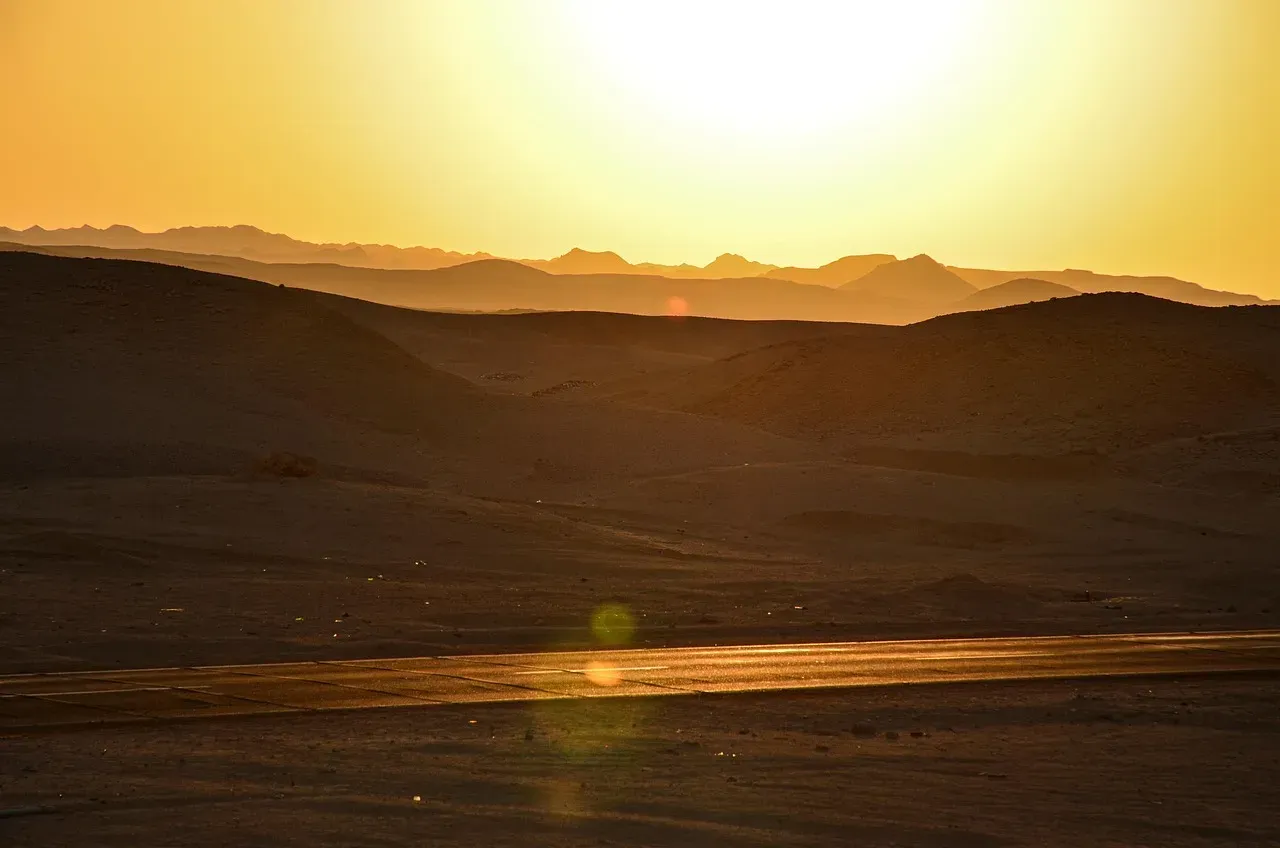
There’s something particular about living in a desert landscape. The stillness, the scale, the light. For many people who call arid regions home, the environment isn’t a backdrop, it’s part of their identity. That relationship is now under strain in ways researchers are only beginning to understand. As temperatures rise and desert ecosystems shift, a field of science is quietly expanding at the crossroads of climate science and mental health. The questions being asked are no longer just about droughts and heatwaves as physical threats. They’re about what these changes do to our minds, our sense of home, and our ability to imagine a stable future.
What Is Climate Anxiety, and Why Does It Matter?

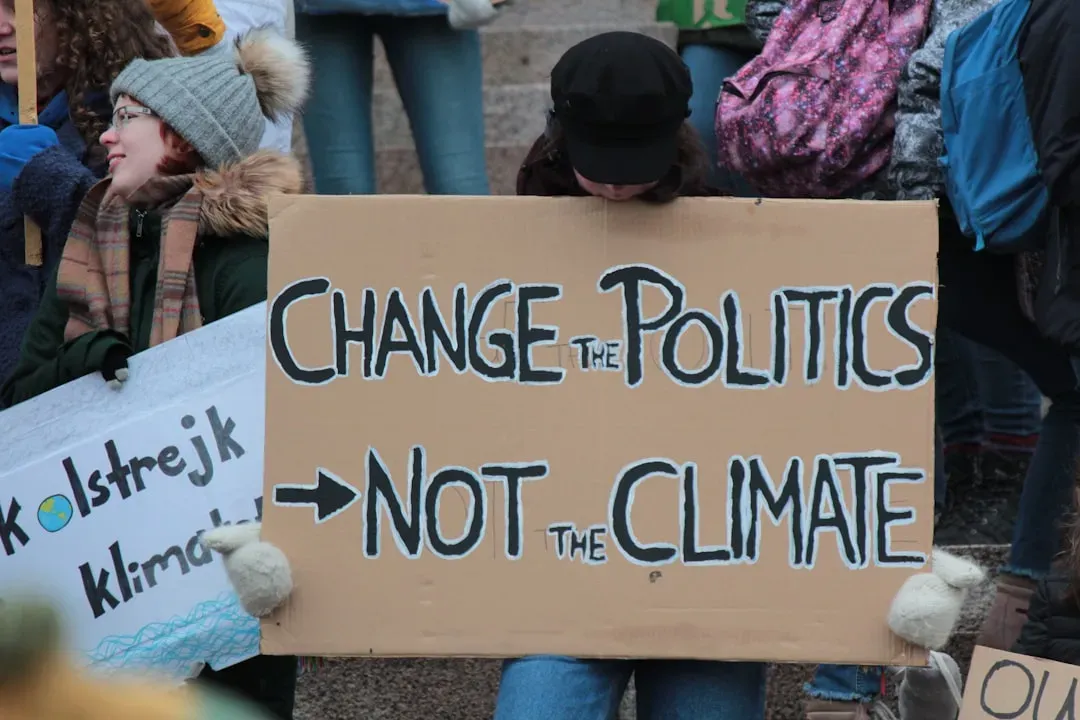
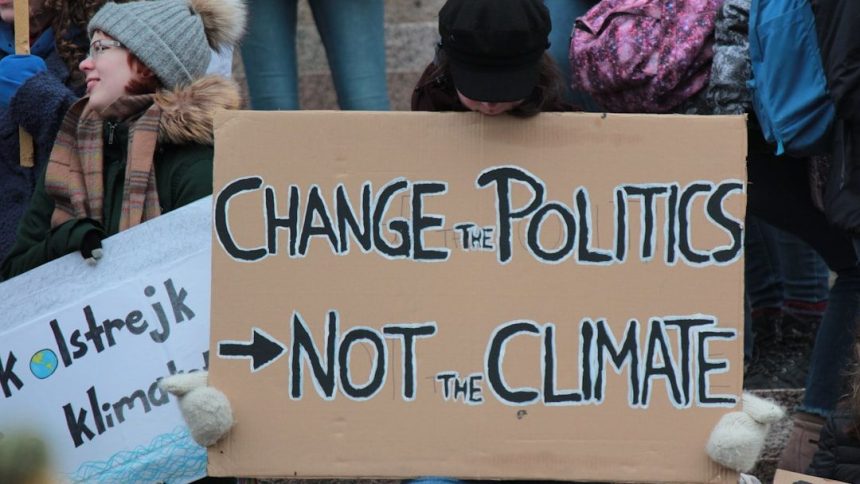
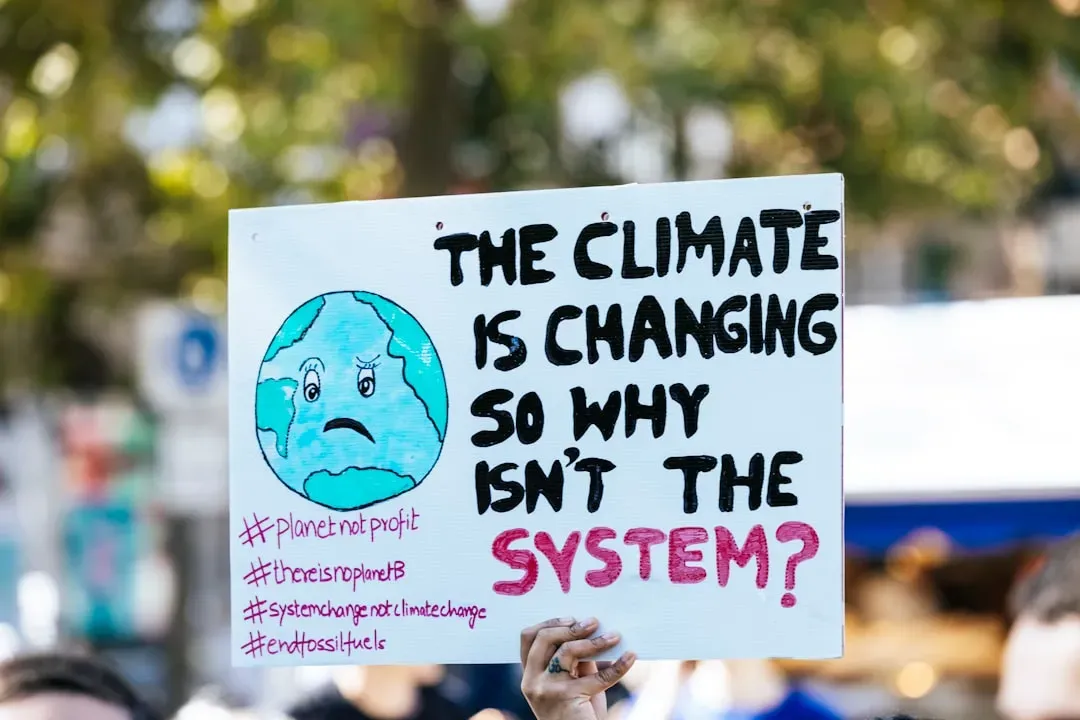
The emerging concept of eco-anxiety represents distress in relation to climate change and may be related to mental health. It’s not a formal clinical diagnosis in the conventional sense, but its effects are real and measurable. Researchers studying it describe a spectrum that runs from background worry all the way to functional impairment in daily life.
Even people who are not directly affected may experience the severity and unpredictability of climate change as an existential threat that negatively affects wellbeing. Climate anxiety in particular has been linked to established measures of clinical anxiety and depression.
Growing awareness of climate change and other ecological crises presents significant challenges to both psychological well-being and collective resilience. Eco-anxiety, a form of psychological distress related to these threats, has garnered increasing attention but remains inconsistently defined and studied across the scientific literature. That lack of consensus makes it harder to treat but no less urgent to address.
Desert Heat and the Stressed Brain

Among three studies involving over 111,000 people during a heatwave, psychiatric hospitalizations or visits to a hospital due to mental health symptoms increased by nearly ten percent. High temperatures may impair mood and cognitive functioning, and are associated with increased violence; some studies have suggested a six percent increase in homicide and a seven percent increase in risk of major depressive disorder globally for every one degree Celsius rise in temperature.
Heat can cause stress, anxiety, and irritability to rise. It also worsens other mental health conditions, such as depression, when one is exposed to high temperatures for a long time. For desert residents, this isn’t a rare event. It’s the ambient condition of life for months each year.
Extreme heat was found to have both direct and indirect effects on psychological health, which leads to chronic effects causing psychological issues like stress, anxiety and depression. The neurological pathway is real, and the desert environment makes it impossible to avoid.
The Scale of the Problem: What Research Shows
Experiencing extreme weather events is associated with higher rates of anxiety, depression, post-traumatic stress disorder, suicidal ideation and suicide attempts, and substance use. Estimates suggest that between a quarter and half of those exposed to an acute extreme weather event will experience one of these negative mental health outcomes, most commonly anxiety, depression, or posttraumatic stress disorder, with effects that may persist for months or even years after the event.
A systematic review drawing on 83 full-text studies included 35 studies in its final analysis, covering nearly 46,000 participants. The weight of that evidence points consistently toward a meaningful link between climate-related stress and deteriorating mental health outcomes across populations.
Globally, the additional societal costs of mental disorders due to changes in climate-related hazards, air pollution and inadequate access to green space are estimated to be almost 47 billion US dollars annually by 2030, with those estimated costs expected to grow exponentially to 537 billion US dollars by 2050. The psychological crisis is also an economic one.
Solastalgia: Grief for a Changing Landscape
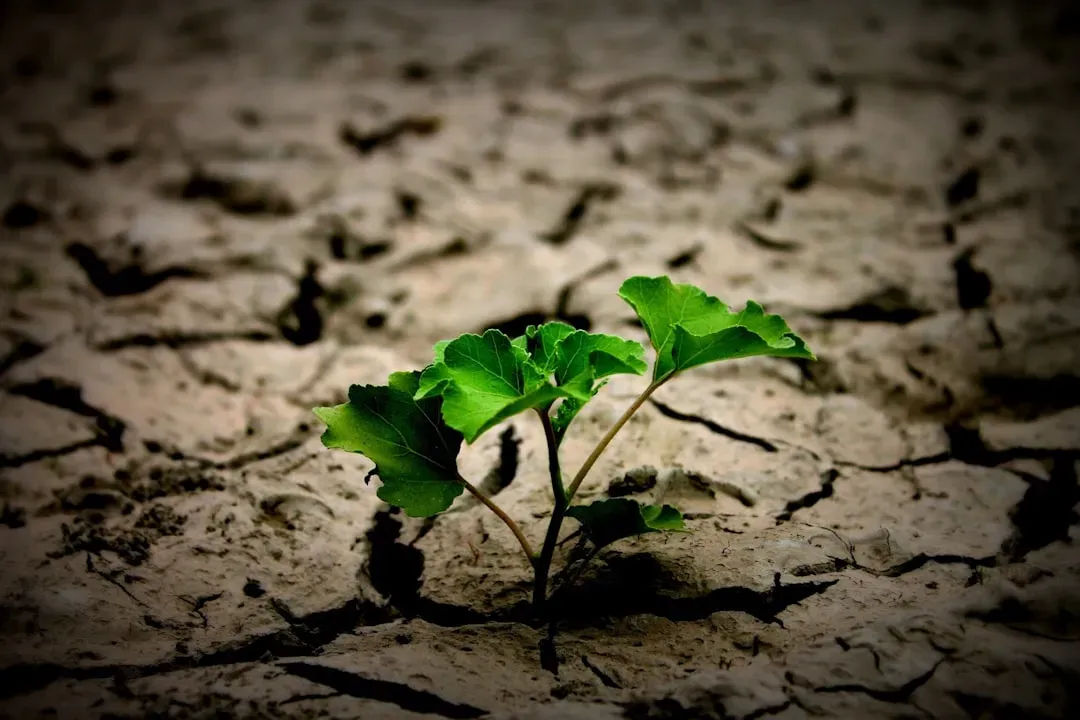
Solastalgia is a form of emotional or existential distress caused by negatively perceived environmental change. A distinction can be made between solastalgia as the lived experience of negatively perceived change in the present, and eco-anxiety linked to worry or concern about what may happen in the future.
Living through unwelcome environmental change can cause a form of distress that philosopher Glenn Albrecht named solastalgia. Once familiar and cherished landscapes become alien to us. No longer a source of solace, the environmental transformation leads to a sense of homesickness while still at home. Solastalgia is experienced as a constellation of negative emotions, powerlessness to unwelcome change, and grief for the loss of one’s former lifestyle and surroundings.
For desert communities, where the land is often deeply tied to cultural and personal identity, this form of grief is particularly acute. Environmental grief is not a secondary outcome but a persistent emotional reality that may even intensify as the immediate shock of a disaster recedes and the permanent nature of the ecological loss becomes apparent.
When the Desert Burns: Wildfire, Drought, and Trauma

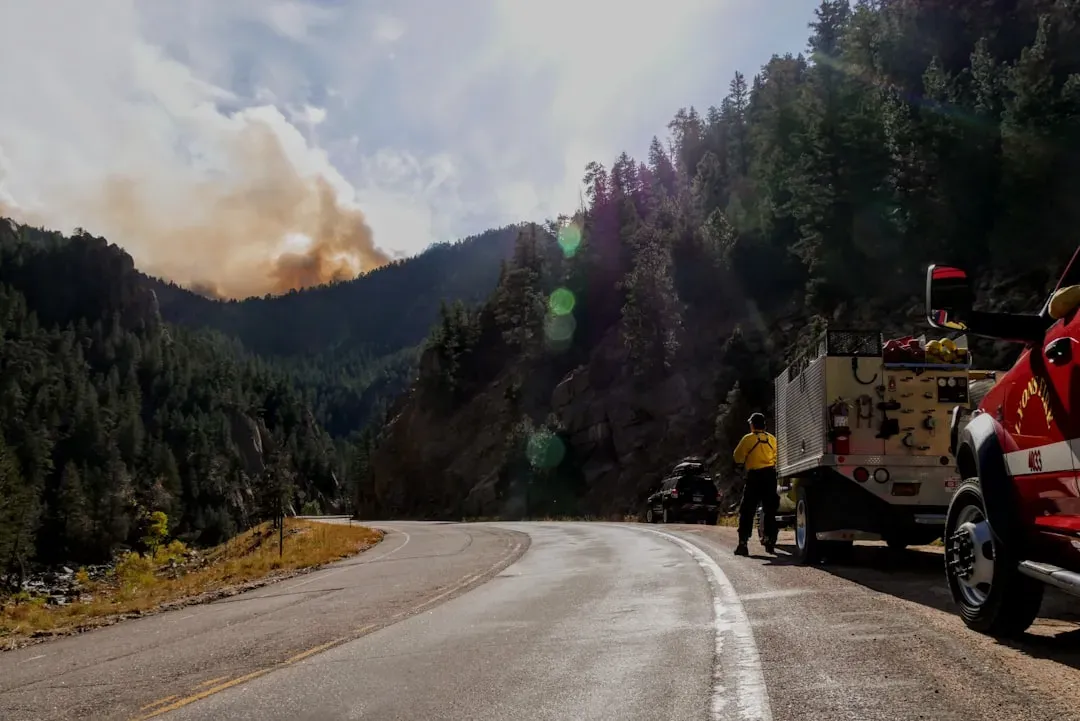
Climate trauma refers to the chronic mental health sequelae of climate disaster events. Research has shown evidence for such trauma with accompanying anxiety and depression symptoms after California’s 2018 Camp Fire wildfire. Wildfires are now a defining feature of drying, warming desert-adjacent ecosystems.
A study found a significant and selective deficit in interference processing, meaning the ability to deal with distractions, in individuals who had suffered from climate trauma from a wildfire disaster relative to those who had not. The brain itself carries the mark of environmental catastrophe.
Acute effects typically result from severe and intense weather events such as wildfires, tornadoes, and droughts. These events often come suddenly and without notice, leading to the loss of lives, resources, social support and social networks. Generally, these symptoms are identified as acute stress disorders if they manifest within four weeks of a tragedy. A longer period of persistence may lead to a diagnosis of PTSD, anxiety or depression.
Who Is Most Vulnerable?

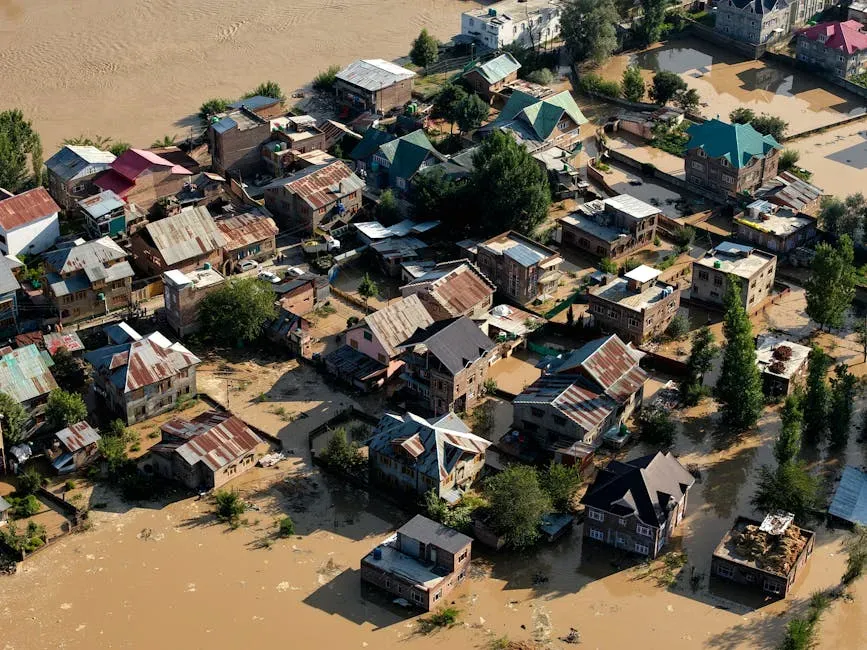
Climate change will also exert the greatest impact on groups of vulnerable populations that therefore have an increased probability of developing psychopathologies: women, the elderly, children, people with previous psychiatric illnesses who can consequently worsen their mental condition, and people with low income or poor social network, as well as indigenous and native communities.
Extreme heat increases risks for people with mental illness. Those with pre-existing mental health challenges are at higher risk of poor physical and mental health due to extreme heat and may lack the ability to limit heat exposure, such as lacking air conditioning or having to be outdoors.
Partner offer

Indigenous peoples have deep relational ancestral connections with the land that are beyond connection to place, and experience unique intensified forms of distress resulting from environmental degradation. For Indigenous peoples, connections with land are disrupted through extractive politics such as colonisation and now the climate emergency, legacies that leave deleterious effects on wellbeing.
Young People and Climate Anxiety in Arid Regions

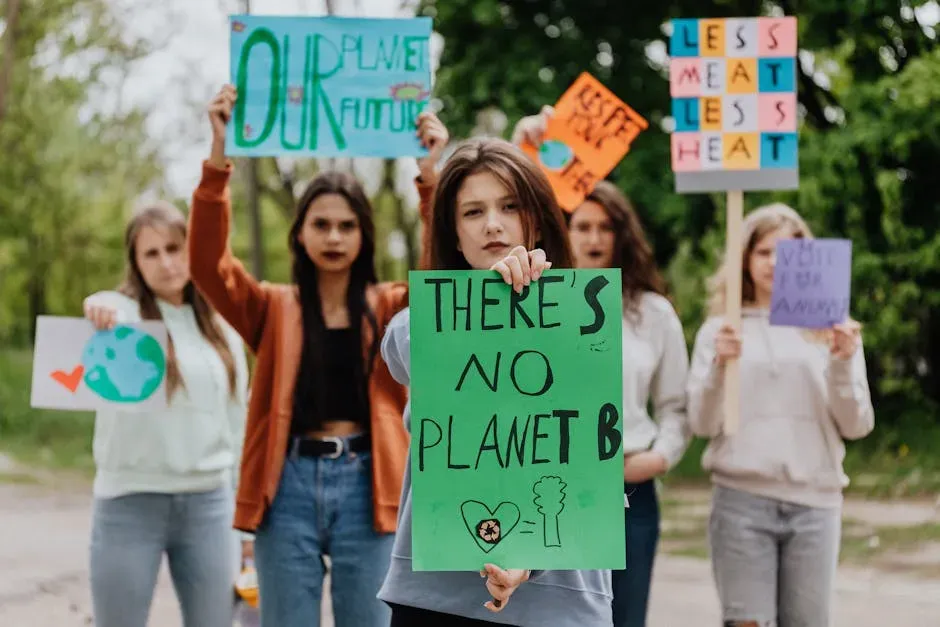
For many young people, worry over threats of future climate change results in panic attacks, insomnia, obsessive thinking, and other symptoms. In hotter, more exposed environments, those symptoms find fertile ground in the daily physical reality of an overheated world.
There is growing evidence that climate anxiety is associated with significant effects on the mental health and wellbeing of young people. Still, the picture isn’t uniform. In one study, fewer than one in ten respondents exhibited levels of climate anxiety that could be described as moderate or severe. For the majority, anxiety coexists quietly with other stressors rather than dominating the mental health landscape.
Children are disproportionately affected by the direct impacts of climate change during a period when they are growing physically, psychologically, socially and neurologically. Recent studies have shown that young children are most affected by the indirect consequences of climate change, such as environmental anxiety, which can harm social and psychological health and well-being.
The Economic and Social Spiral


Home values may decrease because of increased threat of flooding or wildfire, and insurance premiums may rise or property may become uninsurable. These changing economic circumstances, in turn, may require people to migrate if they cannot support themselves in a particular location or that location becomes uninhabitable due to climate-linked phenomena. Both economic insecurity and involuntary migration negatively affect mental health, particularly for young children.
In extreme conditions of the desert, people may use substances to help them deal with the physical and psychological stress of the environment. The heat, isolation, and lack of sleep can cause people to turn to substances as a way of coping with the stress. This compounds the health burden in communities already stretched thin by physical climate impacts.
When exposed to climate change, a population experiences constant uncertainty, anxiety, loss, disruption, displacement, and fear even before a disaster has even occurred. In arid regions where water scarcity and food security are already precarious, this anticipatory dread is grounded in daily material reality.
Cognitive Effects of Living in Extreme Heat


The increase in environmental temperature can notoriously compromise the functioning of the central nervous system, similar to insolation and heat stroke. This isn’t metaphorical. Heat directly alters the brain’s capacity to think clearly and regulate emotion.
When the temperature is between 15 and 20 degrees Celsius, there is a lower likelihood of experiencing poor mental health. As the temperature gets hotter, the probability of reporting terrible mental health increases. For desert populations living through months well above those thresholds, the cognitive toll is cumulative.
A state of frontal hyperarousal observed under climate trauma also aligns with evidence for frontal cortex hyperexcitability observed in PTSD, and may reflect the greater cognitive effort needed to process irrelevant distractions. One of the critical cognitive functions affected by psychological trauma is decision-making, particularly in the form of deficits in reward functioning. Heat-related psychological stress, in other words, reaches into the brain’s most fundamental decision-making systems.
Paths Forward: Resilience, Therapy, and Community
A recent pilot test of internet-delivered cognitive behavioral therapy found a significant decrease after eight weeks in climate-change related distress among the treatment group compared to the control group, with a moderate effect size. Scalable, accessible interventions do exist, even if the evidence base remains thin.
As the climate crisis worsens, it is an urgent imperative to protect both people and ecosystems and advance resilience. Building climate resilience requires three pillars: mitigation actions to reduce climate risks; adaptation measures to reduce exposure and vulnerability; and change in societal behaviors to create a sustainable future for all.
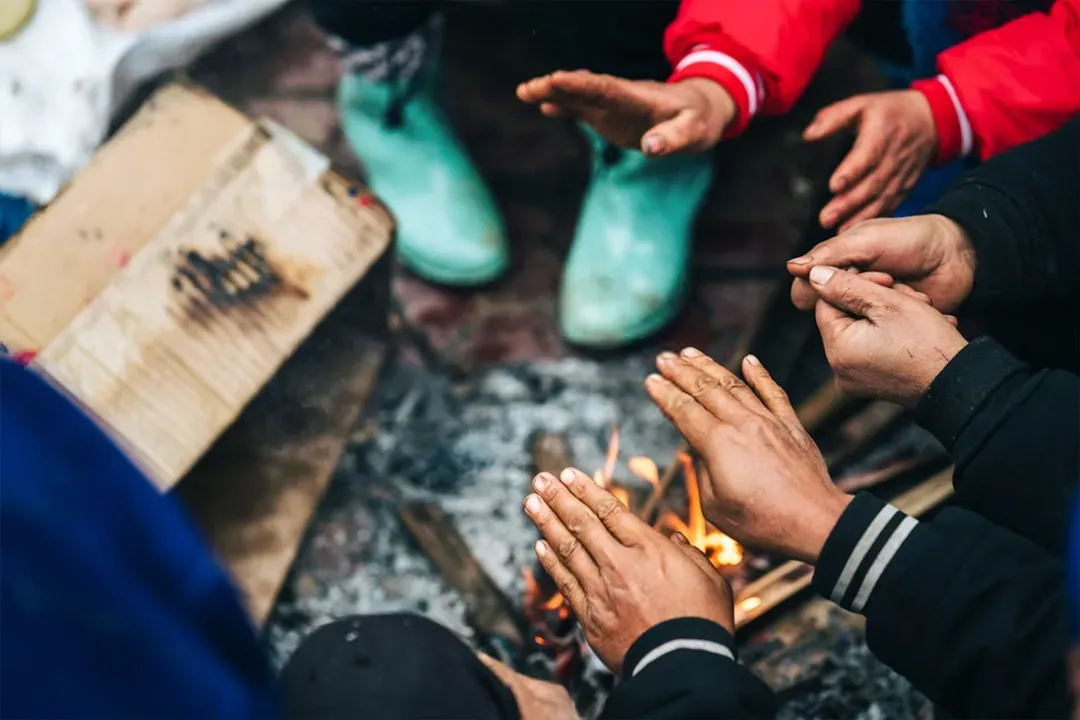
Research has indicated that solastalgia can have an adaptive function when it leads people to seek comfort collectively. Like other climate-related emotions, when processed collectively through conversation that allows for emotion to be processed and reflective function to be increased, this can lead to resilience and growth. Community is not a soft option. The evidence increasingly treats it as a clinical one.
Conclusion: The Inner Landscape of a Warming World
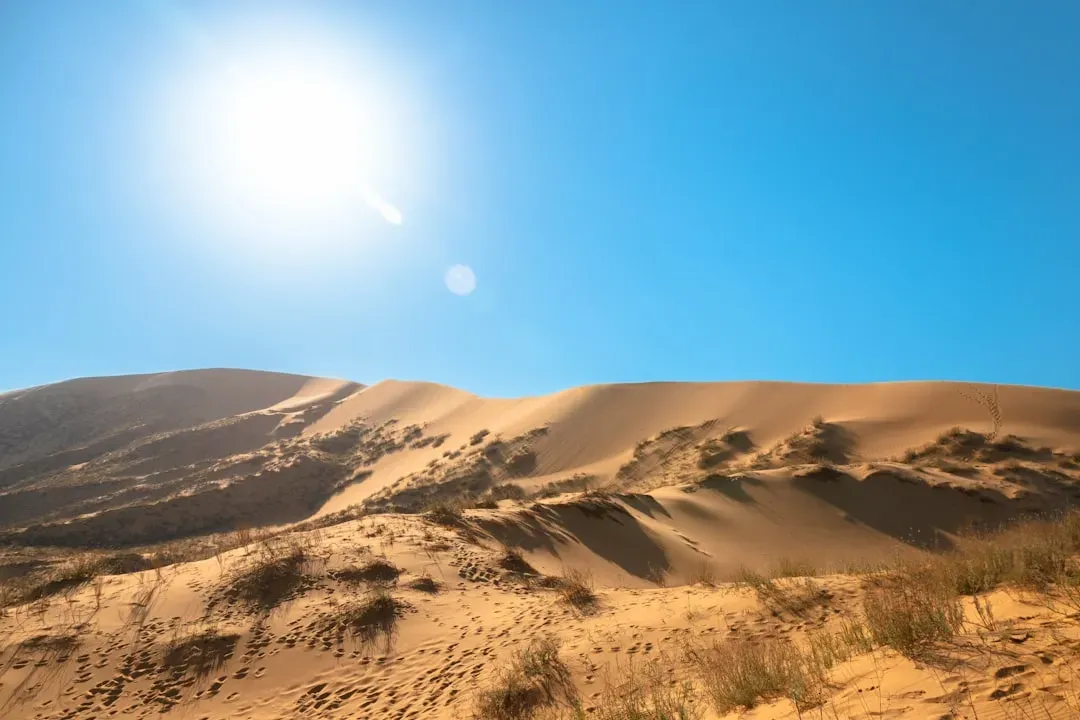
The desert has always asked something of the people who live there. Patience. Adaptability. A tolerance for discomfort. What the research shows now is that a warming, drying, burning landscape is asking more than human psychology was built to quietly absorb.
The evidence of the impacts of climate change on mental health and well-being is growing rapidly. The science is catching up to what desert communities have felt for years, that environmental change is not an abstract future risk, but a present, lived pressure on the mind.
The hardest truth may be this: the same landscapes that shaped people’s identities and sense of belonging are the ones now transforming around them. Grief for that change is not weakness. According to an expanding body of peer-reviewed research, it is a reasonable, human response to an unreasonable situation, and one that deserves far more clinical and societal attention than it currently receives.
Partner offer
Planning a trip to Vegas?
Compare hotel rates and show tickets on VEGAS.com.