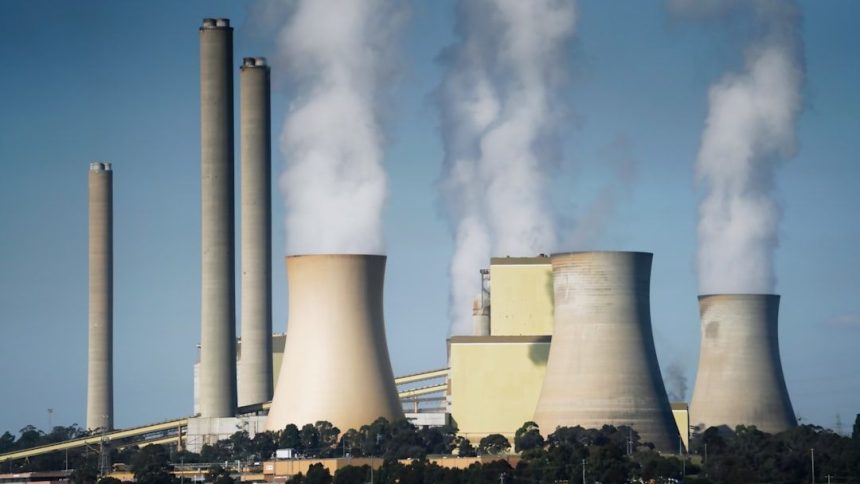
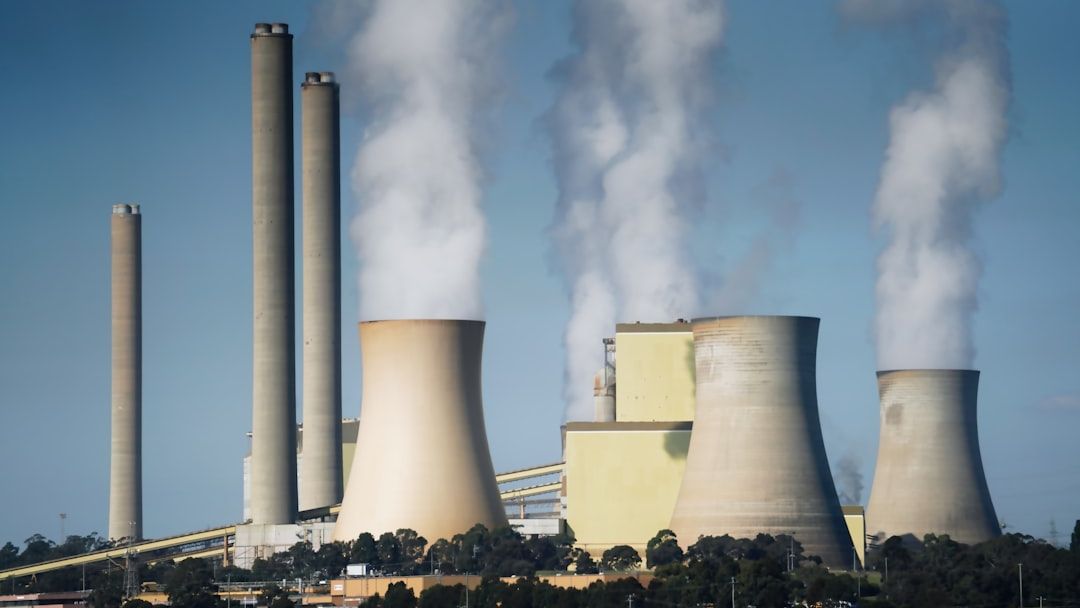
New coal plants hit ‘10-year’ global high in 2025 – but power output still fell – Image for illustrative purposes only (Image credits: Unsplash)
Across the world last year, developers brought nearly 100 gigawatts of new coal-fired capacity online, the largest annual increase in a decade. At the same time, the amount of electricity actually produced from coal declined by a modest 0.6 percent. The gap between new construction and real-world output reveals how quickly renewable sources are reshaping power systems even in regions still adding coal units.
Asia Accounts for Nearly All New Capacity
China and India together accounted for 95 percent of the new coal plants that began operating in 2025. China alone added 78 gigawatts while India contributed another 10 gigawatts. The remaining 9 gigawatts were spread across a shrinking number of other nations, down to just 32 countries with projects still moving forward.
This concentration marks a clear change from earlier years when more regions pursued coal expansion. Indonesia increased its fleet by 7 percent, largely to support nickel and aluminum processing. In contrast, several countries including South Korea, Brazil, and Honduras dropped their remaining proposals, leaving Latin America without any new coal projects under consideration.
Renewables Meet Rising Demand While Coal Runs Less
Even as coal capacity grew, actual generation fell in both China and India. Chinese coal output dropped 1.2 percent and Indian output fell 2.9 percent, despite capacity increases of 6 percent and 3.8 percent respectively. Solar and wind together covered most or all of the growth in electricity demand in those two countries.
The pattern shows that new coal plants are increasingly running at lower utilization rates. Lower running hours reduce revenue and make the plants less competitive against cheaper renewable alternatives. Global Energy Monitor noted that this dynamic has fundamentally altered the economics of coal power in recent years.
Retirements Delayed but Long-Term Shift Continues
Nearly 70 percent of the coal units scheduled to retire worldwide in 2025 stayed online because of earlier postponements tied to the 2022 energy crisis and policy decisions in the United States. Similar delays occurred in the European Union, where 69 percent of planned retirements did not happen. In the US, federal emergency orders kept five aging plants running at a cost of hundreds of millions of dollars.
Despite these short-term extensions, coal-fired generation in the European Union has already fallen more than 40 percent below 2022 levels. In the United States, solar and wind both set new production records last year. The underlying trend points to a sustained decoupling between added capacity and actual coal use, provided renewable deployment maintains its current pace.
Policy Choices Shape the Path Ahead
China proposed a record 162 gigawatts of new coal capacity in 2025, bringing the total under development above 500 gigawatts. India proposed or reactivated 28 gigawatts, with plans to complete 85 gigawatts over the next seven years. At the same time, both nations continue rapid clean-energy growth that already offsets much of the new coal output.
Christine Shearer, project manager of Global Energy Monitor’s coal plant tracker, observed that development has grown more concentrated while solar and wind expand fast enough to displace coal. The central challenge, she noted, is the persistence of policies that treat coal as necessary even as power systems move beyond it. Repeated exposure to fossil-fuel price shocks appears as likely to accelerate the shift to clean energy as to slow it.
Key points from the year:
- 97 GW of new coal capacity added globally, highest since 2015
- Coal generation fell 0.6 percent worldwide
- 95 percent of new plants located in China and India
- Renewables covered most demand growth in those two countries