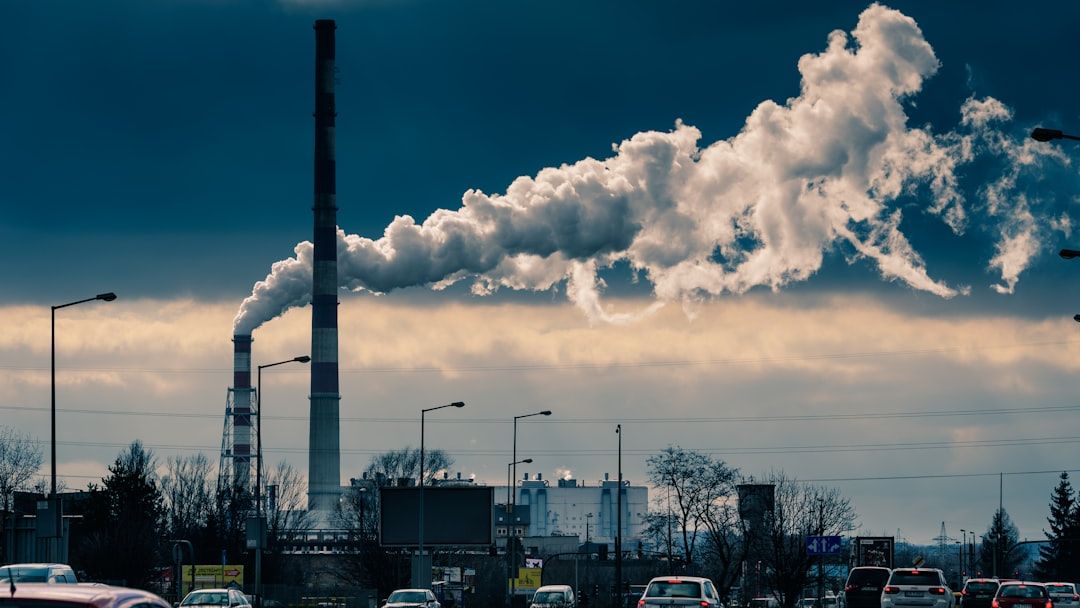
As Coal Rebounds, More Toxic Mercury Is in the Air – Image for illustrative purposes only (Image credits: Unsplash)
Coal-burning power plants released more mercury last year, according to a new analysis by The Times. The increase ends a period of steady declines in emissions of the toxic metal. It comes as coal use shows signs of rebounding in parts of the energy sector.
Why the Uptick Matters
Mercury released into the air from power plants can travel long distances before settling into soil and water. Once there, it enters the food chain and builds up in fish and other wildlife. Human exposure, often through diet, has been linked to developmental issues in children, including effects on brain function.
The latest data reverses progress made in recent years through stricter regulations and shifts toward cleaner energy sources. Analysts note that even small increases in emissions can have lasting environmental consequences over time.
Partner offer
Context Behind the Reversal
Coal plants have historically been a major source of mercury pollution in the United States. Previous reductions came from plant retirements, upgrades to emission controls, and greater reliance on natural gas and renewables. The new findings suggest that recent changes in energy demand or fuel economics may be shifting that balance.
Officials and researchers continue to monitor these trends closely. They emphasize that sustained declines in mercury output remain a key goal for protecting air quality and public health.
Looking Ahead
Energy policy decisions in the coming years will likely influence whether this recent rise continues or gives way to renewed reductions. Continued tracking by independent analyses will help clarify the long-term pattern.
The development serves as a reminder that progress on pollution control is not always linear. It depends on a range of factors, from market conditions to regulatory enforcement.
Partner offer
Planning a trip to Vegas?
Compare hotel rates and show tickets on VEGAS.com.