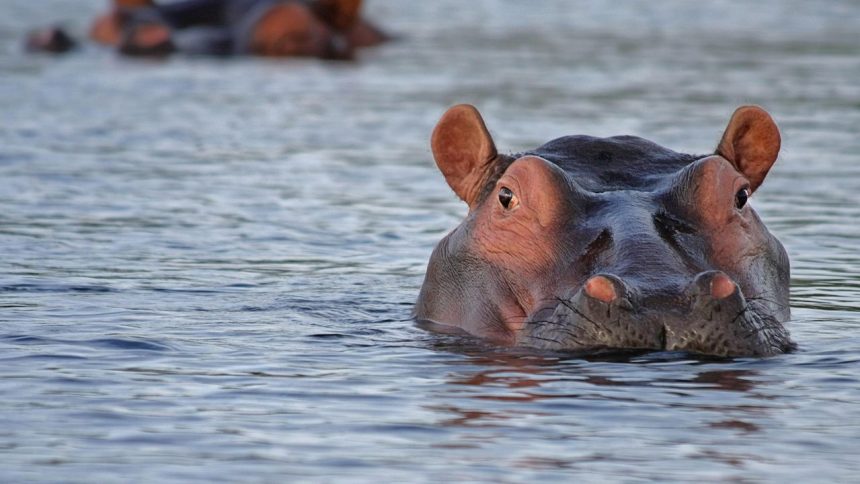
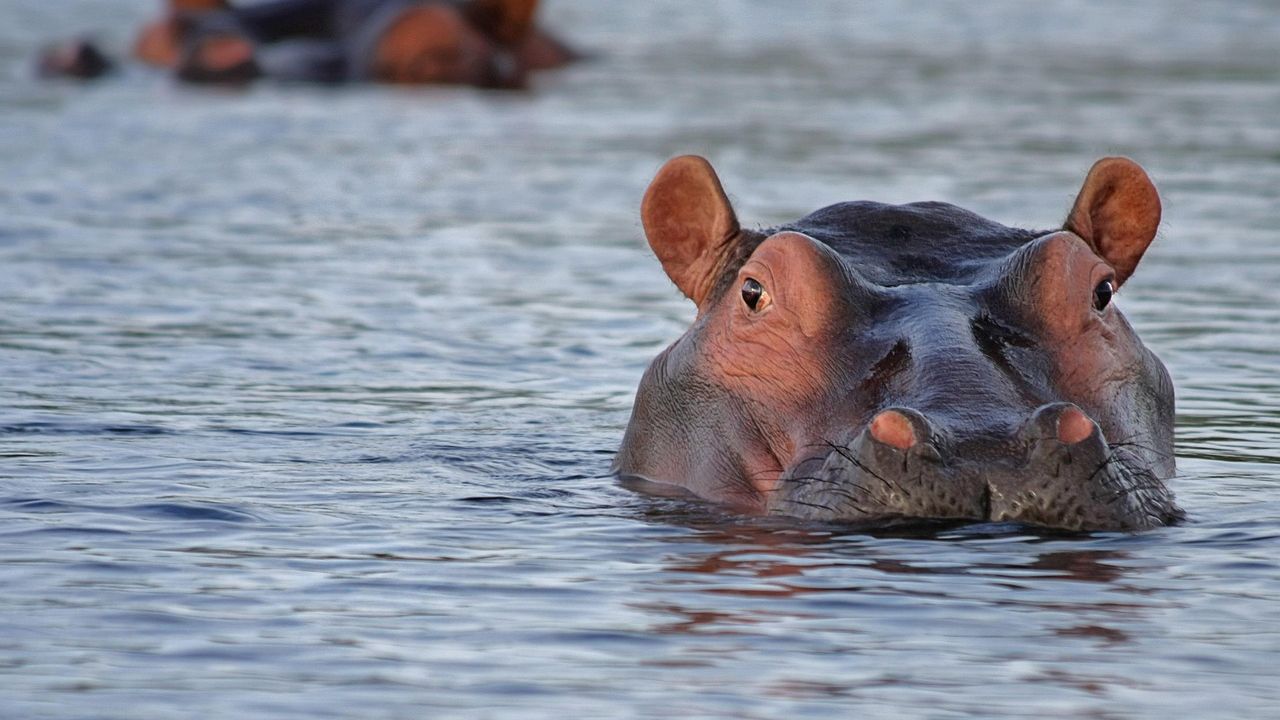
The Fight to Euthanize Pablo Escobar’s Hippos in Colombia – Image for illustrative purposes only (Image credits: Pixabay)
A Colombian community is now divided over government plans to reduce a growing population of wild hippos that trace their roots to the private collection once owned by drug lord Pablo Escobar. The animals, descendants of the four hippos Escobar imported decades ago, have multiplied in the wild and become the central attraction for visitors to the area. Officials argue the herd must be controlled, while residents see the creatures as both a source of income and a living reminder of the region’s complicated past.
From Private Zoo to Wild Herd
After Escobar’s death in 1993, the hippos that remained at his estate were left behind. Over the years they escaped into nearby rivers and lakes, where they found conditions ideal for rapid reproduction. Today their numbers have expanded well beyond the original group, creating a free-roaming population that local people encounter regularly. The shift from captive pets to wild animals has turned what was once a private curiosity into a public management challenge.
Why Authorities Want to Act Now
Colombian environmental officials have concluded that the hippos pose risks to native wildlife and local ecosystems. Without natural predators in the region, the herd continues to grow unchecked. The government’s proposed solution involves culling a portion of the animals to bring the population under control. This approach follows years of monitoring and reflects concerns that further expansion could lead to conflicts with farmers and damage to waterways.
Partner offer
Local Residents See a Different Picture
For the town that has grown around the hippos, the animals represent more than an ecological issue. They draw tourists who come specifically to see the unusual sight of hippos in a Colombian landscape. Many residents rely on the steady flow of visitors for their livelihoods, from boat tours to small businesses that cater to sightseers. The prospect of removing the animals has therefore triggered strong opposition from those who fear the loss of their main economic driver.
Balancing Safety and Livelihoods
The debate now centers on whether the benefits of tourism can be preserved while addressing the environmental concerns. Some community members have suggested alternatives such as sterilization or relocation, though these options carry their own logistical and financial hurdles. Officials maintain that culling remains the most practical step, yet they acknowledge the need to consider the impact on local economies. The outcome will likely shape how similar wildlife management decisions are handled in the future.
The tension in this Colombian town illustrates how a single decision about animal control can ripple through an entire community. As the government moves ahead with its plans, residents continue to weigh the value of the hippos against the practical realities of living alongside them. The story of these animals, born from one man’s extravagant collection, has become a test of how Colombia manages the unexpected consequences of its past.
Partner offer
Planning a trip to Vegas?
Compare hotel rates and show tickets on VEGAS.com.