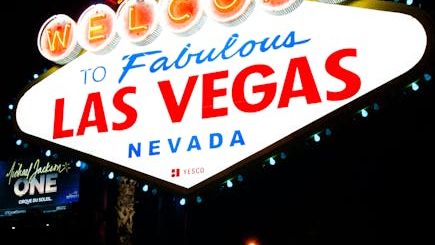
There’s a reason you feel wide awake at two in the morning on the Las Vegas Strip, even if you’ve been on your feet for six hours. The city doesn’t just look vibrant – it physically acts on you. The neon, the LED walls, the cascading color displays: they’re not decorative afterthoughts. They’re a carefully layered system that reaches directly into your nervous system and tells your brain to stay alert, stay curious, stay active. Understanding why this happens means looking at both the science of color and the deliberate design logic that made Vegas what it is today.
How the Human Brain Reads Color
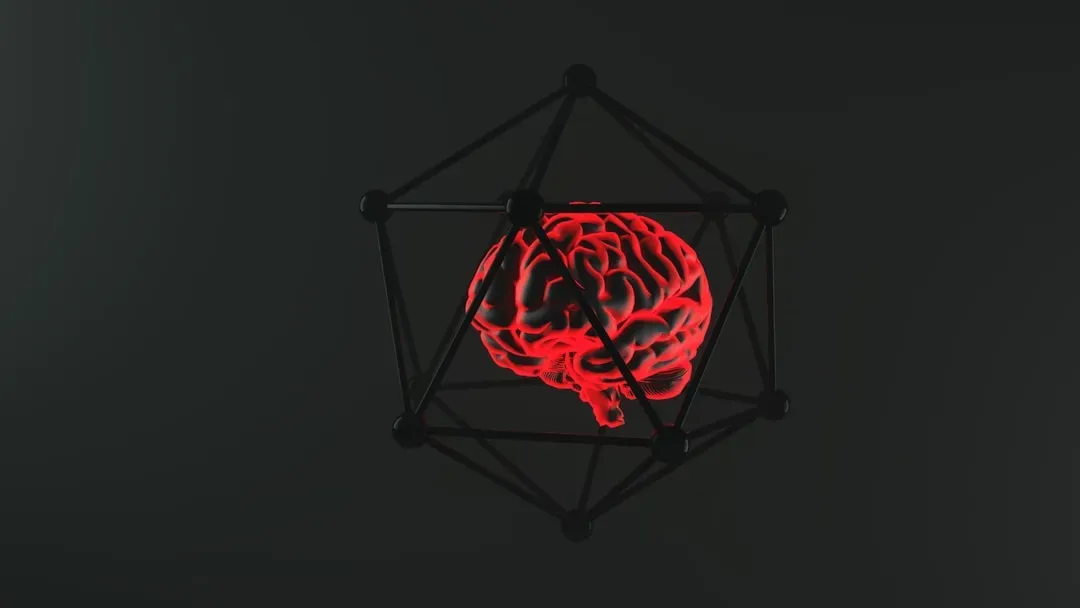
Color isn’t just something you see – it’s something your brain processes and responds to almost immediately. Colors play a significant role in shaping our emotions and psychological state, with each color carrying its own psychological associations. Neon lights, with their vibrant hues, tap directly into this psychological phenomenon, creating a visual experience that can alter our emotional state.
The mechanism behind this is physiological, not just perceptual. Red hues, which carry longer wavelengths, tend to induce arousal and can literally increase heart rate and blood pressure. In contrast, blue hues are generally calming, associated with reduced stress and even lower blood pressure.
Light itself also has a significant impact on mood and well-being. Exposure to bright light, such as the light emitted by neon signs, can increase alertness and improve mood. This is because light stimulates the production of serotonin, a neurotransmitter often referred to as the feel-good hormone. The sheer density of color and brightness in an environment like Vegas essentially keeps this biological machinery running on high.
The Science of Neon: What It Actually Is
Before diving into the psychological aspects, it helps to understand the science behind neon lights. Neon lights are made using glass tubes filled with gas, such as neon, argon, or a combination of gases. When electrical current passes through the tube, the gas becomes excited and releases photons as visible light – each gas producing a distinct, saturated color with a glow that ordinary lighting simply can’t replicate.
Neon lights have a captivating allure that has fascinated people for decades. Their vibrant glow and vivid colors have the power to evoke various emotions and shape our perception of the surrounding environment. The quality of that glow matters too. It’s soft, it’s continuous, and it has a warmth that feels both electric and somehow inviting at the same time.
Neon colors are more than just bright and bold – they evoke emotions, influence mood, and completely transform the environment they illuminate. From electric blues to lime green, neon lighting has a profound psychological impact that can energize, inspire, and even create a sense of nostalgia. Whether in home decor, nightlife, or commercial spaces, these striking hues shape experiences and perceptions in ways we often don’t realize.
Red and Yellow: The Colors of Urgency and Energy
Red is a color often associated with energy, excitement, and passion. When used in neon lights, it can stimulate a sense of urgency and create a lively atmosphere. The vibrant red glow of neon lights is commonly found in entertainment venues. There’s a reason so many casino floors lean heavily into warm tones – it’s not an aesthetic preference so much as a behavioral one.
Research supports the emotional potency of red light specifically. Studies show that different colors of light have a significant effect on mood, and red light can arouse emotional changes related to calmness, irritation, relaxation, and nervous arousal. That range of responses isn’t random – it reflects just how much red light activates the nervous system, even when people aren’t consciously aware of it.
Yellow neon symbolizes joy, optimism, and energy. This bright color can boost mood and elevate energy levels. However, an excess of yellow light may lead to overstimulation or feelings of anxiety. Vegas uses this balance carefully, mixing yellow warmth with red intensity in a way that feels stimulating without tipping into discomfort.
Las Vegas: A City Built on Neon
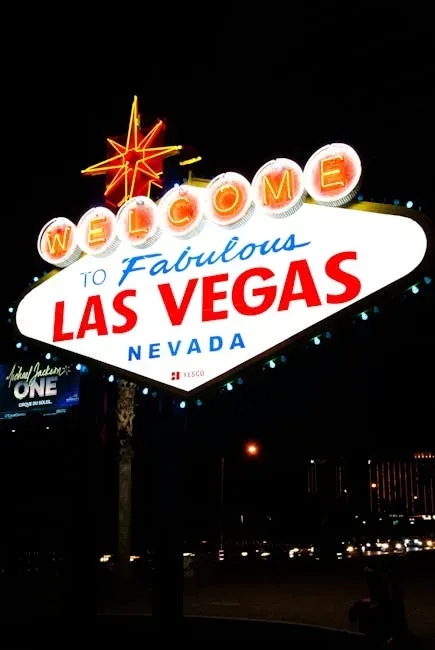
Though neon signs first appeared in Vegas in 1929, it was the construction of the Hoover Dam in 1931 that paved the way for Las Vegas to truly become the City of Neon Lights. The electricity provided by the new dam helped transform Las Vegas from a sleepy frontier town into the tourist attraction it is today.
An intense lighting competition for more attractive neon signs began on Fremont Street in the 1940s, with multi-color displays covering the front canopies of buildings. The casino and club scene evolved to become Las Vegas’ primary industry, and “Glitter Gulch” became the brand name for Fremont Street, with its buzzing gambling blocks and distinctive illuminated signs.
The “Welcome to Fabulous Las Vegas” neon sign remains the city’s most photographed icon, and Vegas is still the brightest place on Earth according to NASA, with billions of light bulbs and more than 24,000 kilometers of neon tubing. That’s not a side effect of the entertainment industry – it’s the point of it.
How Casinos Use Color to Keep You Inside
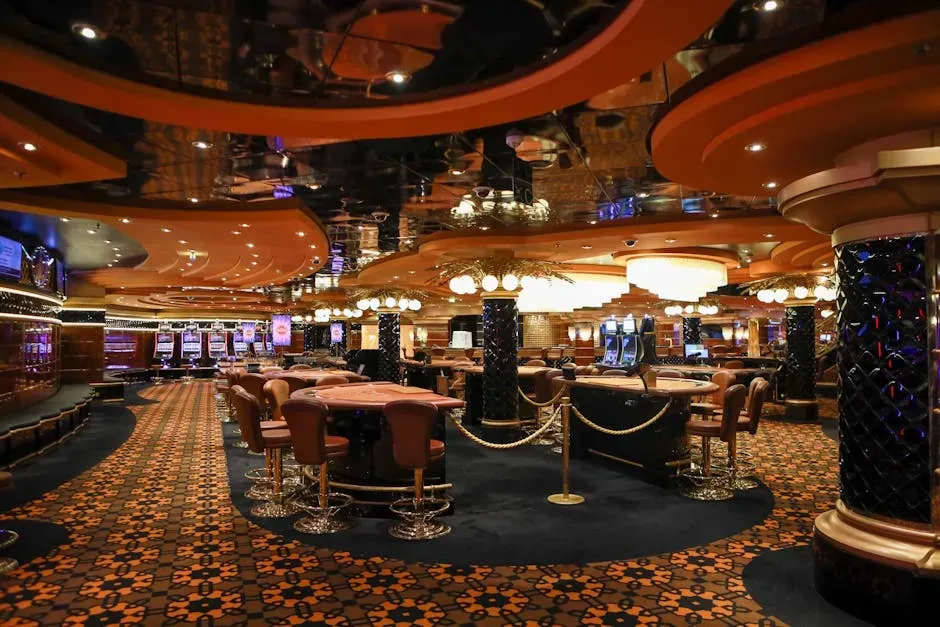
Casino design psychology refers to the intentional use of layout, lighting, sound, and decor to influence attention, decision-making, and how long players remain engaged. Color is one of the most powerful levers in that system. Beyond aesthetics, lighting design plays a crucial role in influencing player behavior. Casinos use warm, inviting lighting to create a sense of comfort and luxury, encouraging guests to stay longer.
Many casinos have no windows or clocks within eyeshot of the gaming floor, so gamblers may not realize how long they’ve been playing or that the sun has set and risen since they last saw it. The bright artificial light filling the room isn’t just creating energy – it’s actively obscuring external time cues that would otherwise prompt people to leave.
Partner offer
In gambling environments, red light combined with casino-style sounds has been shown to eliminate the usual cognitive slowdown after losses during decision-making tasks, leading players to make faster choices without the normal pause for reflection. A 2018 study showed that flashing animations and vivid colors can increase arousal and attention, making gambling more stimulating and immersive. This, in turn, delays self-regulation and increases time spent gambling.
The Cool Side of the Spectrum: Blue and Green Neon
The color blue is thought to have a calming and soothing effect on people. When used in neon lights, it can evoke feelings of tranquility and relaxation. The soft blue glow of neon lights is often seen in spas, wellness centers, and other environments where a sense of serenity is desired. This makes blue a strategic counterbalance in large mixed-lighting environments, where too much stimulation could become overwhelming.
Neon green is linked to freshness and creativity and has an invigorating effect. It’s a popular choice for bars, creative studios, and urban spaces, as it brings an edgy, modern look while promoting alertness. When you mix these cooler tones with the warm reds and yellows of a Vegas streetscape, the overall effect is surprisingly balanced – stimulating without being visually chaotic.
New research from Flinders University in Australia found that blue-enriched lighting – the same cold, bright hue used in many modern LED lights and digital screens – can reduce a gambler’s sensitivity to losses. That’s a genuinely striking finding: color doesn’t just affect mood, it can alter risk perception and financial decision-making in measurable ways.
Neon Light, Melatonin, and Why You’re Not Tired
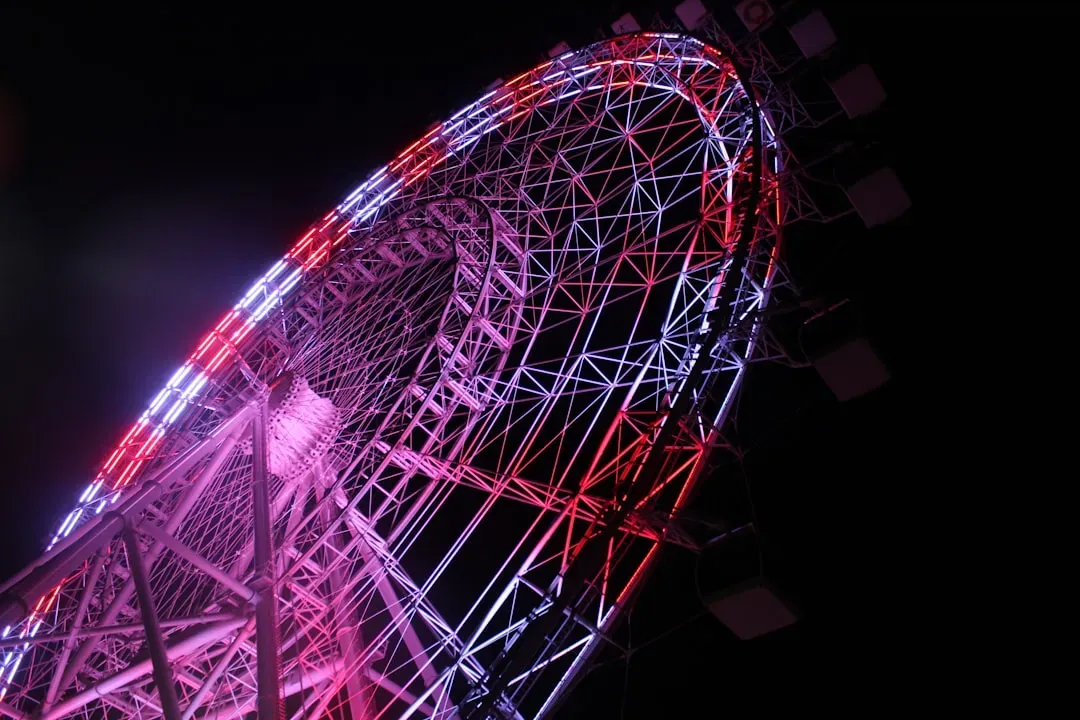
One of the most concrete physiological reasons people feel energetic in Vegas at night comes down to melatonin – or more accurately, the suppression of it. Bright light exposure has acute alerting effects, and these findings suggest that bright light increases alertness but may delay melatonin production by interfering with circadian rhythms.
The body normally begins winding down when light fades in the evening. Evening exposure to electric light can acutely suppress melatonin levels and adversely affect subsequent sleep. In an environment like the Las Vegas Strip, where outdoor lighting rivals daylight intensity throughout the night, the brain’s internal clock receives a continuous signal to stay awake and stay alert.
Research results reveal that both daytime and night-time light exposure can improve subjective alertness. Researchers investigating the relationship between light intensity and alertness found increased levels of alertness with increases in illuminance level. Put simply, the brighter the environment, the more awake you feel – and few places on Earth are as bright after midnight as the Las Vegas Strip.
The Legacy of Neon and What Comes Next
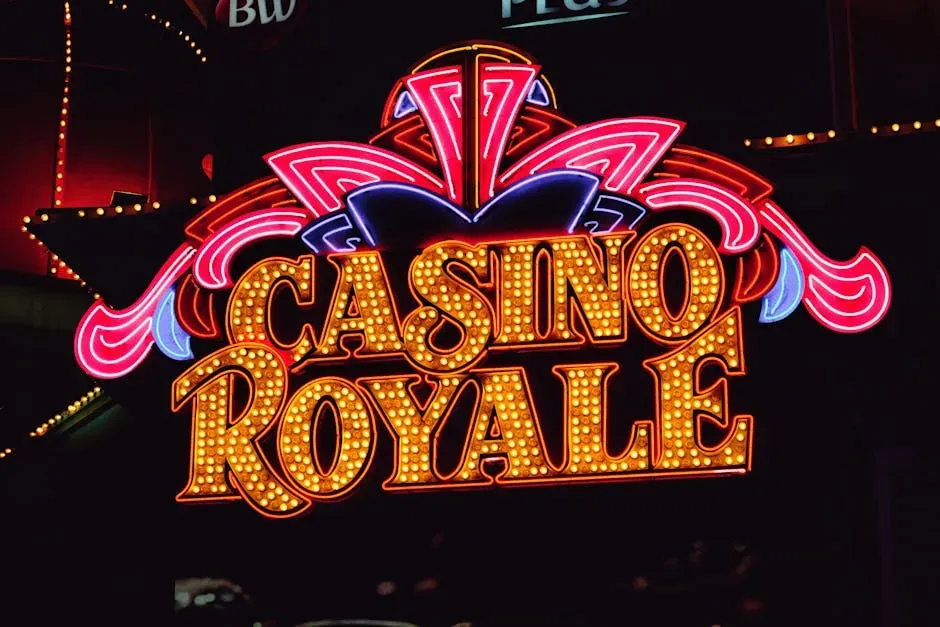
Neon lighting may have been invented in France and popularised in Jazz-era America, but it reached its peak in brash, booming post-war Las Vegas. From the mid-20th century’s vibrant neon signs to today’s high-tech LED displays, lighting in casinos has undergone a remarkable evolution. The visual language has shifted, but the psychological intent behind it remains almost identical.
Casinos such as The Cosmopolitan have embraced LED technology to create immersive environments, where entire walls, floors, and ceilings shift in color and design, adapting to themes and moods. What was once achieved with hand-bent glass tubing is now engineered with programmable light arrays capable of cycling through thousands of colors per second. The effect on the viewer, though, is much the same.
New research suggests that the lighting used in gambling environments could be quietly altering how we make decisions, making us more prone to take risks. The color of the lights surrounding us can do more than just set the mood – it can shape our behavior. Understanding that dynamic doesn’t diminish the spectacle of Vegas. If anything, it makes it more fascinating.
Conclusion: Seeing the Lights for What They Are
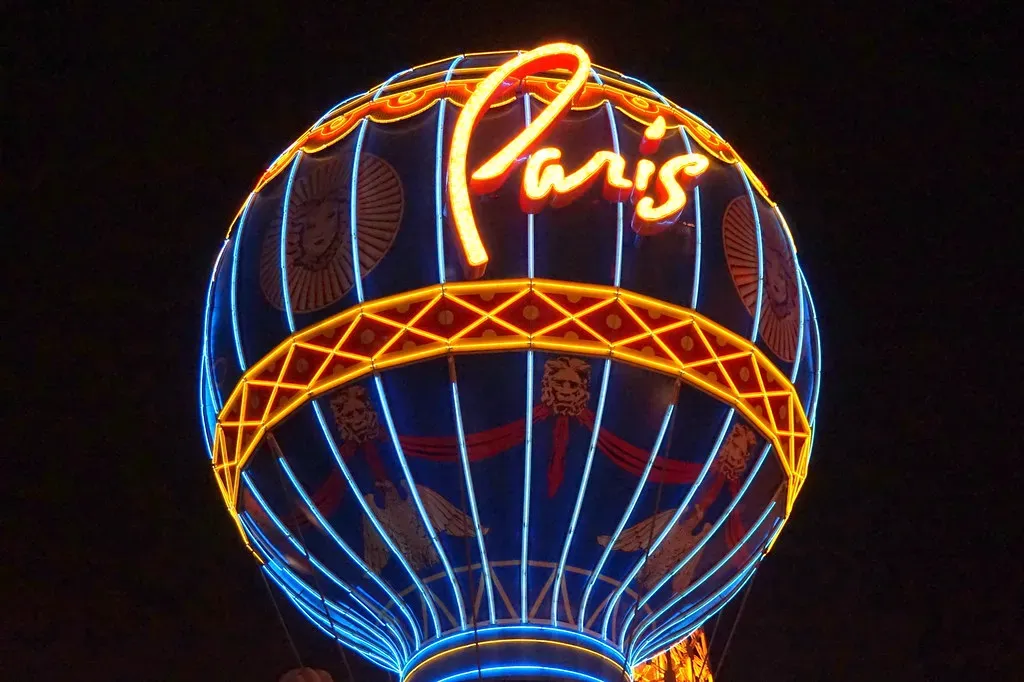
Color psychology and casino design share a long and deliberate history in Las Vegas. The neon glow that has defined the city for nearly a century wasn’t chosen for beauty alone – it was chosen because it works. Red raises the pulse. Yellow lifts the mood. Blue holds your attention without wearing it out. Together, they build an environment that feels alive around the clock.
The next time you walk down the Strip and find yourself wide awake at three in the morning, more energized than you expected to feel, the lights deserve some of the credit. Your body is simply responding to what your eyes are receiving – just as millions of visitors before you have, ever since the first neon tube lit up Fremont Street decades ago.
There’s something worth holding onto in that knowledge. The experience of Las Vegas is real, but it’s also engineered. Knowing the mechanism behind the feeling doesn’t make the glow any less vivid – it just lets you appreciate it with your eyes fully open.
Partner offer
Planning a trip to Vegas?
Compare hotel rates and show tickets on VEGAS.com.