For over a century, the “therapeutic hour” has been the backbone of mental healthcare. A client walks in, speaks for fifty minutes, and then waits another week to do it again. It’s a ritual that feels professional and structured, but it also contains a built-in gap: the other 10,070 minutes of the week when nothing clinical happens.
That gap is now under serious scrutiny. A wave of AI-powered tools, digital platforms, and rethought care models is challenging the assumption that mental health support must be rationed into timed, weekly slots. What’s emerging instead is something more continuous, more accessible, and, according to recent clinical evidence, potentially just as effective in measurable ways.
The Origins of the 50-Minute Session

Sigmund Freud initially established a standard session length of approximately 45 to 50 minutes, and over time this practice became the norm. The reasoning was never purely clinical. As psychotherapy became more widespread, therapists needed to accommodate multiple clients within a working day, and the 45-minute session allowed them to schedule sessions on the hour, leaving a 15-minute buffer. Therapy sessions are typically limited to 45 or 50 minutes to promote efficiency, maximize learning, and accommodate insurance requirements.
In practice, once-weekly therapy is the dominant outpatient service available to youths and adults alike, largely due to long-held beliefs and insurance companies limiting reimbursable treatment time to 50-minute, weekly sessions. This structure has persisted not necessarily because the evidence demands it, but because the system was built around it.
A Mental Health System Under Strain

As of November 2024, nearly 59 million Americans, almost a quarter of the population, had a mental illness, yet 46% received no treatment, primarily due to the scarcity of mental health professionals. That gap between need and capacity is not a minor inefficiency. As of December 2025, 40% of the U.S. population lives in a Mental Health Professional Shortage Area, and only roughly a quarter of need is being met in those regions.
Behavioral health needs continue to rise, and the workforce is projected to suffer from significant shortages in the future, including pronounced deficits of addiction counselors, marriage and family therapists, mental health counselors, psychologists, and psychiatrists. The WHO estimates that depression and anxiety alone cause one trillion dollars in lost productivity and 12 billion lost working days globally each year. The traditional model, which was never designed for scale, is straining under these numbers.
The Limits of the Clinical Hour

A client can spend forty minutes of a weekly session navigating the resistance required to open up, only to have the clock run out the moment the clinical work begins. Critics of the standard model point to something deeper than scheduling. There is no scientifically driven consensus for how long treatment should last or how often sessions should occur, yet once-weekly therapy remains the dominant outpatient option largely due to long-held beliefs and reimbursement structures.
According to research, treatment limits should be set well beyond 20 sessions if more than half of patients are to experience a clinically significant gain. Dropout rates in psychotherapy are commonly reported to be strikingly high, with one major meta-analytic review reporting an average dropout rate of nearly half across 125 studies. These are not trivial numbers, and they suggest the weekly model doesn’t hold everyone effectively in care.
The Rise of AI-Powered Mental Health Tools

While rule-based systems dominated mental health chatbots until 2023, LLM-based chatbots surged to 45% of new studies in 2024. Research interest has followed. The annual number of mental health chatbot studies quadrupled from 14 in 2020 to 56 in 2024. The largest mental health provider in the United States today may not be a hospital network, therapy app, or government program, but rather artificial intelligence, specifically AI chatbots powered by large language models like ChatGPT, Claude, or Gemini.
A 2025 survey conducted among 499 U.S. adults with ongoing mental health conditions who had previously used language models examined patterns of LLM use for mental health support, perceived effectiveness, and comparisons with human therapy. Roughly two-thirds of users reported that LLMs improved their mental health, and about nine in ten cited accessibility while about seven in ten cited affordability as primary motivations.
The Dartmouth Therabot Trial: A Clinical Milestone
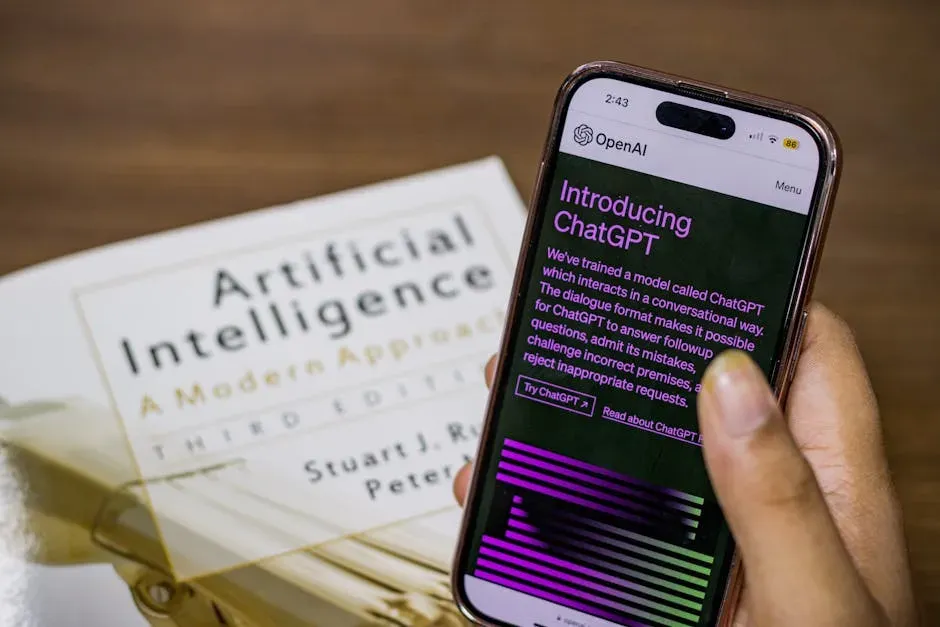
Researchers at Dartmouth College published the first randomized controlled trial to evaluate the effectiveness of a generative AI chatbot, Therabot, for treating mental health symptoms, enrolling 210 participants with symptoms of major depressive disorder, generalized anxiety disorder, and clinically high-risk feeding and eating disorders. The results published in NEJM AI in March 2025 were substantial. At the eight-week follow-up, Therabot users reported a 51% reduction in MDD symptoms, a 31% reduction in GAD symptoms, and a 19% reduction in eating disorder concerns compared to their baseline.
These results are about what one finds in randomized controlled trials of psychotherapy with 16 hours of human-provided treatment, but the Therabot trial accomplished it in about half the time. Participants engaged with Therabot frequently, sending an average of 260 messages and spending more than six hours messaging throughout the course of the study, and they rated their therapeutic alliance with the chatbot similarly to individuals engaged in outpatient psychotherapy. That detail about the therapeutic alliance was one that surprised even the researchers themselves.
What “Always-On” Support Actually Means

While human therapists remain invaluable, LLMs may be able to provide effective support for many people, offering unique advantages like 24/7 availability, consistency, and judgment-free interactions that even skilled human providers can’t always match. The idea of continuous care is less about replacing the therapeutic relationship and more about filling in the enormous spaces around it. On the patient side, conversational experiences powered by LLMs provide continuous triage, coaching, and prompts for next-best actions, facilitating ongoing engagement between appointments.
Partner offer
Based on real-time predictions from monitoring systems, interventions can be delivered in a timely and personalized way, either automated through chatbot-based cognitive behavioral therapy or mindfulness recommendations, or clinician-guided through teleconsultations. In October 2025, Lyra Health launched what it described as the first clinical-grade AI for mental health, combining AI with evidence-based care and strict safety protocols, providing 24/7 support, risk flagging, and escalation pathways. The commercialization of continuous care is accelerating quickly.
The Safety and Ethics Conversation

Some mental health clinicians have raised concerns that chatbots can have a dangerous tendency to validate users’ suicidal thoughts and ideations, and that many do not have the necessary guardrails to ensure patient safety. This is a serious critique, not a minor technical objection. Only 16% of LLM-based mental health chatbot studies underwent clinical efficacy testing, with most still in early validation.
Safety is influencing adoption, as suppliers are implementing guardrails, escalation procedures, and human-in-the-loop evaluations to address hallucinations and crisis-risk situations. The Dartmouth team acknowledged that AI therapy isn’t ready to operate fully autonomously, especially in high-risk scenarios like suicidal ideation. Therabot was designed with safeguards, prompting users to seek emergency help when needed, and its conversations were monitored to ensure alignment with therapeutic best practices. The ethical path forward requires that rigor remain non-negotiable.
The Therapist’s Role in a Continuous Care World

Most studies focused on how AI-powered applications can complement and enhance the existing services provided by clinicians rather than replacing them. This distinction matters enormously. Commercialization is transitioning from chatbots alone to comprehensive platforms where generative AI assists clinicians, care teams, and members throughout the entire care journey.
Providers are utilizing large language models to create session summaries, standardize records, and decrease clinician administrative time, directly enhancing capacity in a market limited by therapist shortages. AI tools can streamline tasks like progress notes, saving clinicians hours each week, which alone can help reduce the burnout and emotional exhaustion that is so prevalent among therapists. The human clinician, freed from administrative burden, can focus on what no algorithm has yet reliably replicated: genuine relational presence.
Who Benefits Most from the Shift
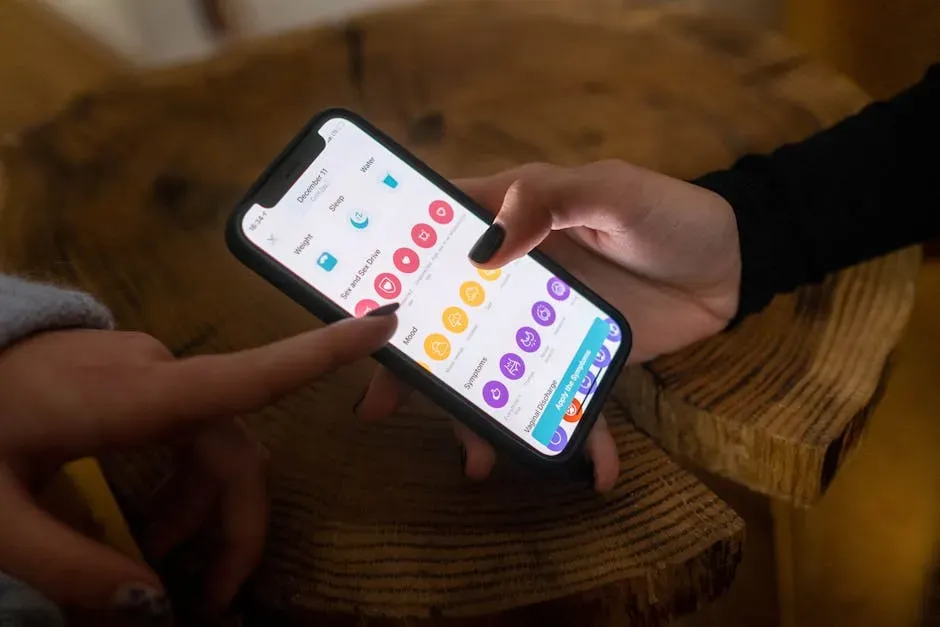
The ubiquity of smartphones and internet access allows AI-driven mental health apps to reach a broad audience, including those in remote or underserved areas. For communities with the worst access problems, continuous digital support could be transformative. Over 37% of Americans live in shortage areas, and in rural areas the ratio of mental health providers to residents can be as low as 1 to 30,000, compared to urban areas where ratios may reach 1 to 1,000.
In March 2024, the UK’s National Health Service introduced a chatbot named Wysa to support adults and teens dealing with anxiety, stress, and depression, an initiative that also benefits those on waitlists for therapy. These are people who, under the previous model, would have received no support at all while waiting for an appointment. Around 85% of people with mental health issues do not receive treatment, often due to a lack of available providers. That figure underscores just how large the population is that continuous digital tools could realistically serve.
What the Evidence Still Doesn’t Confirm
Overall, only 47% of mental health chatbot studies focused on clinical efficacy testing, exposing a critical gap in robust validation of therapeutic benefit. The honest picture is one of genuine promise alongside real uncertainty. Fine-tuned generative AI chatbots offer a feasible approach to delivering personalized mental health interventions at scale, although further research with larger clinical samples is needed to confirm their effectiveness and generalizability.
It may involve overhauling how we are willing to define treatment for psychological distress, acknowledging that treatment can occur in a wide variety of settings, with or without a trained provider present, over an hour or many months, and within or beyond brick-and-mortar clinics. This expanded understanding may create new roles and opportunities for mental healthcare providers, including flexible utilization of widely-varying forms of therapeutic support both in and out of traditional sessions. That reimagining is already underway. Whether it moves carefully enough is the open question.
Conclusion: Rethinking the Container of Care
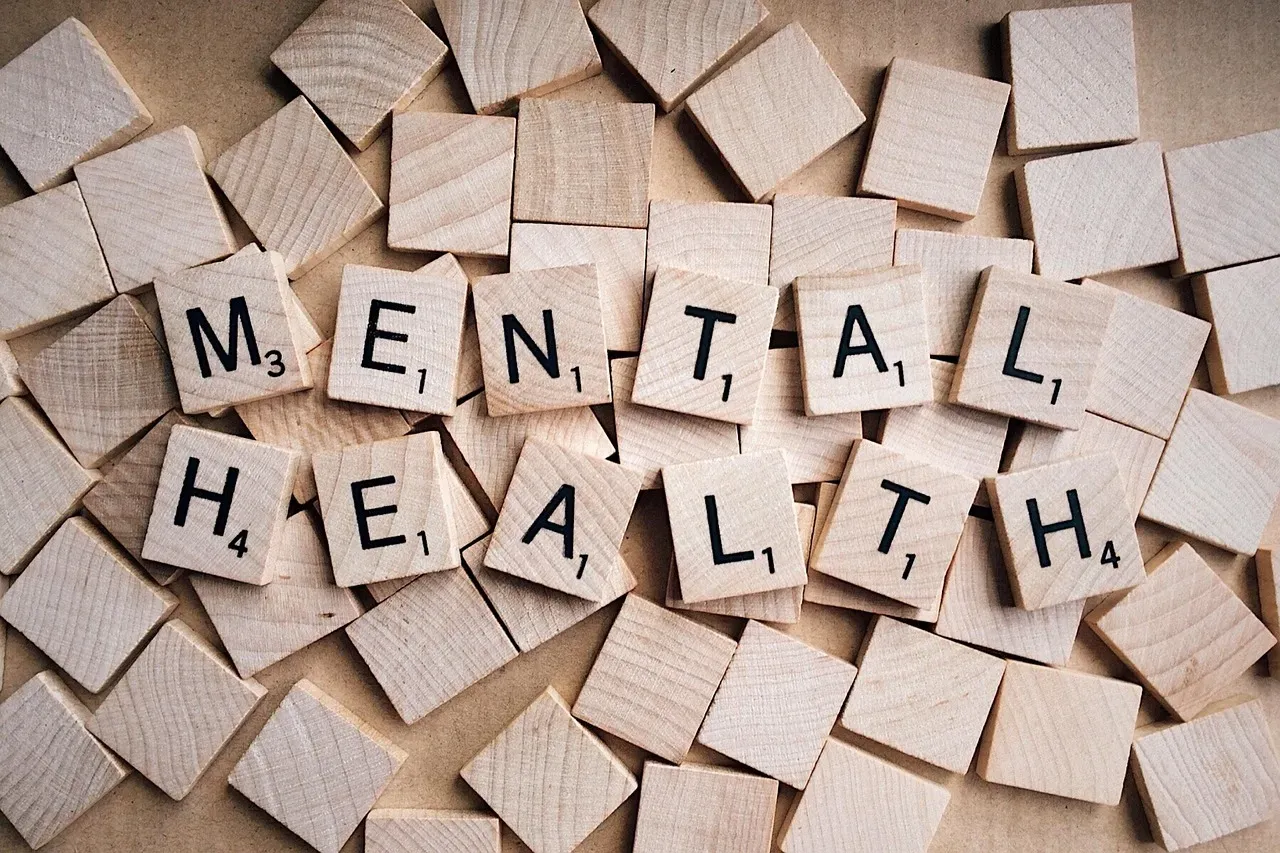
The 50-minute session was never a biological law. It was a practical arrangement that hardened over decades into something that felt inevitable. What’s changing now is not the value of skilled human therapy, which remains real and for many people irreplaceable. What’s changing is the assumption that care can only happen inside that one weekly container.
The data from trials like Dartmouth’s Therabot study, and the usage patterns emerging from large surveys across the U.S. and globally, suggest that millions of people are already seeking continuous mental health support, whether or not the system officially provides it. By 2038, the U.S. is projected to face a shortage of 100,000 counselors, along with substantial shortages of psychiatrists. That future demands more flexible, layered, and continuous models of care, not as a replacement for human therapy, but as the infrastructure that makes sure nobody is left waiting alone between sessions.
The 50-minute hour may still have a central place in mental health care. It simply can’t be the only place anymore.
Partner offer
Planning a trip to Vegas?
Compare hotel rates and show tickets on VEGAS.com.