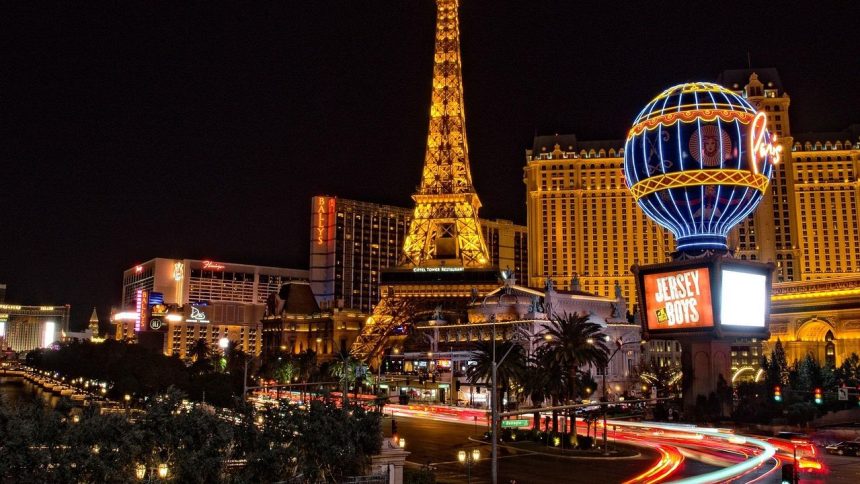
There’s a city in the American Southwest that rises from the desert like a fever dream. It has no naturally flowing rivers, almost no rainfall, and summer temperatures that routinely surpass 110 degrees Fahrenheit. Yet it hosts more hotel rooms than any other city in the United States, draws tens of millions of visitors a year, and generates a level of spending that most nations couldn’t match. Las Vegas didn’t happen by accident. It was built by deliberate, relentless ambition. And in that sense, it mirrors something real about how America has always operated: dream big, build fast, deal with consequences later.
The Numbers Behind the Neon
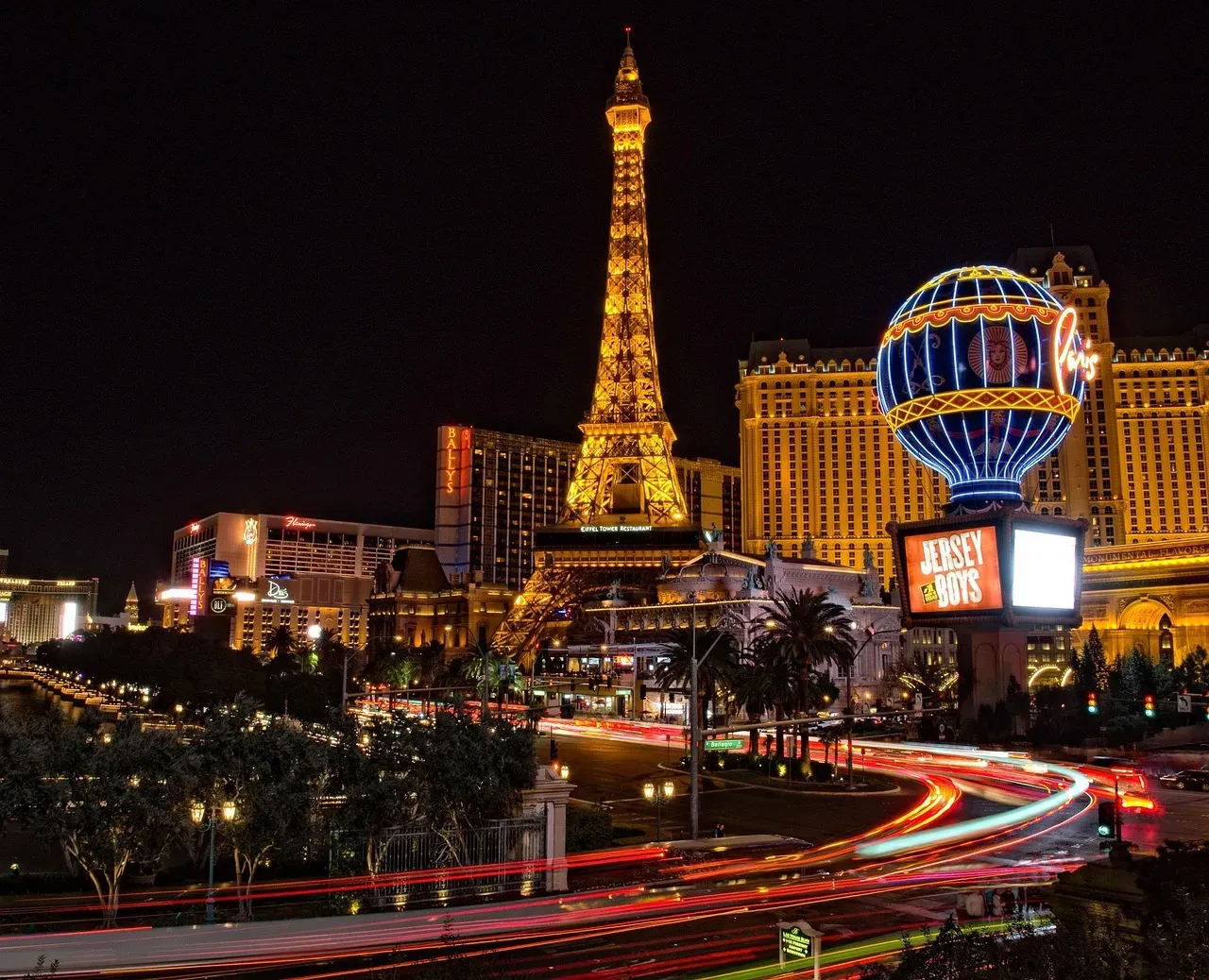
Few cities in the world compress so much economic activity into so few square miles. Las Vegas welcomed 41.68 million visitors in 2024, a 2.1% rise over 2023, though it remained slightly below its 2019 pre-pandemic peak. That’s more than the entire population of California making the trip in a single year.
In 2024, visitor spending in Las Vegas hit an all-time high of $55.1 billion. The broader economic impact reached $87.7 billion. These are not numbers you absorb easily. They represent an economy built almost entirely on the premise that people will pay, and pay generously, to feel something they can’t feel at home.
The Gambling Machine Evolves

Gambling losses per visit hit an all-time high in 2024 at $820, compared with $591 in 2019, even as the average time spent gambling fell to 2.5 hours per day. Visitors are losing more money, faster, and in shorter sessions. The casino floor has gotten remarkably efficient at extracting value.
The gaming and casino sector generated $15.8 billion in 2024, with the Strip alone accounting for $9.1 billion, a 6% year-over-year increase. While Nevada gaming revenue reached a record $15.6 billion in 2024, gross gaming revenue on the Las Vegas Strip itself actually declined 1% from a year earlier. The paradox is instructive: statewide records are being broken while the Strip’s share of the pie quietly shrinks.
Who Actually Goes to Vegas
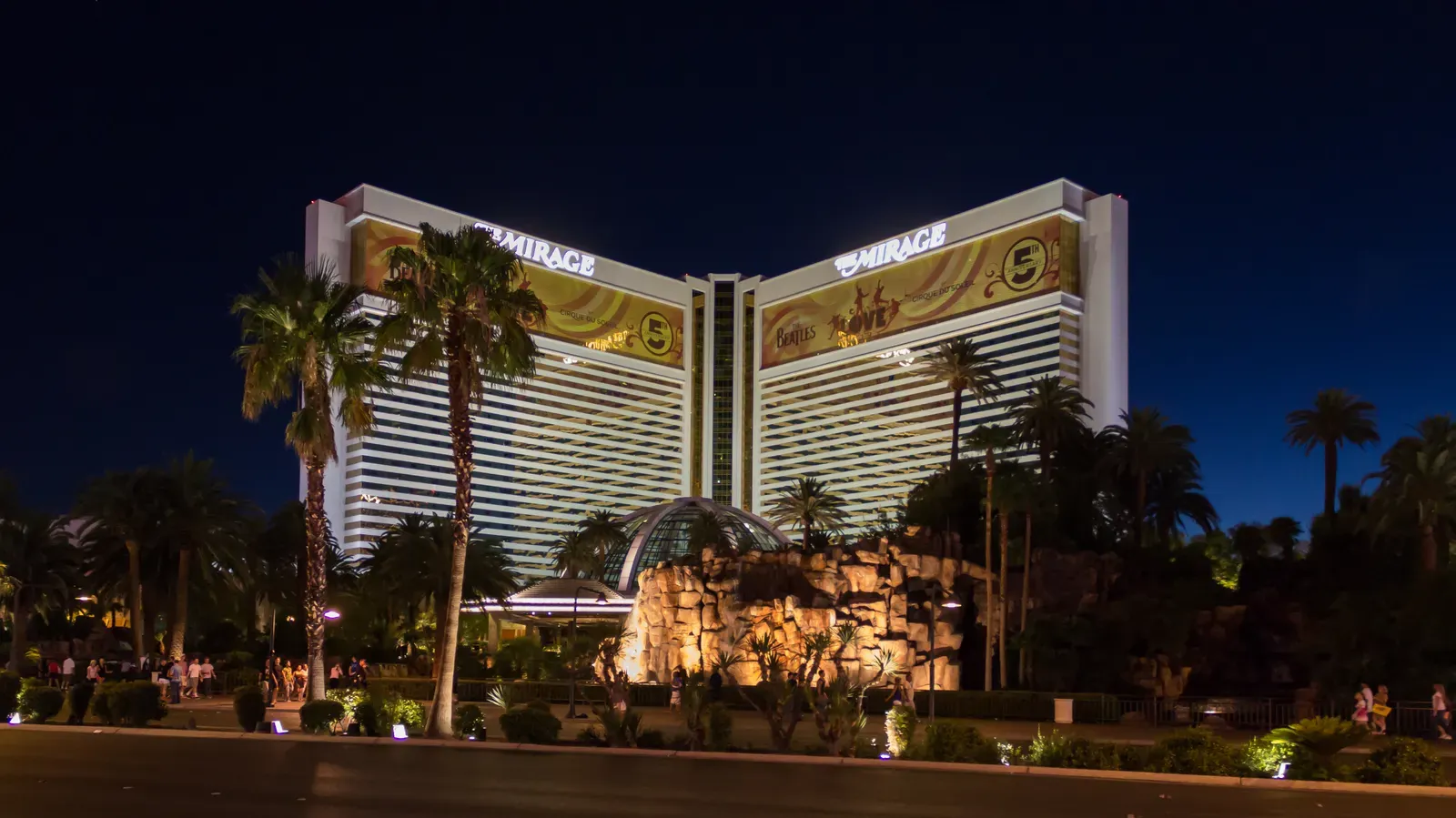
The 2024 Visitor Profile showed a changing demographic of visitors, who are now more likely to be college-educated and earn more than $100,000 a year. A record 86% of visitors in 2024 were repeat guests, showing the city’s continued appeal. Vegas has become less of a one-time pilgrimage and more of a habitual indulgence for a specific income bracket.
Food and drink spending per visitor averaged $615, and shopping expenditures reached $281. Visitors stayed an average of 3.4 nights. The city is no longer just a gambling destination. It’s a full-spectrum consumption experience, and the numbers show that people are treating it accordingly.
A Desert Running Out of Water
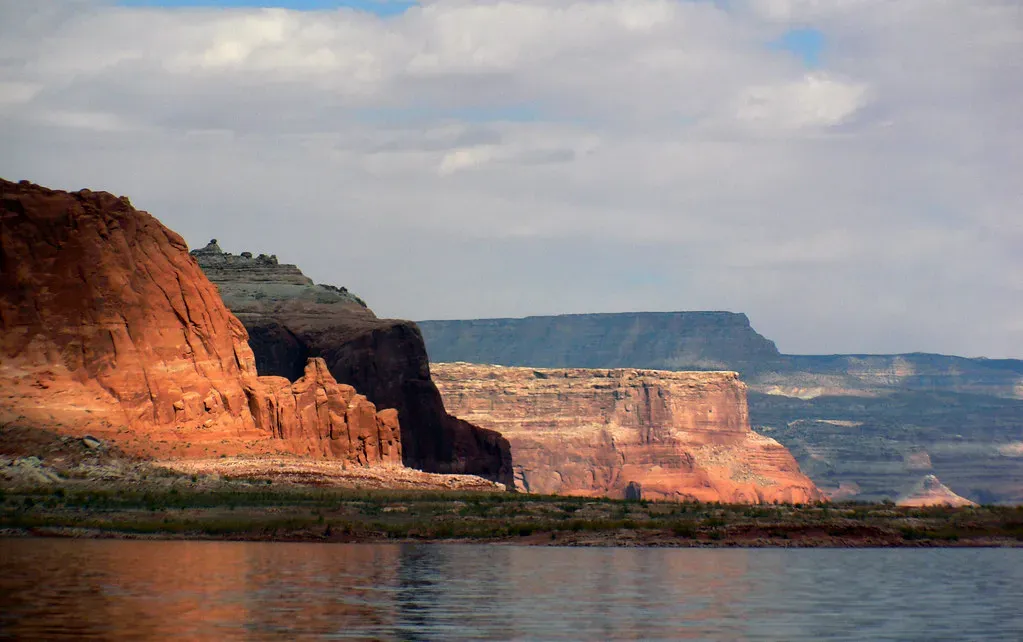
Las Vegas is the driest major metropolitan area in the United States, exemplifying the challenges of urban water management in arid regions. The Las Vegas Valley gets about 90 percent of its water from the Colorado River, which is facing the worst drought in the river basin’s recorded history. The fountains keep dancing, but the math is getting harder to ignore.
The water level of Lake Mead has dropped by approximately 160 feet since January 2000. Lake Mead’s elevation at the start of 2026 stands at approximately 1,062 feet, about 175 feet below full pool, with federal models projecting continued low snowpack in the Upper Colorado River Basin. The city is not just betting with money. It’s betting with water.
Conservation as Survival Strategy

Vegas has been forced to get serious about water. A closed-loop recycling system, combined with aggressive conservation, has allowed Las Vegas to reduce overall water consumption by 55% since 2002 despite adding over 829,000 new residents, using the least Colorado River water in 31 years as of 2024.
The Water Smart Landscapes rebate program has removed over 200 million square feet of grass across the valley, replacing it with desert-adapted landscaping and saving billions of gallons annually. A Nevada law signed in 2021 mandated the removal of so-called nonfunctional turf by the end of 2026. The city of spectacle is quietly dismantling its green lawns, and doing it by law.
The Strip’s Insatiable Appetite for Energy
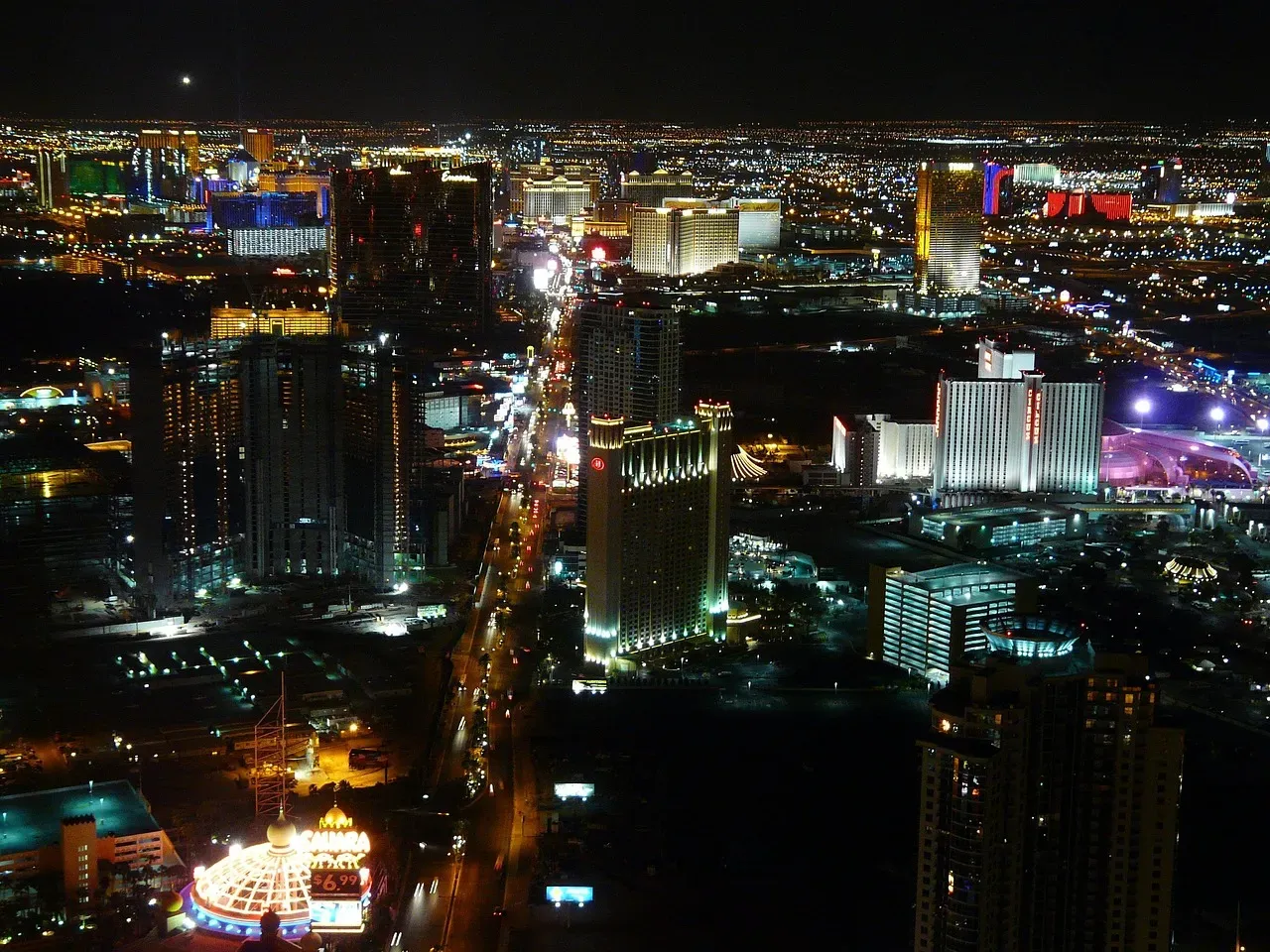
Las Vegas’s total annual electricity consumption reached 35 billion kWh in 2024, representing a 15% increase from 2020 levels. Despite occupying less than 1% of the city’s land area, the Strip consumes 20% of Las Vegas’s total electricity, roughly 7 billion kWh annually, making it one of the most energy-dense commercial districts globally.
Individual mega-resorts like MGM Grand consume enough electricity to power 36,000 homes. Despite its reputation for excess, Las Vegas has achieved 40% renewable electricity in 2025 and targets 100% carbon-free power by 2050. The city that built its identity on burning bright is now, somewhat improbably, becoming a leader in sustainable energy.
Spectacle Events and the Price of Excess

Super Bowl LVIII in 2024 drew over 330,000 visitors in a single weekend. The event generated a gross economic impact estimated at $1.1 billion for the Las Vegas economy. No other city in America is positioned to absorb and profit from that kind of concentrated human mass quite so efficiently.
More than a thousand private jets flew into Las Vegas just for Super Bowl LVIII in 2024. Estimates put the food waste generated at approximately 2,000 tonnes. The game was also, for the first time, fully powered by renewable energy, with more than 621,000 solar panels in the Nevada desert powering Allegiant Stadium. Contradiction and aspiration, coexisting on the same weekend.
When the Mirror Cracks: Housing and Real Lives

Behind the glittering facade, the city’s residents face a different reality. Vegas’s median household income was $66,356, while the median home price in 2024 reached $448,174. Monthly housing costs averaged $1,758, resulting in 31.5% of households being classified as cost-burdened.
About 70% of low-income Nevadans are considered cost-burdened by their housing costs, according to a 2024 report from the National Low Income Housing Coalition. Between 2019 and 2023, rent in the Las Vegas metro area increased by 34%, while wages during that period only increased by 14%. The city that sells abundance is, for many of its workers, a deeply unaffordable place to live.
The Fragility of a City Built on Tourism
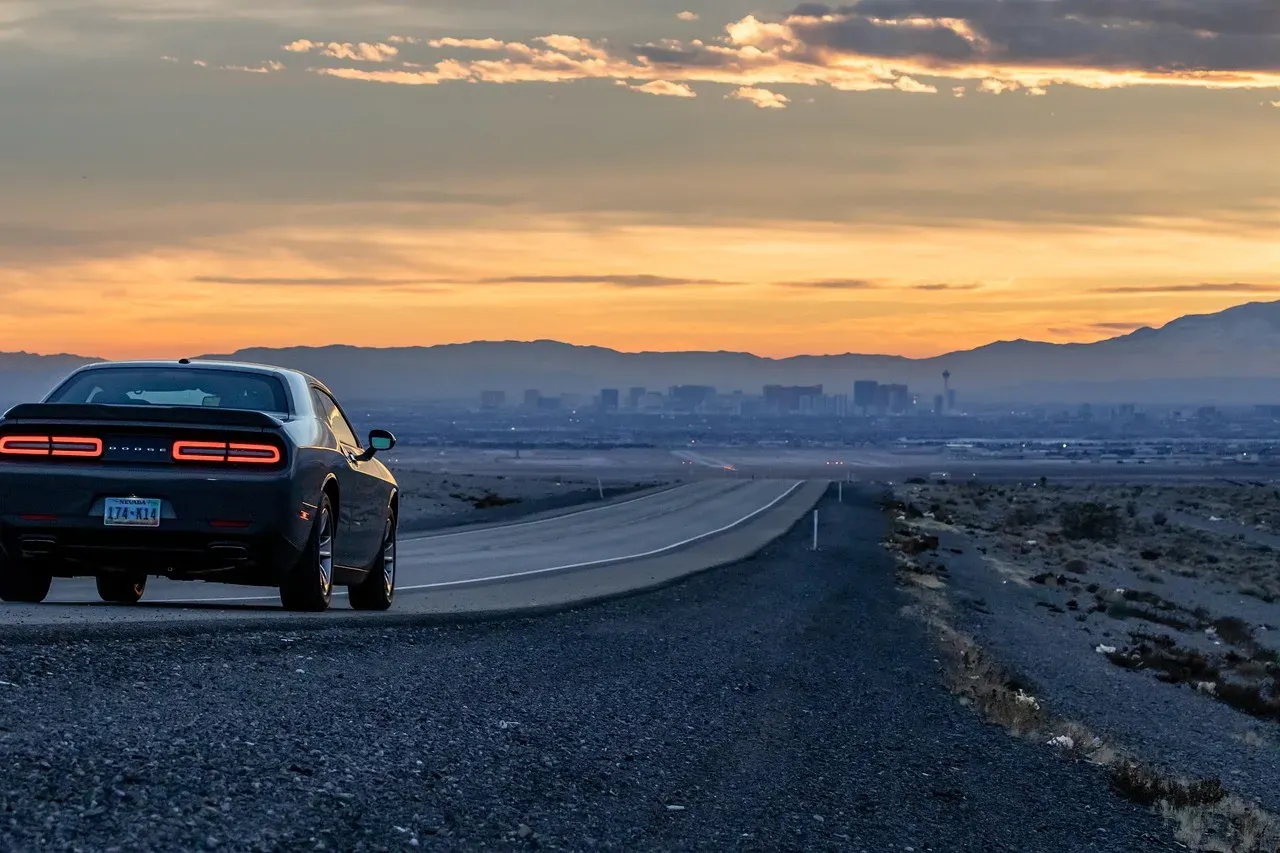
Vegas’s greatest vulnerability is the same thing that makes it impressive: its total dependence on visitors. About 38.5 million visited Las Vegas in 2025, down 7.5% from 2024, according to the Las Vegas Convention and Visitors Authority. Hotel room occupancy fell to 80.3%, down 3.3 points from 2024, while average daily room rates dropped 5%.
The LVCVA highlighted the steep decline in international travel as a core issue, estimating a 24% drop in Canadian visitors, the city’s biggest international tourism group. Shifting travel dynamics and economic uncertainty spurring cautious consumer sentiment defined 2025, the LVCVA’s summary concluded. The strip does not exist in a geopolitical vacuum, and 2025 proved that point plainly.
What Vegas Tells Us About America
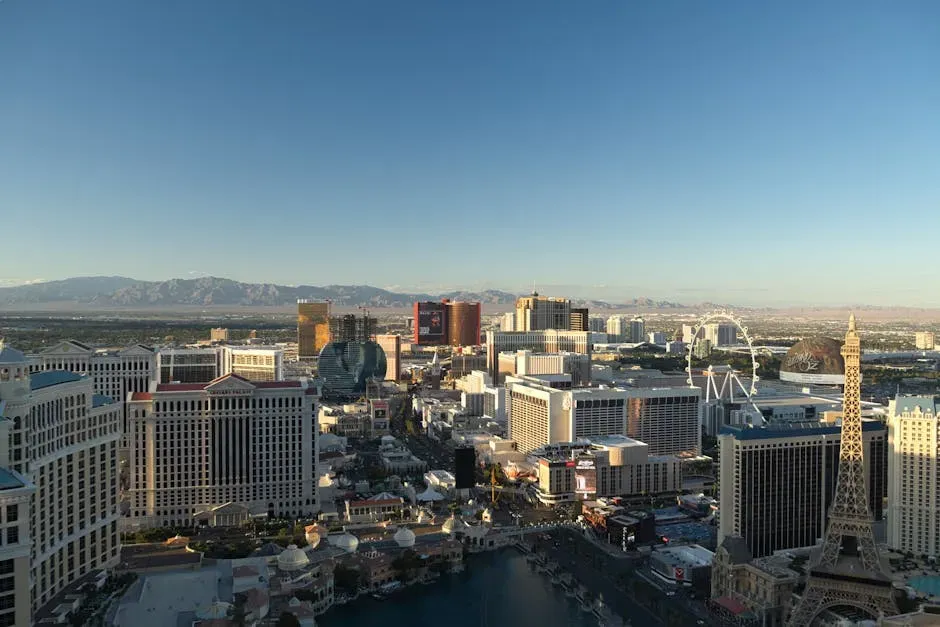
Las Vegas functions as a kind of national pressure valve. It is the place where Americans go to spend freely, behave loosely, and temporarily suspend the constraints of ordinary life. That makes it an extraordinarily accurate instrument for reading the state of the country. As the LVCVA itself noted, “Las Vegas is often a reflection of the broader U.S. economy.”
The resort industry remains Nevada’s largest employer, with more than 436,600 jobs sourced to resorts. The city embodies the American talent for constructing something impossible and then defending it indefinitely. It is excessive by design, fragile by nature, and resilient by necessity.
The city doesn’t just reflect American excess. It organizes it, prices it, and sells it back at a premium. That’s either a critique or a compliment, depending on where you’re standing. Either way, the lights stay on.