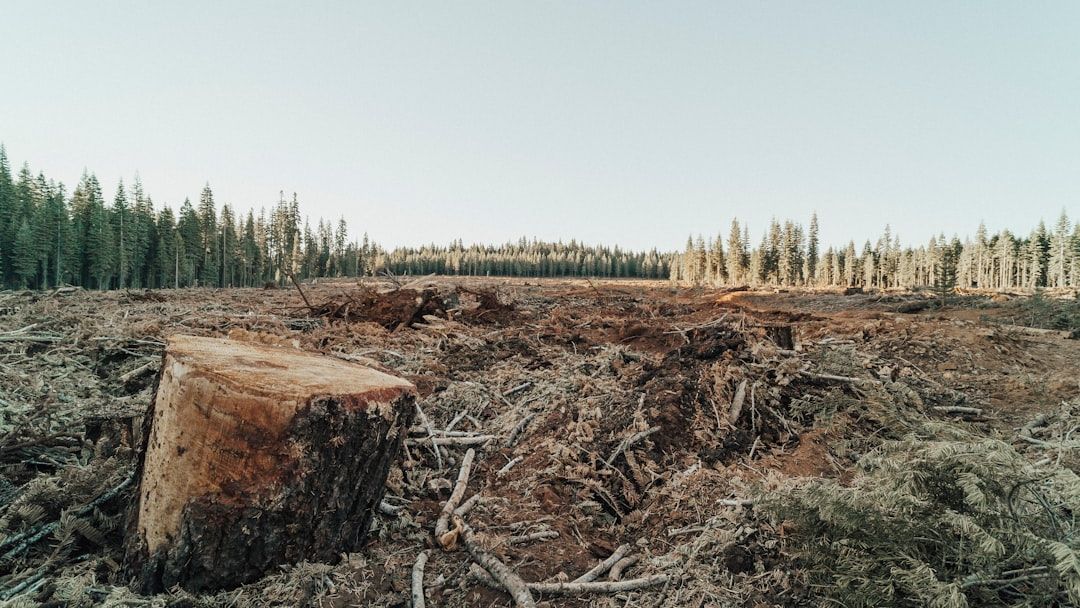
COP30 roadmap to end deforestation will invite countries to draft domestic plans – Image for illustrative purposes only (Image credits: Unsplash)
Millions of people who rely on forests for food, fuel and income face mounting pressure as tree cover continues to shrink. A new voluntary framework under Brazil’s COP30 presidency now asks governments to create their own national pathways to stop and reverse that loss by 2030. The approach deliberately avoids a single blueprint, instead drawing on the varied experiences already shared by more than 130 countries and experts.
The Scale of Ongoing Forest Loss
Last year alone, 4.3 million hectares of tropical primary rainforest disappeared – an area roughly the size of Denmark. Although the figure marked a 36 percent drop from the record set in 2024, it remained 70 percent above the pace required to meet the 2030 global target. The gap highlights how climate-driven fires and everyday land-use pressures continue to outpace current efforts.
These losses carry direct consequences for rural communities. In parts of the Congo basin, for example, families clear small patches of woodland simply to gather firewood or grow food because few other options exist. Similar patterns appear across other tropical regions where poverty intersects with weak infrastructure.
A First Outline Presented in New York
Juliano Assunção, an advisor to the COP30 presidency, shared the initial structure at the United Nations Forum on Forests this week. The final report, due by September, will split into two main sections: one describing the social, economic and environmental risks of continued deforestation, and another offering a menu of proven policy tools. “The roadmap will not prescribe a single model,” Assunção told delegates, but will instead help countries ground existing commitments in local realities.
Officials described the consultation phase as unexpectedly rich. Submissions arrived from governments, scientists and civil-society groups, revealing both common obstacles and workable solutions already tested in different settings. The document will therefore emphasize practical diagnosis over abstract targets.
Partner offer
Forest Nations Stress Local Realities
Representatives from major rainforest countries welcomed the flexible format while stressing that any plan must address the daily pressures their citizens face. Joseph Malassi of the Democratic Republic of Congo noted that deforestation there stems mainly from extreme poverty rather than large-scale industry. Indonesia’s Nicholas Suryobasuindro added that land-use decisions involve complex chains of economic need, spatial planning and development priorities.
Guyana’s ambassador Carolyn Rodrigues-Birkett pointed to finance as the missing piece. She urged stronger support for two existing proposals: the Tropical Forest Forever Facility and high-integrity jurisdictional carbon markets. Both mechanisms, she said, can help nations that have already kept deforestation low through sustainable management.
Room for Shared Tools and Finance
Although each country will draft its own plan, the roadmap reserves space for collective action. Proposed areas of cooperation include sharing satellite monitoring systems, improving how international funds reach forest projects, and aligning trade rules to reduce illegal timber flows. Marco Tulio Cabral, the Brazilian diplomat leading the process, stressed that the text remains non-negotiated yet aims to reflect a wide range of views.
Unlike the parallel effort on fossil-fuel phase-out, which produced a new coalition of countries, officials expect the deforestation roadmap to stay more decentralized. Different political dynamics and opposing interests limit how closely the two tracks can be linked.
What Happens Next
Countries now have several months to refine their contributions before the September deadline. The final document will serve as a reference rather than a binding agreement, leaving each nation to decide how – or whether – to turn the menu of options into concrete domestic policy. Success will ultimately be measured by whether rural communities gain realistic alternatives to clearing trees and whether global finance flows reach the places where forests still stand.
Partner offer
Planning a trip to Vegas?
Compare hotel rates and show tickets on VEGAS.com.