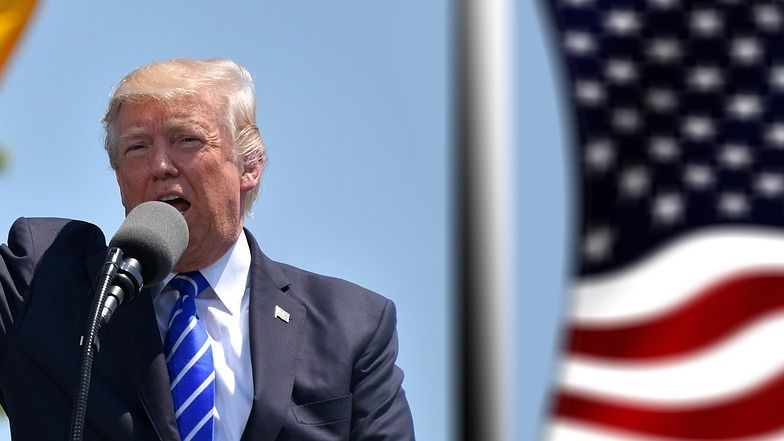
Another court ruling blocks Trump’s tariffs – Image for illustrative purposes only (Image credits: Pixabay)
The U.S. Court of International Trade issued a 2-1 ruling on May 7 that grants permanent relief to two small businesses and the state of Washington from the president’s blanket 10 percent tariffs on imports. The decision marks the latest legal check on the administration’s trade policy after the Supreme Court invalidated an earlier round of emergency tariffs in February. Importers now face a clearer path to resuming shipments without the added tax, though the relief remains limited to the named plaintiffs for now.
Details of the May 7 Decision
The court sided with a Florida toy manufacturer and a New York spice importer that filed suit in March, arguing the tariffs would damage their operations. It also extended the same protection to Washington state, which participates in importing goods subject to the duties. Judges rejected standing for 15 other states that joined related challenges, ruling they lacked direct importer status.
The injunction halts collection of the tariffs for these parties and opens the door for potential refunds on duties already paid. Customs and Border Protection continues processing returns tied to the earlier $166 billion in invalidated tariffs from the previous regime. Companies outside the lawsuit must still navigate the duties until further court action or an appeal changes the landscape.
Timeline Leading to the New Tariffs
President Trump imposed the current 10 percent tariffs on February 24 under Section 122 of the Trade Act of 1974. That move followed the Supreme Court’s February 20 ruling, which struck down the prior global tariffs enacted through the 1977 International Emergency Economic Powers Act. The administration shifted to the newer legal authority after the high court found the earlier approach exceeded presidential powers.
The fresh tariffs took effect quickly, affecting a wide range of imported consumer goods. Small businesses reported immediate cost pressures, prompting the March lawsuits that reached resolution this week. The sequence underscores how quickly trade policy can shift between executive action and judicial review.
Partner offer
Stakeholder Reactions and Practical Effects
Jay Foreman, chief executive of Basic Fun!, the company behind Tonka Trucks and Care Bears, described the outcome as a significant relief for operations that rely on steady import flows. He noted that affected shipments could clear customs as early as the following day once brokers receive updated instructions.
Washington Attorney General Nick Brown called the ruling a victory for both affordability and legal limits on executive power. He emphasized that consumers and businesses ultimately bear the cost of the tariffs and that the decision may encourage additional challenges from other importers seeking similar relief.
- Basic Fun! and Burlap and Barrel receive direct protection from the duties.
- Washington state gains the same exemption as an active importer.
- Other states remain subject to the tariffs pending separate litigation or appeals.
- Businesses nationwide can still pursue their own cases for refunds or stops on collection.
Next Steps for Importers and the Administration
Legal experts involved in the case expect the government to consider an appeal or request for a stay, which could temporarily alter enforcement. Companies paying the tariffs now have stronger incentive to file parallel suits to secure their own injunctions and potential reimbursements.
The White House has not yet issued a formal response to the latest order. Customs officials continue the refund process for the prior tariff round while monitoring how the new injunction affects ongoing collections. The outcome leaves the broader 10 percent tariff structure intact for most importers but signals continued judicial scrutiny of the policy.
Businesses that depend on imported components now have a concrete example of how targeted legal action can reduce costs in the short term. The ruling reinforces that courts remain an active check on trade measures, even as the administration explores additional avenues under existing statutes.
Partner offer
Planning a trip to Vegas?
Compare hotel rates and show tickets on VEGAS.com.