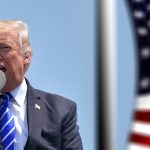
Appeals court appears ready to reject Hegseth’s bid to punish Mark Kelly over ‘illegal orders’ video – Image for illustrative purposes only (Image credits: Flickr)
A federal appeals court on Thursday signaled it is prepared to turn aside Defense Secretary Pete Hegseth’s attempt to discipline Democratic Sen. Mark Kelly for a video urging service members to reject unlawful commands. The development arrives at a moment when questions of military obedience and civilian oversight are drawing renewed attention in Washington. Observers note that the panel’s apparent leanings could limit the executive branch’s reach into congressional speech on such sensitive topics.
Why the Hearing Matters Now
The case tests the boundaries between a cabinet secretary’s authority over the armed forces and a senator’s right to address service members directly. Hegseth had sought to impose penalties on Kelly after the senator posted the video, which reminded troops of their duty to disobey illegal orders. The appeals court’s preliminary reaction suggests judges view the effort as overreach rather than a straightforward personnel matter.
Such disputes rarely reach this level, making the outcome a potential precedent for how future administrations handle public statements from lawmakers. The hearing unfolded amid broader debates over command structures and the limits of political involvement in military affairs.
Details of the Dispute
Kelly’s video, released earlier this year, emphasized longstanding military doctrine that personnel must refuse directives that violate the law. Hegseth’s office argued the message undermined discipline and amounted to an improper interference with the chain of command. The defense secretary moved to pursue administrative or other sanctions against the Arizona senator, who is also a former Navy officer.
Partner offer
Lower courts had already declined to intervene in Hegseth’s favor, prompting the appeal. During oral arguments, judges pressed government lawyers on whether the video crossed into prohibited territory or remained protected political expression. The panel appeared unconvinced that the secretary possessed the power to punish an elected official in this manner.
Legal and Institutional Context
Federal law has long recognized that service members retain certain constitutional protections even while in uniform, including the ability to receive information from elected representatives. Courts have historically been reluctant to let executive officials police congressional communications with the military. This case fits into that pattern, with the appeals court seemingly inclined to preserve that separation.
Legal analysts following the proceedings pointed to the absence of clear statutory authority for the sanctions Hegseth proposed. The judges’ questions focused on whether the video itself constituted an order or merely commentary, a distinction that could prove decisive in the final ruling.
What Matters Now
The court’s direction carries immediate consequences for how military leaders and lawmakers interact on questions of lawful orders. A final decision rejecting the sanctions bid would reinforce congressional oversight without expanding executive control over public discourse. Both sides are expected to file additional briefs before any formal opinion is issued.
Whatever the ultimate outcome, the hearing underscores ongoing tensions over the proper role of civilian leaders in shaping military conduct. The appeals court’s apparent stance offers a measured check on one side of that debate while leaving room for further clarification in the weeks ahead.
Partner offer
Planning a trip to Vegas?
Compare hotel rates and show tickets on VEGAS.com.