
Picture this. You see your favorite band’s name on a festival lineup. The excitement is real. Then you check the ticket price and suddenly your bank account starts making nervous noises in the background. Let’s be real, music festivals can drain your wallet faster than you can say “VIP upgrade.” Honestly, though, it doesn’t have to be that way. With some smart planning and a few clever tricks, you can enjoy that unforgettable weekend without living on instant noodles for the next three months.
Understanding the True Cost of Music Festival Attendance

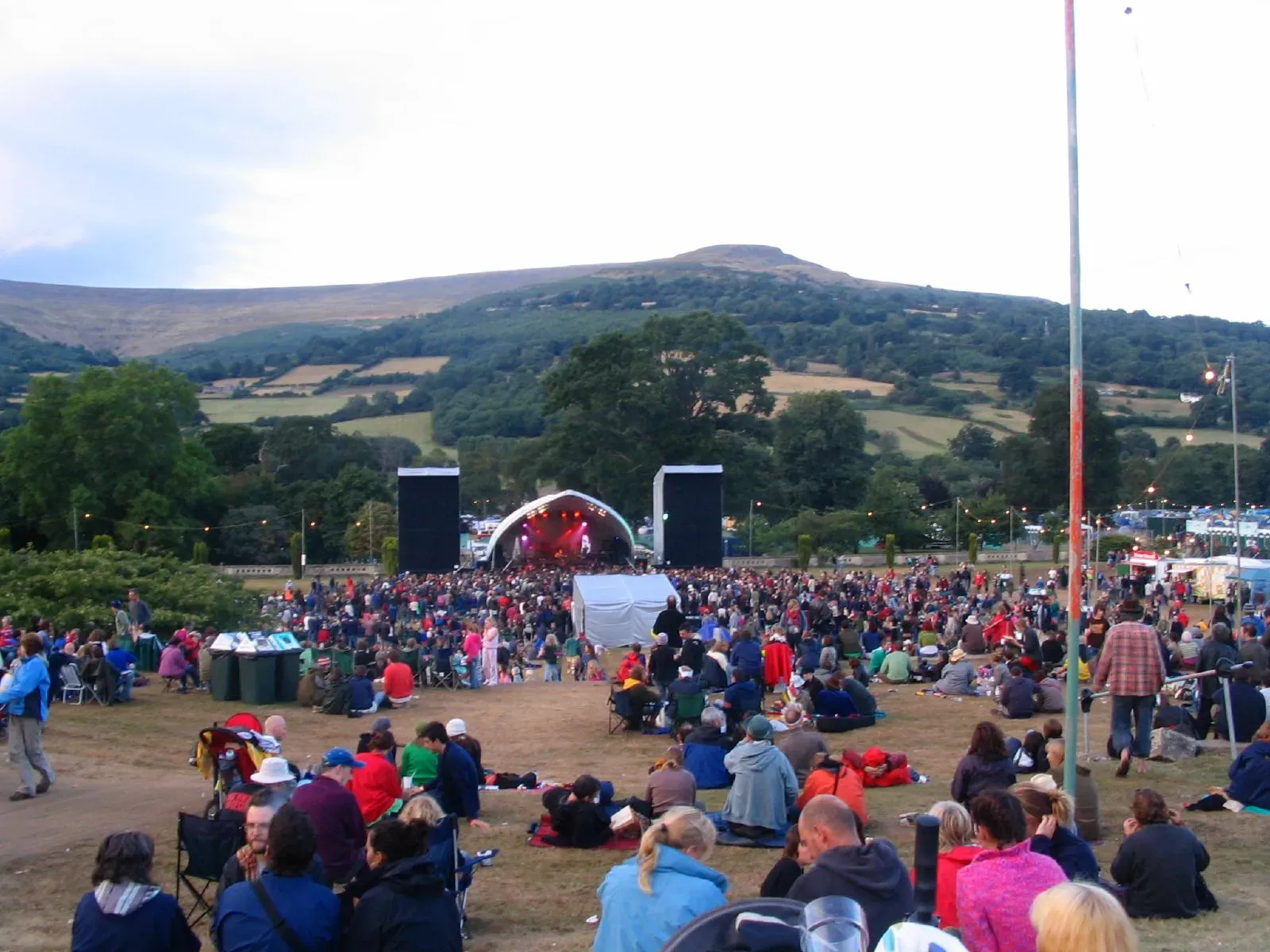
Music festival tickets alone typically cost between $200 and $600, which might seem reasonable when you think about seeing dozens of artists in one place. Here’s the thing, though. That ticket price is honestly just the beginning of your expenses. According to financial planners, you might spend anywhere from $800 to $3,000 for tickets, travel, accommodations, food and drink, depending on the level of luxury you prefer. Daily general admission prices for major music festivals have risen by 55% since 2014, while the actual rate of inflation in that same time is 32%. That’s a pretty significant gap, yet people keep coming back for more because honestly, where else can you see that many incredible performances in one weekend?
Booking Your Festival Tickets at the Right Time

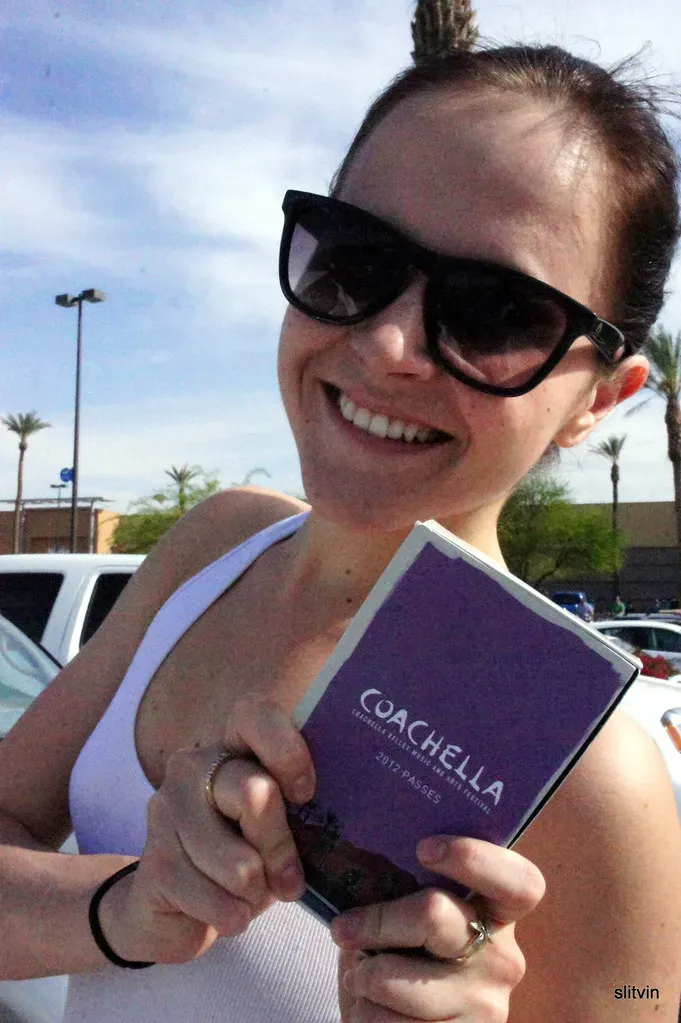
Early bird tickets are your absolute best friend when it comes to festival budgeting. Most festivals release tickets in tiers, with prices increasing as the event date approaches. The savings can be substantial, sometimes up to roughly one third less than last-minute purchases. I think the key here is to set alerts for when your favorite festivals announce ticket sales. In 2025, general admission to Coachella is approximately $550, Stagecoach is close to $400, and Lollapalooza runs around $385. Those prices climb even higher closer to the festival dates. Some festivals even offer payment plans, which can help spread the cost over several months instead of one massive hit to your wallet. Just watch out for extra fees that might sneak into those plans.
Cutting Accommodation Costs Without Sacrificing Comfort


Camping at the festival can be a cost-effective and enjoyable alternative to hotel stays, helping to save money compared to renting an RV, glamping, or staying at a hotel or Airbnb. Some festivals include camping in the ticket price, while others charge separately. The beauty of camping is that you’re fully immersed in the festival atmosphere, you’ll never miss a performance because of travel delays, and you can stumble back to your tent whenever you please. Sure, you might wake up sweaty when the morning sun hits your tent, yet that’s part of the authentic festival experience. If camping isn’t your thing, consider splitting an Airbnb with friends. The cost per person drops dramatically when you’ve got five or six people sharing one rental. Look for places slightly further from the venue where prices tend to be lower, then factor in rideshare costs.
Mastering Food and Beverage Expenses


Food prices rose 8–10% on average across festivals in 2025, with drink prices up 5–8% on average compared to 2024. I’ve seen sandwiches going for seventeen bucks at some festivals, which feels absolutely wild when you think about it. Prices like $17 for chicken tenders to $16 for a grilled cheese aren’t uncommon. The smart move? Check the festival rules about bringing your own food and drinks. Many allow sealed water bottles and snacks into the camping areas, though restrictions vary for the main festival grounds. Pack protein bars, trail mix, and other non-perishable snacks that’ll keep you going between meals. If you’re camping, bring a cooler with sandwich ingredients and breakfast items. Eating one substantial meal at your campsite before heading to the stages can save you easily forty or fifty bucks per day. Stay hydrated with refillable water bottles since many festivals offer free water refill stations.
Navigating Transportation Without Overspending
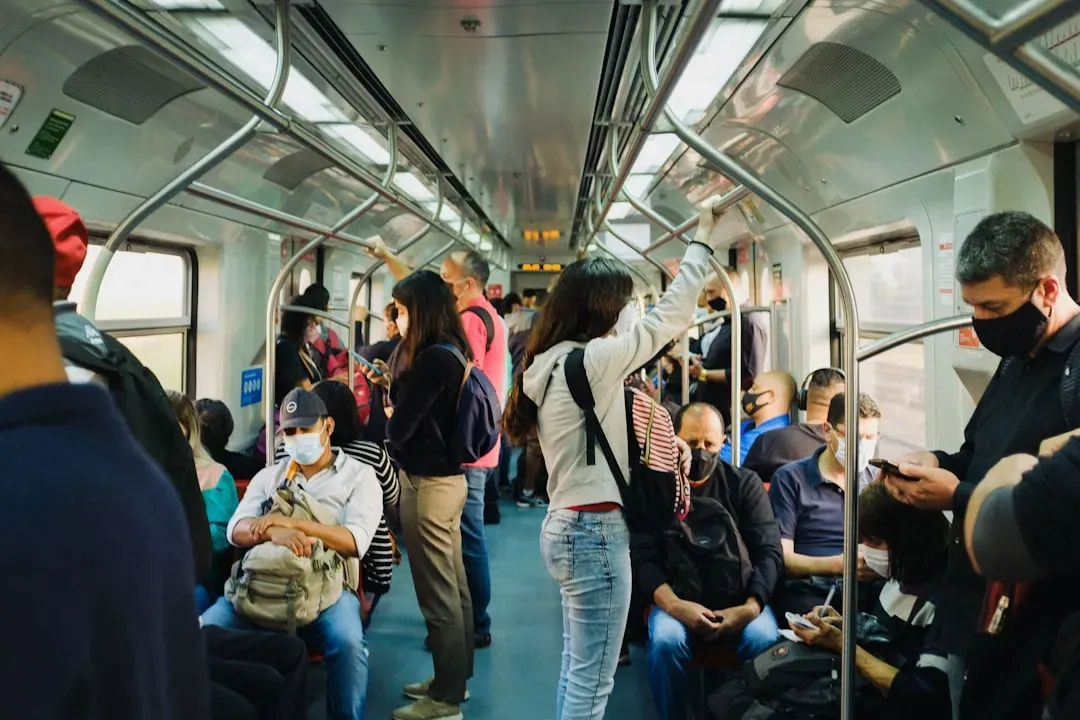
Getting to and from the festival can eat up a surprising chunk of your budget if you’re not careful. Fuel prices fluctuate, but you can anticipate spending around $40 to $100 for gas on average depending on distance and vehicle efficiency, while public transport costs can range from $20 to $150. Carpooling with friends splits the cost multiple ways and makes the journey more fun. Some festivals partner with bus companies to offer shuttle services from major cities, which eliminates parking fees entirely. If you’re driving, research parking options ahead of time. Apps like ParkWhiz or SpotHero often offer cheaper alternatives to official festival parking, potentially saving you twenty to forty dollars. Consider the total picture though, including getting to your departure point for coaches or trains, not just the main ticket price.
Smart Strategies for Festival Fashion and Essentials


Let’s talk about the Instagram-worthy outfits. Festival fashion can be a money pit if you let it, yet you absolutely don’t need to drop hundreds on sequined crop tops and designer boots. Thrift stores and online marketplaces like Vinted offer incredible finds for a fraction of retail prices. One standout piece that you can rewear across multiple festivals makes way more sense than a whole new wardrobe each time. Think about practicality too. Comfortable shoes matter way more than cute ones when you’re walking miles across festival grounds for three days straight. The average fan spending on festival merchandise increased to $66 in 2023, up 14% from 2022, with 21% of fans purchasing merchandise. Budget for a t-shirt or poster if that’s important to you, yet don’t feel pressured to buy everything you see.
Leveraging Group Discounts and Splitting Costs


There’s real power in numbers when it comes to festival budgeting. Beyond just sharing accommodation and transportation, think about pooling resources for camping equipment if you don’t already own tents and supplies. Splitting a large camping space between multiple friends means everyone pays less. Some festivals offer group ticket discounts when you purchase four or more passes together. Coordinate meal planning with your group too. One person brings a camping stove, another handles breakfast supplies, someone else manages dinner ingredients. This collective approach can easily cut individual costs by roughly half compared to everyone fending for themselves. Just make sure everyone contributes fairly to avoid any awkward money conversations mid-festival.
Avoiding Hidden Costs and Budget Busters

Festival vendors often operate on cash-only systems, and onsite ATMs charge outrageous fees, sometimes five to seven dollars per withdrawal. Come prepared with enough cash for the weekend to avoid those fees stacking up. Factor in things like phone charging (some festivals charge for charging stations), locker rentals if you want somewhere secure for valuables, and shuttle rides within larger festival grounds. Don’t forget to build a budget for clothes, makeup and accessories, and you also might be tempted by merchandise or souvenirs you weren’t expecting, so having some padding in your budget can allow for those purchases. Honestly, I’d recommend bringing roughly twenty percent more cash than you think you’ll need. Having that buffer prevents that sinking feeling when you realize you’ve miscalculated and still have two days to go.
Creating Your Festival Budget Blueprint


Now that you know where the money goes, it’s time to build your actual budget. Start by listing every expense category: tickets, travel, accommodation, food, drinks, festival fashion, camping gear, and miscellaneous spending money. If you can plan for this outing months in advance, you can slowly save up for it so your overall budget doesn’t take a major hit, dividing the total amount needed by the number of months until it’s time to pay for your expenses to determine how much you should save monthly. Be realistic about your numbers. It’s better to overestimate slightly than find yourself short. Track what early bird tickets cost versus regular pricing. Research accommodation options from camping to hostels to Airbnbs, comparing prices. Calculate transportation based on your chosen method. Once you have your total, divide it by the number of months until the festival. That’s your monthly savings goal, which feels way more manageable than one huge payment.
Music festivals offer experiences you’ll remember for years, from discovering new favorite artists to dancing with friends under the stars to those unexpected magical moments that make live music so special. The price tag doesn’t have to be terrifying though. With advance planning, strategic choices, and a willingness to prioritize where you spend, that festival weekend becomes totally achievable. Start researching early, grab those early bird tickets, consider camping or group accommodations, bring your own snacks, and maybe even explore volunteering. The memories you’ll make are absolutely worth the effort of smart budgeting. Which money-saving strategy will you try first at your next festival?