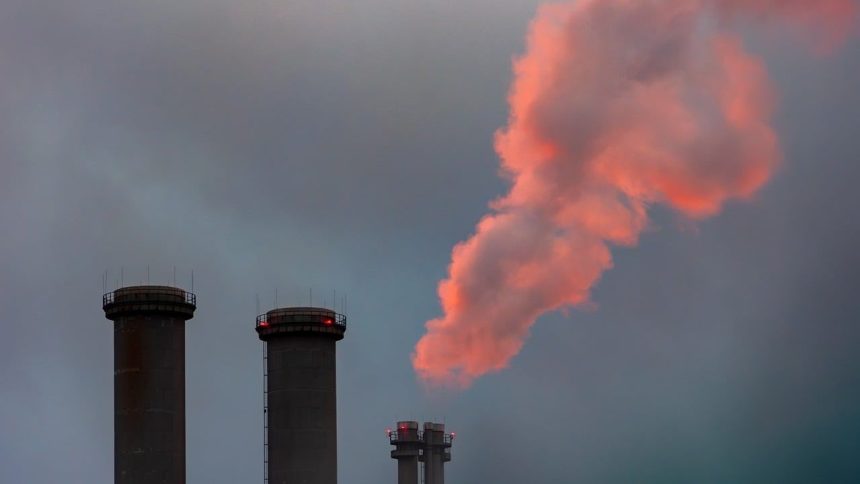
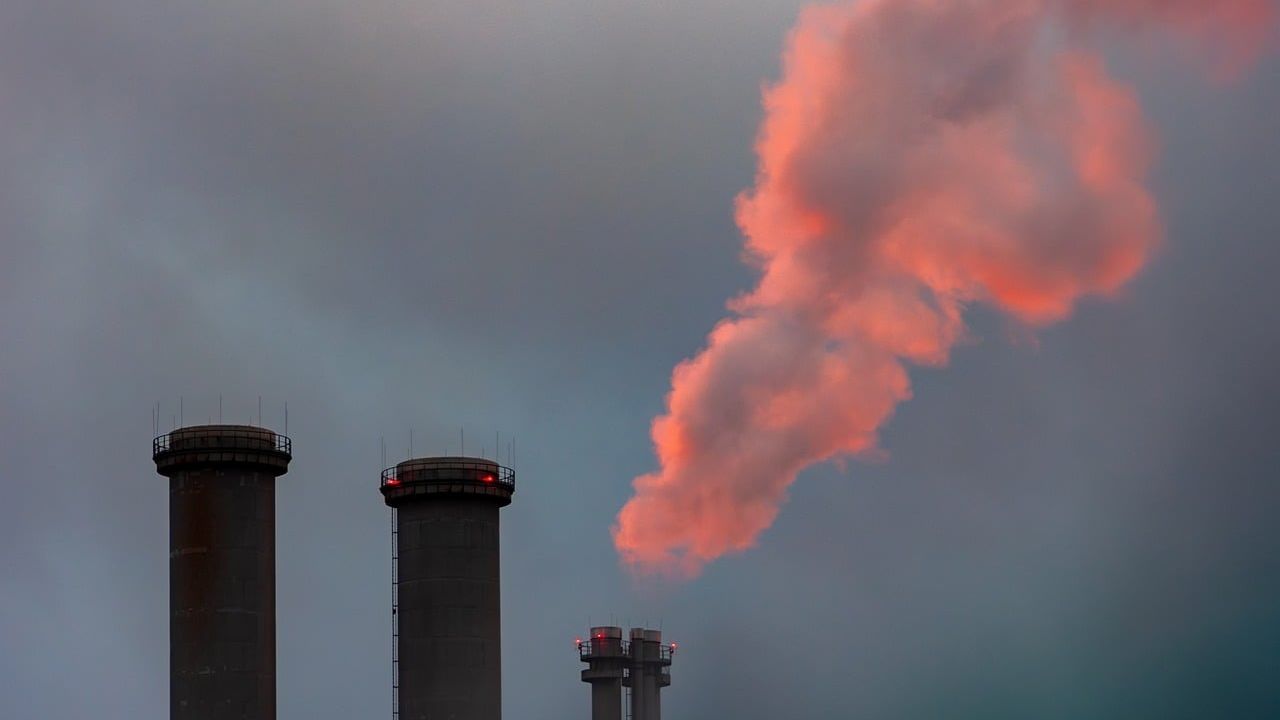
Cuba out of fuel oil, diesel under US sanctions, minister says – Image for illustrative purposes only (Image credits: Pixabay)
Cuba – Energy officials confirmed this week that the island has no remaining supplies of fuel oil or diesel, a development that has left the national power grid and transportation networks facing immediate and severe constraints. The announcement from the energy ministry underscores how years of restricted access to imported fuels have compounded existing vulnerabilities in the country’s energy infrastructure. Officials described the shortages as total, with no immediate relief in sight from traditional suppliers.
Minister Details Complete Depletion
Vicente de la O Levy, the energy minister, stated the shortages in direct terms during a public address. He noted that both fuel oil and diesel reserves had reached absolute zero, eliminating any buffer for power plants or essential services. The remarks came amid ongoing efforts to manage rolling blackouts and prioritize critical sectors such as hospitals and water pumping stations.
State media carried the minister’s comments without additional qualifiers, reflecting the gravity of the situation. Government sources indicated that the depletion stems from disrupted import channels rather than sudden spikes in domestic demand. This leaves little room for short-term adjustments in fuel allocation.
Long-Standing Restrictions Tighten Supply Lines
US sanctions have limited Cuba’s ability to secure fuel from traditional trading partners for an extended period. These measures target financial transactions and shipping arrangements, making it difficult for the island to purchase and transport oil products even when suppliers are willing. Over time, the restrictions have forced reliance on smaller, more expensive shipments that proved insufficient to maintain steady reserves.
Energy analysts have long warned that such constraints would eventually exhaust stockpiles during periods of high consumption. The current shortfall illustrates how cumulative effects of the policy have narrowed Cuba’s options for maintaining basic energy security. Officials continue to explore alternative sourcing routes, though progress remains slow.
Strain on Daily Operations and Infrastructure
Without fuel oil, thermoelectric plants that form the backbone of the national grid face reduced output or temporary shutdowns. Diesel shortages similarly affect backup generators and public transport fleets, creating ripple effects across urban and rural areas alike. Residents have reported longer waits for electricity restoration and more frequent service interruptions in recent days.
Transportation of goods has also slowed, raising concerns about food distribution and medical supply chains. The ministry has urged conservation measures while it seeks to stabilize the system through whatever limited imports can still be arranged. These steps aim to prevent further deterioration in essential services.
Outlook for Stabilization Efforts
Authorities have signaled that restoring normal fuel levels will require renewed access to international markets currently constrained by sanctions. In the meantime, the focus remains on rationing existing resources and accelerating maintenance on aging power facilities. International observers note that the situation highlights broader challenges in Cuba’s energy sector beyond any single policy.
Recovery will likely depend on diplomatic and commercial developments that could ease import barriers. Until then, the country continues to operate under tight energy limits that affect nearly every aspect of daily life. The coming weeks will test the resilience of both the infrastructure and the measures put in place to manage the shortfall.