Some stories don’t just entertain. They bottle up entire decades, complete with the anxieties, fashion disasters, and cultural obsessions we thought we’d moved past. You know the feeling when you stumble upon an old photo and suddenly remember what it felt like to exist in that exact moment? Certain books, films, and albums do that on steroids.
Las Vegas itself is a living museum of cultural snapshots, from the Rat Pack era’s glamorous lounges to the neon excess of the 80s still flickering on Fremont Street. The city has always reflected America’s shifting identity, making it the perfect lens through which to examine works that captured their time. Let’s explore the pieces that didn’t just document their eras but became inseparable from them.
The Great Gatsby Freezes Jazz Age Excess in Amber

F. Scott Fitzgerald’s 1925 novel doesn’t just describe the Roaring Twenties. It practically sweats bootleg gin and desperate glamour. The parties, the reckless wealth, the sense that tomorrow might never come because we’re too busy living for right now. Fitzgerald wrote it while the party was still raging, which gives it an almost documentary quality despite being fiction.
What makes it such a perfect time capsule is how it captures the fundamental hollowness beneath all that sparkle. The characters are basically playing dress-up with new money, trying to reinvent themselves in an America that suddenly felt limitless. Sound familiar? Las Vegas has been running that same playbook for decades, just with better lighting and worse odds.
The novel’s obsession with appearances over substance, with the performance of wealth rather than its reality, feels almost prophetic. Gatsby’s parties are basically the 1920s version of bottle service at a nightclub, all spectacle and Instagram moments before Instagram existed.
Easy Rider Captures 1969’s Fractured American Dream

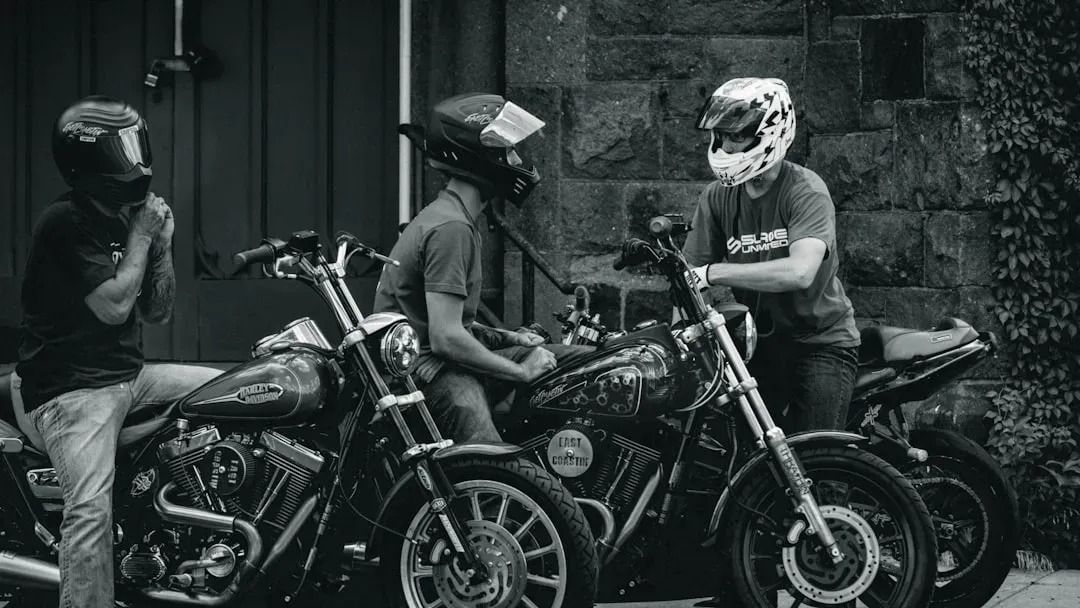
Dennis Hopper’s film is practically a primary source document for understanding late 60s counterculture. Two guys on motorcycles, riding through an America that’s simultaneously expanding its consciousness and hardening its prejudices. The movie doesn’t just show you 1969, it makes you feel the paranoia and possibility mixing in the air like gasoline fumes.
What’s striking is how the film captures the exact moment when the hippie dream started curdling into something darker. The violence feels inevitable rather than shocking, like everyone involved knew the party was ending badly. It’s the cinematic equivalent of watching the sun come up after a three-day bender and realizing you’ve made some questionable decisions.
The soundtrack alone is a masterclass in period capturing. Steppenwolf, The Byrds, Jimi Hendrix. These aren’t just songs placed in a movie, they’re the emotional architecture of an entire generation’s aspirations and disappointments. You can practically smell the patchouli and gun smoke.
Saturday Night Fever Defines Disco’s Beautiful Desperation

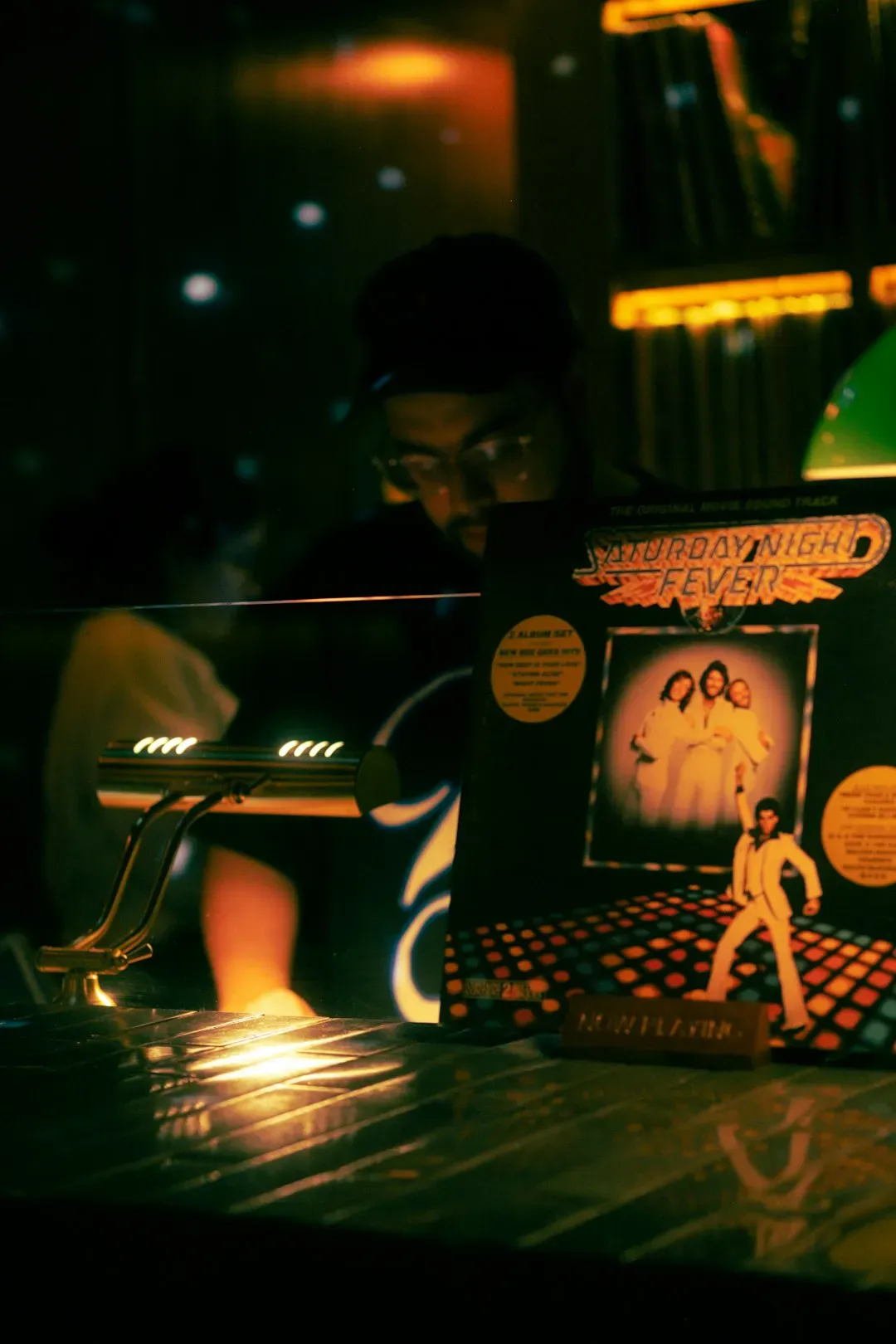
John Travolta in a white suit, dancing like his life depends on it because, in a way, it does. The 1977 film captures working class Brooklyn kids using disco as an escape hatch from dead-end futures. It’s not really about the music, though the Bee Gees soundtrack is undeniably perfect. It’s about the weekend as salvation.
What people forget is how dark this movie actually is beneath the glitter ball. Tony Manero isn’t living his best life, he’s running from a life that offers him nothing. The dance floor is the only place he matters, the only place he has power. Strip away the choreography and you’ve got a pretty bleak portrait of late 70s economic anxiety.
The film accidentally documented the exact peak of disco culture right before it collapsed. Within two years, “Disco Demolition Night” would happen and the whole scene would be declared dead. But for one shining moment, Saturday Night Fever captured what it felt like to believe the dance would never end.
American Psycho Dissects 80s Excess With Surgical Precision

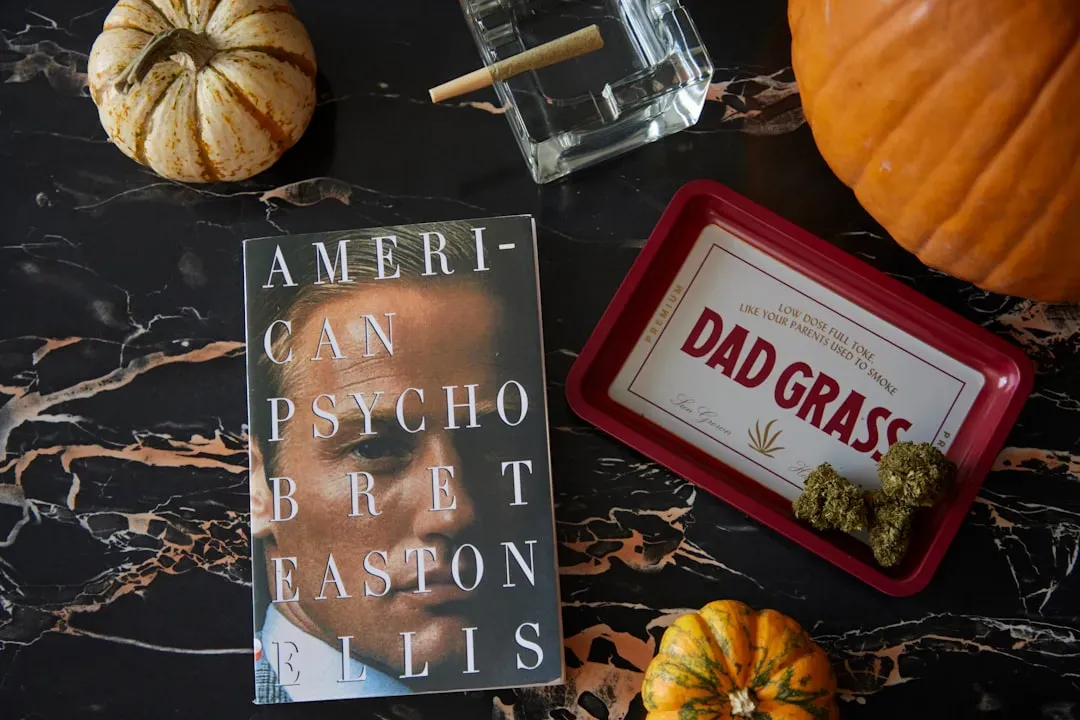
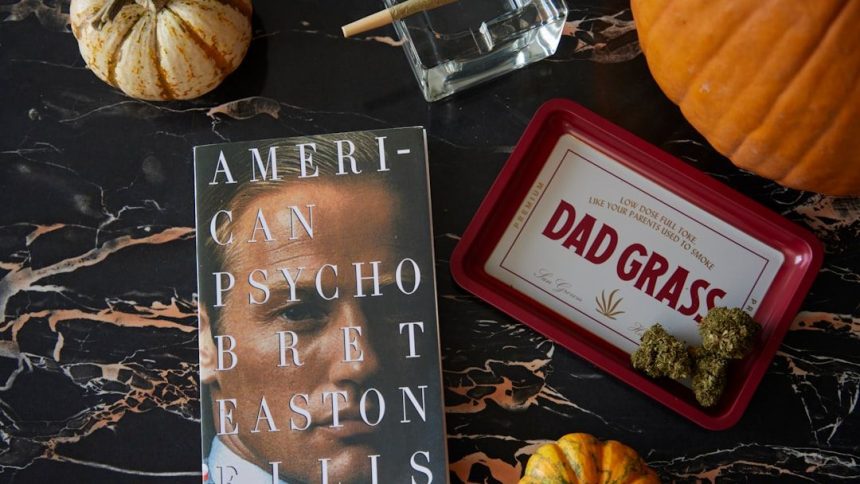
Bret Easton Ellis wrote this novel in 1991, but it’s the most perfectly preserved specimen of 1980s Manhattan yuppie culture you’ll find. The obsession with business cards, with restaurant reservations, with brand names as identity markers. Patrick Bateman isn’t just a serial killer, he’s what happens when consumer culture eats itself alive.
The book’s relentless cataloging of products and status symbols reads like anthropology now. Ellis knew exactly what he was doing, using the serial killer plot as a delivery mechanism for cultural satire. Every brand name is a tiny stab wound in the reader’s consciousness.
What makes it timelessly relevant is how it predicted our current moment of performative consumption and curated identities. Bateman’s mask of sanity is basically everyone’s social media presence, just with more murders and better skincare routines. The 80s invented the influencer, they just didn’t have the technology yet.
Pulp Fiction Bottles 90s Postmodern Cool
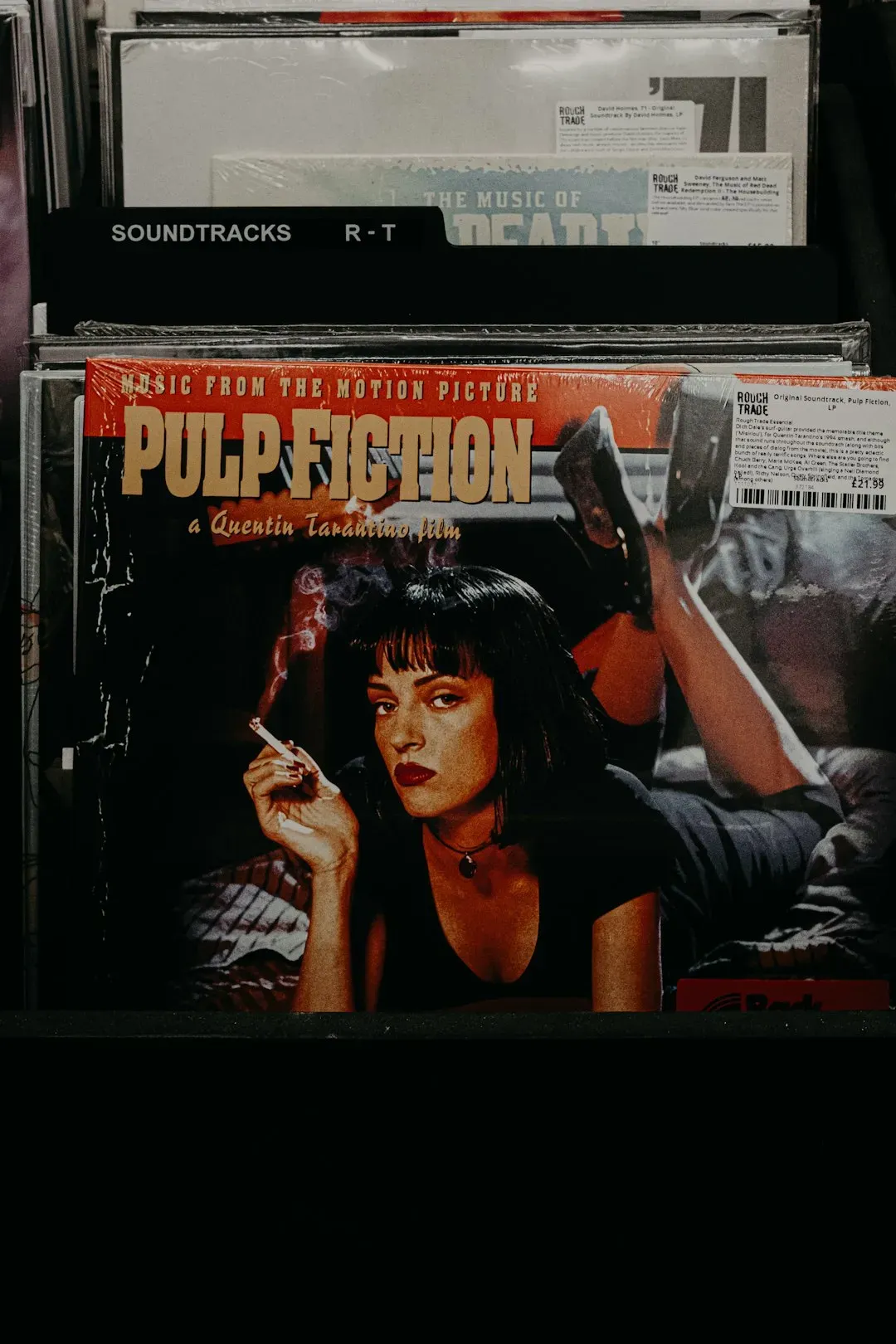
Tarantino’s 1994 masterpiece didn’t just capture the 90s, it helped create them. The ironic distance, the pop culture obsession, the sense that everything was a remix waiting to be sampled and recontextualized. Even the structure of the film, jumping through time like someone clicking through channels, feels quintessentially 90s.
The dialogue is almost unbearably of its moment. Characters debating the meaning of foot massages and what they call a Quarter Pounder in France with the same intensity previous generations applied to politics or philosophy. It’s the decade when everything became equally important and equally meaningless, when sincerity became suspect.
Watching it now is like opening a time capsule filled with pre-internet cool. The pagers, the payphones, the way characters just exist in moments without documenting them. There’s something almost innocent about it despite all the violence, a last gasp of analog culture before everything got digitized and self-aware.
The Social Network Chronicles Silicon Valley’s Original Sin

Aaron Sorkin and David Fincher’s 2010 film captured the exact moment when tech culture transformed from garage hobby to world-dominating force. It’s not really about Facebook’s creation so much as it’s about ambition, betrayal, and the cost of building something that connects everyone while leaving you isolated.
The movie’s genius is showing how the platform’s founding contained all the problems that would later explode. The casual misogyny, the obsession with growth over everything, the willingness to break things and ask forgiveness later. Zuckerberg’s character isn’t a villain or a hero, he’s a perfectly calibrated representation of a particular kind of early 2000s tech arrogance.
What dates it wonderfully is the optimism still lurking around the edges. Social media felt like possibility rather than poison back then. The film caught that brief moment before we realized we’d invited something into our lives that would fundamentally change how humans interact, and not necessarily for the better.
Mad Men Recreates the 60s While Commenting on Now

Matthew Weiner’s show ran from 2007 to 2015 but lived entirely in the 1960s. What made it remarkable was how it used period perfection to comment on the present. Every ashtray, every cocktail glass, every casual bit of sexism or racism was meticulously recreated, creating a world that felt more real than reality.
The show understood that nostalgia is a lie we tell ourselves about the past. Yes, the clothes looked better and everyone seemed more sophisticated, but scratch the surface and you find the same anxieties and emptiness we deal with now. Don Draper’s identity crisis is basically everyone’s existential dread dressed up in a better suit.
It’s hard to say for sure, but Mad Men might have done more to shape how we imagine the 60s than any documentary. The show’s vision of the era, filtered through contemporary sensibilities, became the definitive version in popular consciousness. Reality bends to great storytelling.
Conclusion
The works that capture their eras best do so by accident as much as intention. They’re created by people so immersed in their moment that they can’t help but bottle its essence. Whether it’s Fitzgerald writing about parties he actually attended or Tarantino reconstructing the pop culture that shaped his consciousness, authenticity comes through immersion rather than research.
What’s remarkable is how these time capsules continue evolving in meaning. The Great Gatsby says different things to readers in 1925, 1974, and 2026. The work stays the same, but we change, bringing new contexts and concerns to our interpretations. That’s what separates great cultural documents from mere period pieces. They’re alive, constantly in conversation with new presents.
Las Vegas keeps building and demolishing its own time capsules, never settling on a definitive version of itself. Maybe that restlessness is the most honest approach. We can’t really preserve the past no matter how hard we try, we can only create new interpretations of it that say as much about now as then. What era do you think needs better cultural documentation? The one we’re living through probably, but we won’t know for sure until it’s already gone.