There’s a growing tension running through music fandom right now. On one side, the industry is generating more revenue than ever, with global recorded music hitting record figures and live music projected to surpass $35 billion in 2026. On the other, the people actually buying the tickets, streaming the songs, and wearing the merch are increasingly fed up. The complaints aren’t vague. They’re specific, loud, and building.
From predatory ticketing models to AI-generated filler clogging up streaming playlists, fans have compiled their own unofficial no-go list. These are the practices they want gone, the trends they resent, and the habits the industry keeps doubling down on anyway. Here are the ten biggest offenders.
1. Dynamic Ticket Pricing That Punishes Loyalty

During Oasis’s 2025 reunion tour, fans were dismayed to find that standing tickets initially listed at £135 surged to as much as £355 due to dynamic pricing. It wasn’t a fringe incident. For fans, dynamic pricing can turn the excitement of securing concert tickets into a financial burden, as what starts as an affordable purchase can quickly balloon to hundreds of dollars due to demand spikes.
Admission to movies, theaters and concerts jumped roughly a fifth since 2021, according to Bureau of Labor Statistics consumer price index data. Live music is becoming a luxury good accessible only to the wealthy or those willing to go into debt for a three-hour experience. The model was originally sold as a tool against scalpers. Most fans remain unconvinced it works that way at all.
2. Hidden Fees at Checkout

Beyond base ticket prices, fees and additional charges inflate the final price. With the rise of inflation, service fees, processing fees, and venue charges have also increased, meaning the cost of the ticket can rise between a fifth and a quarter more at checkout. Few practices in the music business generate more immediate fury than the moment a $60 ticket becomes a $90 charge before you’ve even entered your card details.
Requiring transparent all-in pricing instead of surprise fees at checkout is one of the most commonly demanded reforms from fans and consumer advocates alike. With Ticketmaster dominating the ticketing industry, many critics believe that ticketing services have become monopolised by a select handful of companies, a concern that deepened after Ticketmaster merged with Live Nation Entertainment, with many tours and venues favouring its platform over competitors.
3. AI-Generated Music Flooding Streaming Platforms

Music fans are becoming increasingly uncomfortable with AI songs, according to a recent report published by the music and entertainment insights company Luminate. The decline is especially notable with young listeners who are part of Gen Z and Gen Alpha. The study compared attitudes toward AI use in music creation from May to November of 2025, finding that overall interest dropped from negative thirteen percent to negative twenty percent during that period.
In September of 2025, Deezer said that roughly a quarter of music uploaded was fully AI-generated. By the end of that year, that had grown to over 50,000 tracks per day, accounting for about a third of uploads, with both users and artists expressing frustration and demanding platforms do something to combat the growing problem. If the total number of streams doubles due to AI-generated content while revenue stays flat, every individual stream is worth less. That’s not a hypothetical. It’s already happening.
4. Stingy Streaming Royalties for Artists


In 2025, Spotify was paying artists $0.0031 per stream. That figure matters to fans because they care about where their subscription money actually goes. The number of tracks uploaded to streaming platforms continues to grow faster than listening hours, meaning more supply chasing roughly the same demand, so each track captures a smaller share of the revenue pool, and artists need more streams to earn the same money.
Global recorded music revenue hit approximately $31 billion in 2025, with streaming accounting for over two thirds of that total, but growth has decelerated, with the year-over-year increase now in the single digits for major markets. Fans find a real contradiction in paying for premium subscriptions every month while the artists they love fight to earn a living wage from the same platform. The math simply doesn’t add up for creators.
5. Merch Bundles Designed to Inflate Chart Positions


In the ever-evolving landscape of the music industry, few promotional tactics have caused as much controversy as merchandise bundles. For years, savvy artists and record labels found a way to game the system, boosting chart positions by pairing albums with hoodies, vinyl, digital downloads, and even concert tickets. Fans who bought a T-shirt sometimes didn’t even know they’d “purchased an album” for chart purposes.
Partner offer

While album bundling became a standard industry move, it also became controversial. Some executives argued that bundles distorted the charts, making them more about overall fandom than album popularity or music consumption. Concerns about chart distortion persisted, and merch and ticket bundles were subsequently removed from the charts in October 2020. The rule changes helped, but creative workarounds keep appearing, and fans notice every time.
6. Scalpers and Bot-Driven Ticket Grabs

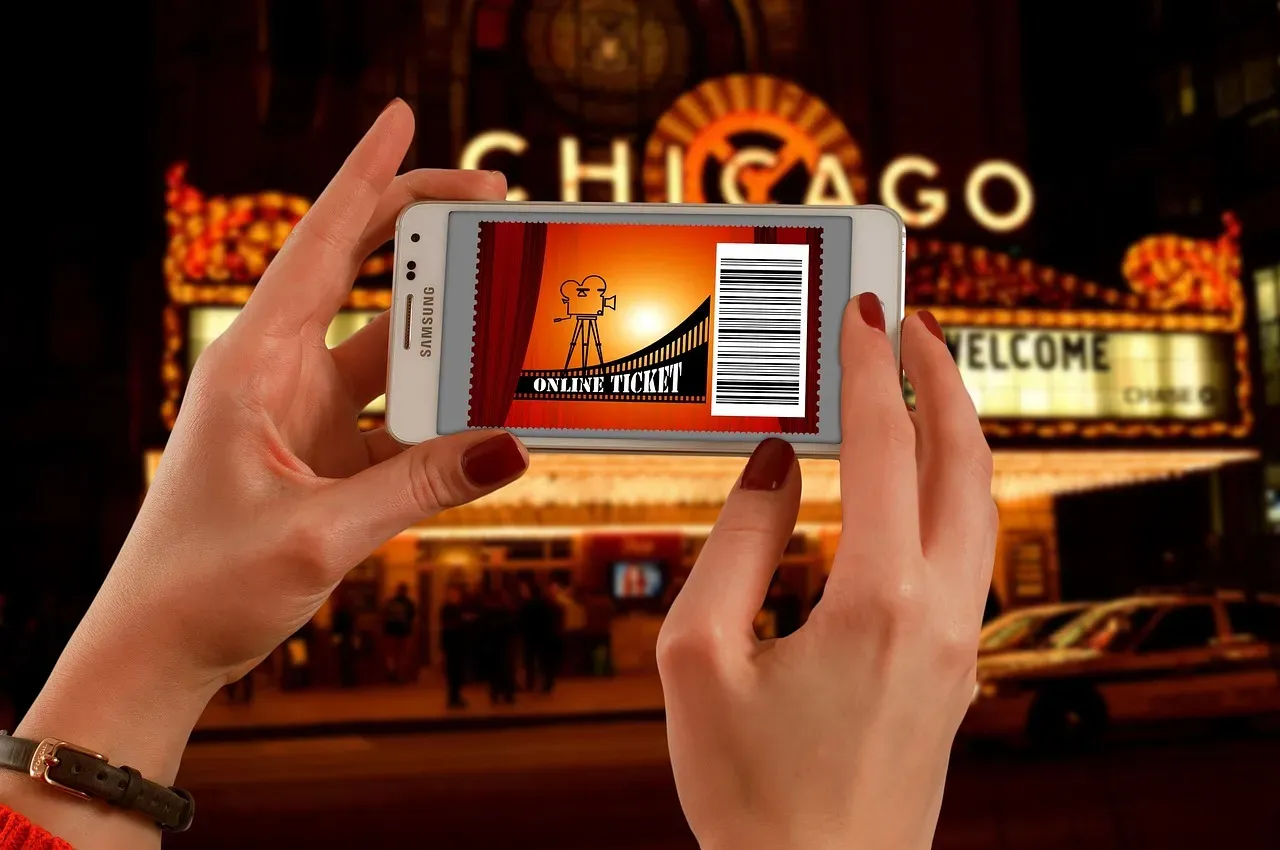
Verified fan programs and pre-sales were supposed to solve the scalping problem. Instead, they’ve become additional hoops that bots navigate better than actual fans. The arms race between ticketing platforms and scalpers is being won by the scalpers, with fans paying the price. Sitting in a virtual queue for hours, only to find face-value tickets are sold out while StubHub already has seats at ten times the price, is a misery specific to modern fandom.
Streaming fraud remains one of the industry’s most pressing and least visible challenges, and what was once the domain of individual bad actors has evolved into something far more organised, with experts estimating streaming fraud at over a billion dollars a year. The same infrastructure enabling bot-driven fraud in streaming is bleeding into ticketing. It’s the same problem wearing different clothes, and neither has been meaningfully solved.
7. Parasocial Marketing Engineered for Emotional Exploitation

Parasocial relationships are essentially one-sided bonds where fans invest significant emotional energy into personalities who do not reciprocate in any concrete way, and yet it is precisely this unbalanced dynamic that has proven not only lucrative but is also systematically cultivated within the entertainment industry. It’s one thing when genuine connection develops organically. It’s another when a management team engineers intimacy as a revenue strategy.
Creators and companies foster an illusion of direct engagement through Twitter updates, livestream Q&A sessions, and meticulously crafted brand voices on platforms like TikTok and Instagram. This is central to how entertainment companies generate revenue, as fans who believe they share a special bond with their favorite idol are more likely to buy merchandise, stream music, and attend live events. Fans aren’t naive. The ones who figure it out feel genuinely used.
8. Algorithmic Bias Toward Major-Label Artists
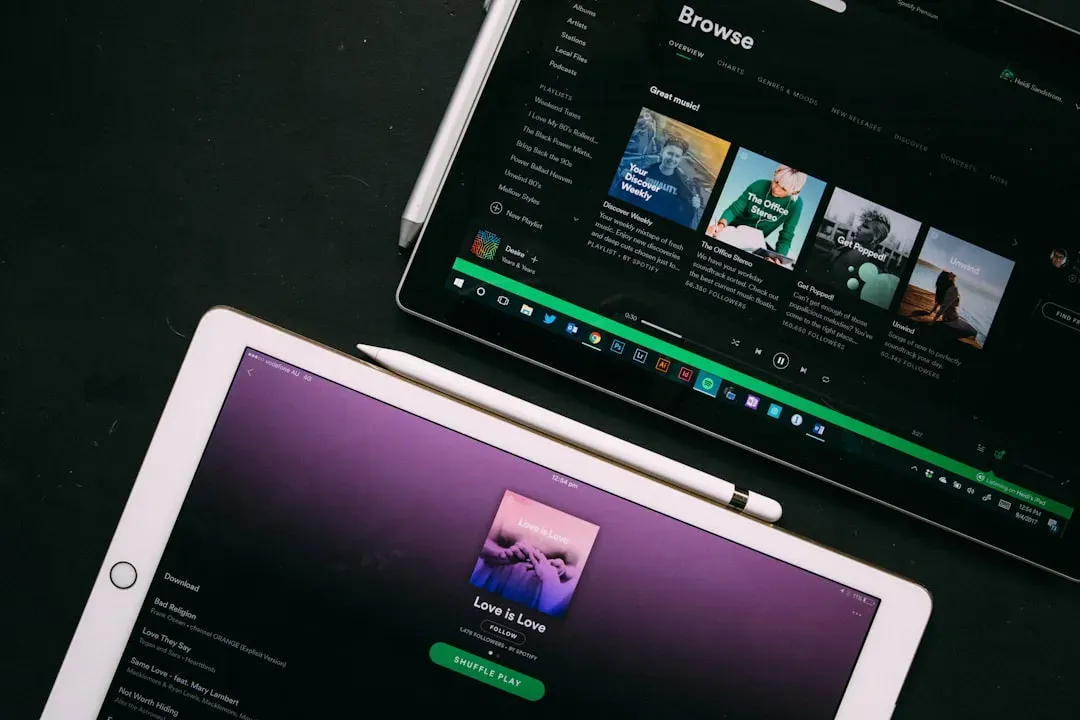
Major DSPs like Spotify have come under fire for their bias towards established artists, most of whom are signed with major record labels, and in 2026, this trend is likely to continue. For listeners who want to discover something genuinely new, that’s a real problem. Recommendation algorithms that keep cycling the same catalog of familiar names make music discovery feel less like exploration and more like a loop.
Towards the end of 2025, there was an increasing shift away from relying on algorithmic discovery towards more traditional discovery methods, with major DSPs coming under fire for their bias towards established artists. Fans will demand choice when it comes to their algorithms, and it’s likely that DSPs will adjust their processes. Still, the pace of change feels slow to anyone who’s ever noticed that their “Discovery Weekly” playlist recommends the same ten artists every time.
9. Industry Consolidation That Squeezes Out Independent Artists

With the proposed acquisition of Downtown Music by UMG being announced at the end of 2024, discussions about mergers, acquisitions, and the challenge of remaining independent dominated many music industry headlines throughout 2025. At its core, the discussion centres around the threat UMG’s growth poses to independent artists and labels, with many commentators fearing that the elimination of a key competitor will mean UMG has too much control over the technology, standards, and supply chain of the entire industry.
Independent artists and labels continue to capture a larger share of total industry revenue, which is the most significant structural shift in the business. Independent market share of global recorded music has grown from approximately thirty percent in 2020 to over forty percent in 2025. Fans are invested in that progress. They don’t want a handful of mega-corporations narrowing the creative field before a song even gets the chance to reach them.
10. Subscription Fatigue and Streaming Platform Overload


As fans grow more frustrated with subscription fatigue and the limitations of compressed streaming, these kinds of upgrades point to a deeper desire for quality and control over how we experience music. The average music fan in 2026 is being asked to juggle multiple platform subscriptions, each with its own exclusive content or artist deals. That’s before adding video streaming, podcasts, and social media paywalls into the mix.
A growing trend in 2026 is a diversification in streaming driven not just by pricing or features, but by ethics. More artists and listeners are paying attention to who runs the platforms they use and where the money goes, with some artists removing their music and fans rethinking their subscriptions. For some listeners, supporting platforms that feel more artist-friendly, transparent, or ethically aligned is becoming part of how they choose where to listen, and the streaming landscape is slowly becoming more fragmented as a result. That fragmentation isn’t accidental. It’s fans voting with their wallets, one cancelled subscription at a time.
Partner offer
Planning a trip to Vegas?
Compare hotel rates and show tickets on VEGAS.com.