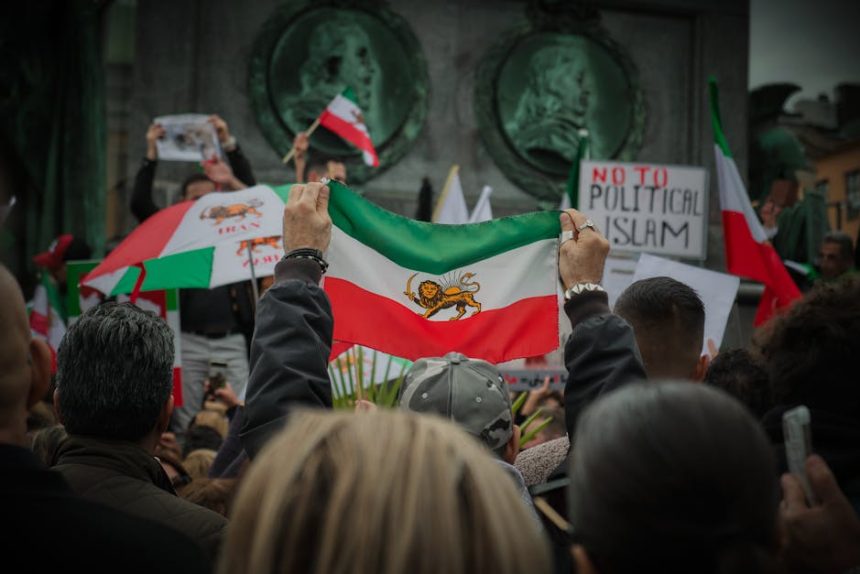
A Hostage Crisis That Shaped Generations (Image Credits: Pexels)
Recent U.S. strikes on Iranian targets have thrust a 45-year history of enmity back into the spotlight.
A Hostage Crisis That Shaped Generations
Long before today’s voters entered the political arena, Iran’s revolutionary leaders captured 52 Americans at the U.S. Embassy in Tehran. The 444-day ordeal from 1979 to 1981 exposed President Jimmy Carter’s administration to global ridicule while Iranian officials branded America the “Great Satan.”
This episode marked the start of persistent confrontation. Fast forward to January 2024, when a drone attack linked to Iranian proxies claimed three U.S. soldiers’ lives at Tower 22 in Jordan, over 1,000 miles from Tehran. Such incidents underscored Tehran’s reach far beyond its borders.
Deadly Attacks by Iranian Proxies
Iran’s support for groups like Hezbollah fueled some of the most devastating assaults on Americans. These operations delivered body blows to U.S. personnel and interests abroad.
- In April 1983, a suicide bombing at the U.S. Embassy in Beirut killed 63 people, including 17 Americans.
- That October, a truck bomb at Marine barracks in the same city took 241 American lives – the heaviest toll for the Marine Corps since World War II.
- From 1982 to 1992, Hezbollah held 25 U.S. citizens hostage in Lebanon, among them CIA Station Chief William Buckley, who suffered torture before his death.
- In June 1996, the Khobar Towers bombing in Saudi Arabia claimed 19 U.S. airmen; evidence tied it to Iran’s Revolutionary Guard Corps and Hezbollah affiliates.
These events highlighted Iran’s role in orchestrating violence through surrogates.
Persistent Threats on Multiple Fronts
Iranian-made improvised explosive devices ravaged U.S. forces in Iraq during the 2000s. Meanwhile, Hamas, another beneficiary of Tehran’s backing, killed at least 48 Americans alongside over 1,200 Israelis in the October 2023 rampage.
Tehran’s influence extended further. Iranian drones aided Russia’s invasion of Ukraine, while oil sales bolstered China’s economy. Operatives plotted assaults on Jewish sites worldwide, from synagogues in Argentina to communities in Europe.
Responses and Political Divides
U.S. military actions now prompt sharp reactions. Critics label them unprovoked, yet proponents point to Iran’s chant of “Death to America” and vows to erase Israel. Bombings disrupt the regime’s domestic abuses, from punishing women for unveiled hair to executing LGBTQ individuals.
Partisan lines emerge clearly. Administrations from Carter to Biden faced accusations of weakness, including cash deliveries under Obama that allegedly funded more terror. Advocates for strikes embrace an “America First” stance, prioritizing threats to U.S. lives over uncertainties post-regime.
Key Takeaways
- Iran’s proxies executed landmark attacks killing hundreds of Americans over four decades.
- Recent U.S. losses, like the 2024 Jordan strike, echo a pattern of extraterritorial aggression.
- Current operations target a regime exporting terror while suppressing its own people.
The question lingers: What follows if Iran’s mullahs falter? Chaos within Iran might ensue, but ending its global menace outweighs that risk for many observers. Tehran celebrates any American casualty as routine; flipping the script could reshape the Middle East and beyond. As the dust settles from these exchanges, one sentiment resonates amid the debate: It’s about time for decisive pushback. What are your thoughts on this enduring conflict? Share in the comments.