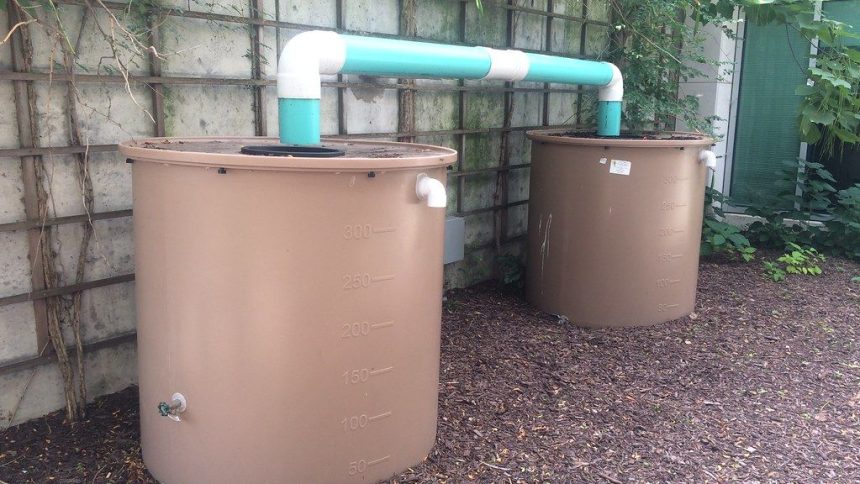
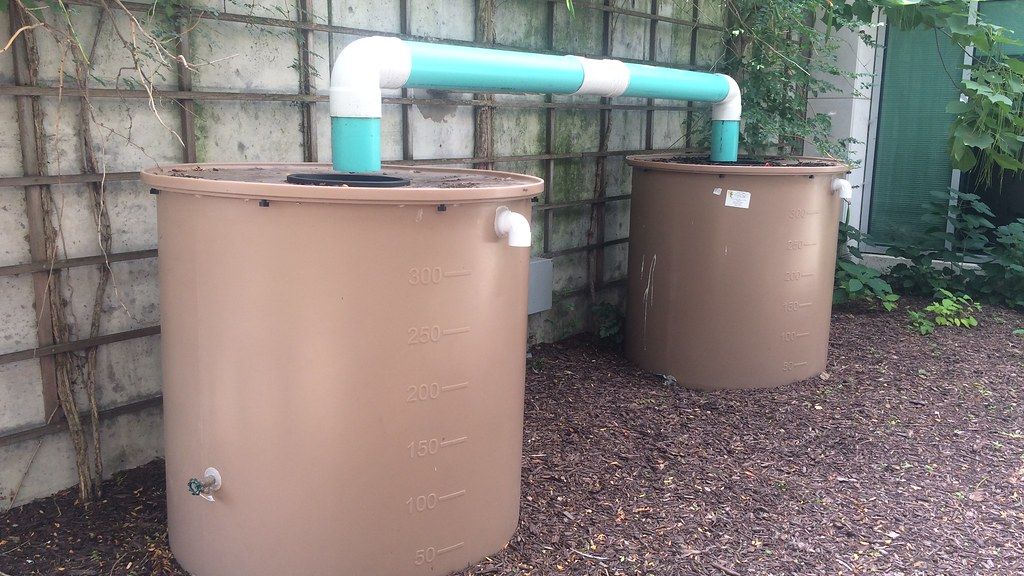

Descanso Gardens breaks ground on water reclamation project – Image for illustrative purposes only (Image credits: Flickr)
Descanso Gardens has broken ground on a water reclamation effort that will collect and store large volumes of runoff from the surrounding area. The centerpiece is a cistern system built to hold roughly 1.5 million gallons at full capacity. Officials expect the installation to capture as much as 21 million gallons of stormwater in a typical year.
Core Components of the Installation
The project focuses on intercepting water that would otherwise flow away unused. Engineers designed the cistern to sit below ground and connect to existing drainage channels across the property. Construction crews began site preparation this week, with the full system scheduled for completion in the coming months. Work will include excavation, waterproof lining, and integration with pumps that move stored water to irrigation lines. The design prioritizes durability against seasonal rains common in the region.
Why the Numbers Matter
Storing 1.5 million gallons provides a substantial reserve during dry periods. At the same time, the annual capture target of 21 million gallons represents a meaningful reduction in the amount of water leaving the site as runoff. These figures come directly from project specifications released with the groundbreaking announcement. The approach aligns with broader efforts to manage water more efficiently in public gardens and parks. By keeping more water on site, the gardens reduce reliance on imported supplies for maintaining plant collections.
Next Steps in Construction
Crews will continue excavation and structural work through the summer. Testing of the cistern and its distribution network is planned before the system enters regular operation. Garden staff will monitor performance during the first full rainy season to confirm the projected volumes. Visitors can expect minimal disruption to normal access during construction, with pathways rerouted only where necessary for safety. The effort underscores a practical step toward greater water independence for one of the area’s most visited botanical sites.