
The audition room has always been unforgiving, but something has shifted noticeably in the last couple of years. Directors and casting professionals are flagging a specific set of acting behaviors that, far from impressing anyone, are quietly killing an actor’s chances before the scene even finishes. Some of these patterns are old habits wearing new clothes. Others are genuinely recent, tied to how the industry has restructured itself since the self-tape era took hold.
What makes this particularly tricky is that most actors committing these mistakes believe they’re doing the right thing. They’ve practiced, they’ve made choices, they’ve showed up prepared. The problem isn’t effort. It’s a fundamental misread of what today’s directors and casting agents actually want to see.
Overacting That Belongs on a Stage, Not a Screen


Large gestures and exaggerated expressions may work on stage but often look unnatural on camera. This is one of the most consistent complaints raised across casting communities in 2025 and into 2026. The camera is ruthless in the way it amplifies everything, which means what feels like emotional intensity in your body often reads as theatrical noise on the lens.
The majority of actors can turn up the intensity of a scene as needed, but subtlety is a much more elusive and valuable skill. Over-acting will make the director quickly pass. Dramatic overacting still looks old-fashioned, and directors increasingly report that they’re seeing it more, not less, possibly because actors trained during the peak theater crossover years are struggling to recalibrate for close-up work.
Playing a “Type” Instead of a Person

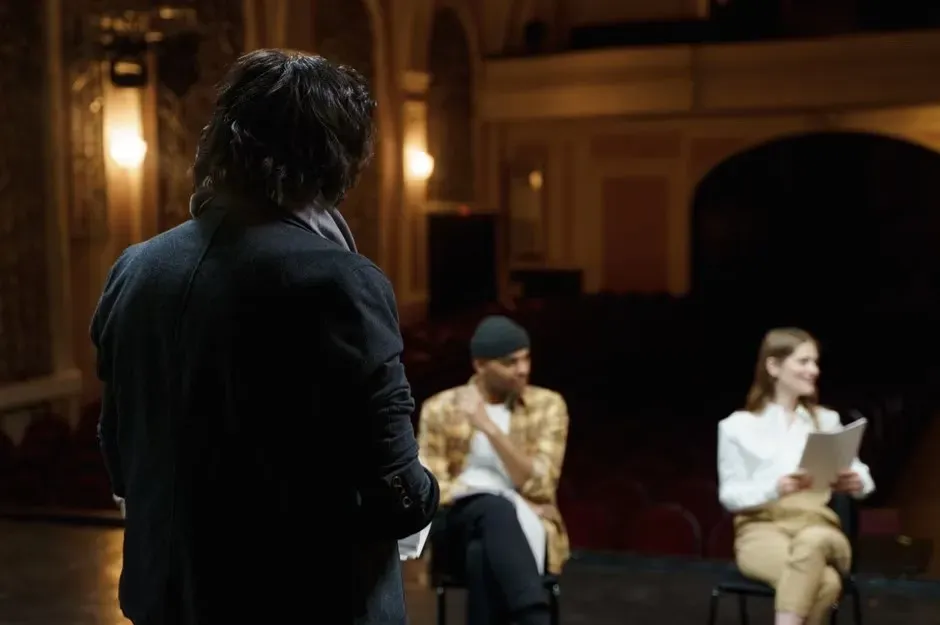
The ability to bring your own, new perspective and insight into a role is key, even if you’ve seen dozens of other actors play the same role. When an actor arrives with a pre-packaged interpretation of who their character is, locked in before they’ve absorbed the specific script in front of them, what directors see is a hollow costume rather than a living human being. The character becomes a stock figure.
Being able to fully inhabit a character and to take on not just their words but their facial expressions, body movements, style and other unique attributes plays a big part in making your performance believable. Playing a broad archetype, the gruff cop, the flirty neighbor, the nervous intern, without grounding it in something specific and personal is one of the fastest ways to lose a casting agent’s attention. It signals that the actor hasn’t done the real work of finding the person inside the role.
Reciting Lines Instead of Actually Listening

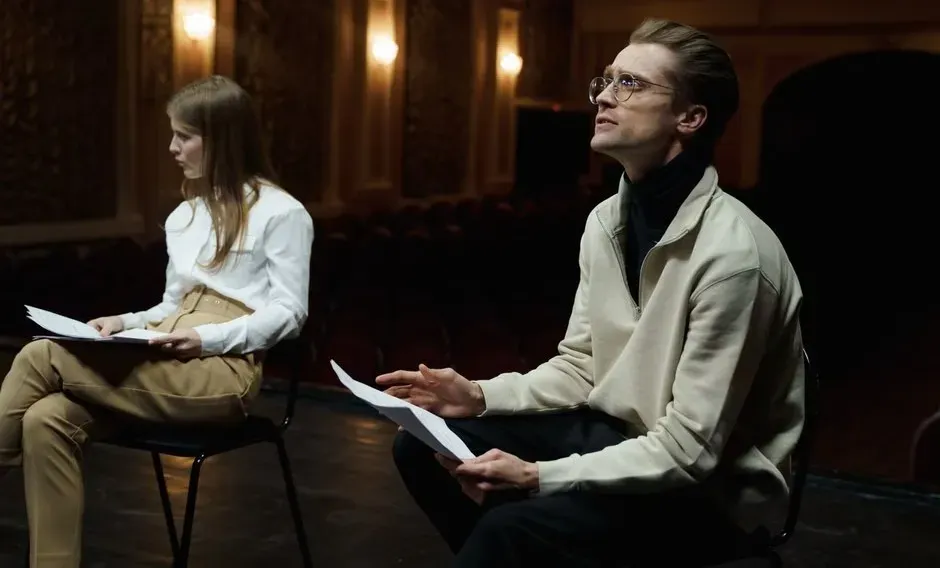
Knowing your lines is important, but understanding the scene is essential. Actors who focus only on memorization often sound robotic and miss emotional depth. There’s a meaningful difference between an actor who knows their lines and one who’s genuinely present in a scene. When someone is purely in recitation mode, the pauses feel manufactured and the reactions arrive slightly too late, or not at all.
Partner offer

Acting is reacting. Without something to react to, your performance feels hollow. Casting directors can tell when you’re reciting into empty space: the rhythm is wrong, the pauses feel manufactured, and your reactions have nothing to land on. Directors describe this as one of the clearest signs that an actor hasn’t truly prepared, because genuine preparation isn’t about locking in a performance. It’s about arriving open enough to actually respond to what’s happening in the scene.
Trying to Guess What the Room Wants


The biggest single mistake auditioning actors make: trying to guess what the casting people want to see. There’s literally no way you can know, because often they don’t know it until they see it. It sounds counterintuitive, but walking into an audition with a performance engineered to please tends to produce exactly the kind of generic reading that gets forgotten the moment the next actor walks in. The calculation shows.
Don’t try to give casting what you think they want to see. Give them what you believe is right for the character from your point of view and how you would react in that same situation. This distinction matters more now than it did a decade ago, because the volume of auditions, particularly self-tapes, has increased sharply. Directors are more attuned than ever to performances that feel manufactured versus ones that feel discovered.
Resisting Direction or Deflecting Feedback


A confident actor not only believes in their talent and can back it up with their abilities, but also owns their weaknesses and is open to other’s ideas and input. A cocky actor is covering their insecurities and too afraid to admit their faults. When a casting director or director offers a redirect in the room and an actor pushes back, qualifies the note, or simply repeats the same performance again, it tells everyone present something important about how that person will behave on set for weeks.
A director is more apt to hire an actor who is willing to learn than one whose stubborn insecurities may end up costing a lot more time and money. There’s a clear difference between somebody who comes in with a sense of desperation and someone who comes in to do the work and have fun with the opportunity. If someone is fighting direction or just not being a pleasant human being, they probably won’t be brought in again. The audition isn’t just an assessment of skill. It’s a preview of the working relationship.
Making Clichéd, Safe Choices That Blend Into the Pile


Casting directors are evaluating your professionalism as much as your performance, and small habits quietly shape their perception of you. The audition room is a compressed window of time, and what happens in that window reveals far more than just your skill with a script. One of the most persistent issues professionals flag right now is the actor who plays it safe. Safe choices are, by definition, forgettable ones, and forgettable is fatal in a room where casting directors may be watching hundreds of tapes for a single role.
The advice from experienced casting directors is clear: make bold choices. Make sure they fit within the story and the life of the character. Don’t go with the same clichéd choices that every other actor is going to make. Self-tapes have made the competition tougher because actors can audition from anywhere. Within 48 hours, roles may get hundreds of applications. In that environment, a safe reading doesn’t protect you. It simply makes you invisible.
Partner offer
Planning a trip to Vegas?
Compare hotel rates and show tickets on VEGAS.com.