


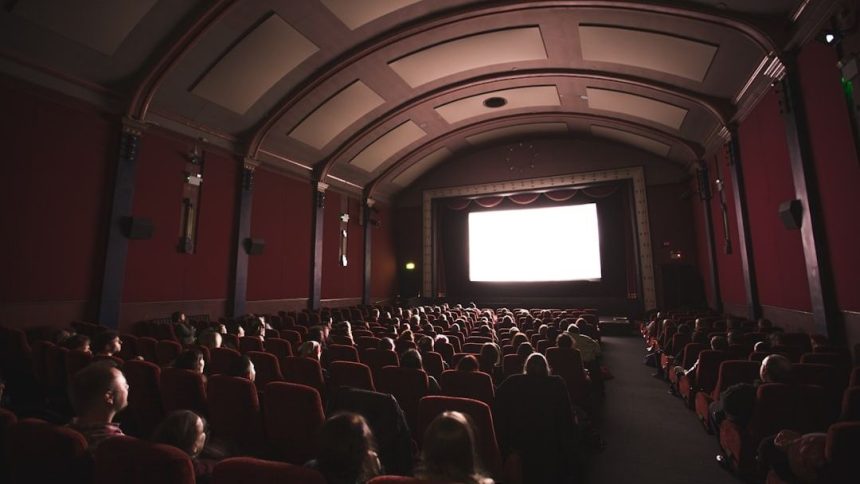
Streaming has made watching films almost frictionless. You pick a title, press play, and you’re there. It’s easy, affordable, and deeply convenient. Yet something curious keeps happening: people who return to a physical cinema often describe the experience as fundamentally different from anything they get at home, not just louder or bigger, but emotionally richer in ways that are hard to pin down immediately.
Researchers have started paying closer attention to exactly why that gap exists. The answers reach into psychology, neuroscience, and social behavior, and they suggest that the cinema screen does something to the human brain that a living room television simply cannot replicate. Here is what the evidence actually shows.
The Emotional Amplifier: Why the Theater Setting Changes How You Feel

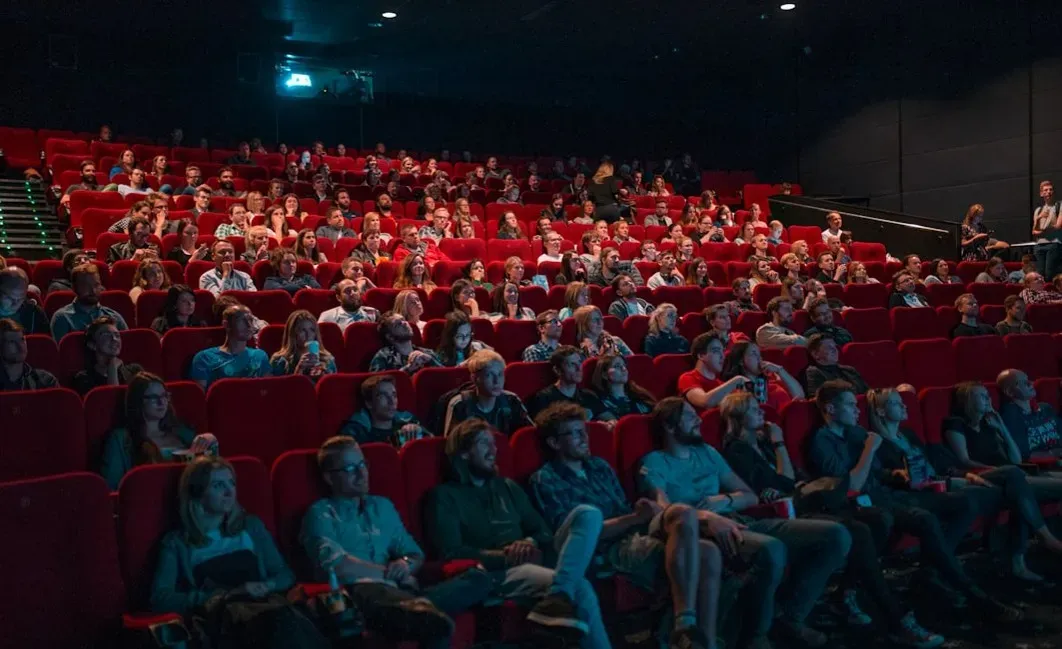
Research aligned with cognitive models of art appreciation has found that a movie theater context leads to a stronger emotional experience and a more favorable judgment of the film overall. This is not just a matter of personal preference or nostalgia. The controlled environment of a darkened room, free from domestic distractions, appears to prime the brain for deeper engagement with what it is watching.
Watching films at home is unquestionably high in convenience, but the shift in context from a movie theater to a home setting measurably affects the cinematic experience. In line with these findings, only boredom was actually felt more strongly in the home cinema. The theater, it seems, suppresses the emotional distance that comes so naturally when you’re watching from a sofa.
Sound That Moves Around You: The Physical Science of Cinema Audio

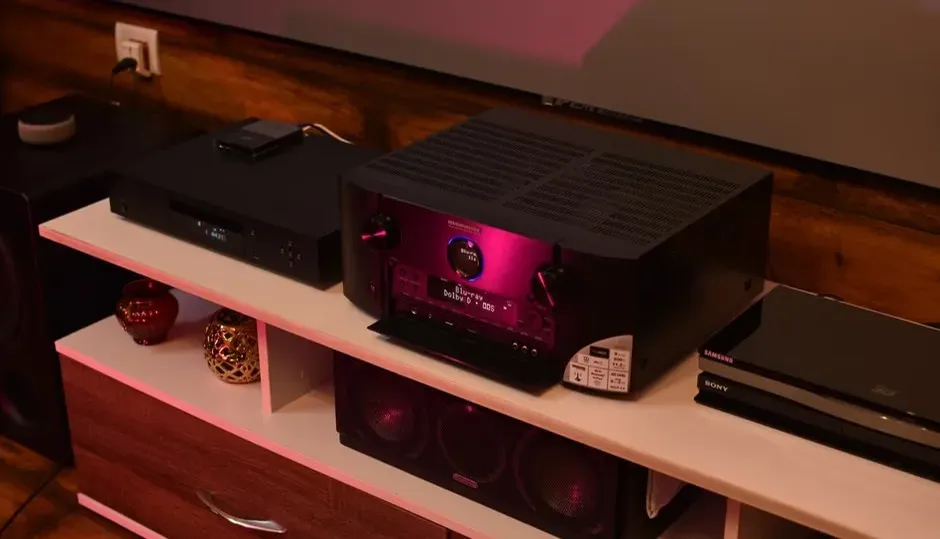
Dolby Atmos, used in premium cinema environments, is an object-based audio system with speakers positioned overhead and throughout the room, creating pinpoint accuracy where raindrops sound like they’re falling above you and voices can move across the space seamlessly. This is a fundamentally different acoustic experience from even a well-equipped home setup. The spatial precision changes how your brain processes the film’s environment.
Together, Dolby Vision and Dolby Atmos create a seamless cinematic experience best described as precision, with sharper detail, more accurate color, and sound placement that mirrors how a director intended their film to be heard. Sound design is vital to the movie-going experience and shapes the way we feel about a film, with an understanding of cinema acoustics able to transform a mundane movie night into a full-blown sensory adventure.
The Screen Scale Effect: What a Truly Large Image Does to Your Brain

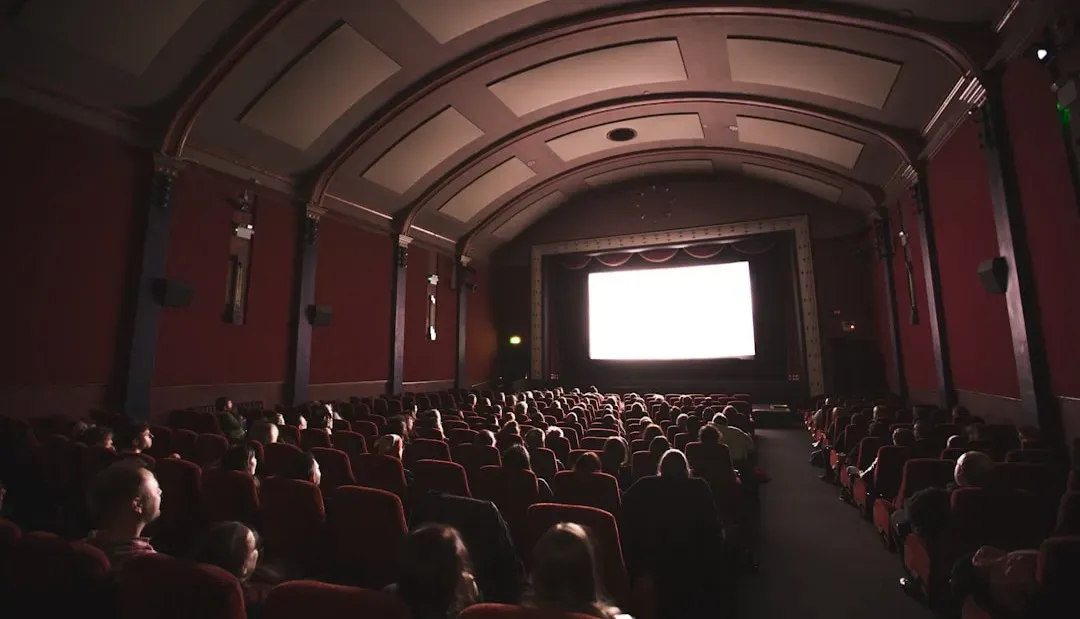
As more people seek immersive cinema experiences, premium formats like Dolby Cinema and IMAX have become the gold standard for blockbuster season, and each format promises to elevate the movie-going experience in very different ways, with the difference being dramatic for certain films. Scale matters in ways that go beyond simple preference. When an image fills your entire field of vision, peripheral awareness drops away and immersion deepens in a way that a domestic screen cannot achieve.
Dolby Cinema offers superior visual and audio quality through Dolby Vision and Dolby Atmos technology, while IMAX provides a larger-than-life experience with expansive movie screens, each suited to a different kind of cinematic spectacle. In full IMAX 70mm theaters, the screen can rise up to 75 feet tall, a dimension that has no real domestic equivalent.
Cognitive Focus and Memory: What Sitting Still in the Dark Actually Does

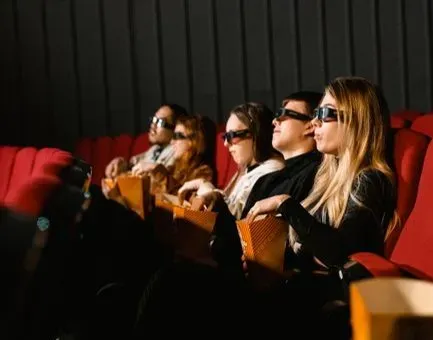
A study conducted by researchers at University College London and Vue Cinema found that people who watched movies experienced improved mental focus and fixation toward the movie, and that this focused watching helps to improve cognition and memory. The mechanism here is straightforward: the cinema eliminates the competing stimuli that fragment attention at home. There is no phone on the armrest, no laundry to notice, no ambient noise from another room.
Scientists at University College London found that attending a movie can improve heart function, memory, and concentration to the same extent as a mild workout. That comparison might seem surprising, but the physiological engagement of focused emotional attention is genuine. A film experienced at full concentration is processed differently from one you half-watch while scrolling.
Mental Health and Emotional Catharsis: The Therapeutic Dimension


Going to the movies offers meaningful mental health benefits by providing stress relief, emotional catharsis, and a break from daily pressures through immersive escapism. It is more than just a form of entertainment, since watching a film in a place other than your home can positively impact your well-being. The act of physically leaving your domestic space appears to matter on its own.
Partner offer

Experiencing a wide range of emotions in a safe and controlled environment like a movie theater can help you process underlying feelings from real life, since crying during a sad movie can be a healthy way to release sorrow or grief that has built up without your realizing it. Cinematherapy is a recognized form of expressive therapy for overcoming medical and mental health issues, capable of changing an individual’s negative thoughts, bad habits, and ability to manage life events.
The Collective Experience: How an Audience Changes What You Feel

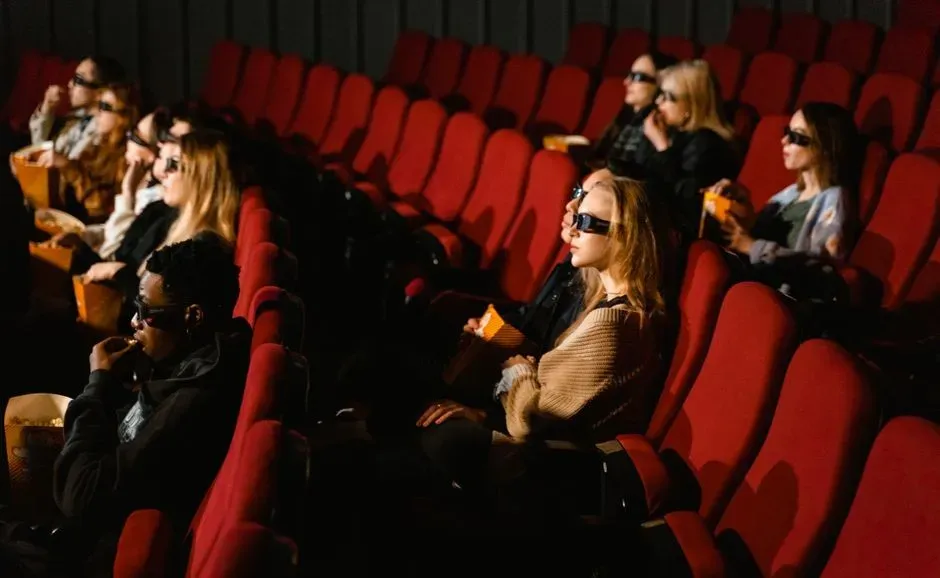
Shared cinematic experiences offer unique opportunities for social and emotional connections with demonstrated psychological benefits. Research has revealed that watching a movie collectively can activate neural pathways associated with social bonding and reward processing, and specifically, oxytocin, a hormone correlated with social bonding and trust, has been found to increase during joint movie-watching experiences. This neurochemical shift is not incidental. It changes the texture of the entire viewing experience.
Collective viewing alters the film experience through affective audience interrelations, differentiating it meaningfully from solitary viewing, with emotions like joy and shock significantly influencing viewer awareness and interpersonal dynamics within the audience. Sharing a film with a larger audience amplifies the emotional journey, as collective reactions add depth to the experience, particularly when viewing a new release for the first time and sharing all the anticipation, excitement, and shock as the story unfolds.
The First-Viewing Effect and Why It Persists

The movie theater context leads to a stronger emotional experience and a more favorable judgment, and notably, this theater effect persisted during a second viewing regardless of the context in which that second viewing occurred. In other words, the emotional imprint made during a cinema viewing shapes how you remember and re-experience the film even later at home. The first encounter leaves a lasting cognitive mark.
This helps explain why films seen in a theater tend to hold a more prominent place in personal memory than titles watched on a streaming service. The emotional depth of the original experience reinforces the neural encoding of the film itself. It is not merely nostalgia; it is how the brain stores experiences that carry genuine emotional weight.
Who Is Returning to Cinemas and Why That Matters

Kids and preteens may reinvigorate the theatrical movie business, with research by entertainment analysts NRG finding that Gen Alpha is more interested in seeing movies on the big screen than older consumers. Roughly 59 percent of Gen Alpha said they enjoy watching movies in theaters more than at home, compared to roughly 48 percent of Gen Z and around 45 percent of Millennials. The pattern is counterintuitive given how digitally immersed younger audiences are.
The study’s authors suggest that the ubiquity of smartphones and streaming services has made younger consumers more interested in a night out at the multiplex. There is a logic to that: when nearly everything is available on a personal screen, the act of going somewhere specifically to watch something together becomes more meaningful, not less. In a world of personal screens and solitary viewing, the cinema remains a vibrant hub of shared storytelling and communal enjoyment.
The Attention Economy and the Cinema’s Quiet Advantage

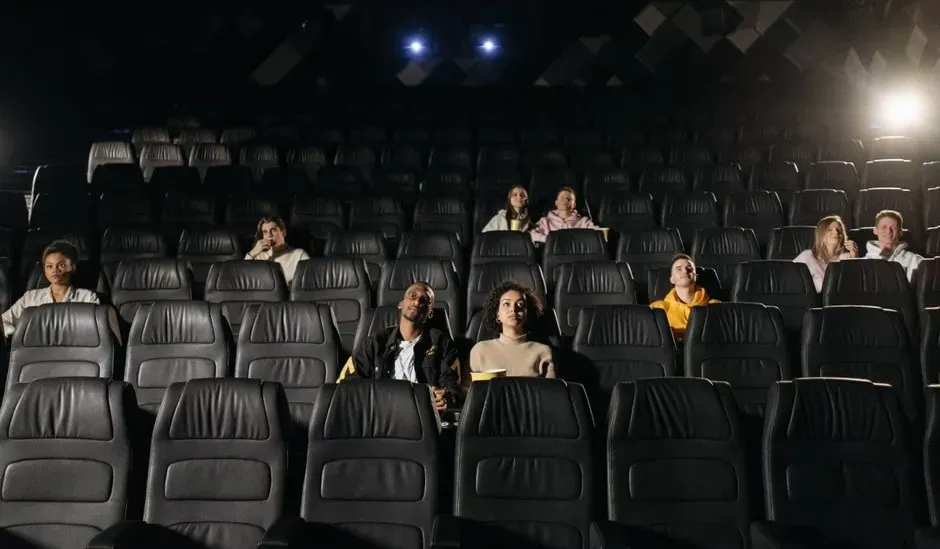
Overall cinema attendance has remained roughly flat since 2019, but the percentage of frequent movie-goers has dropped significantly, falling from roughly 39 percent to about 17 percent by 2025. The challenge is real. Among those who said they were attending the cinema less than the previous year, about two thirds reported that cost was a reason for fewer movie theater visits. Price and convenience are genuine barriers.
Yet the irony is that what cinema offers, namely uninterrupted, focused, emotionally amplified attention, has become increasingly rare precisely because of the streaming environment it competes with. Convenience was the top factor cited for streaming at home, noted by roughly 78 percent of viewers surveyed. Convenience, however, has a cost of its own, and that cost is depth of experience. The two formats are not really competing for the same thing at all.
Premium Formats and the Rising Standard of the Theatrical Visit

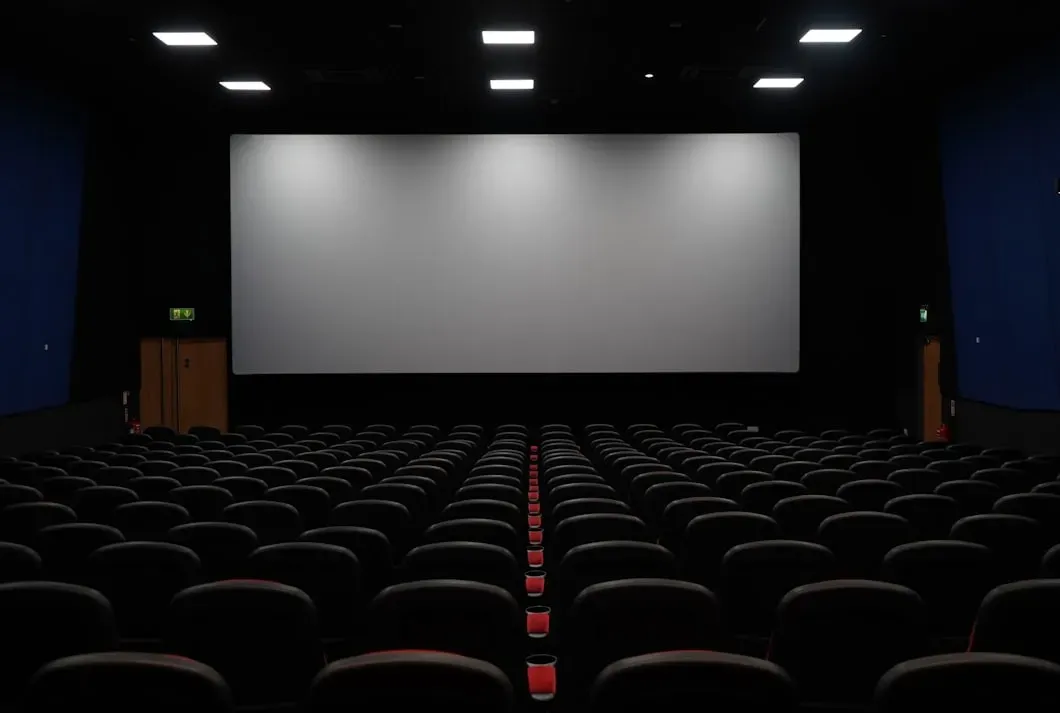
Major film releases in 2026, including high-profile productions like Project Hail Mary, The Odyssey, and Avengers: Doomsday, are making the choice between premium cinema formats more consequential than ever. Filmmakers are increasingly shooting and mastering their work with these formats in mind, meaning that a home viewing is sometimes a genuinely reduced version of the intended experience.
In 2025, neither Dolby Cinema nor IMAX is strictly better across the board, as it depends on what a viewer values more: size and immersion with IMAX, or comfort and visual fidelity with Dolby Cinema. Dolby Cinema excels in picture contrast, color accuracy, and immersive sound quality while IMAX delivers larger screens and enhanced resolution. The gap between a premium cinema experience and the best home setup, while narrowing technically, remains significant in practice for the vast majority of viewers. The cinema, at its best, is not simply a place to watch a film. It is a purpose-built environment for emotional engagement, shaped by decades of acoustic engineering, projection science, and a quiet understanding of how human attention actually works. That is difficult to replicate anywhere else.
Partner offer
Planning a trip to Vegas?
Compare hotel rates and show tickets on VEGAS.com.


