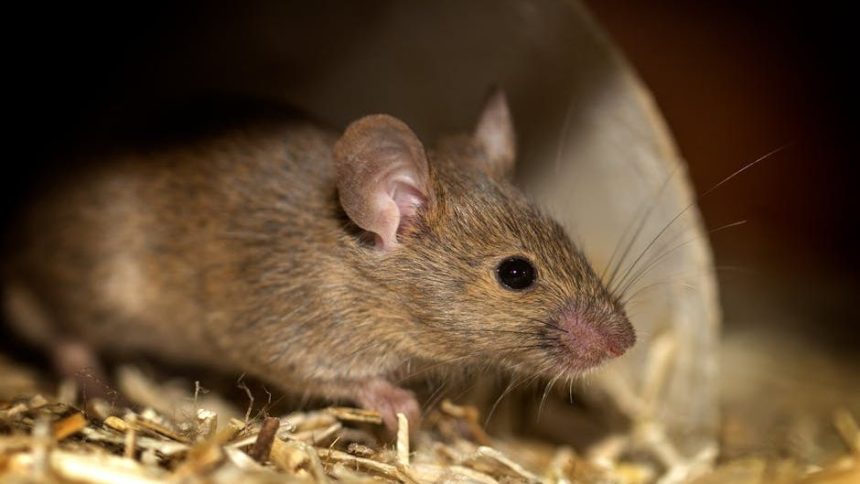
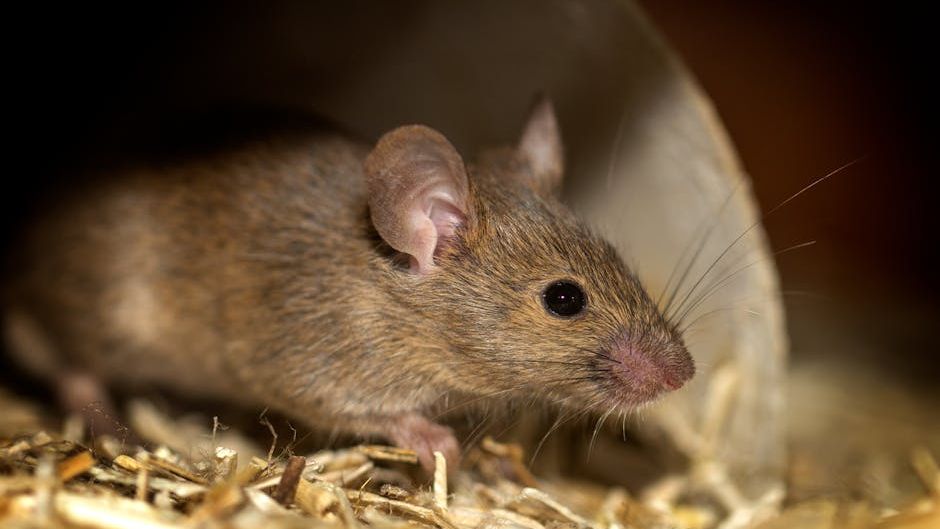
Vacationing doctor who stepped in to treat hantavirus patients on MV Hondius tests positive for virus – Image for illustrative purposes only (Image credits: Pexels)
A retired oncologist who volunteered to treat sick passengers aboard an Antarctic cruise ship has himself tested positive for hantavirus and entered isolation in a specialized biocontainment unit. Stephen Kornfeld stepped forward after the vessel’s chief medical officer fell ill, only to contract the same rodent-borne virus during the response. He landed in Omaha, Nebraska, where health authorities placed him under close observation.
Events Unfold Aboard the MV Hondius
The incident began when multiple passengers on the MV Hondius showed symptoms consistent with hantavirus. With the ship’s primary medic unavailable, Kornfeld, who was traveling as a passenger, offered his medical expertise to stabilize those affected. The virus, typically transmitted through contact with rodent droppings or urine, requires careful handling to prevent further spread in confined quarters.
Once the ship reached port, Kornfeld underwent testing that confirmed his own infection. Officials transferred him directly to a high-containment facility designed for such cases. The sequence highlights how quickly exposure can occur even among trained professionals working in remote settings.
Kornfeld’s Condition and Outlook
Despite the diagnosis, Kornfeld reported feeling well shortly after arrival. In comments to CNN, he described his current state as wonderful and noted that he remains under monitoring. Medical teams continue to track his vital signs and any potential progression of symptoms, which can range from mild flu-like illness to more severe respiratory complications.
Partner offer
Isolation protocols in the biocontainment unit limit direct contact while allowing staff to provide supportive care. Kornfeld’s experience underscores the personal risk that can accompany impromptu medical interventions far from advanced hospitals.
Understanding Hantavirus Transmission
Hantavirus spreads primarily through inhalation of aerosolized particles from infected rodents rather than person-to-person contact in most documented cases. Early recognition and supportive treatment remain the mainstays of care, as no specific antiviral exists for the infection. Public health guidance emphasizes avoiding rodent habitats and proper ventilation in affected areas.
Authorities have not released details on the exact number of cases aboard the MV Hondius or the ship’s subsequent itinerary. Investigations continue to determine how the virus entered the vessel and whether additional exposures occurred among crew or passengers.
Next Steps for Monitoring and Prevention
Health officials plan continued observation of Kornfeld until he clears isolation criteria. Similar protocols apply to any remaining contacts from the voyage. Travelers to remote regions receive reminders to report rodent sightings and maintain strict hygiene standards.
The episode serves as a reminder that even experienced physicians can face unexpected health risks when responding to outbreaks in isolated environments. Ongoing surveillance will clarify whether further cases emerge from the same source.
Partner offer
Planning a trip to Vegas?
Compare hotel rates and show tickets on VEGAS.com.