Las Vegas is a city that never quite sleeps, and its police department hasn’t slowed down either. Over the past several years, the Las Vegas Metropolitan Police Department has quietly undergone one of the most ambitious law enforcement technology overhauls in the country, reshaping how officers respond to crime, monitor neighborhoods, and even predict where trouble might surface next. The changes go well beyond adding cameras to street corners. What’s happening in Las Vegas reflects a broader national shift in policing philosophy, one where real-time data, artificial intelligence, and surveillance technology have moved from fringe tools to the operational core of daily police work. Here’s a closer look at where the department started, what it’s built, and what it’s becoming.
From Merger to Metropolis: The Foundation of LVMPD
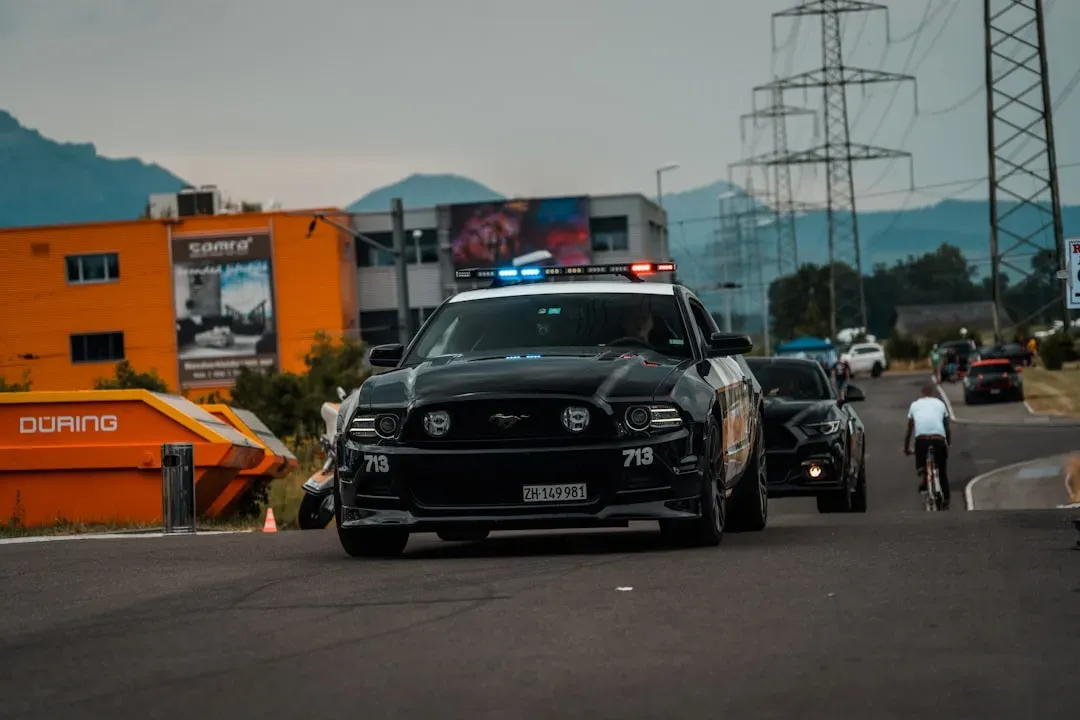
The Las Vegas Metropolitan Police Department was formed on July 1, 1973, by merging the Las Vegas Police Department with the Clark County Sheriff’s Department. That consolidation created one of the most unusual law enforcement structures in the country, a combined city and county agency. It is headed by the Sheriff of Clark County, who is publicly elected every four years.
Metro is the largest law enforcement agency in Nevada, and in 2009, was one of the largest police agencies in the United States according to Uniform Crime Reporting by the Federal Bureau of Investigation. The scale of the agency has only grown from there. With an employee range of 5,000 to 10,000 individuals, LVMPD represents one of the largest law enforcement agencies in the United States, dedicated to maintaining order and ensuring community safety.
The police services of the department are funded by both the City of Las Vegas and Clark County, with funding based on a complex formula that includes population, calls for service, and felony crimes in the prior year. That funding model shaped how the department grew, and in more recent years, shaped the kinds of technology partnerships it was willing to pursue.
What Is a Real-Time Crime Center and Why Does It Matter?

In an era where technology significantly enhances law enforcement capabilities, Real Time Crime Centers (RTCCs) have emerged as a critical component for modern policing. These centers serve as nerve hubs where analysts and officers monitor live data feeds, camera networks, and crime databases simultaneously. The goal is to compress the gap between when a crime occurs and when a meaningful police response is underway.
These digital law enforcement tools permit law enforcement agencies and officers to respond to crime events more efficiently, more deliberately, with improved operational intelligence, and with a proactive emphasis on officer, citizen, and community safety. The RTCC model is focused on monitoring, deterring, and evaluating criminal activity in real-time by using advanced technology. For a city the size of Las Vegas, with tens of millions of annual visitors, that capacity to react quickly carries enormous practical weight.
Data from the Las Vegas Convention and Visitors Authority shows over 40 million people visited the area in 2024. Policing a city that hosts that kind of foot traffic demands a very different operational posture than what a traditional patrol model can offer on its own.
Crime Trends: What the Numbers Actually Show

Motor vehicle thefts and homicides in the department’s jurisdiction were both down by more than 20 percent in 2024 compared with the previous year. That downward trend continued into 2025 and showed no signs of reversing. The department saw 90 homicides in 2025, which Sheriff McMahill described as Metro’s lowest on record.
Police have investigated 45 homicides so far in 2025, which is roughly 30 percent less than the same time in 2024. Meanwhile, property crime also shifted noticeably. Fewer cars were stolen in 2025, with 5,055 reports made compared to 5,909 at the same time the previous year, a drop of about 14 percent.
Crimes against people, which include homicide, kidnapping, and various other offenses, were down nearly 16 percent along the Las Vegas Strip in 2025 compared to the year prior, while crimes against property fell just over 15 percent. These are meaningful shifts, though the relationship between specific technology investments and those improvements remains the subject of ongoing debate among researchers.
The Drone Program: Nation-Leading Numbers
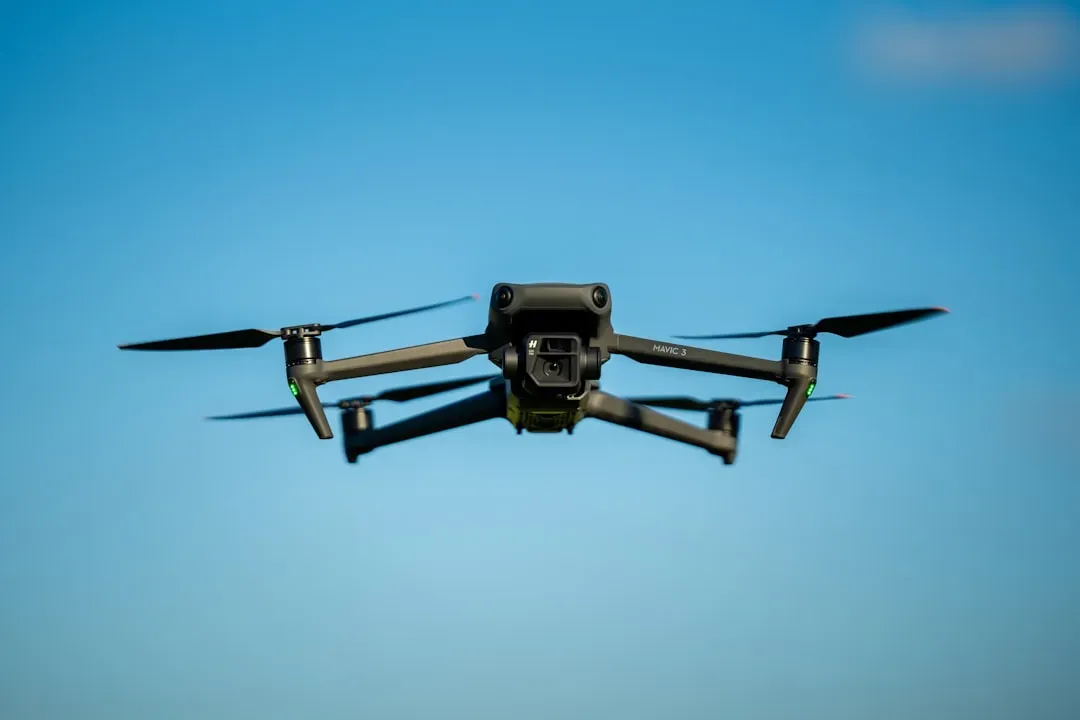
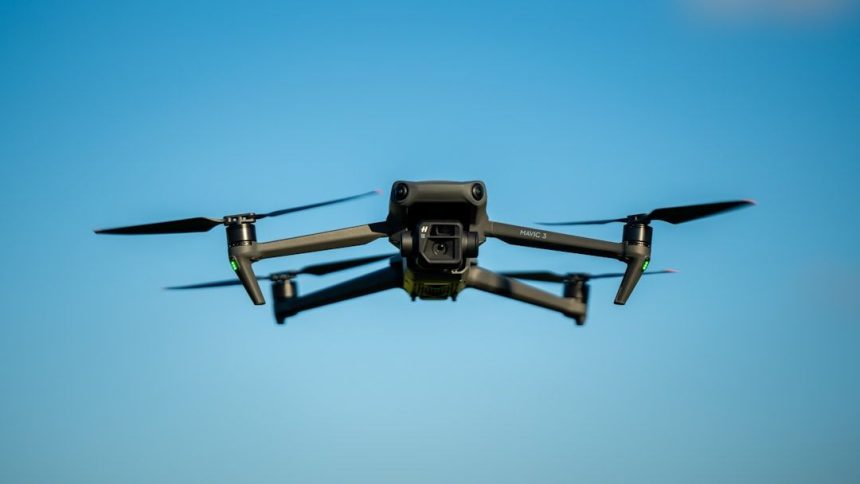
In 2024, Metro police created the Drone as First Responder Blue Sky Program, mimicking an emerging surveillance model used by thousands of police agencies across the country. The idea was straightforward: send a camera-equipped drone to the scene of a 911 call before human officers arrive, giving dispatchers and commanders a live look at what’s happening. Metro dispatches camera-equipped drones to scope out the scene of a 911 call and transmit footage to a central command station even before human officers arrive.
The loophole in privacy law alongside drone donations and a local emphasis on surveillance technology allowed the department to make its program one of the largest in the U.S. Metro went from deploying drones 345 times in May 2025 to 2,270 times in April 2026, a seven-fold increase, and last year flew more than 10,000 drone missions, the highest number in the country according to the department.
Sheriff McMahill noted that almost a dozen drones would be pre-positioned in locations throughout the valley. Officers and commanders see this as a genuine tactical advantage. As Undersheriff Walsh put it: “We’ll have real-time intelligence to be able to go in there and continue to save human beings and their lives. It’s an absolute game-changer as we move forward in this community.”
License Plate Readers and the Surveillance Grid
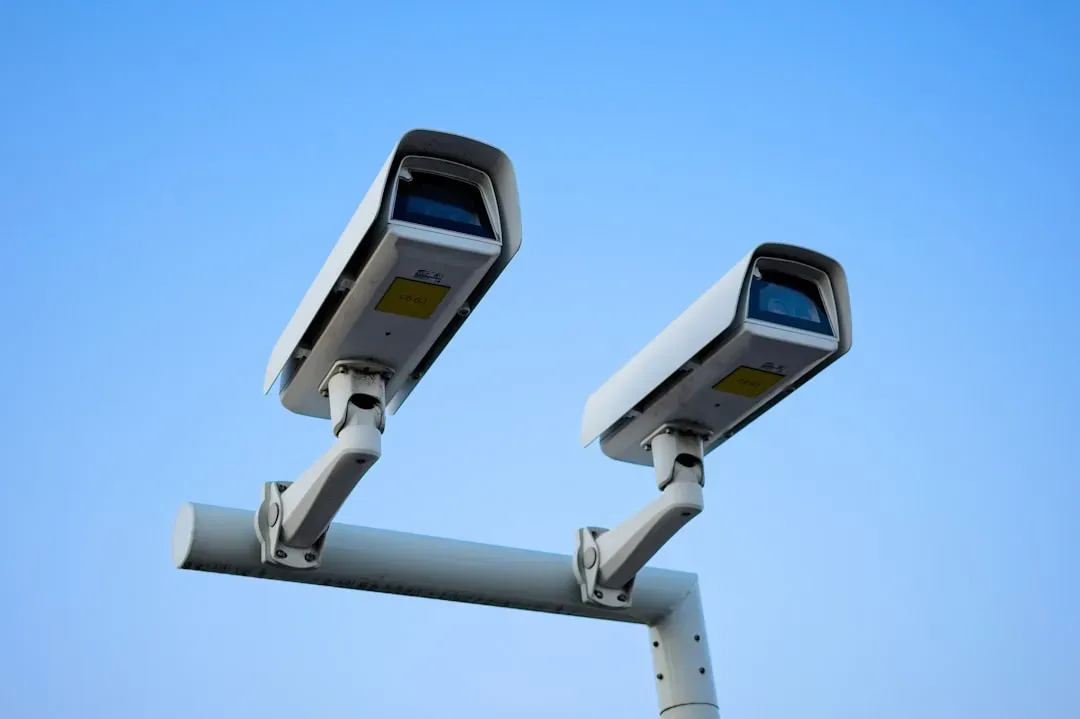
The Las Vegas Metropolitan Police Department quietly entered an agreement in 2023 with Flock Safety, an automated license plate reader company that uses cameras to collect vehicle information and cross-reference it with police databases. The program expanded quickly, funded not by taxpayers but through private philanthropy. The Horowitz Family Foundation donated almost $1.9 million for Flock license plate readers and another $2.47 million for supporting software for Flock machines, according to the minutes of an LVMPD fiscal affairs committee meeting.
The cameras scan license plates as well as vehicles’ identifying details, such as make, model and color, plugging that information into a national database that police can use to search the location of specific vehicles beyond their own jurisdictions. Nationally, as of 2025, Flock is used by over 6,000 municipalities in the United States.
Thanks to philanthropic support, the LVMPD Foundation was able to fund the acquisition and installation of license plate readers throughout the Las Vegas Valley. These advanced tools play a critical role in enhancing public safety by enabling law enforcement to quickly identify potential threats, track suspect vehicles, and solve crimes more efficiently.
The AI Brain: Metro’s Most Ambitious Technology Project

The Las Vegas Metropolitan Police Department is planning major technology upgrades, including building what the department calls an “AI brain” designed to connect internal databases, crime trends, and suspect histories in real time. Sheriff Kevin McMahill announced the plans during the State of the Department address, saying the department expects to be among the first law enforcement agencies in the country to develop the technology, to solve cases faster and prevent crime before it happens.
The AI-powered K.V.N., or Knowledge Value Network Project, will interconnect the department’s technology system to ensure that information “flows smoothly, securely, and intelligently.” The practical implications are significant. McMahill offered the example of a suspect released from prison years after committing a series of robberies, only for similar crimes to start happening again. He said those connections can get lost when original detectives have moved on, but new integrated systems would allow investigators to cross-reference details such as a suspect’s operating method, vehicle, and prison release records to identify repeat offenders much faster.
Partner offer
McMahill called the project futuristic, adding that it would allow officers to spend less time buried in paperwork and more time focused on leadership and accountability. Whether it delivers on that promise will likely become clearer as deployment begins in 2026.
Private Philanthropy and Public Safety: A New Funding Model
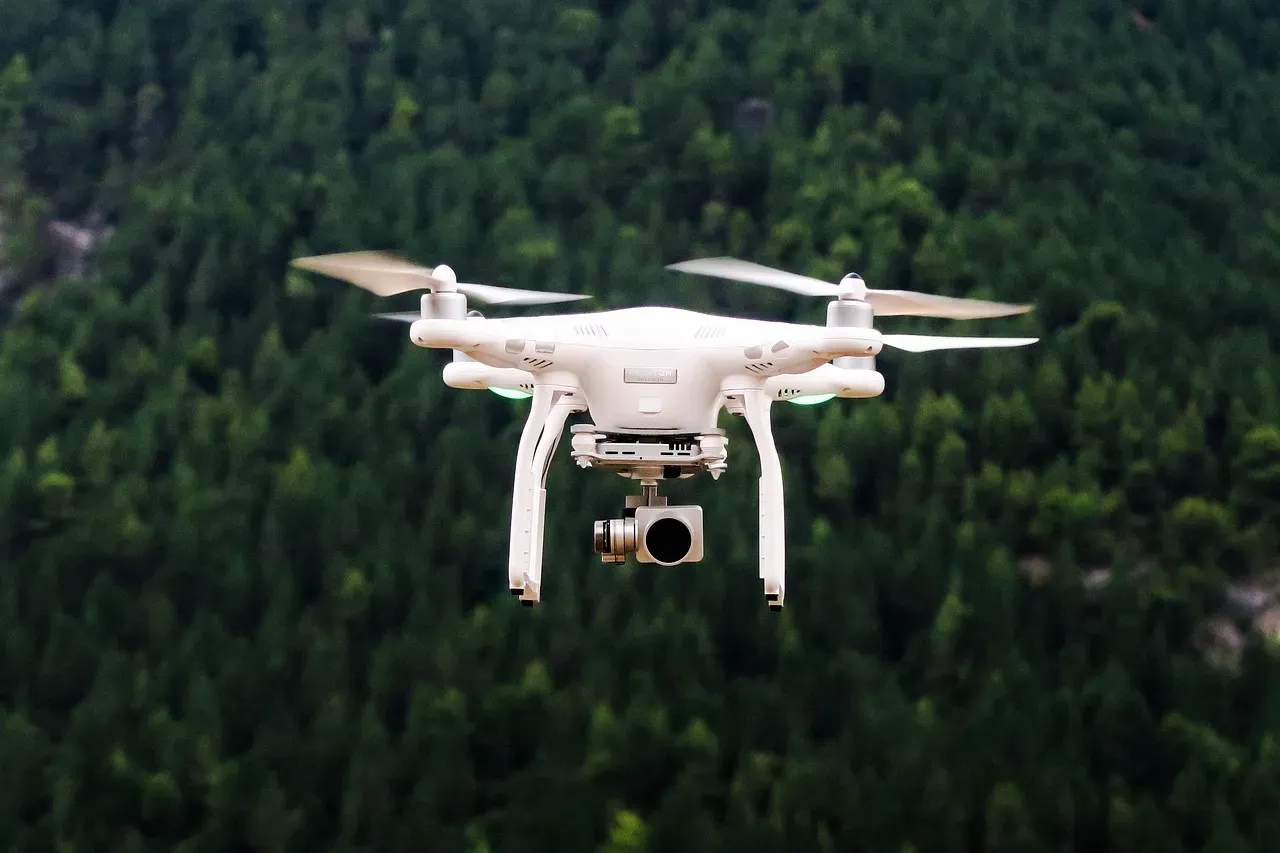
In November 2024, venture capitalist Ben Horowitz was reported to have funded at least $7.6 million in LVMPD purchases during the previous few years, and to have acted as facilitator between the department and at least six of his a16z portfolio companies. Purchases from Horowitz’s donations include Skydio drones, in which he was an early investor.
In October 2024, Horowitz detailed his and his wife Felicia’s contributions to the Las Vegas Metropolitan Police Department to enhance public safety. Their donations included $800,000 for computer terminals, $120,000 for 911 operator amenities, and $400,000 for Prepared 911 technology, improving emergency response times. Additionally, they provided approximately $6.3 million for advanced public safety technologies from Skydio and Flock Safety, aiming to bolster LVMPD’s intelligence and situational awareness.
Because the donations aren’t coming directly to Metro, but to the nonprofit LVMPD Foundation, any discussions on the cameras’ use aren’t subject to Nevada’s open meeting laws. That structural detail has drawn scrutiny from transparency advocates who argue the public should have more say over surveillance decisions that affect their neighborhoods. With many of these technologies developed by companies within the Andreessen Horowitz investment portfolio, critics have questioned the involvement of private citizens in funding public institutions.
Neighborhood-Level Policing: Area Commands and Community Trust

The LVMPD is divided into ten urban area commands, each with its own captain and crime prevention officers who interact with residents directly. This decentralized structure is meant to keep policing connected to the specific conditions of each neighborhood, rather than treating the entire city as a single, uniform environment. The department is committed to its mission to protect the community through prevention, partnership and professional service.
LVMPD publishes a weekly crime report that provides statistics on reported crimes. The report includes data by area command and year-to-date totals. That kind of granular, publicly available data makes it easier for residents to track trends in their own communities and hold the department accountable. LVMPD also offers a crime mapping tool for recent activity, providing the public with valuable information about recent crime activity in their neighborhood.
Through donations and contributions, the LVMPD Foundation provides the means for the department to invest in advanced equipment, cutting-edge technology, enhanced officer training, and a wide range of community programs. These initiatives are designed to prevent crime, strengthen law enforcement capabilities, build community trust, and improve public safety throughout Southern Nevada.
Privacy Concerns and the Limits of Surveillance Technology

No technology rollout of this scale arrives without tension. Concerns have been raised about how Metro shares its data, how it is stored, and how Metro is using artificial intelligence tools. Critics note that most people don’t have a full understanding of how these systems work or whether they are secure from hackers.
Nevada law prohibits law enforcement from flying over residents’ yards without a warrant, including the area surrounding a home. Another law deems all footage captured during municipal drone inspections inadmissible in court. The first responder drone program operates under an emergency exemption that allows flights in urgent circumstances. Privacy and civil rights experts, while acknowledging the utility of drones to quickly react to emergencies, worry that first responder programs might violate Fourth Amendment protections.
Critics have maintained that tracking features built into surveillance networks represent potential contradictions of Fourth Amendment constitutional protections against warrantless search and seizure. These legal questions are still being worked out in courts across the country, and Las Vegas is not exempt from that broader national reckoning.
What Comes Next: Counterterrorism, the Meridian Project, and 2026 Goals

Looking ahead, Metro Police plan to expand counterterrorism capabilities in 2026 by launching the Meridian Project. The department has also emphasized officer wellness as a measure of institutional health. The department has gone two years without an officer suicide, which McMahill said had not happened since he joined the department 35 years ago.
Among the accomplishments McMahill highlighted was the 58 percent decrease in police shootings from 2024 to 2025. Traffic fatalities remain an ongoing challenge: McMahill reported that traffic fatalities have decreased 18 percent, while the number of citations issued went up 60 percent. The department views that combination of enforcement and community partnership as its model going forward.
The LVMPD Foundation released its 2025 Annual Impact Report, highlighting a year of strategic investment in officer training, public safety technology, and community engagement initiatives across Southern Nevada. The report reflects a department that sees technology not as a replacement for human judgment, but as a multiplier for it.
Conclusion
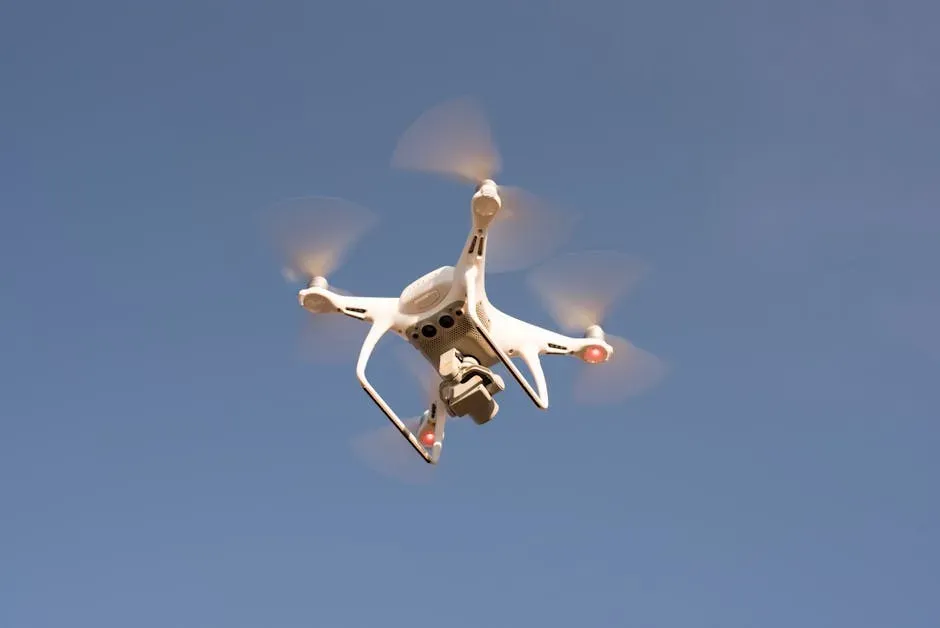
The LVMPD’s transformation from a merged city-county agency founded in 1973 into one of the most technologically equipped police departments in the United States is genuinely striking. Drones arriving on scene before officers. AI systems stitching together suspect histories across decades. License plate readers feeding a national network in real time. The pace of change has been fast.
What remains unsettled is how well the public, the courts, and the department itself will calibrate the relationship between surveillance capability and civil liberty. Better crime outcomes are real, and they matter to residents. So does the question of who controls the data, who funds the tools, and who gets to set the rules.
Las Vegas has always been a city that moves fast and builds big. What LVMPD builds next, and who it builds it for, will say a great deal about what modern neighborhood policing actually looks like in an age of constant data.
Partner offer
Planning a trip to Vegas?
Compare hotel rates and show tickets on VEGAS.com.