
Hollywood has always been a gamble, but there’s something particularly striking about a film that costs hundreds of millions of dollars and still manages to frustrate the audiences it was built to impress. The gap between a massive budget and a genuinely satisfying movie has rarely felt wider than it has over the past couple of years.
From sequels that squandered beloved originals to passion projects that confused even their most devoted fans, the list below covers eight films that left viewers shaking their heads. These aren’t obscure misfires. These are high-profile, heavily marketed, big-studio bets that simply didn’t pay off on screen.
Joker: Folie à Deux (2024) – A Sequel Nobody Needed

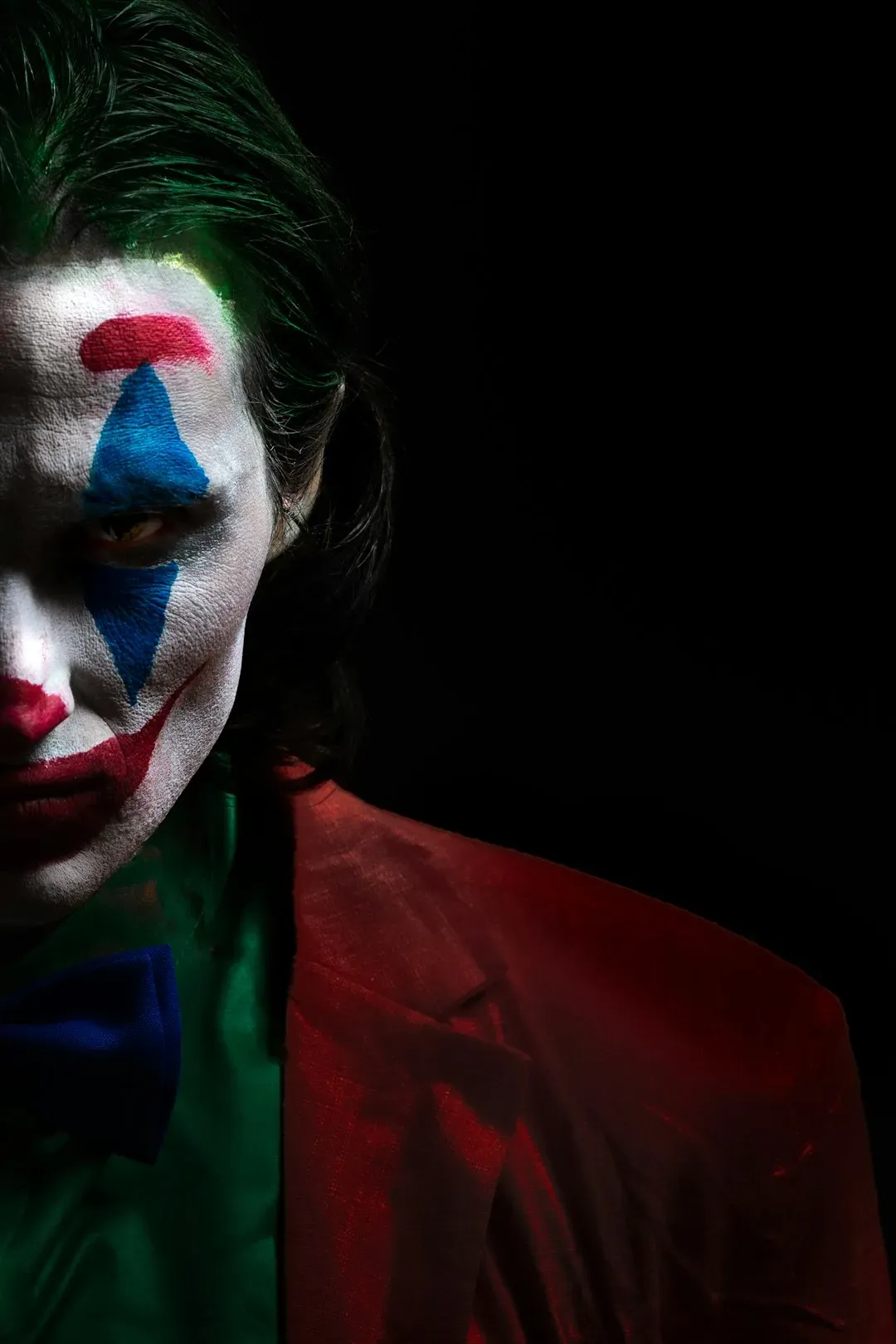
The 2019 film Joker proved to be a major success from practically every standpoint, winning multiple Academy Awards and earning over a billion dollars on a budget of only around $55 to 70 million. That kind of cultural lightning rarely strikes twice, and the sequel made painfully clear just how rare that is.
DC’s Joker: Folie à Deux was the biggest box office flop of 2024, with a net loss of roughly $144 million, and the jukebox musical film only made $227 million in revenue. With a budget of $190 to $200 million, it grossed only $206.4 million worldwide, barely covering its production costs, and received negative reviews from both critics and audiences. Viewers who had loved the gritty, grounded original felt let down by a film that leaned heavily into musical sequences and tonal confusion.
Megalopolis (2024) – A 40-Year Dream That Turned Into a Nightmare


Francis Ford Coppola self-financed the $120 million budget by selling off part of his winery business, which allowed him full creative control to go as strange and outlandish as he wanted with the tone of the film, meaning it wouldn’t have much mainstream appeal. The gesture was admirable. The execution, according to most viewers, was not.
Critics never understood the movie from the start out of its Cannes premiere, which earned 45% on Rotten Tomatoes, nor did the few moviegoers who showed up, pummeling Megalopolis with a D+ CinemaScore and a very low 32% definite recommend. Its production budget came in at $120 million, with additional costs leading to a total price tag of $146 million, roughly double the film’s total $70.5 million earnings. For a director with such a celebrated legacy, this was a genuinely deflating outcome.
Furiosa: A Mad Max Saga (2024) – Great Film, Wrong Budget


Unlike many famous box office flops in history, Furiosa: A Mad Max Saga was actually praised by critics upon release and was not necessarily considered a bad movie by any metric. The problem wasn’t the quality. It was the math. While the film received strong critical praise, earning a 90% on Rotten Tomatoes and a B+ CinemaScore, it became clear that Furiosa should have been made on a much smaller budget than the reported $168 million.
Furiosa landed as the second-biggest bomb of the year, with a net loss of around $120 million, having only made $211 million in total for the studio in cinemas and on home release after costing a total of $331 million to make, market, and release. The marketing didn’t help either – Furiosa’s promotional campaign closely mirrored that of Fury Road, failing to create a sense of novelty or urgency. Viewers who showed up appreciated the film, but there simply weren’t enough of them.
Borderlands (2024) – A Video Game Adaptation Gone Very Wrong


Borderlands was a wake-up call that video game movies can still be huge commercial and critical flops, even with Jack Black voicing a character, and behind-the-scenes troubles were evident as director Eli Roth didn’t return for reshoots and co-writer Craig Mazin requested his name be removed after his script was rewritten. That kind of production chaos rarely stays hidden from the final cut.
Despite its strong cast and director Eli Roth at the helm, Borderlands was riddled with production issues and overlapping creative visions, and a restrictive PG-13 rating combined with a tone that made it appear to those unfamiliar as a rip-off of Guardians of the Galaxy hurt it badly. Borderlands ended up losing roughly $80 million, a damaging result for a studio that had hoped to launch a franchise. As abysmal reviews poured in, fans chose to skip the movie and just play the games.
Argylle (2024) – A Star-Studded Cast That Couldn’t Save a Confusing Plot

Argylle may have had a fairly interesting concept and a dazzling cast, but these elements were not nearly enough to attract the audiences the filmmakers were expecting. Directed by Matthew Vaughn, the action-comedy highlights the circumstances that follow when an author inadvertently writes a novel that perfectly mimics a series of true events, and many found the plot to be too confusing and the humor too corny.
Argylle posted a profit loss of over $103 million, as although the production costs amounted to $200 million, the movie grossed just $96,175,599 – despite an all-star cast including Henry Cavill, John Cena, and Dua Lipa. A massive budget paired with a bloated, twist-heavy screenplay proved to be a combination that even the most devoted action fans couldn’t overlook.
Kraven the Hunter (2024) – Marvel’s Spider-Man Spinoff Streak Continues Downward


Sony’s Kraven the Hunter and Warner Bros.’ Joker: Folie à Deux were confirmed as 2024’s biggest comic book movie flops, and despite the strength of their respective brands and star power, both titles failed to meet financial expectations, with their underperformance reflecting shifting audience tastes, superhero fatigue, and risky studio spending.
According to Deadline, Joker: Folie à Deux suffered a net loss of $144.25 million, while Kraven the Hunter rounded out the comic book movie year with a $71 million loss. The news underscores a deeper problem within the superhero genre: audiences are no longer showing up in droves just because a movie is tied to Marvel or DC. Sony had tried a similar approach with Madame Web earlier that year, and the results were no more encouraging there either.
Snow White (2025) – Disney’s Most Expensive Mistake

Disney’s live-action remake of Snow White became a textbook example of what not to do, and the film faced controversy from the start. Debates over casting choices, comments from the lead actress about updating the original’s themes, and Disney’s shifting stance on how to portray the Seven Dwarfs fueled months of discourse, and early marketing struggled to find a cohesive tone, oscillating between nostalgic homage and revisionist reinvention. Even setting aside the cultural noise, audience fatigue with Disney’s live-action remake strategy had grown evident.
With some outlets claiming the film cost $350 million, the officially reported $270 million budget paired with a roughly $205 million worldwide gross – not to mention the millions Disney spent on marketing – made it the year’s biggest financial failure. The truth is that this family movie was always going to be a long shot at profitability, simply given its $269 million budget, and that staggeringly tall number meant Snow White needed to secure Maleficent-sized grosses to even begin to show a profit.
Tron: Ares (2025) – Cult Classic Mistaken for a Blockbuster

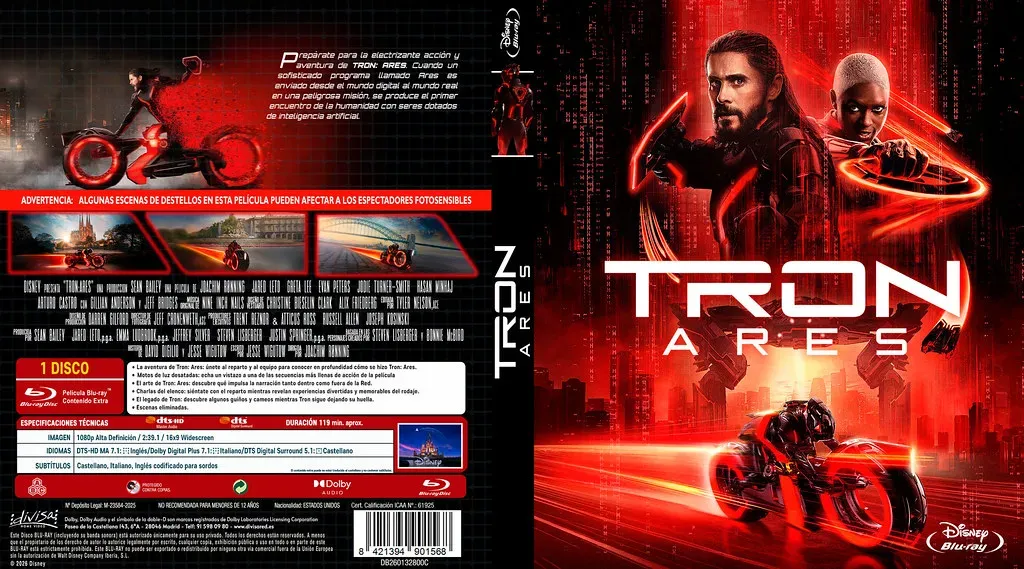
Disney’s Tron: Ares marked the third theatrical entry in a franchise that has always been more cult favorite than commercial juggernaut, and the problem is that Tron has never demonstrated consistent blockbuster power – the original film became a cult classic but earned modest box office returns. Nostalgia alone could not compensate for limited generational attachment, and the attempt to reboot rather than directly continue earlier storylines left core fans uncertain, with the film’s underperformance reflecting a recurring Hollywood miscalculation: mistaking cult status for universal demand.
Tron: Ares cost $220 million to produce plus $102.5 million in marketing, totaling around $322.5 million in expenses, and the film grossed just $103 million worldwide after two weekends, leading to a projected $132 million net loss for Disney. The October 2025 misfire was a sequel rooted in a 40-plus year old sci-fi franchise that was never particularly popular to begin with, cementing its box office downfall. Together with Snow White, both films lost over $100 million in 2025, raising real concerns about Disney’s ability to connect with audiences through its legacy properties.