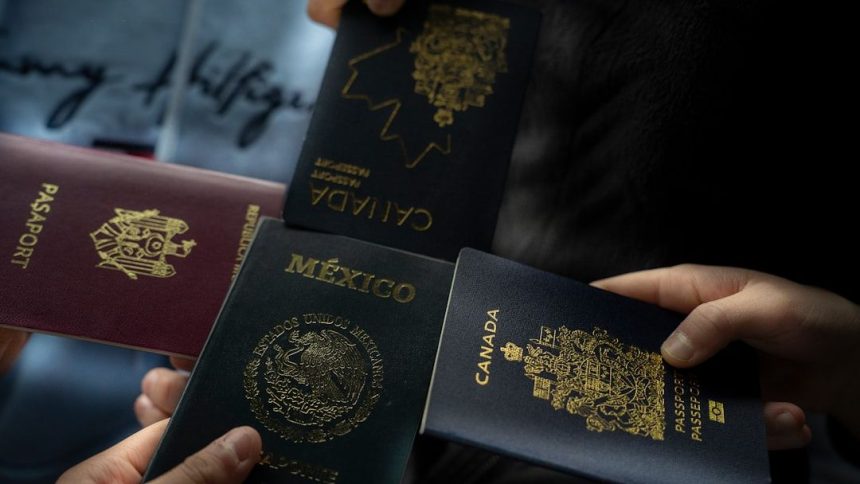

18-year-old cancer patient dies day after reunion in Mexico with parents detained by ICE – Image for illustrative purposes only (Image credits: Unsplash)
An 18-year-old man born in Chicago and facing terminal cancer spent his final day with his parents in Mexico. The reunion took place after immigration authorities had held the couple in detention. Their son passed away the next day.
The Brief Window of Togetherness
The family had endured separation while the young man’s health declined. Officials released the parents in time for them to travel and meet their son. That single day together became the last opportunity for any shared moments before his condition ended his life.
Chicago remained the place the young man had always called home. His parents’ detention had kept them apart during the most critical period of his illness. The eventual reunion offered a measure of closure, though it arrived with little time left.
Detention and Its Consequences
Immigration enforcement actions often intersect with personal crises in unexpected ways. In this instance, the parents’ detention delayed their presence at their son’s side. The timing meant the family could only connect when the end was already near.
Partner offer
Terminal illness places heavy demands on any household. When legal proceedings add further barriers, those demands grow even heavier. The parents’ release allowed them to reach Mexico, yet the window proved narrower than anyone would have wished.
A Family’s Final Chapter
The young man’s life began in Chicago and ended far from that city. His parents traveled under difficult circumstances to be with him. Their arrival marked both a long-awaited return and an immediate farewell.
Those who follow immigration cases note how quickly health emergencies can alter priorities. Here, the focus shifted from legal status to the simple need for presence. The outcome underscores how narrow the margin can become when time runs short.
Looking Ahead
Such stories continue to surface at the intersection of health care and enforcement policies. Families weigh every available option while facing irreversible loss. The details of this case remain limited, yet the sequence of events speaks to the human stakes involved.
Observers will watch whether similar situations prompt adjustments in how authorities handle urgent medical cases. For now, the record shows one family granted a final day together before the illness claimed its course.
Partner offer
Planning a trip to Vegas?
Compare hotel rates and show tickets on VEGAS.com.