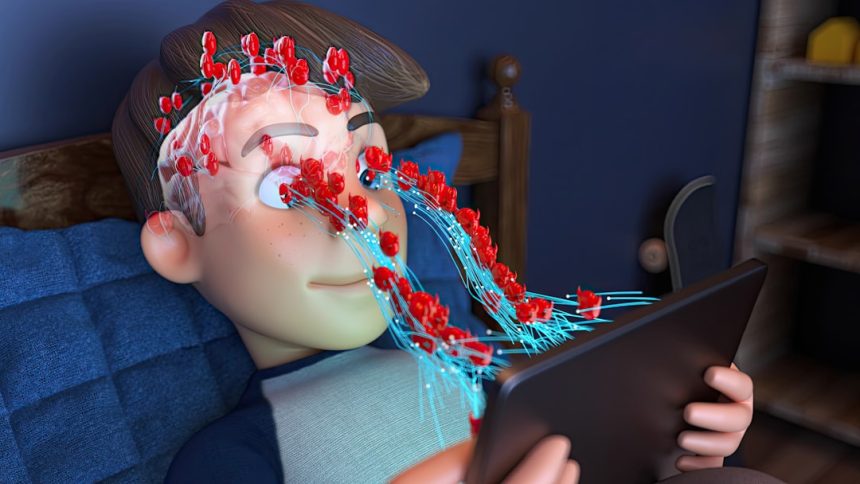

Prominent Voices in the Satirical Critique (Image Credits: Unsplash)
Las Vegas — Editorial cartoonists have long served as society’s mirror, reflecting the absurdities and dangers of the day. In recent days, a collection from the Las Vegas Review-Journal gathered works from artists nationwide and internationally that zero in on social media’s transformative — and often destructive — influence on mental processes.[1] These sketches capture a growing unease about how platforms reshape attention, emotions, and cognition, echoing the iconic anti-drug campaign "This is your brain on drugs."
The timing feels urgent. Lawmakers and parents alike have raised alarms over addictive algorithms, particularly their toll on youth. Cartoonists distill these debates into sharp visuals, prompting viewers to confront their own scrolling habits.
Prominent Voices in the Satirical Critique
A standout roundup appeared in the Review-Journal on April 6, featuring contributions that probe social media’s psychological footprint. R.J. Matson from Portland, Maine, led the pack with his pointed take.[1] Tom Stiglich of Creators Syndicate followed, alongside Dick Wright and Dave Granlund from PoliticalCartoons.com.
Margolis & Cox, Gary McCoy from Shiloh, Illinois, Harley Schwadron of CagleCartoons.com, and Graeme MacKay of The Hamilton Spectator rounded out the selection. Each piece underscores a common thread: platforms that hijack focus and foster dependency.[1]
Local Talent Weighs In on Digital Hazards
Las Vegas-based cartoonist Michael Ramirez has repeatedly tackled social media’s darker side. His work "Social media scourge?" questions the unchecked spread of online harms.[2] Another Ramirez cartoon portrays the chaotic nature of today’s digital interactions.[3]
These efforts align with broader syndicated commentary. Ramirez, a two-time Pulitzer winner, uses his platform at the Review-Journal to highlight risks from addictive designs to content moderation failures. His sketches often frame social media as a modern plague, urging accountability from tech giants.
National Echoes of the Warning
Beyond Nevada, artists continue the conversation. Steve Sack of the Minneapolis Star Tribune depicted "Your brain on social media" as early as 2019, setting a template for later works.[4] Recent entries include R.J. Matson’s "Social media mental health advisory," syndicated widely in late March 2026.[5][6]
Outlets from Syracuse to the Korea Times republished Matson’s advisory, signaling its resonance.[7][8] Meanwhile, a Dallas Morning News cartoon linked platforms directly to children’s well-being, amid court rulings on addictive features.[9]
- R.J. Matson: Mental health advisories tied to usage.
- Michael Ramirez: Scourge on society and youth.
- Steve Sack: Early brain-on-social-media analogy.
- Tom Stiglich and others: Broader addiction critiques.
- Graeme MacKay: International perspectives on digital overload.
Why Cartoonists Lead the Charge
Editorial cartoons thrive on brevity and bite. They bypass dense reports to deliver instant insight into complex issues like dopamine-driven engagement. Social media’s business model — prioritizing time on site over user health — provides ripe fodder.
Collections like the Review-Journal’s amplify this voice. By curating diverse styles, they reveal a consensus: unchecked scrolling erodes mental resilience. Publications from coast to coast echo the call, blending humor with caution.[7]
Key Takeaways
- Cartoonists equate social media to addictive substances, frying focus and fostering isolation.
- Las Vegas outlets spotlight local and national artists addressing youth vulnerabilities.
- Recent 2026 works urge advisories and reforms amid rising concerns.
These drawings remind us that satire often precedes policy. As debates intensify over regulation, cartoonists keep the pressure on. What steps will platforms take next? Share your thoughts in the comments.