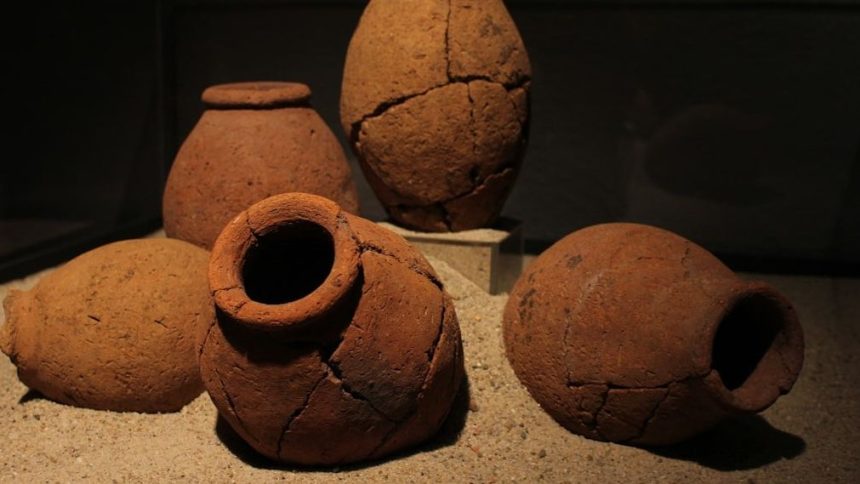
Think about the last time you spread something on toast, glanced in a mirror, or tucked into a bag of chips. Mundane moments. Forgettable, even. What you probably didn’t think about is that some version of nearly every object you touched today has a counterpart buried in an ancient tomb, sealed inside a shipwreck, or pressed into the walls of a cave. The truth is that ordinary life today is tied to ancient civilizations in ways that are genuinely astonishing.
Honestly, I find it a bit mind-bending. We tend to put ancient history on a pedestal – reserved for museums and documentaries. Yet recent excavations from 2024 to 2026 keep revealing the same uncomfortable truth: the ancients were doing things we thought we invented. So let’s dive in.
1. The Loaf of Bread: A Neolithic Staple That Predates History Books
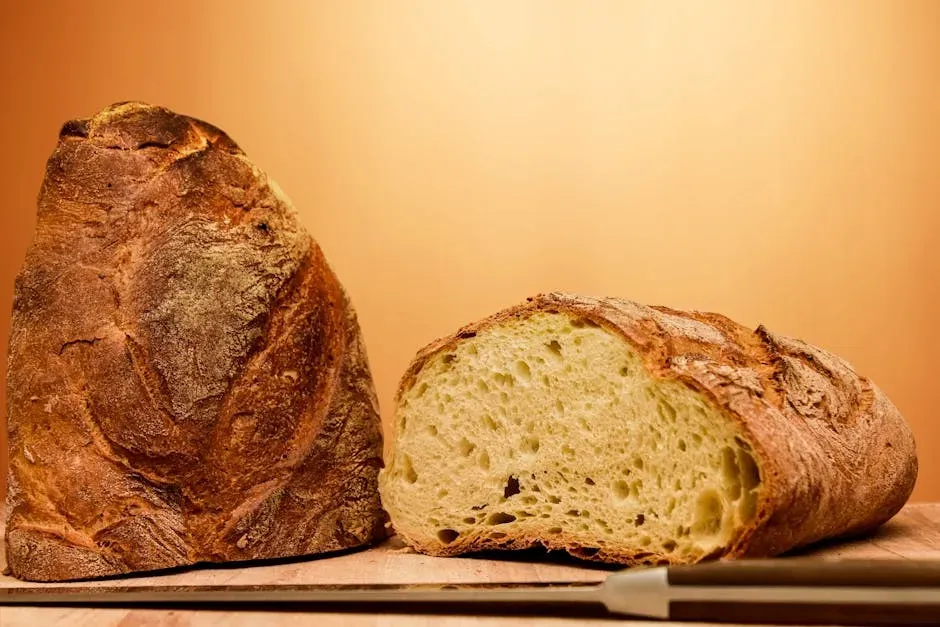
Most people assume bread is a relatively modern convenience, something that took off with industrialization. The reality is almost shockingly older than that. A piece of bread dating back to 6,800 BC was found in Konya, Turkey, at the Neolithic site of Çatalhöyük. This is believed to be the world’s oldest known bread, discovered inside a destroyed oven structure in the “Mekan 266” area. Archaeologists also found wheat, barley, pea seeds, and a round spongy residue alongside it.
That’s nearly nine thousand years of bread. Let that sink in. The simple loaf sitting on your kitchen counter is essentially the same concept that ancient farmers were already perfecting before writing even existed. Many of today’s most significant archaeological discoveries come from applying new techniques to artifacts already unearthed, and in 2024, modern methods like DNA analysis and remote sensing technology revealed new evidence of past cultures, technologies, and social structures. The bread at Çatalhöyük is not just a curiosity. It’s a window into how early agricultural communities organized their daily life around the exact same staples we still rely on.
2. The Lipstick Tube: Cosmetics From 4,000 Years Ago
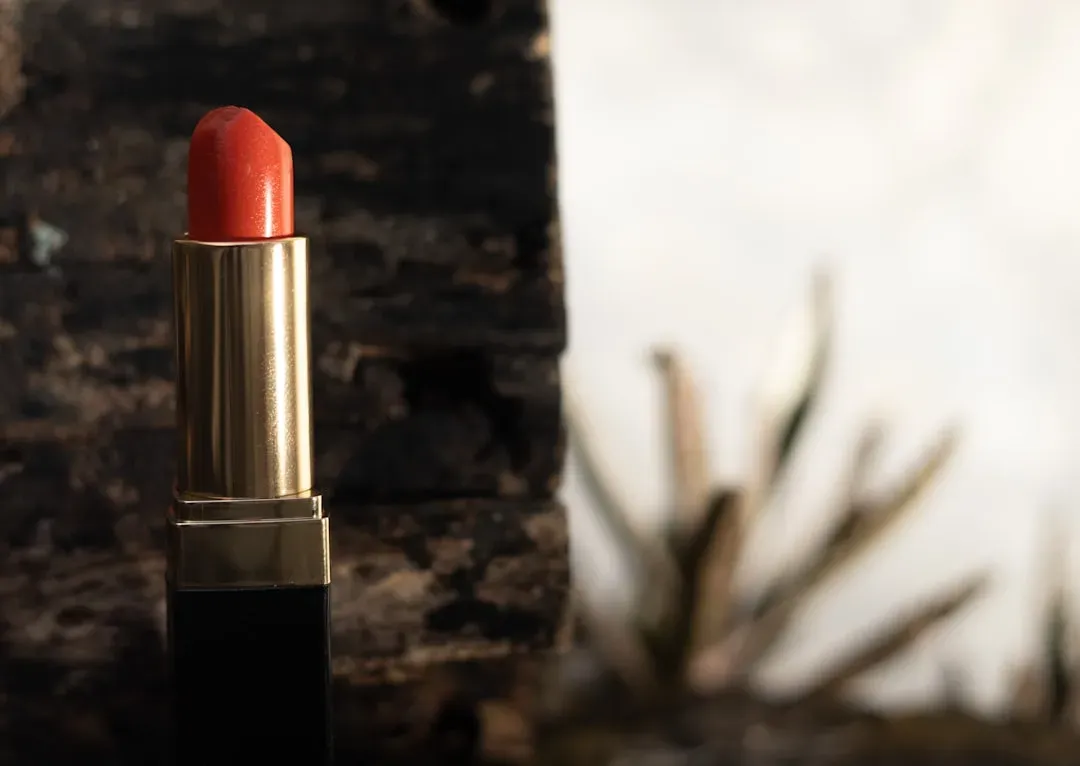
Here’s the thing: your favorite bold lip color has a much older ancestor than you might expect. A tiny vial found in southeastern Iran revealed that cosmetics go back roughly 4,000 years. The stone vessel contained a deep red mixture of minerals, primarily hematite along with manganite, braunite, and vegetable-based waxy ingredients, and researchers in 2024 reported it is “probably the earliest” example of lipstick to be scientifically analyzed.
The shade? A daring red. Not subtle at all. Experts located what may be the oldest lipstick scientifically documented, in a daring red, no less. Think about that the next time a beauty brand markets a product as revolutionary. The desire to enhance appearance, to signal identity or status through color on the face, was just as real to a person living in Bronze Age Iran as it is to someone scrolling through makeup tutorials today. Ancient cosmetics are not a footnote. They are proof that self-expression is as fundamental to human nature as eating.
3. The Wine Jar: Ancient Shipping Containers Under the Sea
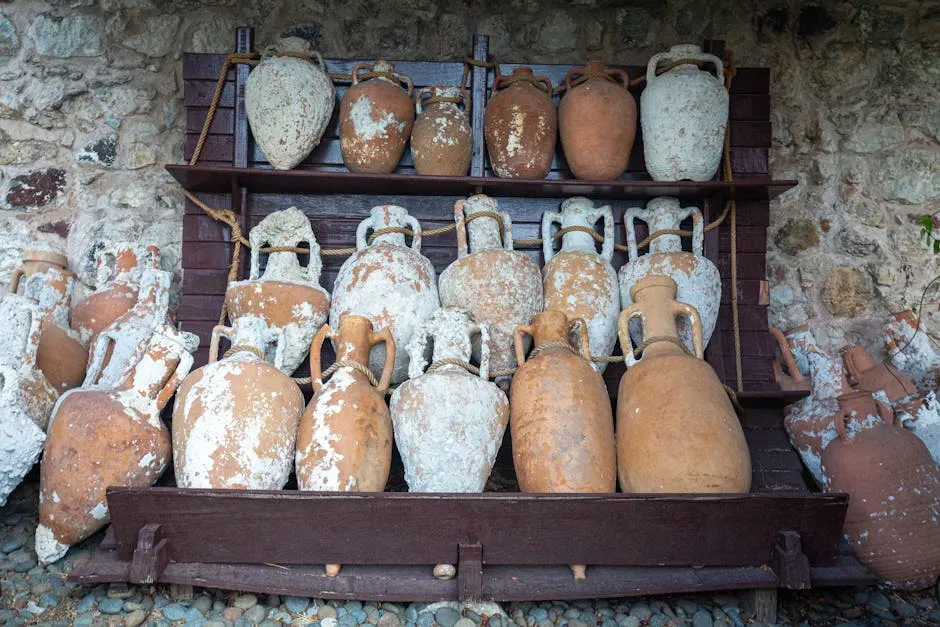
The modern cardboard box or plastic container has a much more elegant ancestor. In the ancient world, the amphora was the universal shipping solution. Archaeologists off the coast of Palermo, Sicily, discovered an ancient Roman shipwreck laden with amphorae – jars used mainly for transporting wine and olive oil. The vessel dates to the second century B.C.E.
Found throughout the classical world, amphorae represent a wealth of information for contemporary scholars. The two-handled jugs, whose name is derived from the Greek term for “carried on both sides,” hold clues to archaeological sites’ dates, trade links, and inhabitants. In 2024, a Roman-era shipwreck off the coast of Turkey’s Antalya province added even more to this story. SCUBA-diving archaeologists uncovered a remarkably intact wreck submerged about 148 feet below the Mediterranean Sea. The vessel contained hundreds of sealed amphorae perfectly preserved for nearly 2,000 years, likely used to transport goods such as wine, olive oil, and tableware. The humble container, it turns out, is one of civilization’s most enduring inventions.
4. The Saddle: A 2,700-Year-Old Travel Essential
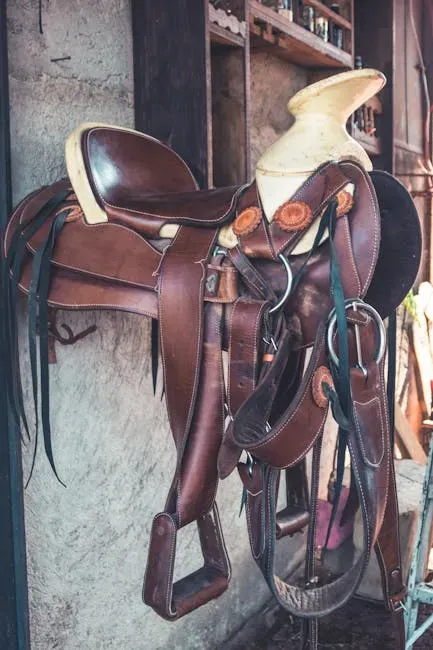
Most of us think of saddles as cowboy equipment or equestrian sport gear. It’s easy to forget just how revolutionary the saddle once was. A 2,700-year-old saddle was uncovered in a woman’s grave in the Yanghai cemetery at the edge of the Taklamakan Desert in northwest China. Although humans domesticated horses thousands of years earlier, ancient carvings show they were usually ridden bareback, or with only a mat or blanket for the rider. Saddles were a later technological advance that allowed riders to travel for longer distances without injuring themselves or their mounts.
The saddle found at Yanghai is made from leather and stuffed with straw and animal hair. It was a well-crafted but inexpensive item, used by everyday herders in the region. That detail gets me every time. It wasn’t a luxury object for royalty. It was practical gear for working people. Researchers think horse riding was introduced into China from the northern parts of Central Asia, but the Yanghai saddle is the earliest in the archaeological record. It is made from pieces of leather stitched together and stuffed with straw and animal hair, and the dry desert environment preserved it when such organic items would usually decay quickly.
5. The Mirror: A Bronze Age Beauty Essential
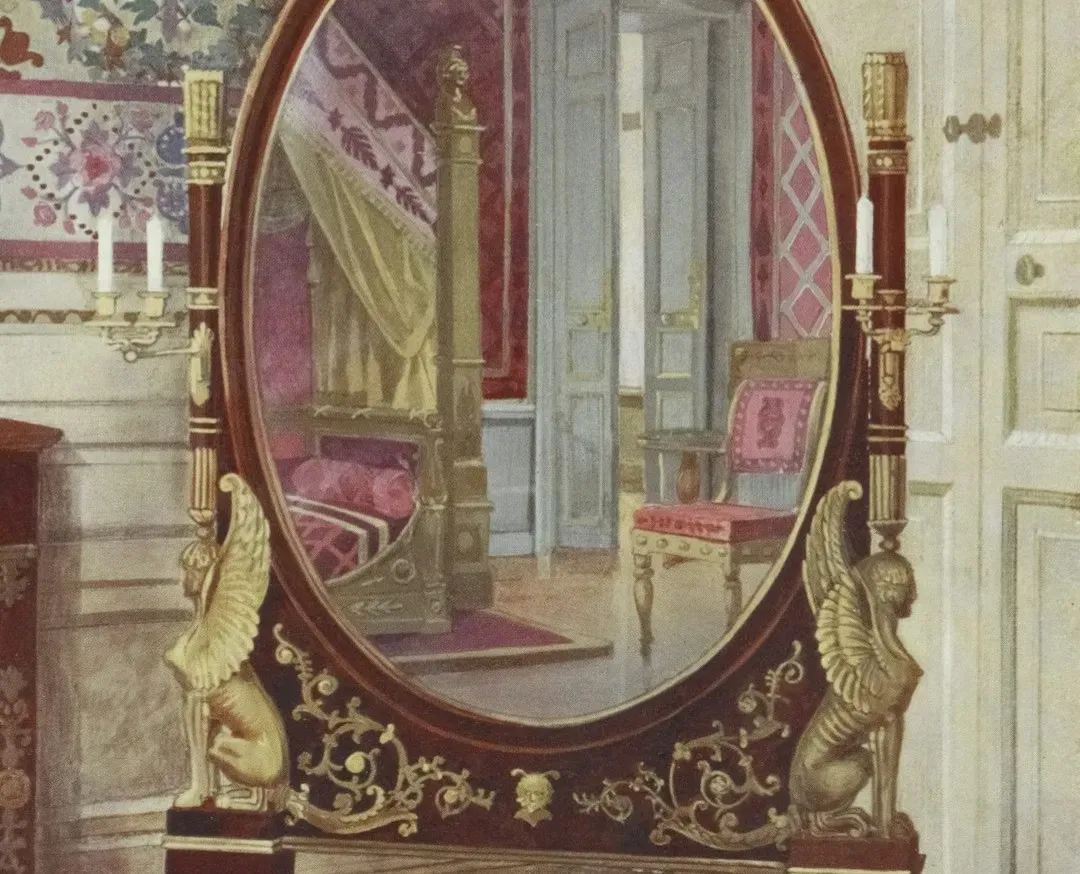
The idea of checking your reflection is ancient in the most literal sense. Among the finds in a roughly 4,000-year-old Egyptian tomb at the South Asasif necropolis were two copper mirrors. One featured a lotus-shape handle, and the other boasted the design of Hathor, the goddess of the sky, women, fertility, and love among the ancient Egyptians.
These weren’t decorative objects tucked away in storage. They were buried with the dead, apparently important enough to carry into the afterlife. From the depths of Japan’s kofun burial mounds, a gigantic sword and mirror hint at lost rituals of demon slaying. Across entirely separate cultures spanning Asia and Africa, the mirror carried deep symbolic weight alongside its practical function. It’s a fascinating parallel to today, where mirrors are simultaneously functional and tied up in notions of identity, beauty, and self-image. Some things, it seems, never change.
6. The Clay Bowl: Ancient Workers’ Lunch Boxes
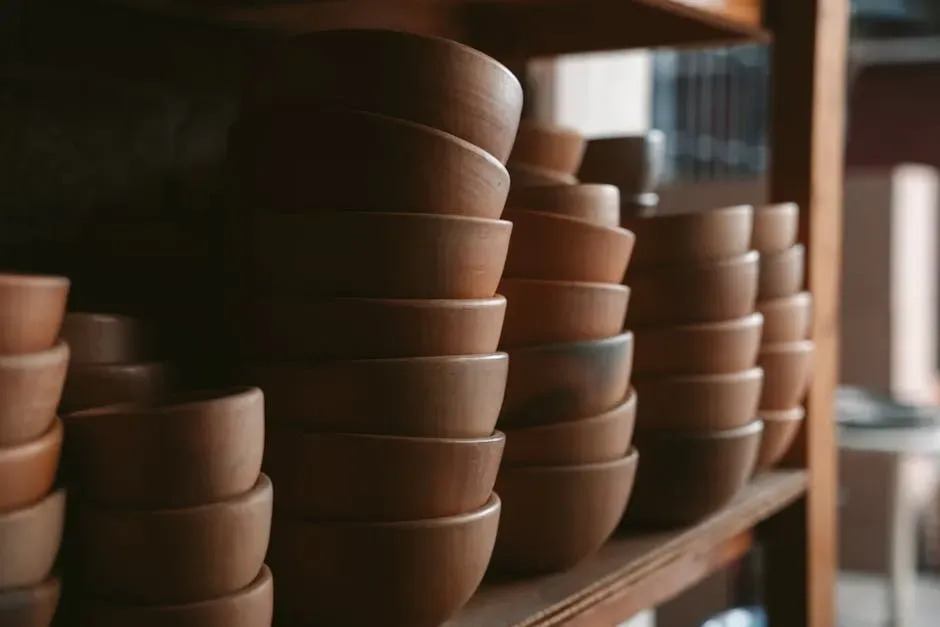
Here’s a comparison that I think is genuinely startling. Clay bowls dating back 5,000 years, used to distribute food rations to workers, were discovered at some of the earliest public buildings in Shakhi Kora, Iraqi Kurdistan. That’s the ancient equivalent of a cafeteria tray or a modern takeaway container, used at scale, for workers in organized society. The logic is entirely familiar.
The bowl is perhaps the most underappreciated object in archaeological history. It looks so simple, so throwaway. Yet its presence at a public building thousands of years ago tells us that ancient societies had labor structures, food distribution systems, and daily routines organized around collective eating. Humans and our ancestors have been creating tools, art, and everyday objects for millions of years, and each unexpected discovery teaches us something new about the development of our species. It’s easy to take everyday objects for granted – depending on their age, a run-of-the-mill utensil, tool, or weapon could provide useful clues about what life was like in the past. The clay bowl is living proof of that idea.
7. The Roman Dodecahedron: A Mystery Object Nobody Can Explain
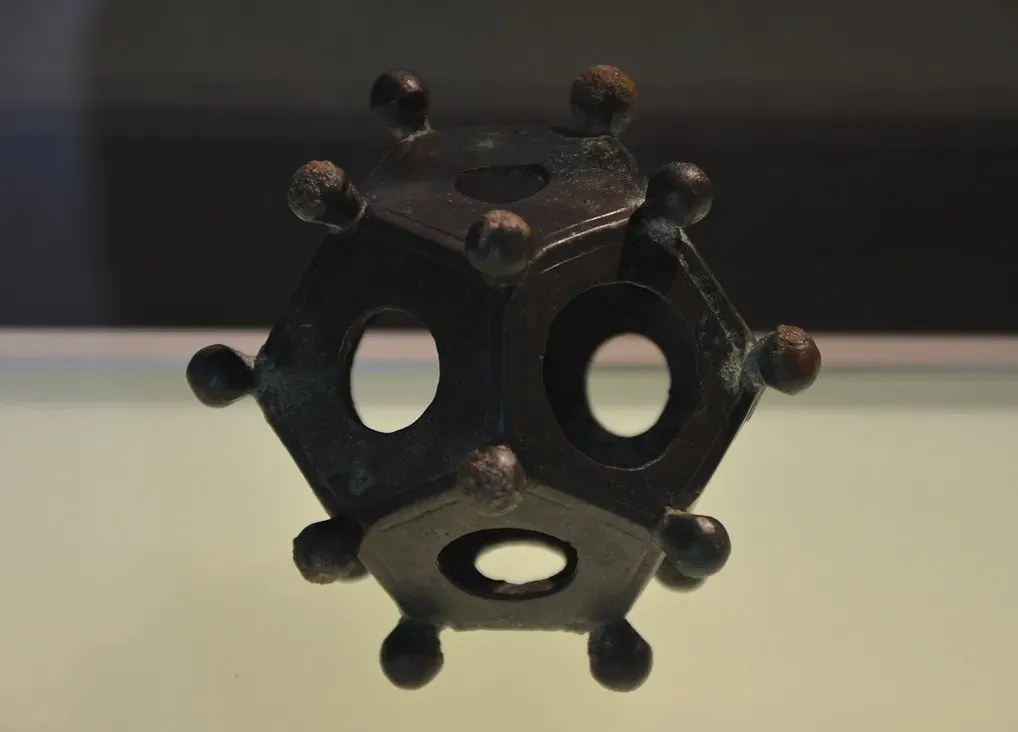
Let’s be real: not every ancient everyday object has a tidy explanation. Sometimes the past hands us something completely baffling. One of archaeology’s most fascinating mysteries began a new chapter when amateur archaeologists in England found a large Roman dodecahedron, one of 130 such 12-sided ancient objects known in the world whose functions have been lost to time. Measuring 3 inches across, it’s one of the biggest examples found to date.
The dodecahedron is one of 130 of the 12-sided ancient objects known in the world, but whose functions have been lost to time. Absent of depictions in art or descriptions in literature, Roman dodecahedrons remain enigmas, but the discoverer believes it was a religious object. No one wrote down what these things were for. No ancient Roman illustration depicts one in use. It’s one of those rare cases where archaeology humbles us completely. We know these objects existed, we know they were valued, and we know almost nothing else. The period spanning 2024 to 2025 proved exceptionally rich, revealing everything from opulent royal burials to humble Stone Age tools, offering fascinating windows into the lives, beliefs, and technologies of our ancestors. The dodecahedron is a reminder that for every secret archaeology unlocks, another quietly remains.
Conclusion: The Past Is Closer Than You Think
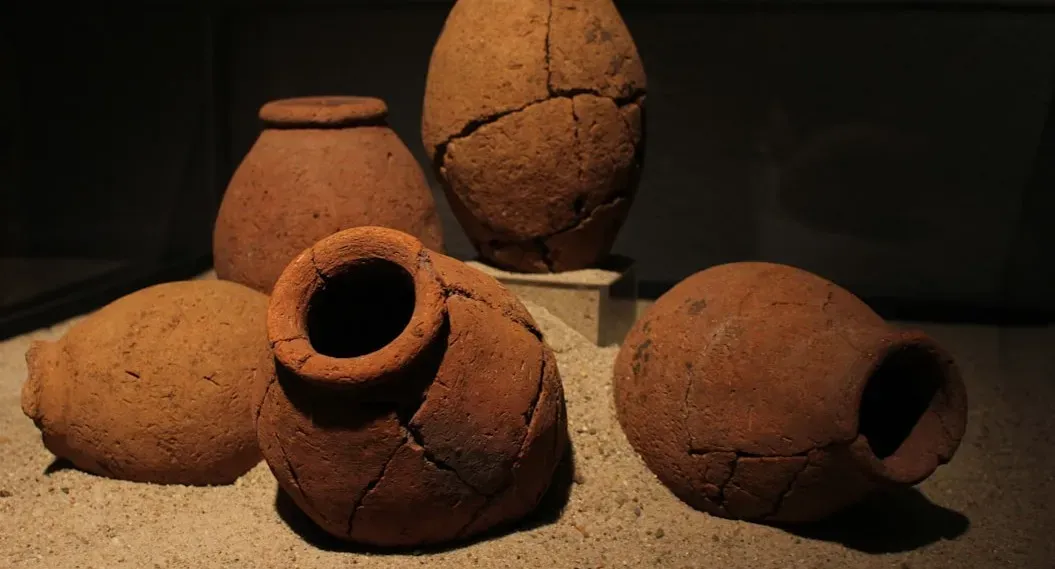
It’s tempting to think of ancient civilizations as distant, alien even. Separated from us by thousands of years of progress. Yet the evidence keeps pointing in the opposite direction. The bread, the jar, the mirror, the cosmetics pouch – these things connect us to people who were, at their core, navigating the same basic human needs we have today.
Each find adds another piece to the vast puzzle of human history, revealing the ingenuity, artistry, beliefs, and daily lives of our ancestors. These discoveries remind us that the past is not truly past – it lives on in the objects, structures, and stories waiting to be uncovered. The world beneath our feet is still full of secrets. And some of those secrets, it turns out, look an awful lot like the things on your kitchen counter right now.
What everyday object do you think holds the most surprising ancient history? Share your thoughts in the comments.