
Boy band fandom has always been intense, almost tribal. You didn’t just like the music – you picked a side, learned the choreography, and defended your group online with the kind of conviction usually reserved for something far more serious. That loyalty is precisely what makes it so striking when it starts to crack.
Across the mid-2020s, a pattern has emerged. Longtime fans of several major acts are quietly stepping back, not always with dramatic announcements, but with the slow drift that comes when trust erodes, momentum stalls, or the music simply stops feeling like it belongs to them. Here are seven boy bands where that shift has become hard to ignore.
One Direction: Grief, Uncertainty, and a Fandom at a Crossroads

The death of Liam Payne in 2024 forced the remaining members – and their vast global fanbase – to confront a reality that no one had prepared for. The tragic event brought the former bandmates back into contact for the first time since Zayn’s departure in 2015, yet there are no current plans for any future One Direction projects.
Louis Tomlinson, speaking in a wide-ranging interview, said he “can’t ever imagine” a reunion, adding uncertainty due to Payne’s death: “I’m not sure it would be right to [Payne].” In May 2025, fans were left excited at the prospect of a reunion as Zayn followed Louis on Instagram, but hope for an actual musical comeback remains fragile. For many fans, the emotional weight of that loss has made fandom itself feel complicated rather than joyful.
BTS: Military Service, Controversies, and Fandom Fractures
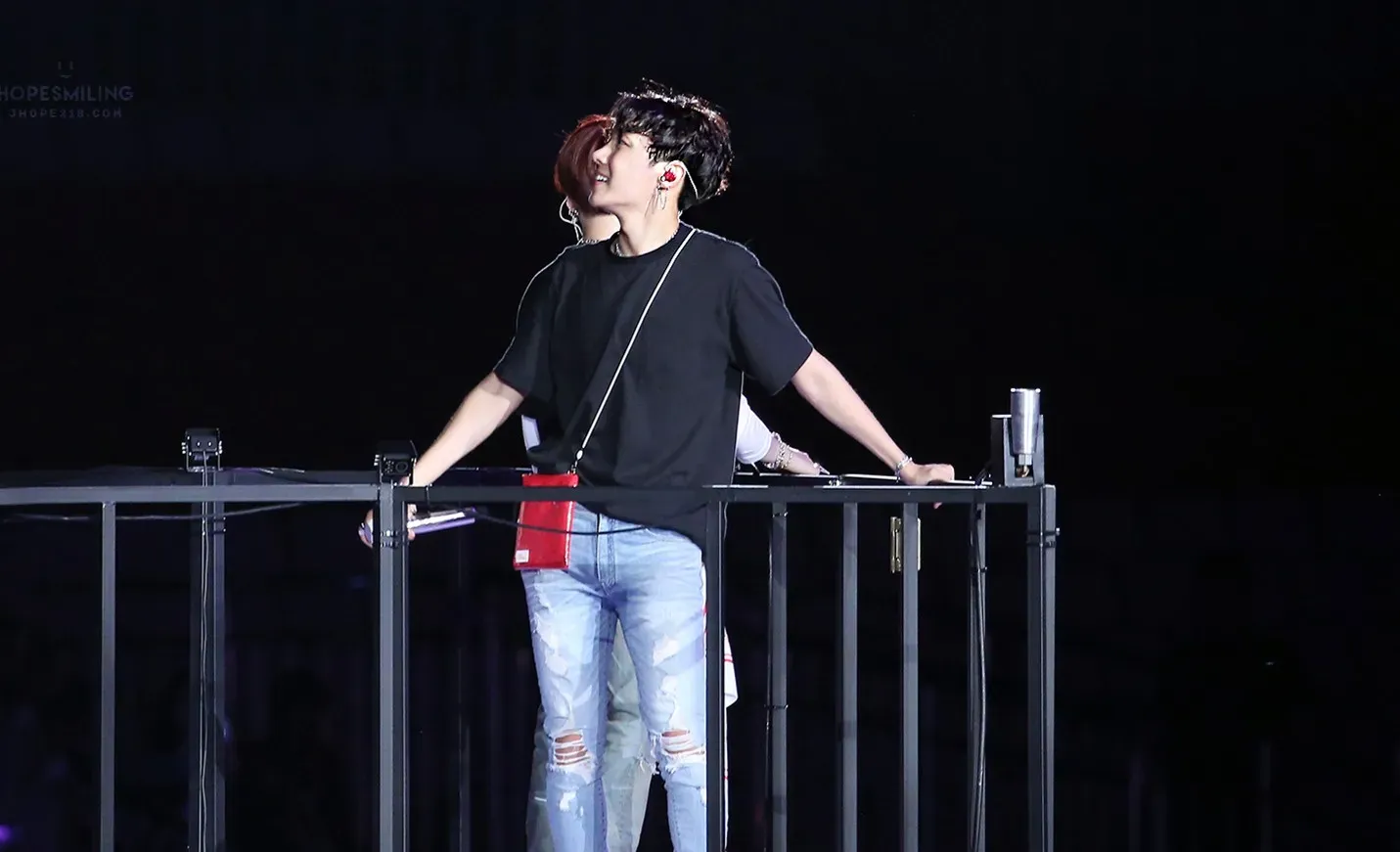
Six months after all members of BTS completed their long-awaited military discharge, the return of the genre’s most influential group remained defined as much by uncertainty as anticipation, with a series of personal controversies and public scrutiny shaping the post-hiatus period. In October, RM, J-Hope and V attended a charity event that drew swift backlash for what critics described as an overly celebratory atmosphere, with criticism centered on flashy performances, heavy sponsor exposure, and a perceived lack of substantive engagement with the stated cause.
Another destabilizing moment came when RM addressed fans during a live broadcast, saying he had “considered tens of thousands of times whether it might be better to disband the team” – a candid remark intended to convey emotional strain that sent shockwaves through the fandom. Over the hiatus period, the K-pop landscape only grew more competitive, with new acts rising and fan attention becoming increasingly fragmented. Still, BTS returned with their album Arirang, accompanied by a massive free concert in Seoul and the announcement of a 2026 world tour, signaling the group’s intent to reassert their global dominance.
*NSYNC: Two Decades of Waiting, Still No Tour

The momentum seemed to build when all five members – Justin Timberlake, JC Chasez, Joey Fatone, Lance Bass, and Chris Kirkpatrick – appeared on the 2023 single “Better Place” from the Trolls Band Together soundtrack, their first official track together in over two decades. As of early 2026, however, there is no officially announced full world tour from *NSYNC on the books.
Justin Timberlake’s 2002 solo pivot has long split the fandom, yet group bonds have persisted in interviews and public appearances. Fans who remember the chaos around other legacy acts worry that a full *NSYNC reunion tour could become a “rich fans only” event if ticket pricing is not carefully managed. The combination of prolonged inactivity and unanswered reunion questions has left a portion of the fanbase simply moving on.
Backstreet Boys: Vegas Can’t Fix Everything
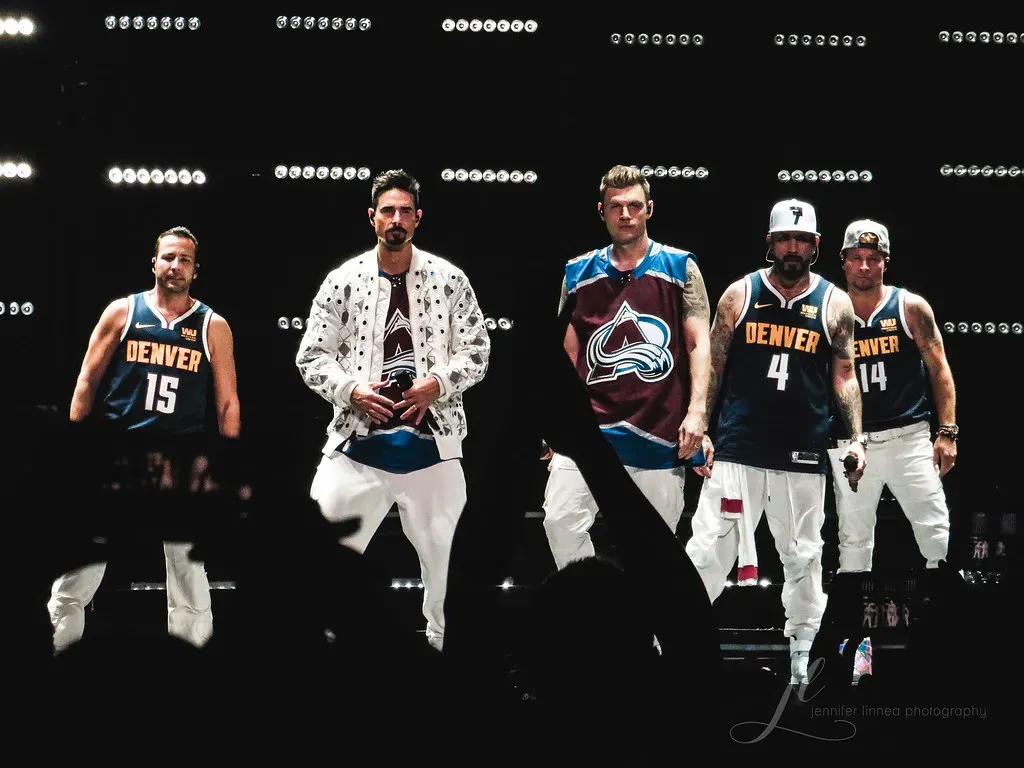
The Backstreet Boys have continued to tour and hold the distinction of being the best-selling boy band of all time, with roughly 100 million albums sold worldwide. Their Las Vegas residency has drawn consistent crowds, but the appeal skews heavily nostalgic. AJ McLean was direct with fans, saying not to hold out hope for a joint tour with *NSYNC, noting the other group “hasn’t done something in over 22 years.”
Partner offer
The downward trend within Western boy bands is likely tied to the toxic work environment many members found themselves in, whether from obsessive fans, corrupt managers, or the stress of maintaining a manufactured image. Many boy bands’ backstories harbor dark scandals, including lawsuits and in-fighting, with the Backstreet Boys themselves having endured intense legal battles after being cheated out of millions by their former manager Lou Pearlman. That long shadow still colors how some fans relate to the group’s legacy.
Why Don’t We: The Band That Imploded Publicly
Why Don’t We, the teenage boy group that came together in 2016, was known for songs like “8 Letters” and “Something Different,” and built a devoted fanbase through social media and relentless touring. The group’s later years became defined by public tensions between members and their management, with former members speaking openly about the pressures they faced during their peak years, including disputes over creative control and wellbeing.
Relevancy, not only in the music industry but in pop culture, is what keeps boy bands going – if people move on from a band too quickly, the band never has the chance to build a truly loyal fanbase. Why Don’t We ran out of runway before that loyalty could fully set. Their fanbase, once passionate and growing, has largely scattered, with individual members now pursuing solo paths with mixed results.
Jonas Brothers: The Nostalgia Ceiling
Kevin, Joe, and Nick Jonas formed the group back in 2005, and after releasing four studio albums and then breaking up in 2013 due to a “deep rift within the band,” they reunited in 2019 and released a fifth studio album that topped the US Billboard 200 charts. The reunion felt genuinely earned at the time. By 2025, though, a familiar problem had set in: the music was struggling to reach beyond the audience that already knew and loved them.
The gradual shift towards solo artists in the West has contributed to the broader decline of the boy band format. The Jonas Brothers occupy an awkward middle ground – too established to feel fresh, not classic enough to carry the weight of pure nostalgia acts. While their audience hasn’t disappeared entirely, many of those teenagers who grew up as fans have since spread their appreciation to the next generation in a much quieter way. The arena-filling urgency of 2019 hasn’t returned.
Big Bang: Scandal, Enlistment, and an Audience That Moved On

The K-pop group found itself involved in a major scandal when member Seungri was named a suspect in an investigation into the Burning Sun scandal and alleged involvement in secret group chats used to circulate hidden camera footage of women – accusations that, after denials, led him to announce his retirement from the entertainment industry. For a group that had once defined the global expansion of K-pop, the damage was lasting and real.
In recent years, the K-pop world has watched several beloved groups disband, with reasons ranging from members deciding to move on past their exclusive contracts and explore solo careers, to agencies deciding groups were no longer commercially viable. Big Bang, depleted by scandal and prolonged military service cycles, has struggled to recapture the cohesion that once made them one of the genre’s defining forces. The K-pop landscape has only grown more competitive, with new acts rising and fan attention becoming increasingly fragmented, and in that environment, a group carrying unresolved controversy faces an especially steep climb back.
What ties most of these stories together is a fairly straightforward truth: fan loyalty is not unconditional. Relevancy in pop culture is what keeps boy bands alive, and relevancy requires more than catalog hits and occasional appearances. It takes consistent presence, genuine accountability when things go wrong, and music that still feels alive. When those elements fade, even the most devoted fans eventually find somewhere else to direct their energy.
Partner offer
Planning a trip to Vegas?
Compare hotel rates and show tickets on VEGAS.com.