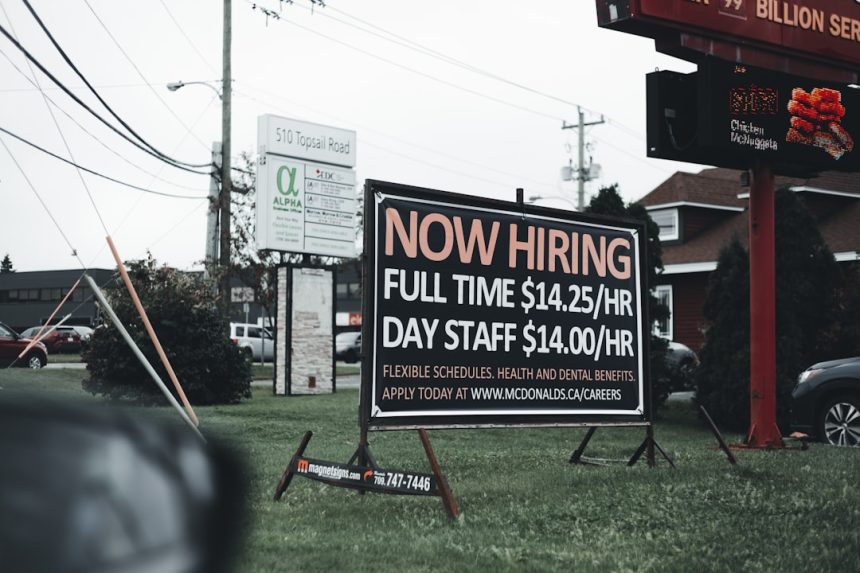


A Stunning Reversal in Employment Trends (Image Credits: Unsplash)
The United States faced an abrupt setback in its labor market last month, shedding 92,000 jobs while the unemployment rate edged up to 4.4%.
A Stunning Reversal in Employment Trends
Analysts anticipated steady gains, yet February’s figures painted a starkly different picture. The economy contracted by 92,000 jobs, marking a rare monthly decline. This downturn caught observers off guard, as recent months had shown resilience despite persistent challenges.
The unemployment rate rose to 4.4%, reflecting broader softening in hiring activity. Employers pulled back amid mounting pressures, leading to fewer opportunities for workers. Such a shift signals potential vulnerabilities in the recovery trajectory that had been underway.
Geopolitical Conflict Amplifies Economic Worries
The ongoing war with Iran emerged as a key disruptor, heightening uncertainty across markets. Military tensions escalated costs and disrupted supply chains, complicating business planning. Investors watched closely as these developments unfolded.
February’s weak jobs data arrived against this backdrop, underscoring how external shocks can swiftly alter domestic trends. Policymakers now grapple with balancing growth and stability in an unpredictable environment.
Oil Price Surge Hits Businesses and Consumers
Oil prices rocketed higher due to the conflict, imposing unexpected burdens on companies and households alike. Transportation and manufacturing sectors absorbed sharp increases in fuel expenses, squeezing profit margins. Consumers encountered elevated costs at the pump and in everyday goods.
These developments saddled the economy with added strain, curbing spending and investment. Businesses delayed expansions, while families adjusted budgets to cope. The ripple effects contributed to the hiring slowdown evident in the latest report.
Navigating the Path Forward
Officials monitor these indicators closely, as sustained weakness could prompt interventions. The interplay of geopolitical risks and domestic data shapes the outlook. Economists note that February’s results, though disappointing, provide a snapshot rather than a definitive trend.
Stakeholders await further reports to gauge durability. Meanwhile, the labor market’s fragility highlights the need for adaptive strategies.
Key pressures on the job market include:
- Escalating conflict with Iran driving global instability.
- Surge in oil prices raising operational costs.
- Unexpected burdens on businesses curbing hiring.
- Higher expenses for consumers dampening demand.
- Rising unemployment signaling reduced confidence.
Key Takeaways:
- 92,000 jobs vanished in February, defying expectations.
- Unemployment reached 4.4%, up from prior levels.
- War-related oil spikes intensified economic pressures.
This jobs slump serves as a reminder of how swiftly fortunes can shift. What implications do you see for the coming months? Share your thoughts in the comments.