
Festivals are one of the great joys of modern life. The music, the crowds, the shared energy of thousands of strangers becoming one community for a weekend – there’s really nothing quite like it. Yet beneath the surface of every big event lies a set of very real, very documented risks that most attendees never think about until something goes wrong. Worldwide, nearly 70,000 people have suffered significant injury and 232 people died at approximately 300 outdoor music concerts over a 10-year period, according to one study. Those numbers aren’t meant to scare you away from going. They’re meant to make you smarter before you do.
Understanding Crowd Crush: The Danger No One Sees Coming
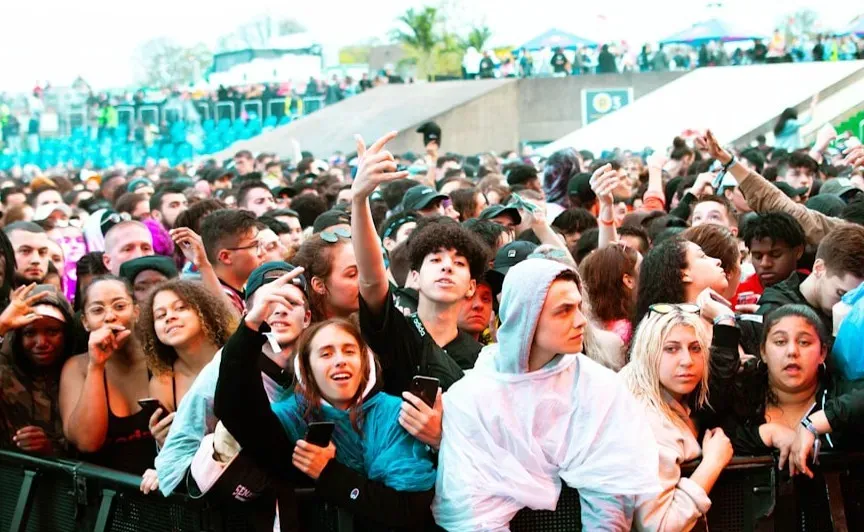
A crowd crush is when a group of people are so close together that no one is able to move. These events become a recipe for disaster when you combine overcrowding and unmanaged crowds with spaces that are wide and suddenly become narrow, creating a bottleneck. In these cases, a crush may occur when people are pushed into a confined area, either while trying to enter or exit. Most festival-goers don’t notice the warning signs until it’s already too late. The feeling of being compressed escalates so quickly that it bypasses rational thought entirely.
The most common injury and death related to a crowd crush is compressive asphyxia – a type of physical asphyxia where an outside force, like another human or a wall, prevents you from expanding your chest to breathe. According to health experts, humans can only survive four minutes without breathing before permanent brain damage occurs. Moreover, it only takes one to two minutes for someone’s blood oxygen levels to fall enough to lose consciousness. At high densities of around 6 to 7 people per square meter, dangerous “crowd crush” conditions arise, where people are pressed so tightly that shockwaves can ripple through the mass. The practical tip here is straightforward: the best way to avoid danger is to stay on the fringes, well away from the most congested sections of the crowd.
Heat, Dehydration, and the Silent Festival Killer
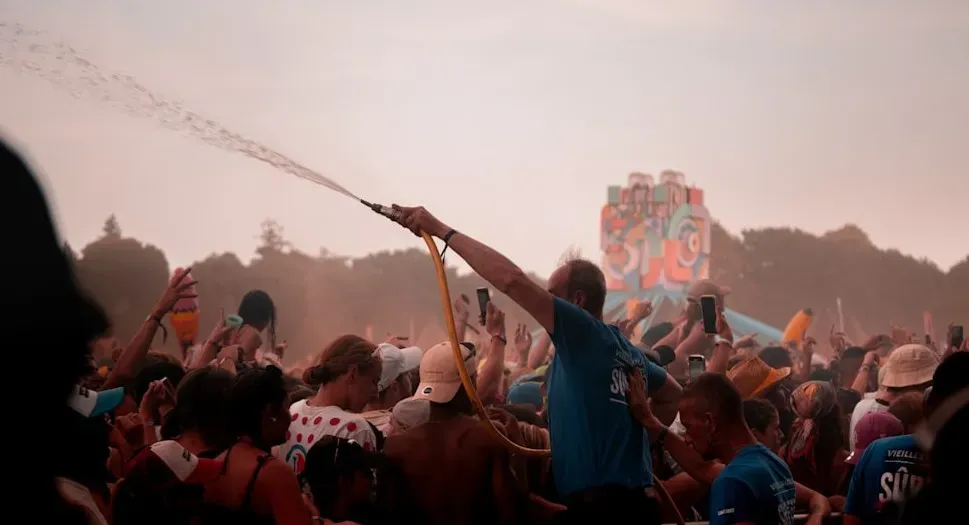
Outdoor music festivals often take place during the hot summer months, making heatstroke and dehydration a serious concern. Prolonged exposure to the sun, combined with physical exertion from dancing and limited access to shade, can quickly lead to overheating. The numbers behind this problem are staggering. Extreme heat is the deadliest weather-related hazard in the U.S., claiming roughly 2,000 people annually, according to data from the Centers for Disease Control and Prevention (CDC). Between January 1, 2023, and December 31, 2023, there were a total of 119,605 emergency room visits across the country for heat-related illnesses, with 92% of those visits occurring between May and September, according to a CDC report published in April 2024.
Internationally, the picture is just as alarming. Europe experienced an exceptionally deadly summer in 2024, with more than 60,000 heat-related deaths, bringing the total burden over the past three summers to more than 181,000, according to a study published in Nature Medicine. For festival-goers specifically, the advice from medical professionals is consistent. Experts recommend that festival-goers hydrate with electrolytes and limit their alcohol consumption – and that, plus sun protection, can reduce the chance of heat-related illness. To reduce your risk, use a sunscreen with broad-spectrum protection against both UVA and UVB rays and with an SPF of 30 or higher. Sunscreen must be reapplied every two hours.
Drug and Alcohol Risk: What the Research Actually Shows

Drug use among music festival attendees is disproportionately high compared with the general population. A survey of 2,305 participants at 23 festivals in Victoria reported that almost half had recently used drugs and roughly one in four intended to take illicit drugs at the next festival. The consequences can be fatal. Drug toxicity was the most common primary cause of death at festivals, accounting for nearly half of cases, followed by external injuries in the setting of drug use at more than a third of cases. The drug most commonly detected was MDMA, followed by alcohol and cannabis, with most cases involving the use of two or more substances including alcohol.
An analysis of all drug-related deaths at festivals over almost a decade, using coronial reports, reveals that most deaths involve young people using MDMA with other substances including alcohol. Importantly, most deaths were unintentional and could potentially be prevented through the implementation of harm reduction strategies including drug checking services. Music events like festivals and concerts are associated with higher-risk drug use behaviors, making overdose deaths more likely. Drug test strips help people determine whether their drugs contain fentanyl or xylazine – two potent substances that increase the risk of overdose and are often unknowingly mixed with other drugs. Harm reduction, not denial, is the approach most backed by current evidence.
Theft and Personal Security: A Growing Festival Problem

Statistics out of the UK, which hosts a number of notable music festivals, show that 1 in 500 festival-goers are the victim of crime, including a 1 in 640 chance of being pickpocketed. Festival pickpocketing is a global challenge. At Coachella, one year a single pickpocket managed to stuff over 100 stolen phones into his backpack before tech-savvy attendees tracked him down. The sheer scale of crowds creates ideal cover for opportunistic thieves who operate quickly and without hesitation.
A drastic rise in pickpocketing and stolen phones has been reported in music districts, and it has been a persistent problem around the Austin City Limits Music Festival in October and SXSW in March. Some methods used by pickpockets include “accidentally” bumping into you or swapping one phone in your pocket with a similar object. Sometimes they will work in pairs, with one person distracting you while their partner steals your wallet. The most effective countermeasures are simple: carry only what you need, keep valuables in front pockets, and never leave bags unattended in crowds or at campsites.
Sexual Harassment and Personal Safety in Crowds
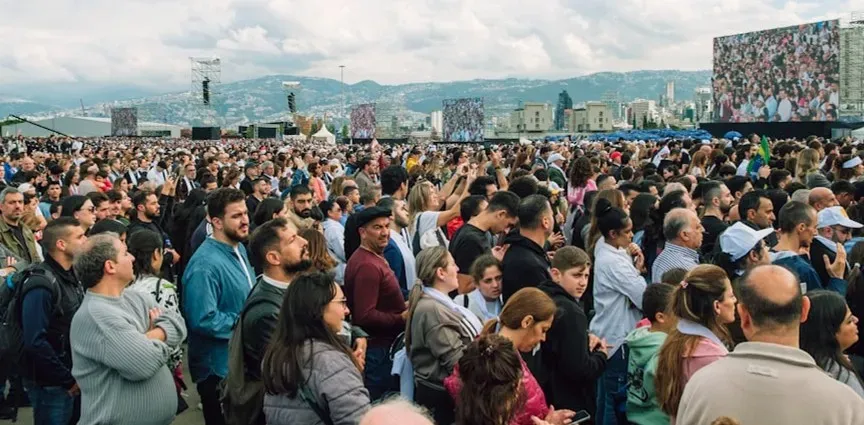
The context of large events, where tightly packed bodies make surveillance challenging and intoxication is often part of the festival culture, creates an environment ripe for sexual abuse. A stat sheet published by the University of Nevada Las Vegas Criminal Justice Department reveals that 92 percent of female festival attendees have experienced sexual harassment. This is one of the most underreported issues in festival safety, and the gap between what occurs and what gets reported is enormous. Most incidents go undocumented, meaning the true scope is almost certainly far wider than the available data suggests.
At numerous major festivals, officials have to handle numerous reports of sexual assault and harassment incidents. Predators execute their crimes against victims by using dense crowds, alcohol intoxication, and isolated locations. Festival attendees should remain wary about drink spiking, because perpetrators target victims by adding drugs to beverages, which can cause someone to become unconscious or unable to resist. Going with a trusted group and establishing a clear meeting point before entering any large crowd area is one of the most reliable protective measures available.
Emergency Preparedness: Know Your Exits Before You Need Them

Every festival is different in its preparation and protocols. All do put in quite a bit more training and effort, but there is still no standard protocols across the board, meaning there is still a varying degree of safety at each festival. Individual attendees also need to take their own precautions and measures when attending. At Boston Calling in 2024, there were over 400 medical events during Sunday’s concerts alone, making up half the total calls from the three-day event – a reminder of just how quickly a busy festival day can overwhelm even a prepared medical team.
In order to stay safe in crowd situations, experts say people should make sure they know their evacuation points when entering a crowd. For added safety, make sure your phone is fully charged, you know where exits are located, and you have a designated meeting spot in case you become separated from your group. Medical professionals who attend festivals recommend creating a WhatsApp group of people you’re attending with so you can stay in contact and set a meeting point in case of an incident. These steps take less than five minutes to organize and can make an enormous difference when something unexpected happens.