Every finished film hides a shadow version of itself, one built from footage that never made it past the editing bay. Sometimes the reason is obvious: a scene ran too long, or a joke fell flat in front of a test audience. Other times, the explanation studios give feels thin, or arrives years after fans stopped asking. These seven scenes fall into that second category, moments editors and directors have circled back to explain long after the fact, often leaving just as many questions as answers.
IT (2017): The Origin Scene That Took Eight Years to Explain


For nearly a decade, fans of Andy Muschietti’s IT wondered about a rumored scene explaining Pennywise’s origins, one that circulated in whispers but never appeared in the film or on any home release. IT: Chapter One director Andy Muschietti finally pulled back the curtain on the infamous Pennywise the Clown origin scene that was removed from the 2017 film, and over the past eight years, audiences have heard about a deleted scene that explains the origins of IT. At the time, the assumption was simple. It was thought to be too gruesome to include in the film.
The real story turned out to be more about audience curiosity than studio squeamishness. During test screenings for IT, certain audience members wanted to know more about the iconic villain’s origins, so the filmmakers went back for some additional shooting. The footage depicted a colonial era woman making a desperate bargain with the entity to save her child, a sequence that Muschietti said was meant to explain the fog and the strange forgetfulness gripping Derry’s adults rather than IT’s ultimate origin. It took a 2025 podcast appearance for that reasoning to finally reach the public, long after the film left theaters.
Deadpool & Wolverine: Gambit’s Real Ending Never Made the Cut

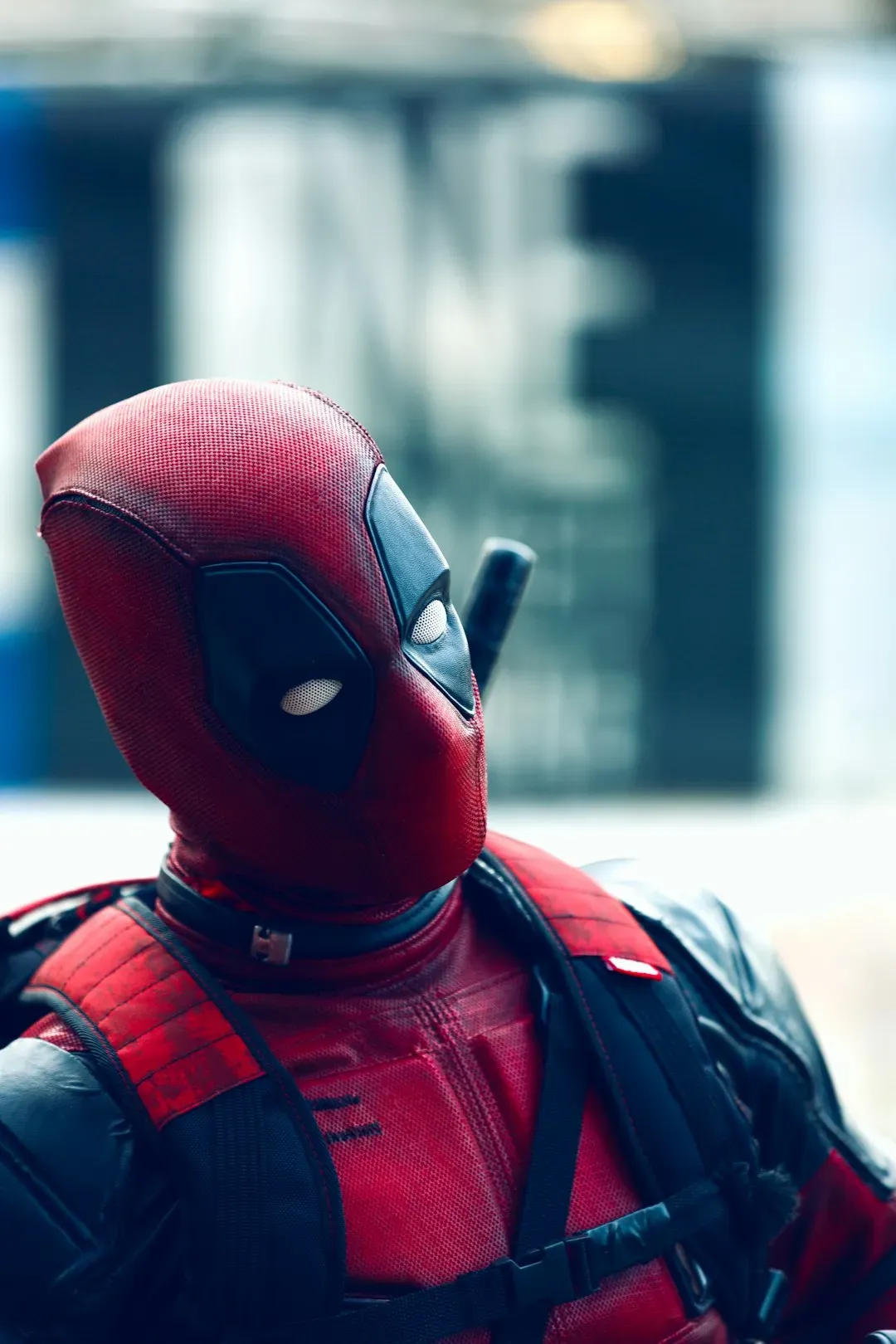
Channing Tatum finally got to play Gambit on screen in 2024, and the film reportedly shot a proper conclusion for the character that theatrical audiences never saw. Screen Rant interviewed the Deadpool & Wolverine editors Dean Zimmerman and Shane Reid about their work on the film, and when asked why Gambit’s real ending was excluded from the theatrical cut, editor Shane Reid pointed to the rhythm of the end credit sequence, calling the Legacy reel a really important part of the process. That’s a pacing answer, but it doesn’t fully address why a fan favorite moment got sacrificed for a montage.
The film had already become Marvel Studios’ only theatrical outing for 2024, and it became not only a massive box office hit but also a creative victory for the company, so the stakes around every creative choice were unusually high. Editors framing the cut as a rhythm issue rather than a story problem left many viewers unsatisfied, especially given how much attention the marketing had put on Tatum’s casting. Whether Gambit’s true ending ever surfaces remains unclear, since Marvel has not committed to revisiting the footage.
Zack Snyder’s Justice League: The Darkseid Footage Nobody Explained at the Time

When Justice League hit theaters in 2017 under Joss Whedon’s direction, entire threads involving the villain Darkseid simply vanished, leaving plot holes that confused casual viewers. In Justice League, numerous scenes featuring Darkseid and extended battles were deleted from Joss Whedon’s theatrical cut, footage that was expensive and unfinished at the time. The studio never offered a clear public accounting of what was missing or why, leaving fans to piece together theories from leaked concept art and rumors.
It took the 2021 release of the four hour director’s cut for the full picture to emerge. Zack Snyder later restored them in Zack Snyder’s Justice League, a four-hour director’s cut that showcased what was left on the cutting room floor. The gap between the quiet 2017 removal and the loud 2021 restoration turned this into one of the more scrutinized editing decisions of the last decade, with fans arguing the original theatrical version had been gutted of its connective tissue without any real explanation offered at release.
Aliens: Ripley’s Daughter and the Subplot That Vanished
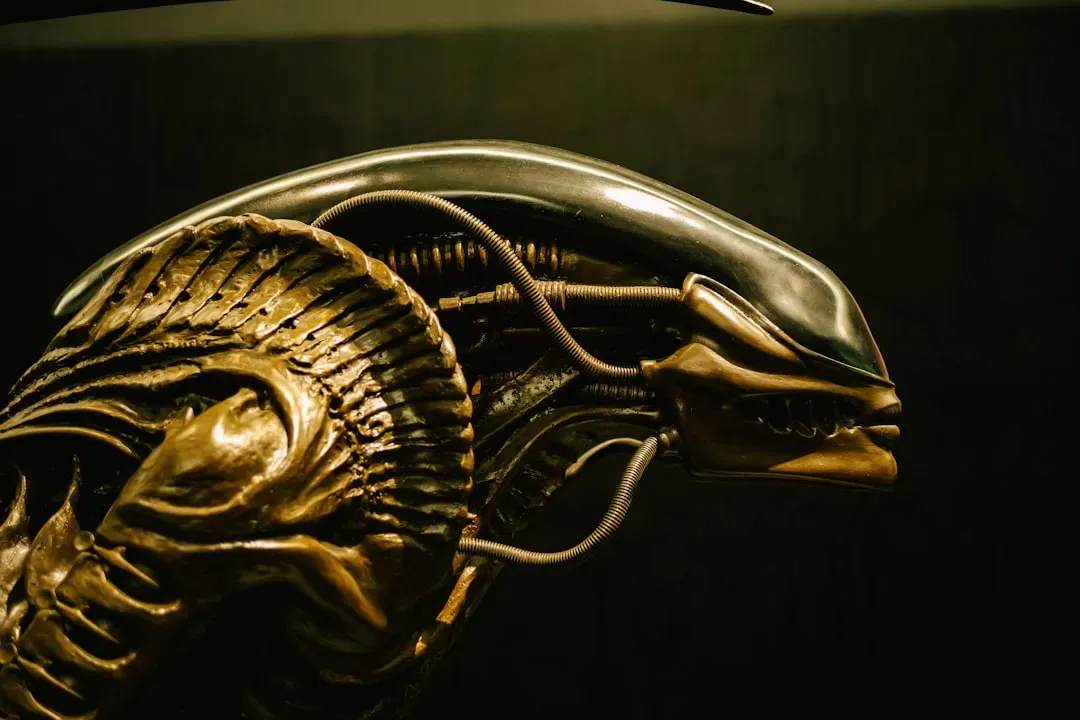
James Cameron’s 1986 sequel to Alien originally carried a quieter emotional thread involving Ripley’s own daughter, information that reframed her entire relationship with Newt. James Cameron’s decision, under studio pressure, to cut the subplot about Ripley’s daughter stripped the film of a core emotional driver, fundamentally changing Ripley’s motivations and the way audiences connected with her. Removing that backstory changed a mother figure into something closer to an action hero reacting on instinct alone.
The footage eventually surfaced on home video, but the studio’s original insistence on the cut was framed mostly around pacing rather than any deeper creative disagreement. Fans who later saw the special edition noticed how differently Ripley’s protectiveness toward Newt reads once her own history as a parent is part of the equation. The theatrical cut still works as a taut survival thriller, but it plays as a slightly different film once that missing piece is restored.
Partner offer

Suicide Squad: The Joker Material Trimmed for Tone

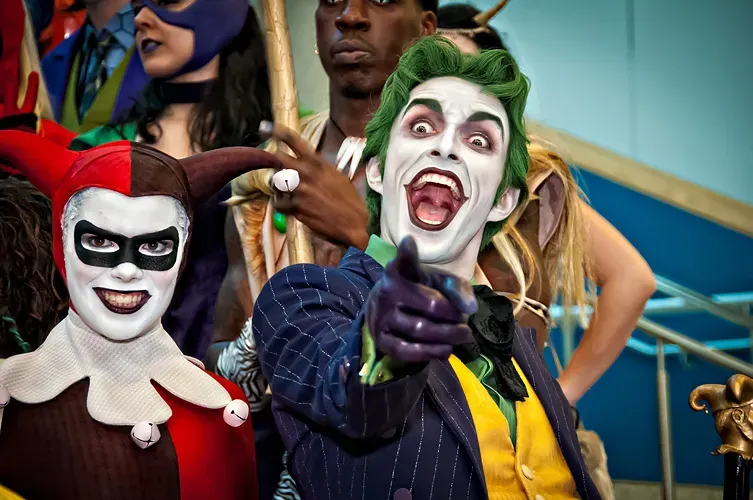
Jared Leto’s version of the Joker generated headlines during production, yet most of that material never reached the 2016 theatrical release. In Suicide Squad, many of Jared Leto’s Joker scenes were cut, and director David Ayer later revealed that his original cut was darker and more character-driven, but studio executives wanted a more upbeat, fast-paced movie following the success of Guardians of the Galaxy. That comparison to a Marvel movie with a completely different tone struck many as an odd standard to hold a Batman adjacent villain story against.
Ayer’s comments came out gradually over the following years rather than in one clean statement, and the studio itself never offered its own detailed rationale beyond general notes about tone and pacing. The result left a version of the Joker on screen that felt disconnected from the character’s reputation in the comics, missing the psychological depth Ayer said he had originally shot. Fans have pushed for years for an Ayer cut similar to Snyder’s Justice League, though Warner Bros has been far less forthcoming about that possibility.
The Shining: The Epilogue Kubrick Physically Destroyed
Stanley Kubrick’s reputation as a meticulous auteur makes the story of The Shining’s missing epilogue especially strange. The scene showed hotel manager Ullman visiting the Torrances after the events of the film, giving Danny the same tennis ball the ghosts had used to lure him, before Kubrick decided he didn’t like the scene and sent editors around the country to manually cut and destroy every copy after it had already screened for a weekend. That’s not a quiet studio memo. That’s a director chasing down his own footage after release.
What makes the story land in this list rather than a simple case of artistic revision is the reasoning behind it. Kubrick didn’t remove the sequence for any grand artistic reason; he got cold feet after test audiences found it confusing. No official studio statement ever fully clarified the decision, and today only two grainy still photographs remain as proof the ending ever existed at all.
Jurassic Park: The Missing Answer to a Sick Triceratops

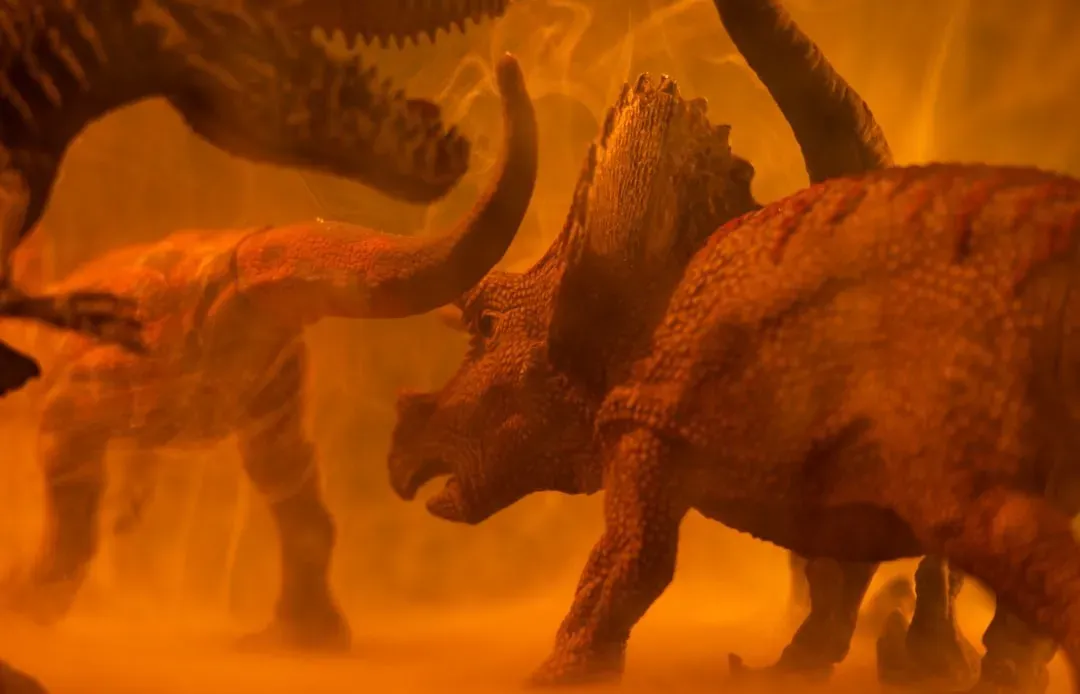
Steven Spielberg’s 1993 blockbuster left one dangling thread that puzzled attentive viewers for years: why exactly was that Triceratops sick, and did it ever get better? A deleted scene would have resolved why the Triceratops was sick, which simply peters out and never gets readdressed in the final movie, showing Tim finding rounded stones beside a toxic plant, with Ellie and Grant suggesting the dinosaur had accidentally eaten poisonous berries alongside the gizzard stones it needed for digestion. Without that scene, the entire subplot reads like an unfinished thought.
The likely reason for the cut had nothing to do with pacing or studio interference in the usual sense. It’s likely that this scene was cut due to being too disgusting since it concludes with Ellie arm deep in Triceratops poop. That’s a fairly blunt explanation compared to the usual studio language about tone and runtime, and it never got a formal acknowledgment from Universal at the time, leaving fans to fill in the gap themselves for decades.
Final Thoughts

What connects these seven scenes isn’t a single kind of studio interference or a shared creative failure. It’s the gap between what actually happened in the editing room and what the public was told, or wasn’t told, at the time. Some answers arrived through director’s cuts, some through interviews years later, and at least one through nothing more than a couple of surviving photographs.
That gap is probably permanent for most films. Editors and directors move on, studios rarely issue detailed postmortems, and footage gets lost or forgotten long before anyone thinks to ask for clarification. The scenes that do get explained, even decades later, are the exception rather than the rule, which is part of why they tend to stick around in film conversation long after the movies themselves have faded from the cultural spotlight.
Partner offer
Planning a trip to Vegas?
Compare hotel rates and show tickets on VEGAS.com.